 Vista previa
 Compartir
 Compartir
 Ver detalles

 Descargar
 Ver similares
 Radiografía
 Presentación de diapositivas
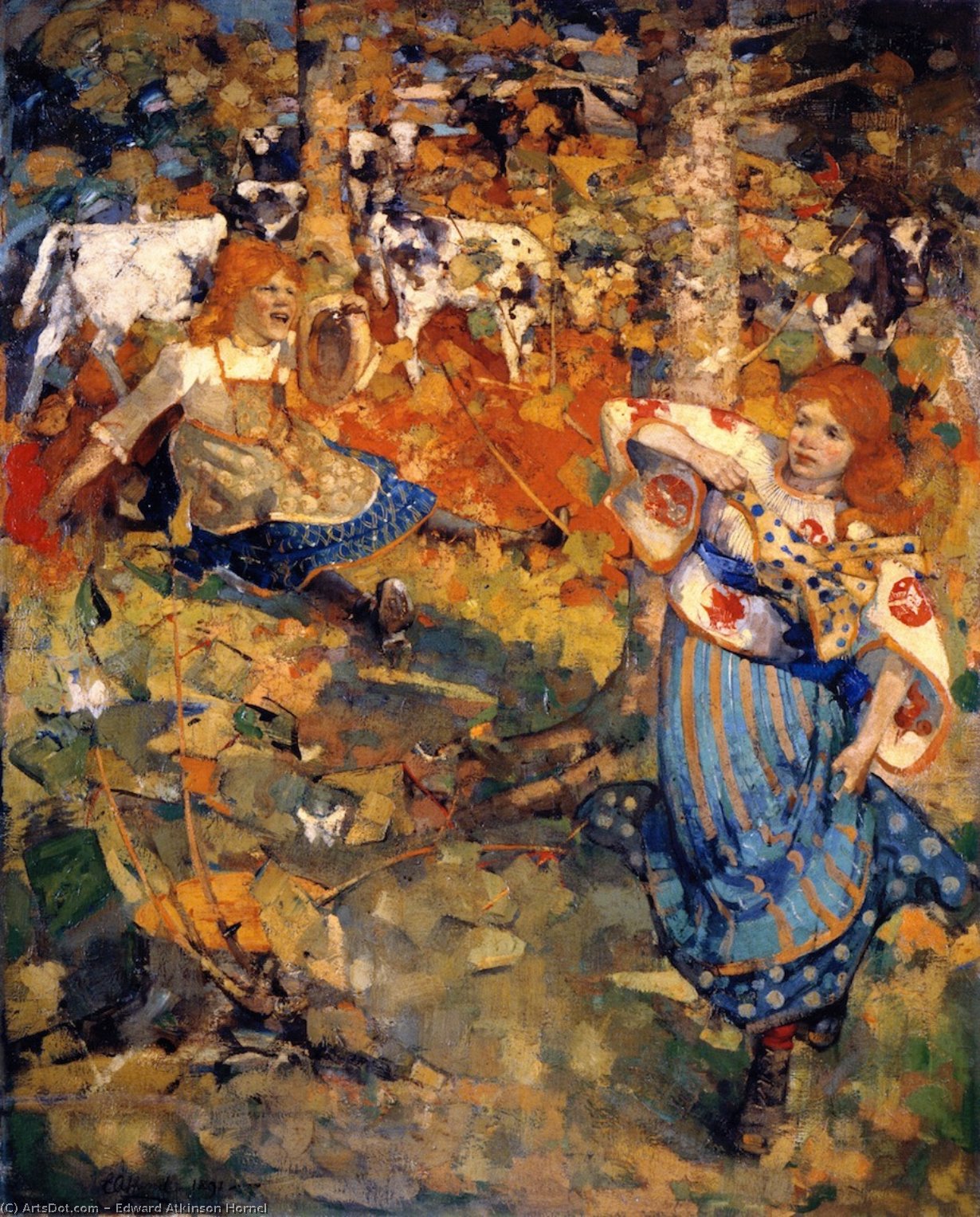
Summer


 Leer más
Giclée / Impresión de arte
Impresiones giclée o en lienzo de calidad de museo con producción rápida y opciones de acabado flexibles. ( Encargar reproducción pintada a mano Comprar descarga)




P118B $10

P118H $10

P118W $10

P438Z $10

P508JH $12

P508YH $12

P805H $10

P805Z $10

P919BZ $10

P919G $10

P919XJ $10

P959ZH $10

P968JZ $12

W106C $8

W218G $10

W218JH $8

W218Y $10

W307PJ $10

W316G $10

W316PJ $8

W316Y $10

W398PJ $8

W4111J $10

W500HY $15

W500JH $15

W692G $12

W849H $8

W940BG $15

W953PJ $8




Elija entre nuestros tamaños predefinidos que respetan las proporciones originales de la obra.

Puede introducir sus propias dimensiones para adaptarse a un marco o espacio específico. Si el tamaño seleccionado no coincide con las proporciones de la imagen original, recortaremos la obra de arte o extenderemos la imagen con un borde con efecto espejo o de color sólido. Se enviará una maqueta digital para su aprobación antes de que comience la producción.
Tenga en cuenta que la vista previa en pantalla no refleja el recorte o la extensión real. Solo la maqueta mostrará con precisión la composición final.
Aunque existen tamaños personalizados, recomendamos seleccionar una dimensión de la lista predefinida para preservar las proporciones originales.
Envío a todo el mundo () en 2 semanas en lugar de las 4/5 semanas estándar. (21 agosto)

Envío exprés gratuito a todo el mundo

Lienzo de lino de alta calidad

Seguro de envío completo

Garantía de reembolso de aranceles aduaneros

Garantía de fidelidad cromática exacta

Política de devolución de 60 días (solo por defectos)

Garantía de devolución del 100% del dinero

Oferta por volumen
 La opción de vidrio solo está disponible en tamaños inferiores a 110 cm.

Summer
Giclée / Impresión de arte
Tamaño de la reproducción
-


Precio total
$ 62
Descripción de la pieza
The Artist's Inspiration
Edward Atkinson Hornel was a Scottish artist known for his captivating depictions of landscapes and figures. His work often featured women and children in natural settings, showcasing his ability to capture the beauty of the human form. In Summer, Hornel has symbolized the season through the figure of a girl chasing a butterfly, surrounded by lush greenery and vibrant flowers.The Painting's Style and Technique
The painting's style is reminiscent of Japanese art, with its flat, decorative design and emphasis on pattern and color. The use of bold brushstrokes and vivid hues creates a sense of energy and movement, drawing the viewer into the scene. As noted by ArtsDot.com, Hornel's technique is characterized by a focus on capturing the emotional and psychological depth of his subjects.Notable Features and Similar Works
Some notable features of Summer include its use of symbolism, with the butterfly representing freedom and joy. The painting is also notable for its sense of movement and energy, created through the use of bold brushstrokes and vibrant colors. Similar works by Edward Atkinson Hornel can be found at the Walker Art Gallery in Liverpool, including A Galloway Idyll and Blossom Time, Brighouse Bay. For more information on these paintings, visit ArtsDot.com.- Key elements of the painting: vibrant colors, sense of movement and energy, symbolism
- Influences: Post-Impressionism, Japanese art
- Similar works: A Galloway Idyll, Blossom Time, Brighouse Bay
The Summer painting by Edward Atkinson Hornel is a beautiful representation of the season, characterized by its vibrant colors and sense of joy. As a masterpiece of Scottish art, it continues to inspire and delight audiences today. For those interested in learning more about Hornel's work, visit Wikipedia or explore the collection at Walker Art Gallery.
Obras relacionadas
Biografía del artista
Edward Atkinson Hornel: Scottish Painter of Landscapes & Florals, Influenced by Japonisme
Edward Atkinson Hornel (1864 – 1933) stands as a cornerstone of late Victorian and early twentieth-century Scottish art, inextricably linked to the Glasgow Boys movement and profoundly shaped by Japanese aesthetics. Born in Bacchus Marsh, Victoria, Australia—a poignant reminder of his Scottish heritage—Hornel’s formative years instilled within him an unwavering appreciation for both expansive landscape panoramas and meticulous botanical detail. Following his family's relocation back to Kirkcudbright in 1866, he embarked upon a deliberate pursuit of formal artistic training at Edinburgh Art School and Antwerp under the tutelage of Professor Verlat, honing skills that would become synonymous with his unmistakable stylistic signature. Returning to Scotland in 1885, Hornel discovered kindred spirits in George Henry, forging an enduring collaborative partnership that birthed masterpieces such as “Druids Bringing In The Mistletoe” (1890). This ambitious depiction of druidic ritual—characterized by vibrant color palettes and daring textural experimentation—solidified Hornel’s reputation for audacious artistic vision. Specifically, his masterful manipulation of paint surfaces through layering, scraping, roughening, smoothing, and staining techniques prioritized expressive impact over literal representation, reflecting a commitment to conveying emotion rather than documenting reality. This innovative approach distinguished him from many of his contemporaries and cemented his place among the vanguard of Scottish Impressionism. The year 1893–94 witnessed Hornel and Henry undertaking an extraordinary expedition to Japan—a pivotal moment that irrevocably altered their artistic trajectories. Inspired by the principles of decorative design and spatial arrangement championed by Japanese artists, they immersed themselves in a culture brimming with beauty and subtlety. This transformative experience propelled Hornel toward a more atmospheric aesthetic—one defined by refined color harmonies and nuanced drawing—elements that seamlessly blended sensual allure with contemplative reflection. The resulting paintings captured not merely visual impressions but also the spirit of Japan itself, demonstrating Hornel’s ability to synthesize diverse influences into a cohesive artistic idiom. By 1901, Hornel prudently declined membership to the Royal Scottish Academy, prioritizing his unwavering devotion to Glasgow Art Club where he continued to exhibit annually—a testament to his enduring belief in communal artistic engagement and critical dialogue. During this period, he established Broughton House in Kirkcudbright—a Victorian townhouse meticulously designed alongside Elizabeth Hornel—incorporating elements inspired by Japanese garden aesthetics. This residence served as a sanctuary for artistic creativity and fostered an environment conducive to experimentation with color and texture. Notably, he commissioned the construction of a gallery specifically for showcasing his paintings, ensuring their preservation and accessibility for future generations. Hornel’s oeuvre encompasses celebrated works housed in museums across Britain—Aberdeen, Buffalo, Bradford, St. Louis, Toronto, Montreal, Glasgow, Edinburgh, Leeds, Manchester, Hull, Bath, and Liverpool—demonstrating the enduring resonance of his distinctive style within the broader context of British art history. His paintings exemplify the Glasgow Boys’ commitment to Impressionistic principles while simultaneously reflecting the influence of Japonisme and Pre-Raphaelitism, securing his place as a pivotal figure in shaping the aesthetic landscape of the Edwardian era. He died peacefully in Kirkcudbright in 1933, leaving behind a legacy of artistic innovation and a profound contribution to Scottish art heritage.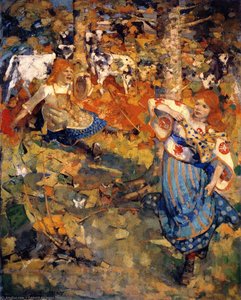
Edward Atkinson Hornel
1864 - 1933 , Australia
Datos clave
- Artistic Movement Or Style: Glasgow Boys
- Artists Who Influenced This Artist:
- George Henry
- James Hornell
- Date Of Birth: 1864
- Full Name: Edward Atkinson Hornel
- Nationality: Escocés
- Notable Artworks:
- Druids Bringing in the Mistletoe
- Japanese Figures in a Garden
- Place Of Death: Kirkcudbright
Artículos relacionados
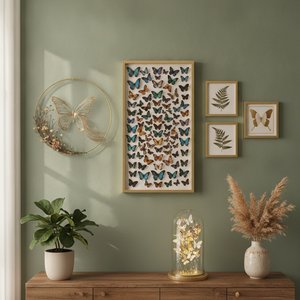
Fluttering Beauty: Elevate Your Interior with Exquisite Butterfly Artworks and Nature-Inspired Masterpieces
Discover the transformative power of butterfly art. From impressionist oil paintings to custom nature-inspired masterpieces, elevate your home with exquisite, hand-painted textures and vibrant colors designed to inspire serenity and elegance in every room.

Los 10 Maestros del Postimpresionismo: Obras que Revolucionaron el Arte |
Descubre los 10 cuadros más influyentes del Postimpresionismo: Van Gogh, Monet, Cézanne y más. Explora la historia, técnica y significado de estas obras maestras. Reproducciones de arte en para decorar tu hogar con estilo.
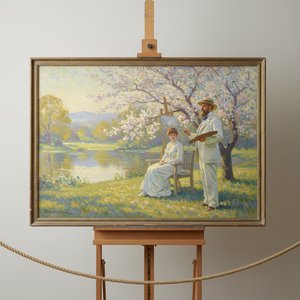
William Merritt Chase: A Study in American Impressionism & Artistic Luminosity
Explore the life & work of William Merritt Chase, a leading American Impressionist painter and influential art educator. Discover his vibrant portraits, landscapes, and lasting legacy with ArtsDot.
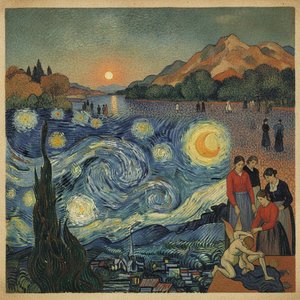
Beyond the Brush: A Visual Journey Through the Emotional Brilliance of Post-Impressionism
Embark on a visual journey through Post-Impressionism. Discover the emotional depth of Van Gogh and Cézanne, explore the tactile beauty of impasto, and learn how to bring these vibrant, soulful masterpieces into your home with expert art curation and custom hand-painted reproductions.

Más Allá del Impresionismo: Profundizando en la Emoción y el Simbolismo Postimpresionista
Descubre la profundidad emocional y el simbolismo del Postimpresionismo con ArtsDot. Análisis experto de Cézanne, Van Gogh, Gauguin y más. Explora la historia y el legado de este fascinante movimiento artístico.