

 Ver en contexto
 Enviar
 Compartir
 Detalles

 Descargar
 Similares
 Radiografía
 Presentación de diapositivas
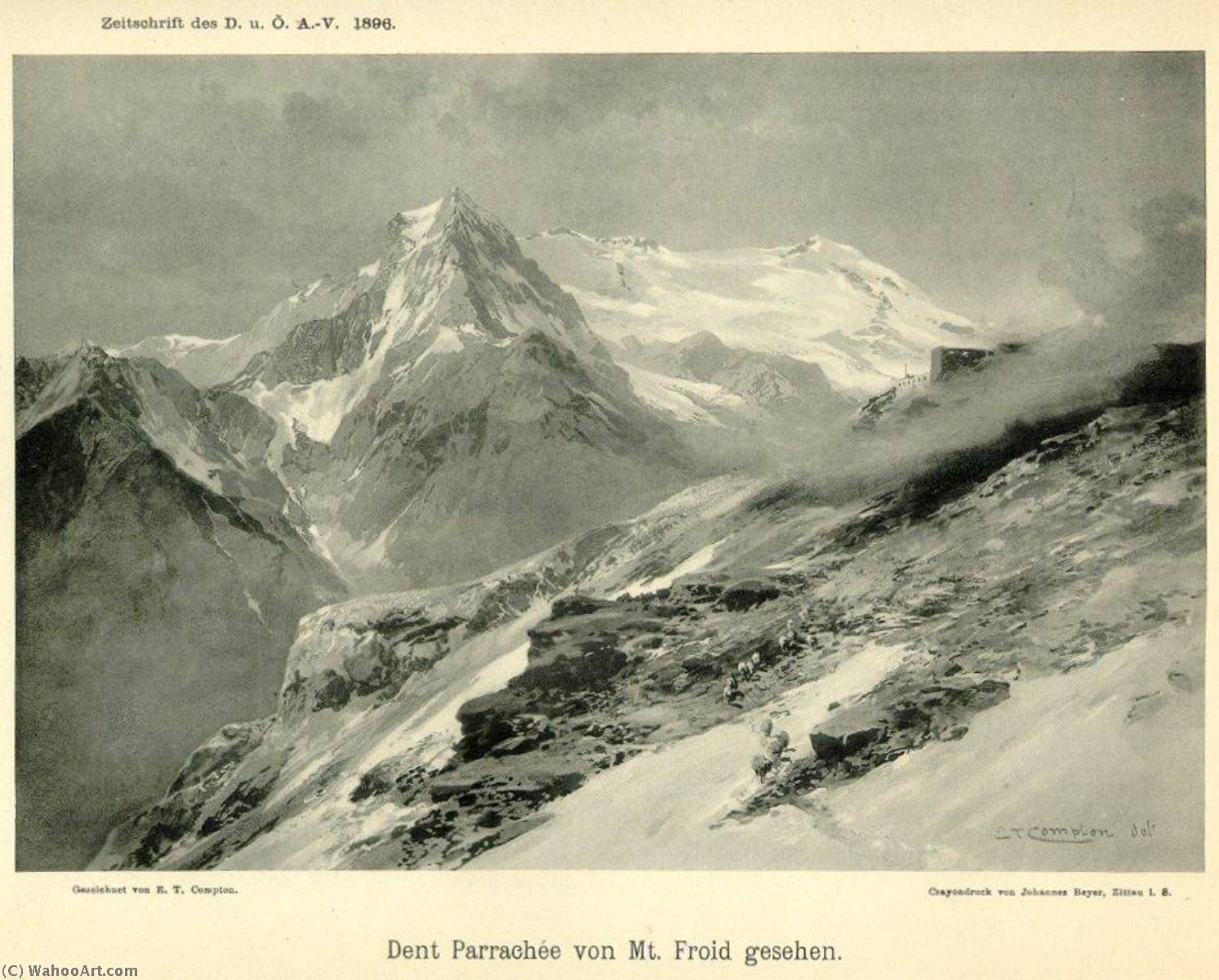
Deutsch Dent Parrachée vom Mont Froid aus gesehen


 Ver más
Reproducción al óleo hecha a mano
Óleo sobre lienzo pintado a mano en el tamaño y marco de su elección, realizado por encargo por nuestros artistas. ( Comprar impresión Comprar imagen)




P118B $10

P118H $10

P118W $10

P438Z $10

P508JH $12

P508YH $12

P805H $10

P805Z $10

P919BZ $10

P919G $10

P919XJ $10

P959ZH $10

P968JZ $12

W106C $8

W218G $10

W218JH $8

W218Y $10

W307PJ $10

W316G $10

W316PJ $8

W316Y $10

W398PJ $8

W4111J $10

W500HY $15

W500JH $15

W692G $12

W849H $8

W940BG $15

W953PJ $8




Elija entre nuestros tamaños predefinidos que respetan las proporciones originales de la obra.

Puede ingresar sus propias dimensiones para adaptarse a un marco o espacio específico. Si el tamaño seleccionado no coincide con las proporciones de la imagen original, recortaremos la obra o extenderemos la pintura con elementos adicionales pintados a mano. Se le enviará una maqueta digital para su aprobación antes de comenzar la producción.
Tenga en cuenta que la vista previa en pantalla no refleja el recorte o la extensión reales. Solo la maqueta mostrará con precisión la composición final.
Si bien existen tamaños personalizados, recomendamos seleccionar una dimensión de la lista predefinida para preservar las proporciones originales.
Tras realizar el pedido, el equipo de ArtsDot.com enviará un correo electrónico al cliente para solicitar instrucciones y proporcionarle una vista previa del boceto.
Envío a todo el mundo () en 3-4 semanas en lugar de las 5 semanas estándar. (28 agosto). Sin comprometer la calidad.

Envío exprés gratuito a todo el mundo

Lienzo de lino de alta calidad

Seguro de envío total

Garantía de reembolso de impuestos aduaneros

Garantía de fidelidad cromática exacta

Política de devolución de 60 días (solo por defectos)

Garantía de devolución del 100% del dinero

Descuento por cantidad
 La opción de vidrio solo está disponible en tamaños inferiores a 110 cm.

Deutsch Dent Parrachée vom Mont Froid aus gesehen
Técnica de reproducción
Dimensiones de la reproducción
-


Precio total final
$ 263
Edward Theodore Compton: A Pioneer of Alpine Watercolor
Edward Theodore Compton stands as an extraordinary testament to the intersection of art and adventure—a figure whose legacy continues to inspire artists and collectors alike. Born in Stoke Newington, London, in 1849, Compton’s upbringing within a Quaker household instilled a profound appreciation for simplicity and moral integrity—values that would undoubtedly shape his artistic vision. Despite attending various art schools including the Royal Academy, he largely pursued self-education, honing his skills through meticulous observation and tireless experimentation. His journey to Darmstadt, Germany, in 1867, marked a pivotal moment, propelling him into a vibrant artistic community led by Grand Duke Ludwig III and fostering an enduring fascination with alpine scenery. Early Influences: Compton’s formative years were steeped in Quaker spirituality and nurtured by his father's passion for art, exposing him to influential artists like John Ruskin and Frederic Leighton—figures who championed the Romantic ideal of sublime beauty and encouraged a deep engagement with nature. This early exposure would prove crucial in shaping Compton’s artistic sensibilities and establishing a lifelong commitment to capturing the grandeur of the alpine landscape. The Darmstadt Years: Compton's time in Darmstadt solidified his dedication to watercolor painting, a medium he skillfully mastered through countless hours of practice and experimentation. Surrounded by fellow artists—including Franz Marc and Wilhelm Trübschenne—he embraced the avant-garde spirit of the era, exploring innovative techniques and pushing the boundaries of artistic expression. The Darmstadt atelier became a crucible for artistic innovation, fostering collaborations that yielded remarkable results and cementing Compton’s reputation as a visionary artist. Notable Works: Compton's oeuvre is characterized by an unwavering commitment to realism—particularly in his depictions of alpine mountains. His paintings capture not merely visual appearances but also the emotional resonance of these landscapes, conveying a sense of awe and reverence for the sublime power of nature. Pieces like “Deutsch Leoganger Steinberge” and “Deutsch Schlenkerspitze” exemplify Compton’s mastery of watercolor technique—employing delicate washes and precise linework to achieve breathtaking textural detail and luminous color palettes. Symbolism and Emotional Impact: Beyond mere representation, Compton's art speaks to deeper themes—reflecting the Quaker ethos of humility before God and celebrating the beauty inherent in the natural world. The jagged peaks of the Drei Zinthörner mountains symbolize resilience and fortitude—a visual metaphor for overcoming adversity with grace and dignity. Similarly, “Deutsch Schlenkerspitze” evokes a feeling of solitude and contemplation—inviting viewers to immerse themselves in the stillness of the alpine wilderness and reconnect with their inner selves. Conclusion: Edward Theodore Compton’s artistic legacy endures as an inspiration to artists striving for authenticity and beauty—a reminder that true art transcends superficial aesthetics, communicating profound truths about human experience and fostering a connection with the sublime grandeur of our planet. His watercolors continue to captivate audiences worldwide, securing his place among the foremost practitioners of alpine landscape painting and cementing his reputation as a pioneer of watercolor artistry.Obras relacionadas
Biografía del artista
Edward Theodore Compton: Pioneer of Alpine Watercolor
Edward Theodore Compton, a singular figure in the artistic landscape of late 19th and early 20th century Europe, stands as an extraordinary testament to the intersection of art and adventure—a man who dared to conquer mountains while simultaneously capturing their sublime beauty on watercolor paper. Born in Stoke Newington, London, in 1849, Compton’s upbringing within a Quaker household instilled a profound appreciation for simplicity and moral integrity—values that would undoubtedly shape his artistic vision. Despite attending various art schools including the Royal Academy, he largely pursued self-education, honing his skills through meticulous observation and tireless experimentation. His journey to Darmstadt, Germany, in 1867, marked a pivotal moment, propelling him into a vibrant artistic community led by Grand Duke Ludwig III and fostering an enduring fascination with alpine scenery—a fascination that would define the trajectory of his life’s work.Early Influences: The Seeds of Inspiration
Compton's formative years were profoundly impacted by Quaker spirituality and nurtured by his father’s unwavering passion for art, exposing him to influential Impressionist painters like Claude Monet and Pierre-Auguste Renoir. These artists championed the pursuit of capturing fleeting moments of light and color—a stylistic approach that resonated deeply with Compton’s sensibilities and would become a cornerstone of his artistic technique. The ethereal beauty of Monet's landscapes served as an enduring model for Compton, guiding him toward conveying similar atmospheric effects in his own paintings.Academic Training & Darmstadt: Finding His Artistic Voice
Although he didn’t formally graduate from the Royal Academy—a decision reflecting his preference for independent learning—Compton benefited immensely from studying alongside Alice, Princess of Hesse, gaining invaluable experience in artistic technique and fostering connections within a burgeoning artistic milieu. Darmstadt became Compton's crucible for honing his skills, immersing him in a stimulating environment where he absorbed influences from German Romanticism and embraced innovative approaches to watercolor painting. This period solidified his belief that observation—coupled with artistic sensitivity—was paramount to achieving mastery.The Alpine Obsession: From Sketches to Masterpieces
A transformative trip to the Bernese Oberland in 1868 ignited Compton’s lifelong devotion to capturing the majesty of the Alps, particularly the iconic trio – Eiger, Mönch and Jungfrau. The breathtaking panorama captivated him, inspiring a series of watercolor paintings that would become synonymous with alpine art—paintings imbued with an unparalleled sense of grandeur and realism. His meticulous sketches documented the rugged terrain and dramatic lighting conditions, demonstrating an unwavering commitment to accuracy alongside artistic sensitivity. These preparatory drawings served as blueprints for his larger canvases, ensuring that every brushstroke faithfully reflected the essence of the mountain landscape. He believed that “the artist must strive to reproduce nature with fidelity,” a principle that underpinned his entire artistic practice.Technique: Layers of Light and Color
Compton’s distinctive style involved layering thin washes of watercolor pigment onto paper—a technique he perfected through years of experimentation—achieving luminous effects that conveyed the ethereal beauty of mountain landscapes. He skillfully manipulated color palettes, utilizing subtle gradations to depict the shifting hues of sunlight filtering through alpine peaks. This meticulous approach demanded patience and precision, reflecting Compton’s dedication to achieving artistic excellence.Notable Works: Echoes of Majesty
Among his most celebrated paintings are “Deutsch Im Wald von Valdoniello” and “Deutsch Grohmannspitze und (rechts) Fünffingerspitzen”—works that exemplify his masterful rendering of alpine vistas with breathtaking clarity and emotional resonance. These canvases capture the dramatic interplay of light and shadow, conveying the sublime grandeur of the mountains while simultaneously hinting at the challenges faced by climbers attempting to ascend their formidable slopes. They stand as enduring symbols of Compton’s artistic vision—a testament to his ability to transform observation into evocative art.A Mountaineer's Eye: Beyond the Canvas
Compton wasn’t merely a painter; he was an intrepid mountaineer who ascended over 300 peaks, including 27 first ascents—a remarkable feat that solidified his reputation as one of Britain’s foremost climbers. His expeditions to Austria, Scandinavia, North Africa, Corsica and Spain yielded invaluable visual material for his artwork, informing his compositions with firsthand experience of mountain environments. The photograph “Deutsch Allalin , Strahl und Rimpfischhorn von der Ostflanke des Alphubel” showcases Compton's dedication to topographical accuracy combined with artistic vision—a fusion that elevated mountaineering art to new heights.Legacy: An Artistic Icon
Compton’s contribution to alpine art is undeniable; he elevated watercolor painting to new levels of sophistication, establishing it as the medium of choice for depicting mountainous landscapes with unparalleled beauty and realism. His unwavering commitment to observation and artistic integrity—coupled with his daring adventures—secured his place in the annals of art history as a true pioneer—a man who embodied the spirit of exploration and creativity while simultaneously creating enduring masterpieces that continue to inspire awe and admiration today. He remains an exemplar of how passion for both art and science can converge to produce transformative results.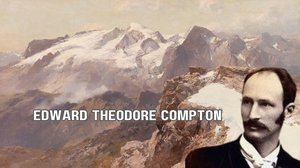
Edward Theodore Compton
1849 - 1921
Datos clave
- Artistic Movement Or Style: Arte alpino
- Artists Or Movements Influenced By This Artist: ['']
- Artists Who Influenced This Artist: ['Impresionismo']
- Date Of Birth: 1849
- Date Of Death: 1921
- Full Name: Edward Theodore Compton
- Nationality: Inglés
- Notable Artworks:
- Deutsch Im Wald von Valdoniello
- Deutsch Grohmannspitze und (rechts) Fünffingerspitzen
- Place Of Birth: Stoke Newington, Londres

