 Ver en contexto
 Enviar
 Compartir
 Detalles

 Descargar
 Similares
 Radiografía
 Presentación de diapositivas
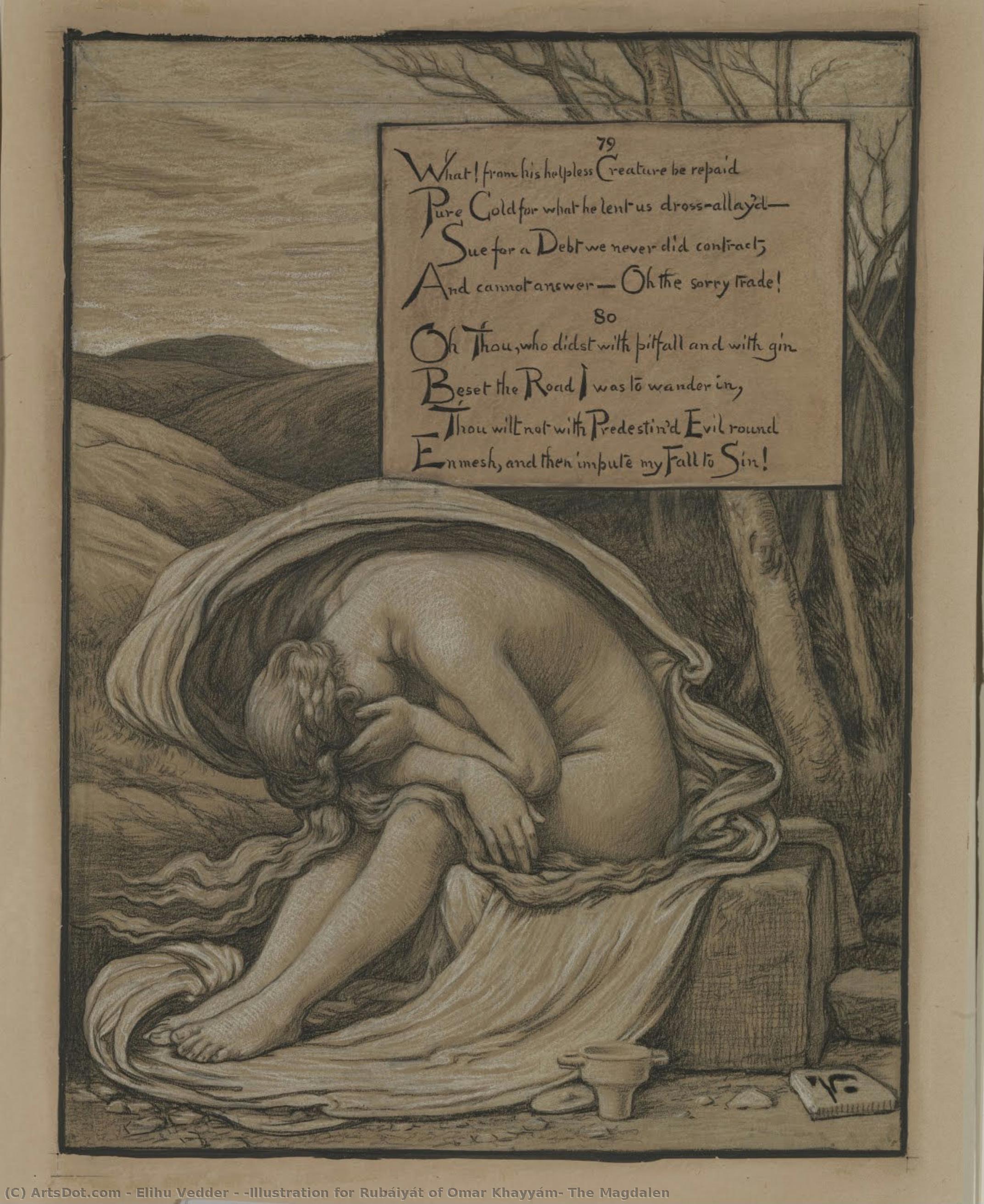
(Illustration for Rubáiyát of Omar Khayyám) The Magdalen


 Ver más
Giclée / Impresión de arte
Impresiones giclée o en lienzo de calidad de museo con producción rápida y opciones de acabado flexibles. ( Comprar pintura hecha a mano Comprar imagen)




P118B $10

P118H $10

P118W $10

P438Z $10

P508JH $12

P508YH $12

P805H $10

P805Z $10

P919BZ $10

P919G $10

P919XJ $10

P959ZH $10

P968JZ $12

W106C $8

W218G $10

W218JH $8

W218Y $10

W307PJ $10

W316G $10

W316PJ $8

W316Y $10

W398PJ $8

W4111J $10

W500HY $15

W500JH $15

W692G $12

W849H $8

W940BG $15

W953PJ $8




Elija entre nuestros tamaños predefinidos que respetan las proporciones originales de la obra.

Puede introducir sus propias dimensiones para adaptarse a un marco o espacio específico. Si el tamaño seleccionado no coincide con las proporciones de la imagen original, recortaremos la obra de arte o extenderemos la imagen con un borde con efecto espejo o de color sólido. Se enviará una maqueta digital para su aprobación antes de que comience la producción.
Tenga en cuenta que la vista previa en pantalla no refleja el recorte o la extensión real. Solo la maqueta mostrará con precisión la composición final.
Aunque existen tamaños personalizados, recomendamos seleccionar una dimensión de la lista predefinida para preservar las proporciones originales.
Envío a todo el mundo () en 2 semanas en lugar de las 4/5 semanas estándar. (31 agosto)

Envío exprés gratuito a todo el mundo

Lienzo de lino de alta calidad

Seguro de envío total

Garantía de reembolso de impuestos aduaneros

Garantía de fidelidad cromática exacta

Política de devolución de 60 días (solo por defectos)

Garantía de devolución del 100% del dinero

Descuento por cantidad
 La opción de vidrio solo está disponible en tamaños inferiores a 110 cm.

(Illustration for Rubáiyát of Omar Khayyám) The Magdalen
Giclée / Impresión de arte
Dimensiones de la reproducción
-


Precio total final
$ 62
The Magdalen: A Study in Melancholy and Spiritual Seeking
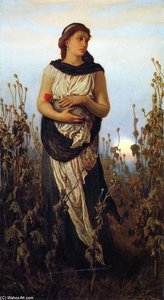
Elihu Vedder’s “The Magdalen,” painted in 1884, is not merely a depiction of a biblical figure; it's a profound meditation on sorrow, redemption, and the enduring human search for solace. This haunting image, rendered in delicate chalk, pencil, and ink on paper, captures a moment of quiet despair within a stark, almost desolate landscape – a visual embodiment of the soul grappling with its past.
Vedder, deeply influenced by the Symbolist movement and his extensive travels through Italy, masterfully employed muted tones and subtle shading to evoke an atmosphere of profound introspection. The woman, identified as Mary Magdalene, is seated on the ground, her head bowed in a gesture of utter defeat. Her simple white dress contrasts sharply with the dark, rocky terrain, emphasizing her isolation and vulnerability. The composition draws the eye immediately to her posture – a poignant blend of resignation and quiet strength. Notice how Vedder uses negative space to amplify the sense of loneliness; the vastness of the landscape mirrors the immensity of her burden.
A Glimpse into Vedder’s Artistic World
Born in New York City in 1836, Elihu Vedder's artistic journey was shaped by a complex and often challenging upbringing. His early years were marked by his father’s relocation to Cuba and subsequent periods spent between Schenectady and boarding school. Despite initial reservations from his family, Vedder relentlessly pursued his passion for art, receiving formal training in New York and later refining his skills in Paris and Italy. It was in Italy that he found a kindred spirit in Giovanni Costa, leading to extended travels before financial constraints forced him back to America.
Vedder’s artistic style evolved significantly over time, moving from early academic realism to the evocative Symbolism of works like “The Magdalen.” His Italian sojourn profoundly impacted his palette and subject matter, introducing a heightened emotionality and a fascination with spiritual themes. He was particularly drawn to the macabre beauty of the Italian landscape and the expressive power of light and shadow – elements he skillfully incorporated into his paintings.
Symbolism and Spiritual Resonance
The figure of Mary Magdalene herself is laden with symbolic weight. Traditionally, she represents repentance and forgiveness—a woman who has experienced profound shame but ultimately found redemption through faith. In Vedder’s rendition, however, the symbolism transcends simple religious narrative. The desolate setting suggests a spiritual wasteland, mirroring the internal struggle of the subject. Her bowed head isn't just an expression of sadness; it speaks to a deep-seated questioning and a yearning for something beyond earthly suffering.
The muted color palette—primarily grays, browns, and whites—contributes significantly to the painting’s somber mood. The lack of vibrant hues reinforces the sense of isolation and despair. Furthermore, the rough texture of the chalk and pencil creates a tactile quality, inviting the viewer to connect with the subject on an emotional level. Vedder's use of light is particularly noteworthy; it’s diffused and melancholic, casting long shadows that accentuate the woman’s vulnerability.
A Timeless Masterpiece
"The Magdalen" remains a powerful testament to Vedder’s artistic vision and his ability to capture the complexities of the human condition. It's a painting that invites contemplation—a reminder of our shared capacity for sorrow, resilience, and the enduring hope for spiritual renewal. Reproductions of this evocative work offer a unique opportunity to bring its profound beauty and emotional depth into any space, serving as a constant source of inspiration and reflection.
Obras relacionadas
Biografía del artista
Vida Temprana y Formación Artística
- Nacimiento: 26 de febrero de 1836, Nueva York City, Estados Unidos
- Fallecimiento: 29 de enero de 1923, Roma, Italia
Elihu Vedder nació en una familia con circunstancias únicas – sus padres eran primos. Su vida temprana fue moldeada por diversas experiencias, incluyendo tiempo pasado en Cuba debido a la reubicación de su padre y periodos entre la casa de su abuelo materno en Schenectady y un internado. A pesar de las reservas iniciales de su padre, sus ambiciones artísticas fueron apoyadas por su madre.
- Formación Temprana: Vedder comenzó su formación formal en Nueva York City bajo la tutela de Tompkins H. Matteson.
- Estudios Europeos: Continuó sus estudios en París con François-Édouard Picot y posteriormente en Italia, donde fue profundamente influenciado por el Renacimiento italiano y los pintores Macchiaioli.
- Influencia Italiana: Su tiempo en Italia fomentó una profunda conexión emocional con su compañero pintor Giovanni Costa, lo que llevó a viajes antes de que las limitaciones financieras lo obligaran a regresar a América.
Carrera y Obras Destacadas
La carrera de Vedder abarcó diversas disciplinas artísticas, desde la pintura y la ilustración hasta el diseño de murales y la poesía. Cultivó amistades con figuras prominentes como Walt Whitman y Herman Melville.
- Ilustraciones para El Rubaiyat: Vedder es quizás mejor conocido por sus cincuenta y cinco ilustraciones que acompañan a la traducción de El Rubaiyat de Omar Khayyam (edición de lujo) de Edward FitzGerald. Estas ilustraciones son consideradas obras maestras del arte simbolista.
- Pinturas Visionarias: Pinturas notables incluyen “El Huevo de la Roca”, “El Pescador y el Genio”, y “Guarida de la Serpiente Marina”, que muestran su estilo visionario y temas imaginativos.
- Trabajo de Murales: Decoró el pasillo de la Sala de Lectura en la Biblioteca del Congreso de Washington con murales, un testimonio de su habilidad como artista decorativo.
- Colaboración con Tiffany: Vedder colaboró con Louis Comfort Tiffany, diseñando cristalería, mosaicos y estatuillas para la compañía Tiffany.
Estilo Artístico e Influencias
El estilo artístico de Vedder se caracteriza por su naturaleza visionaria, imágenes románticas y la frecuente incorporación de influencias orientales.
- Simbolismo: Vedder fue una figura clave en el movimiento simbolista, enfatizando la emoción y el individualismo sobre el realismo estricto.
- Prerrafaelitas: Su tiempo en Inglaterra lo expuso a la Hermandad Prerrafaelita, influyendo en su estilo artístico hacia una mayor claridad y detalle.
- Místicos Ingleses e Irlandeses: Fue influenciado por las obras de William Blake y William Butler Yeats, reflejando una fascinación por el misticismo y la espiritualidad.
- Renacimiento Italiano & Macchiaioli: Sus estudios en Italia moldearon su comprensión de la forma, el color y la composición.
Legado y Años Posteriores
Las contribuciones de Vedder al arte estadounidense se extendieron más allá de la pintura. Ayudó a establecer el grupo In Arte Libertas en Italia y dejó atrás una serie de escritos, incluyendo reflexiones autobiográficas y poesía.
- Afiliación: Vedder fue miembro de la Academia Americana de Artes y Letras.
- Actividades Literarias: Publicó The Digressions of V (1910), Miscellaneous Moods in Verse (1914) y Doubt and Other Things (1922).
- Años Posteriores: Vedder pasó sus últimos años principalmente en Italia, continuando creando arte y escribiendo hasta su muerte en Roma en 1923. Su legado perdura a través de sus evocadoras pinturas e ilustraciones que continúan cautivando al público hoy en día.
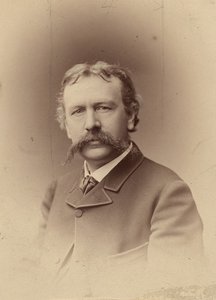
Elihu Vedder
1836 - 1923 , Estados Unidos de América
Datos clave
- Artistas Que Influyeron:
- François-Édouard Picot
- Giovanni Costa
- William Blake
- William Butler Yeats
- Fecha De Fallecimiento: 29 de enero de 1923
- Fecha De Nacimiento: 26 de febrero de 1836
- Lugar De Nacimiento: Ciudad de Nueva York, EE. UU.
- Movimiento Artístico: Simbolismo, Romanticismo
- Nacionalidad: Estadounidense
- Nombre Completo: Elihu Vedder
- Obras Notables:
- El Huevo de la Roca
- El Pescador y el Genio
- Lair of the Sea Serpent
- Ilustraciones del Rubaiyat
Artículos relacionados
Edmund Dulac: A Master of Golden Age Illustration – Exploring Myth, Symbolism & Art Nouveau Legacy
Explore the captivating world of Edmund Dulac, a master of Golden Age illustration! Discover his enchanting fairy tales, Art Nouveau style, and lasting influence on art & design. Learn about *The Rubaiyat* and more.

Angelo Chiacchio: A Mid-Century American Illustration Master & the Rise of Commercial Art
Explore the captivating world of Angelo Chiacchio, a master of mid-century American illustration. Discover his evolution, signature style, and lasting impact on commercial art & design. Learn about his legacy at the Museum of American Illustration.
Kay Rasmus Nielsen: A Golden Age Illustrator's Enchanting Legacy of Symbolism & Narrative
Explore the captivating world of Kay Rasmus Nielsen, a celebrated Golden Age illustrator renowned for his Art Nouveau fairy tale art & Disney contributions. Discover his unique style, enduring legacy, and how to collect his enchanting works.

La Estética Refinada de la Ilustración Victoriana: Narrativa y Técnica en el Arte del Siglo XIX
Descubra la estética refinada de la ilustración victoriana y el impacto revolucionario de los Prerrafaelitas. Análisis profundo de técnicas, narrativa y simbolismo en el arte del siglo XIX.
Arthur Rackham: A Master of British Illustration & the Enchanted Realm of Fairy Tales
Explore the enchanting world of Arthur Rackham (1867-1939), a leading figure in British Golden Age illustration. Discover his iconic fairy tale art, classic book illustrations & lasting legacy. Learn more at ArtsDot.