 Ver en contexto
 Enviar
 Compartir
 Detalles

 Descargar
 Similares
 Radiografía
 Presentación de diapositivas
The Fable of the Miller, His Son, and the Donkey No. 5
 Oil On Canvas
- WallArt
- Symbolism
 1867
1867- 19th Century
 17.0 x 27.0 cm
 Museo Metropolitano de Arte
 Ver más
Giclée / Impresión de arte
Impresiones giclée o en lienzo de calidad de museo con producción rápida y opciones de acabado flexibles. ( Comprar pintura hecha a mano Comprar imagen)




P118B $10

P118H $10

P118W $10

P438Z $10

P508JH $12

P508YH $12

P805H $10

P805Z $10

P919BZ $10

P919G $10

P919XJ $10

P959ZH $10

P968JZ $12

W106C $8

W218G $10

W218JH $8

W218Y $10

W307PJ $10

W316G $10

W316PJ $8

W316Y $10

W398PJ $8

W4111J $10

W500HY $15

W500JH $15

W692G $12

W849H $8

W940BG $15

W953PJ $8




Elija entre nuestros tamaños predefinidos que respetan las proporciones originales de la obra.

Puede introducir sus propias dimensiones para adaptarse a un marco o espacio específico. Si el tamaño seleccionado no coincide con las proporciones de la imagen original, recortaremos la obra de arte o extenderemos la imagen con un borde con efecto espejo o de color sólido. Se enviará una maqueta digital para su aprobación antes de que comience la producción.
Tenga en cuenta que la vista previa en pantalla no refleja el recorte o la extensión real. Solo la maqueta mostrará con precisión la composición final.
Aunque existen tamaños personalizados, recomendamos seleccionar una dimensión de la lista predefinida para preservar las proporciones originales.
Envío a todo el mundo () en 2 semanas en lugar de las 4/5 semanas estándar. (5 septiembre)

Envío exprés gratuito a todo el mundo

Lienzo de lino de alta calidad

Seguro de envío total

Garantía de reembolso de impuestos aduaneros

Garantía de fidelidad cromática exacta

Política de devolución de 60 días (solo por defectos)

Garantía de devolución del 100% del dinero

Descuento por cantidad
 La opción de vidrio solo está disponible en tamaños inferiores a 110 cm.

The Fable of the Miller, His Son, and the Donkey No. 5
Giclée / Impresión de arte
Dimensiones de la reproducción
-


Precio total final
$ 62
A Rustic Tale Painted in Stone and Shadow: Elihu Vedder’s “The Fable of the Miller, His Son, and the Donkey No. 5”
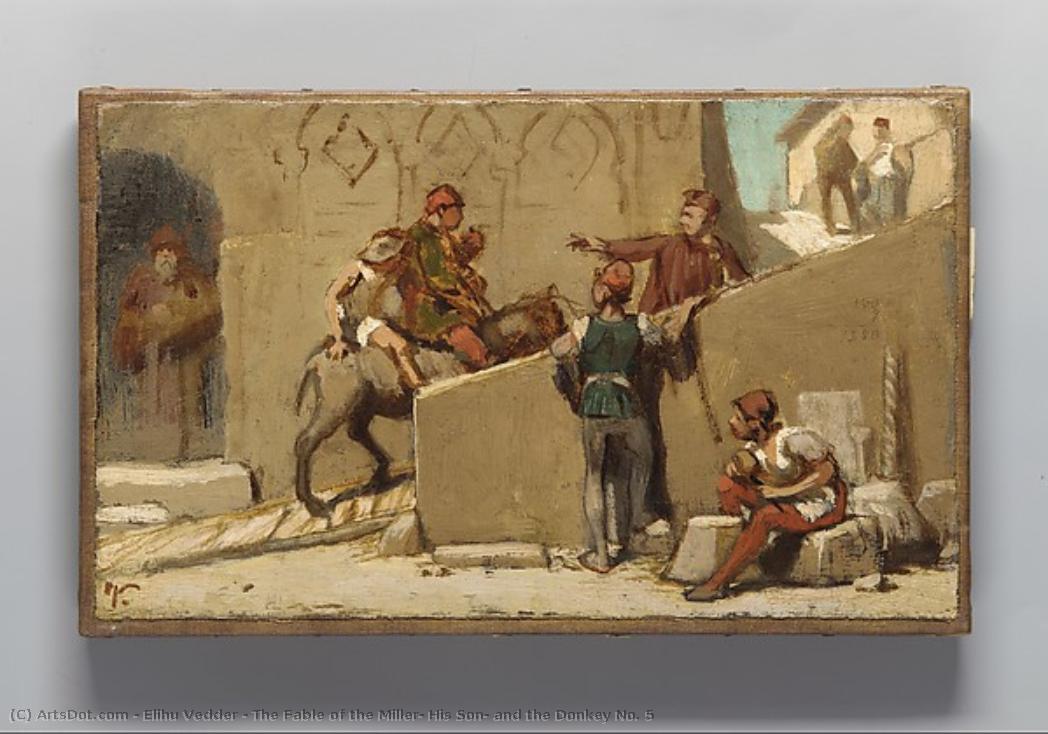
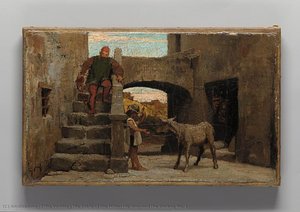
Elihu Vedder's "The Fable of the Miller, His Son, and the Donkey No. 5," painted in 1867, isn’t merely a depiction of a classic Aesop fable; it’s a poignant meditation on human folly, the relentless pursuit of approval, and the quiet dignity of acceptance. This small yet powerfully resonant oil painting, measuring just 17 x 27 cm, transports us to a sun-drenched Italian landscape—a setting meticulously chosen by Vedder to evoke the timelessness of the story itself—where a weary miller and his son grapple with the capricious judgments of passersby. The scene unfolds within a modest stone structure, its walls hinting at both shelter and confinement, mirroring the characters’ own predicament. Vedder masterfully employs a muted palette dominated by earthy ochres, warm browns, and subtle beiges, creating an atmosphere of quiet contemplation—a deliberate choice that underscores the painting's thematic weight rather than relying on dramatic color contrasts. The brushwork is deliberately loose and impressionistic; visible strokes suggest movement and texture, imbuing the scene with a sense of immediacy and capturing the fleeting nature of human interaction.A Symbolist Vision Rooted in Italian Renaissance Influence
Vedder’s work firmly resides within the Symbolist movement, yet he transcends simple imitation, forging his own unique visual language. His debt to the Italian Renaissance is palpable—particularly in the careful rendering of architectural details and the use of light and shadow, reminiscent of masters like Leonardo da Vinci and Raphael. However, Vedder departs from traditional academic realism, prioritizing emotional resonance over photographic accuracy. The figures are simplified, almost archetypal, embodying universal human experiences rather than representing specific individuals. This stylistic choice aligns perfectly with Symbolism’s core tenets: to express ideas and emotions through suggestive imagery, often drawing upon mythology, folklore, and dreamlike states. The painting's connection to the Macchiaioli movement—Italian painters who favored loose brushwork and capturing fleeting moments of light—further informs its expressive quality, adding a vibrant energy beneath the surface of apparent stillness.Decoding the Narrative: Folly, Frustration, and Fatal Missteps
At first glance, the scene appears straightforward: a miller and his son attempt to navigate a marketplace or public space, encountering a series of critical comments regarding their handling of the donkey. Yet, Vedder layers this simple narrative with profound symbolism. The donkey itself represents burdens—both literal and metaphorical—that we often carry through life, burdened by expectations, judgments, and the relentless pressure to please others. Each critique from the onlookers highlights the futility of seeking external validation; no matter how carefully one adjusts their actions, someone will always find fault. The painting’s central tension arises from the father's increasingly desperate attempts to appease these critics—a cycle that ultimately leads to a tragic outcome: the donkey’s demise. This isn’t simply a story about a lost animal; it’s an allegory for the destructive nature of vanity and the impossibility of satisfying everyone.The Artistry of Observation and Emotional Resonance
Vedder's skill lies not just in his technical proficiency but also in his ability to capture the essence of human behavior through careful observation. The composition is remarkably balanced, drawing the eye across the crowded scene while subtly emphasizing the characters’ isolation. The use of linear perspective creates a sense of depth, guiding the viewer into the heart of the drama. Notice how Vedder renders the textures—the rough stone walls, the worn clothing of the figures, and the coarse fur of the donkey—adding tactile richness to the image. The lighting, diffused and naturalistic, casts long shadows that heighten the painting’s melancholic mood. Ultimately, “The Fable of the Miller, His Son, and the Donkey No. 5” is a testament to Vedder's profound understanding of human nature—a timeless masterpiece that continues to resonate with viewers today, prompting reflection on our own desires for approval and the inherent limitations of seeking it from others.A Legacy of Symbolist Vision: Exploring Related Works
Elihu Vedder’s artistic journey is richly documented, beginning in New York City under Tompkins H. Matteson before he spent formative years studying in Paris with François-Édouard Picot and later immersing himself in the vibrant art scene of Italy. His time there profoundly shaped his style, fostering a deep connection to Italian Renaissance ideals while simultaneously embracing Symbolist principles. Explore related works such as “The Fable of the Miller, His Son, and the Donkey No. 1” and “The Fable of the Miller, His Son, and the Donkey No. 2,” each offering unique perspectives on this enduring fable. Furthermore, consider Vedder’s illustrations for Edward FitzGerald's "Rubaiyat of Omar Khayyam," a project that cemented his reputation as a visionary artist capable of blending classical allusions with evocative symbolism.- Useful Links: Wikipedia
- Artworks Database: The Fable of the Miller, His Son, and the Donkey No. 1
- Artworks Database: The Fable of the Miller, His Son, and the Donkey No. 5
- Artists Database: Elihu Vedder
Obras relacionadas
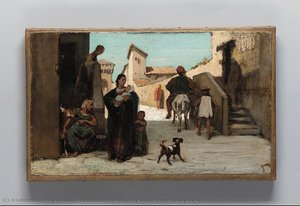
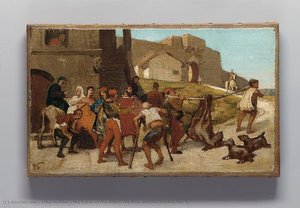
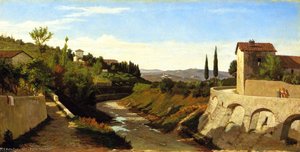
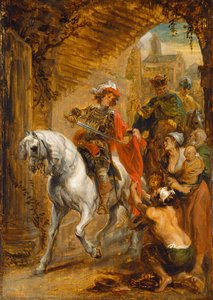
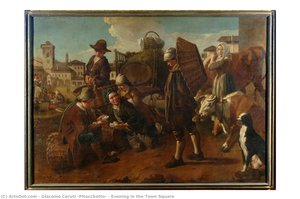
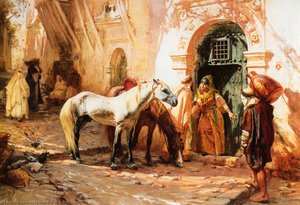
Biografía del artista
Vida Temprana y Formación Artística
- Nacimiento: 26 de febrero de 1836, Nueva York City, Estados Unidos
- Fallecimiento: 29 de enero de 1923, Roma, Italia
Elihu Vedder nació en una familia con circunstancias únicas – sus padres eran primos. Su vida temprana fue moldeada por diversas experiencias, incluyendo tiempo pasado en Cuba debido a la reubicación de su padre y periodos entre la casa de su abuelo materno en Schenectady y un internado. A pesar de las reservas iniciales de su padre, sus ambiciones artísticas fueron apoyadas por su madre.
- Formación Temprana: Vedder comenzó su formación formal en Nueva York City bajo la tutela de Tompkins H. Matteson.
- Estudios Europeos: Continuó sus estudios en París con François-Édouard Picot y posteriormente en Italia, donde fue profundamente influenciado por el Renacimiento italiano y los pintores Macchiaioli.
- Influencia Italiana: Su tiempo en Italia fomentó una profunda conexión emocional con su compañero pintor Giovanni Costa, lo que llevó a viajes antes de que las limitaciones financieras lo obligaran a regresar a América.
Carrera y Obras Destacadas
La carrera de Vedder abarcó diversas disciplinas artísticas, desde la pintura y la ilustración hasta el diseño de murales y la poesía. Cultivó amistades con figuras prominentes como Walt Whitman y Herman Melville.
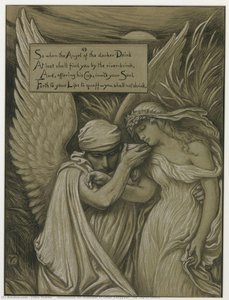
- Ilustraciones para El Rubaiyat: Vedder es quizás mejor conocido por sus cincuenta y cinco ilustraciones que acompañan a la traducción de El Rubaiyat de Omar Khayyam (edición de lujo) de Edward FitzGerald. Estas ilustraciones son consideradas obras maestras del arte simbolista.
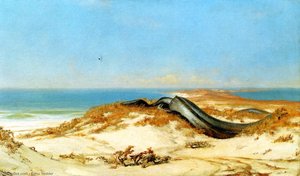
- Pinturas Visionarias: Pinturas notables incluyen “El Huevo de la Roca”, “El Pescador y el Genio”, y “Guarida de la Serpiente Marina”, que muestran su estilo visionario y temas imaginativos.
- Trabajo de Murales: Decoró el pasillo de la Sala de Lectura en la Biblioteca del Congreso de Washington con murales, un testimonio de su habilidad como artista decorativo.
- Colaboración con Tiffany: Vedder colaboró con Louis Comfort Tiffany, diseñando cristalería, mosaicos y estatuillas para la compañía Tiffany.
Estilo Artístico e Influencias
El estilo artístico de Vedder se caracteriza por su naturaleza visionaria, imágenes románticas y la frecuente incorporación de influencias orientales.
- Simbolismo: Vedder fue una figura clave en el movimiento simbolista, enfatizando la emoción y el individualismo sobre el realismo estricto.
- Prerrafaelitas: Su tiempo en Inglaterra lo expuso a la Hermandad Prerrafaelita, influyendo en su estilo artístico hacia una mayor claridad y detalle.
- Místicos Ingleses e Irlandeses: Fue influenciado por las obras de William Blake y William Butler Yeats, reflejando una fascinación por el misticismo y la espiritualidad.
- Renacimiento Italiano & Macchiaioli: Sus estudios en Italia moldearon su comprensión de la forma, el color y la composición.
Legado y Años Posteriores
Las contribuciones de Vedder al arte estadounidense se extendieron más allá de la pintura. Ayudó a establecer el grupo In Arte Libertas en Italia y dejó atrás una serie de escritos, incluyendo reflexiones autobiográficas y poesía.
- Afiliación: Vedder fue miembro de la Academia Americana de Artes y Letras.
- Actividades Literarias: Publicó The Digressions of V (1910), Miscellaneous Moods in Verse (1914) y Doubt and Other Things (1922).
- Años Posteriores: Vedder pasó sus últimos años principalmente en Italia, continuando creando arte y escribiendo hasta su muerte en Roma en 1923. Su legado perdura a través de sus evocadoras pinturas e ilustraciones que continúan cautivando al público hoy en día.
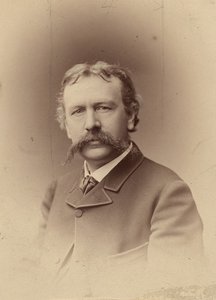
Elihu Vedder
1836 - 1923 , Estados Unidos de América
Datos clave
- Artistas Que Influyeron:
- François-Édouard Picot
- Giovanni Costa
- William Blake
- William Butler Yeats
- Fecha De Fallecimiento: 29 de enero de 1923
- Fecha De Nacimiento: 26 de febrero de 1836
- Lugar De Nacimiento: Ciudad de Nueva York, EE. UU.
- Movimiento Artístico: Simbolismo, Romanticismo
- Nacionalidad: Estadounidense
- Nombre Completo: Elihu Vedder
- Obras Notables:
- El Huevo de la Roca
- El Pescador y el Genio
- Lair of the Sea Serpent
- Ilustraciones del Rubaiyat
Artículos relacionados
Más Allá de la Realidad: El Simbolismo y su Profundo Impacto en la Pintura (1880-1910)
Descubre el fascinante mundo de la pintura simbolista (1880-1910). Análisis profundo de sus orígenes, características, artistas clave y temas recurrentes. Un viaje a través del misticismo y los sueños en el arte.
Eugène Carrière: The 'Peintre d'Âme' & Symbolist Portraiture’s Intimate Vision
Explore the haunting world of Eugène Carrière, a pivotal French Symbolist artist known for his deeply intimate portraits & 'peinture d'âme'. Discover his life, style, and lasting influence on modern masters like Picasso. Shop high-quality reproductions at ArtsDot.
Giovanni Segantini: Capturing Alpine Light & Symbolist Visions
Explore the captivating world of Giovanni Segantini, master of Alpine landscapes & Symbolist art. Discover his innovative techniques, allegorical masterpieces like 'La Vita,' and enduring legacy. Learn about this pivotal 19th-century Italian painter.
El Reino Evocador del Simbolismo: Explorando el Significado y el Misticismo en el Arte de Finales del Siglo XIX
Descubre el fascinante mundo del Simbolismo en el arte de finales del siglo XIX. Análisis profundo de sus características, artistas clave como Moreau y Musatov, y su legado perdurable. ¡Explora la belleza oculta!
Symbolism & the Subconscious: How 19th-Century Artists Painted Dreams and Emotion
Explore the evocative world of 19th-century Symbolism. Discover how masters like Gustave Moreau used dreams, myth, and metaphor to paint the subconscious, moving beyond realism to capture profound human emotion and spiritual truth.