 Enviar
 Compartir
 Detalles

 Descargar
 Similares
 Presentación de diapositivas
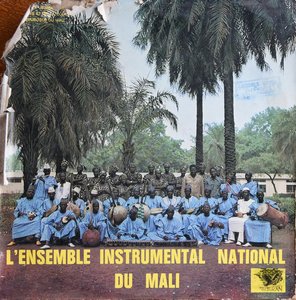
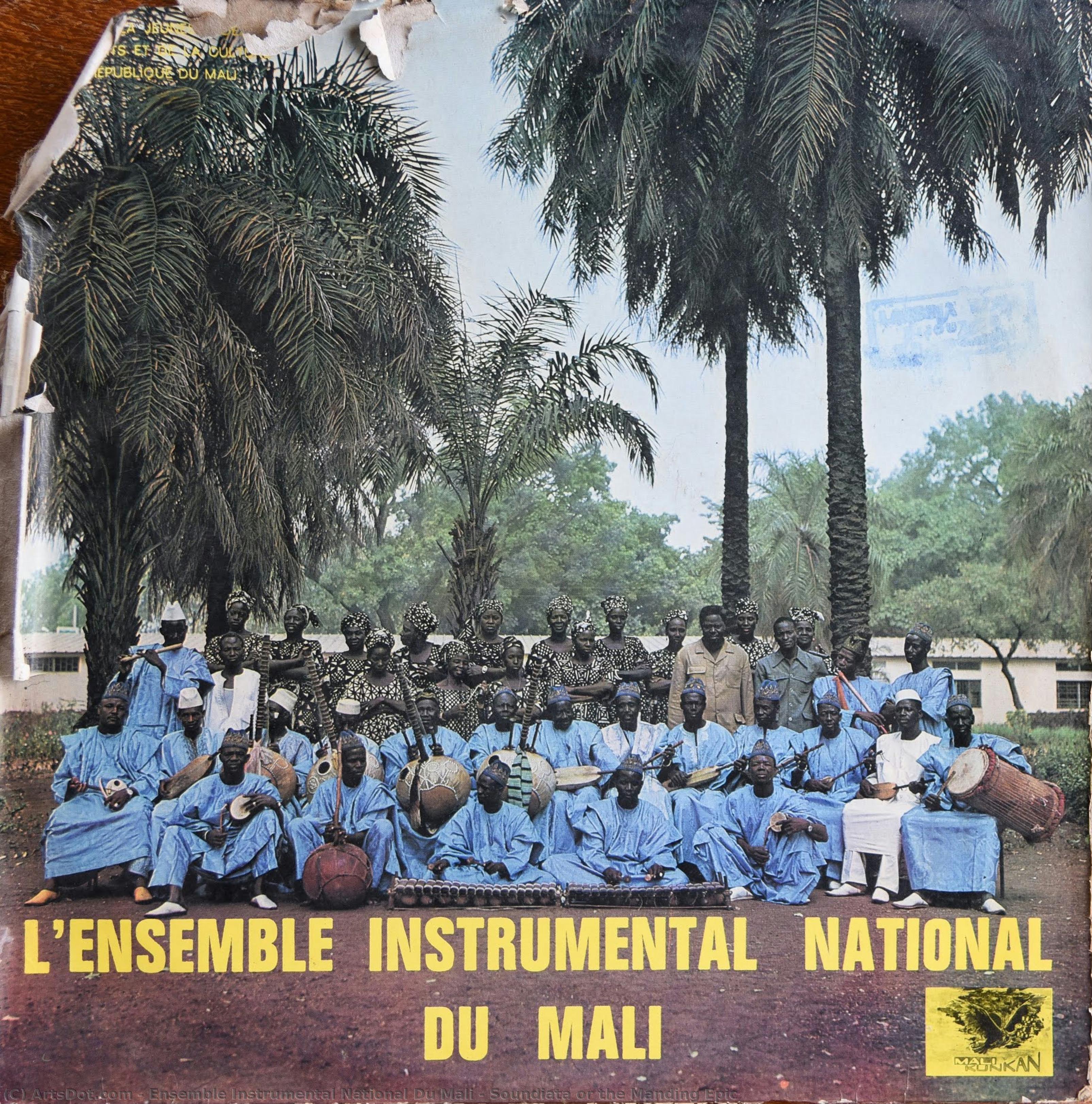
Soundiata or the Manding Epic


 Ver más
Adquiera una imagen digital de alta resolución y optimizada, muy superior a la vista previa en línea.
Cada archivo es preparado meticulosamente por nuestros especialistas internos mediante el uso de herramientas avanzadas y un experto retoque manual. Nos aseguramos de que cada imagen posea una claridad excepcional, una precisión cromática impecable y un detalle minucioso.
El archivo final se entrega por correo electrónico en un plazo de 72 horas, optimizado para su uso inmediato en entornos profesionales, editoriales y de impresión. Esta es la misma calidad en la que confían los estudios de diseño, las editoriales y las galerías de primer nivel.
Imagen Digital
Descarga un archivo de alta resolución para exhibición personal, impresión y proyectos creativos. ( Comprar impresión Comprar pintura hecha a mano)
Incluido en cada pedido de imágenes digitales
Entrega digital experta, garantizada.
Al elegir ArtsDot.com, no solo está adquiriendo una imagen; está recibiendo una obra de arte digital mejorada profesionalmente, elaborada con precisión y respaldada por una garantía de satisfacción. Esto es todo lo que incluye su pedido, automáticamente:

Entrega rápida por email
Recibirá su archivo de imagen digital en alta resolución por correo electrónico en un plazo de 72 horas tras realizar su pedido, listo para su uso inmediato.

Archivo digital optimizado por IA
Su obra de arte se optimiza profesionalmente mediante herramientas avanzadas de IA y edición manual, garantizando el máximo detalle, claridad y precisión cromática.

Reenvío gratuito de por vida
¿Has borrado o perdido tu archivo por error? No te preocupes: te lo volveremos a enviar en cualquier momento, sin coste adicional.

Sin gastos de importación, siempre
Disfrute de su obra de arte al instante sin aduanas, aranceles ni gastos de envío; las descargas digitales siempre están libres de impuestos.

Garantía de fidelidad de color
Garantizamos que su imagen digital refleje los colores originales con la mayor fidelidad posible, mediante el uso de herramientas profesionales y gestión del color.

Garantía de satisfacción de 60 días
Si no está satisfecho con su imagen digital, la revisaremos o le reembolsaremos el 100% en un plazo de 60 días, sin preguntas.

100% Garantía de devolución de dinero
¿No está satisfecho? Obtenga un reembolso completo dentro de los 60 días posteriores a la recepción de su archivo digital, sin necesidad de explicaciones.

Descuentos por pedidos grandes
Compra 3 imágenes, ahorra 10% - Compra 5, ahorra 15% - Compra 10+, ahorra 20%. Ideal para proyectos creativos, galerías y agencias.
Obras relacionadas
![Les Apprentis Mécanicians Au Garage Dramane [trainees At The Garage Dramane - Car Repair Shop] — Malick Sidibé, Contemporary Realism](/media/artworks/images-thumb/46/ad/46ad88f7fa24ecc51ecb44b49a2a6c55.jpg)
Biografía del artista
The Voices of a Nation: Ensemble Instrumental National Du Mali
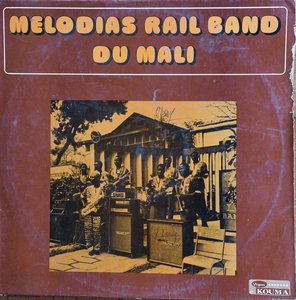
The Ensemble Instrumental National du Mali, often simply known as the Malian National Instrument Ensemble, represents far more than just a musical group; it is a living embodiment of West African cultural heritage. Founded in 1961 following independence from France, the ensemble was conceived as a deliberate act of nation-building, a project to collect, preserve, and promote the diverse musical traditions that constituted Mali’s identity. In a newly independent nation striving to forge its own path, music became a powerful tool for unity and self-expression. The initial impetus came from the Ministry of Culture, recognizing the urgent need to document oral traditions before they were lost amidst modernization and globalization. The ensemble wasn't created as a homogenous unit but rather as a collective of master musicians representing different ethnic groups – Bambara, Mandinka, Soninke, Dogon, Peulh (Fulani), and others – each bringing their unique instruments, vocal styles, and repertoire to the table. This deliberate inclusivity was crucial; it wasn’t about creating a single “Malian” sound but celebrating the rich tapestry of sounds *within* Mali. Early expeditions across the country were undertaken, recording performances, transcribing melodies, and learning directly from griots – the traditional storytellers, musicians, and keepers of history.A Synthesis of Tradition and Innovation
The early years of the Ensemble Instrumental National du Mali were dedicated to this intensive process of documentation and arrangement. Rather than simply replicating existing performances, the ensemble began a fascinating experiment in synthesis. Traditional instruments like the *ngoni* (a lute-like instrument), the *kora* (a 21-string harp-lute), the *balafon* (a wooden xylophone), various drums (*djembe*, *dunun*, etc.), and flutes were combined with Western orchestral instruments – violins, cellos, trumpets – creating a unique sonic landscape. This wasn’t about imposing Western aesthetics onto Malian music; instead, it was an attempt to find common ground, to explore the possibilities of dialogue between different musical worlds. Arrangements often involved layering complex polyrhythms with melodic lines played on both traditional and Western instruments, resulting in pieces that were simultaneously deeply rooted in African tradition and strikingly modern. This innovative approach quickly gained international recognition. The ensemble’s performances weren't merely concerts; they were immersive experiences, often accompanied by dance, storytelling, and elaborate costumes, offering audiences a glimpse into the vibrant cultural life of Mali. Key figures during this period included Djelimady Tounkara, a master *ngoni* player who became a central figure in shaping the ensemble’s sound, and Lamine Soumano, renowned for his virtuosity on the *kora*.Global Ambassadors of Malian Culture
Throughout the 1970s and 80s, the Ensemble Instrumental National du Mali embarked on numerous international tours, becoming de facto ambassadors of Malian culture. They performed at prestigious venues around the world – Carnegie Hall in New York, the Olympia in Paris, festivals across Europe and Asia – captivating audiences with their energetic performances and unique sound. These tours weren’t just about showcasing Malian music; they were also opportunities for cultural exchange, fostering understanding and appreciation between different cultures. The ensemble collaborated with musicians from various backgrounds, further expanding its musical horizons. Recordings during this period helped to solidify the ensemble's reputation. Albums like “Mali Koura” (1978) and “N’Goni Ba” (1982) became seminal works in world music, introducing audiences to the beauty and complexity of Malian musical traditions. The ensemble also played a crucial role in inspiring a new generation of Malian musicians, paving the way for artists like Salif Keita, Toumani Diabaté, and Ali Farka Touré who would later achieve international stardom.Challenges and Continued Legacy
Despite its success, the Ensemble Instrumental National du Mali faced numerous challenges over the years. Political instability in Mali, coupled with economic difficulties, led to funding cuts and a decline in support for cultural institutions. The ensemble experienced periods of inactivity and internal strife, as musicians struggled to maintain their artistic vision amidst changing circumstances. However, despite these setbacks, the spirit of the ensemble endured. In recent decades, there have been renewed efforts to revitalize the group, with younger generations of musicians joining forces with veteran members to continue its mission.- The ensemble continues to perform and record, albeit on a smaller scale.
- Workshops and educational programs are organized to transmit traditional musical knowledge to future generations.
- Collaborations with contemporary artists help to keep the music relevant and accessible to new audiences.