 Ver en contexto
 Enviar
 Compartir
 Detalles

 Descargar
 Similares
 Radiografía
 Presentación de diapositivas
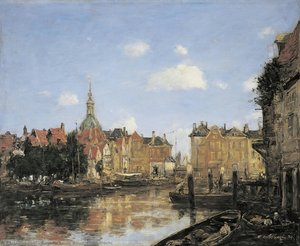
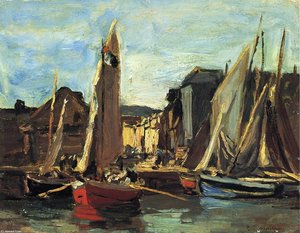
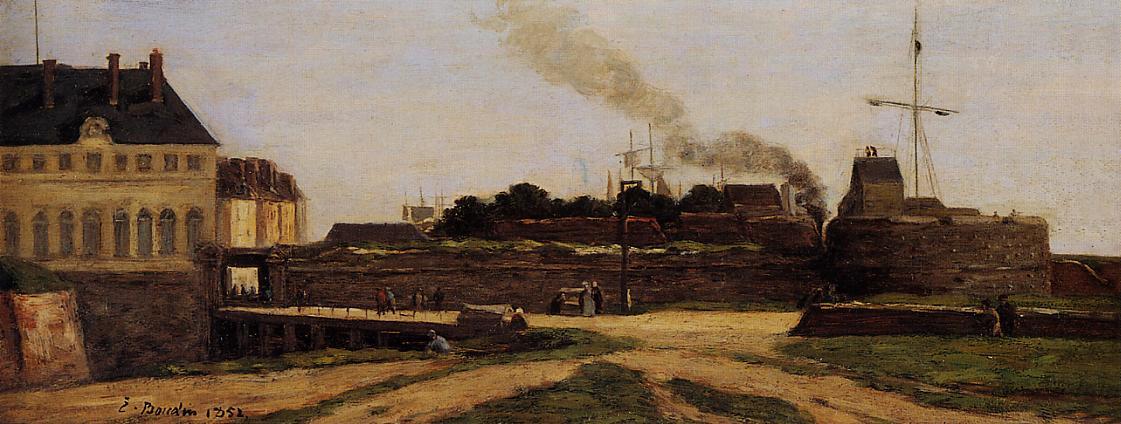
Le Havre, the Town Hotel and the Francois I Tower


 Ver más
Reproducción al óleo hecha a mano
Óleo sobre lienzo pintado a mano en el tamaño y marco de su elección, realizado por encargo por nuestros artistas. ( Comprar impresión Comprar imagen)




P118B $10

P118H $10

P118W $10

P438Z $10

P508JH $12

P508YH $12

P805H $10

P805Z $10

P919BZ $10

P919G $10

P919XJ $10

P959ZH $10

P968JZ $12

W106C $8

W218G $10

W218JH $8

W218Y $10

W307PJ $10

W316G $10

W316PJ $8

W316Y $10

W398PJ $8

W4111J $10

W500HY $15

W500JH $15

W692G $12

W849H $8

W940BG $15

W953PJ $8




Elija entre nuestros tamaños predefinidos que respetan las proporciones originales de la obra.

Puede ingresar sus propias dimensiones para adaptarse a un marco o espacio específico. Si el tamaño seleccionado no coincide con las proporciones de la imagen original, recortaremos la obra o extenderemos la pintura con elementos adicionales pintados a mano. Se le enviará una maqueta digital para su aprobación antes de comenzar la producción.
Tenga en cuenta que la vista previa en pantalla no refleja el recorte o la extensión reales. Solo la maqueta mostrará con precisión la composición final.
Si bien existen tamaños personalizados, recomendamos seleccionar una dimensión de la lista predefinida para preservar las proporciones originales.
Tras realizar el pedido, el equipo de ArtsDot.com enviará un correo electrónico al cliente para solicitar instrucciones y proporcionarle una vista previa del boceto.
Envío a todo el mundo () en 3-4 semanas en lugar de las 5 semanas estándar. (3 septiembre). Sin comprometer la calidad.

Envío exprés gratuito a todo el mundo

Lienzo de lino de alta calidad

Seguro de envío total

Garantía de reembolso de impuestos aduaneros

Garantía de fidelidad cromática exacta

Política de devolución de 60 días (solo por defectos)

Garantía de devolución del 100% del dinero

Descuento por cantidad
 La opción de vidrio solo está disponible en tamaños inferiores a 110 cm.

Le Havre, the Town Hotel and the Francois I Tower
Técnica de reproducción
Dimensiones de la reproducción
-


Precio total final
$ 263
Eugène Louis Boudin: Capturing Light and Atmosphere in Le Havre
Eugène Louis Boudin (1824-1898), a pivotal figure in the burgeoning Impressionist movement, stands as an enduring testament to the transformative power of plein air painting—the practice of creating artwork outdoors directly from observation. Born in Honfleur, France, Boudin’s formative years were steeped in the maritime traditions of his hometown, where he witnessed firsthand the capricious dance between light and water – experiences that would indelibly shape his artistic vision.
Rather than adhering to the rigid conventions of academic art academies, Boudin embarked on a path of independent exploration, beginning his working life aboard steamboats traversing between Le Havre and Honfleur at just ten years old. It was during these voyages that he discovered his innate talent for capturing fleeting impressions of light and color with rapid sketches in the margins of his books—a habit that foreshadowed his lifelong dedication to portraying the natural world with unprecedented accuracy and emotional resonance.
His relocation to Le Havre, where his father established a shop for stationery and picture frames, solidified Boudin’s immersion within an artistic milieu. He diligently honed his skills alongside his family, eventually establishing his own modest atelier—a space dedicated to fostering creativity and pursuing artistic excellence. This environment nurtured his ability to translate the sensory experience of nature onto canvas with remarkable sensitivity.
“Le Havre, the Town Hotel and the Francois I Tower”: A Study in Coastal Realism
"Le Havre, the Town Hotel and the François I Tower," painted in 1859, exemplifies Boudin’s masterful embrace of Realism—a stylistic approach that prioritized truthful representation over idealized beauty. Unlike Romantic painters who sought to evoke emotion through dramatic landscapes and fantastical narratives, Boudin focused on capturing the tangible qualities of his surroundings with meticulous detail.
The painting depicts Le Havre harbor during a period of significant industrial expansion, reflecting the burgeoning economic dynamism of France in the mid-nineteenth century. Boudin skillfully renders the imposing Town Hotel—a symbol of civic pride and architectural grandeur—its façade bathed in warm sunlight. Adjacent to it is the bustling docks, where steamboats emit plumes of smoke, conveying a palpable sense of activity and progress.
Dominating the composition is the François I Tower—a monumental structure commemorating the reign of Francis I, representing France’s historical legacy amidst the rapid transformations of modernity. Boudin's masterful use of light—particularly the diffused glow emanating from the tower—creates an atmosphere of contemplative serenity, inviting viewers to contemplate the interplay between past and present.
Technique and Impressionistic Vision
Boudin’s technique is characterized by loose brushstrokes and a vibrant palette—elements that are hallmarks of Impressionism. He eschewed blending colors on the palette entirely, opting instead for juxtaposing complementary hues directly onto the canvas to achieve luminous effects. This approach allowed him to capture the subtle nuances of light and color as they shifted throughout the day.
Furthermore, Boudin meticulously observed atmospheric conditions—such as haze and mist—incorporating these elements into his paintings to heighten their emotional impact. By conveying the ephemeral beauty of nature with unwavering honesty, Boudin cemented his place as one of the pioneers of Impressionism—a movement that irrevocably altered the course of art history.
Symbolic Resonance: Light, Industry, and Heritage
"Le Havre, the Town Hotel and the François I Tower" transcends mere visual representation; it embodies profound symbolic resonance. The tower stands as a reminder of France’s enduring cultural heritage—a bastion against the encroaching forces of industrialization. Simultaneously, the harbor scene celebrates the dynamism of economic progress—the transformative influence of steam power on maritime trade.
However, most importantly, Boudin's painting captures the essence of human experience—the quiet contemplation afforded by observing the natural world and appreciating its sublime beauty. Through his unwavering commitment to capturing light and atmosphere with unparalleled sensitivity, Boudin bequeathed to posterity a timeless masterpiece that continues to inspire awe and admiration.
Obras relacionadas
Biografía del artista
Vida Temprana y Carrera
Eugène Louis Boudin, un renombrado pintor francés, nació el 12 de julio de 1824 en Honfleur, Francia. Era hijo de un piloto portuario y desarrolló una fuerte afinidad por el mar desde temprana edad. Su viaje artístico comenzó con su trabajo en un barco de vapor entre Le Havre y Honfleur a la edad de 10 años.Influencias Artísticas y Estilo
El estilo de Boudin estuvo fuertemente influenciado por los maestros holandeses del siglo XVII, particularmente después de conocer a Johan Jongkind, quien lo introdujo a la pintura "en plein air" (al aire libre). Este enfoque le permitió capturar la luz cambiante y los colores del mundo natural. Sus pasteles, caracterizados como sumarios y económicos, atrajeron una atención significativa por parte de Charles Baudelaire y Corot, quien lo llamó el “rey de los cielos”.Obras Destacadas y Exposiciones
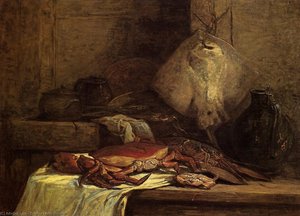
- Still Life with Lobster on a White Tablecloth (Nature Morte au Homard sur un Nappe Blanche), ahora en el High Museum of Art de Atlanta, muestra el enfoque sobrio pero noble de Boudin hacia las pinturas de bodegón.
- La participación de Boudin en la primera exposición impresionista en 1873, junto con Claude Monet y otros jóvenes artistas, solidificó su influencia en el mundo del arte.
- Su obra se puede encontrar en varios museos, incluyendo el Musée d'Orsay en París, que alberga varias de sus pinturas, como Landscape with Sunset.
Logros y Reconocimiento
A lo largo de su carrera, Boudin recibió numerosos elogios, incluyendo una medalla de tercer lugar en el Salón de París de 1881 y una medalla de oro en la Exposición Universal de 1889. En 1892, fue nombrado Caballero de la Legión de Honor.Legado e Importancia Histórica
El legado de Eugène Louis Boudin se extiende más allá de su propia obra, ya que jugó un papel fundamental en dar forma a las carreras de jóvenes artistas como Claude Monet. El Premio Eugène Boudin, otorgado por la Société Nationale des Beaux-Arts, es un testimonio de su influencia duradera en el mundo del arte. Boudin es considerado una figura clave en la transición hacia el impresionismo y su enfoque "en plein air" sentó las bases para muchos artistas posteriores. Su capacidad para capturar la atmósfera y la luz fugaz lo convierte en un precursor importante del movimiento impresionista, y su influencia se puede ver claramente en el trabajo de Monet y otros artistas que siguieron sus pasos.- Vea más obras de Boudin en https://ArtsDot.com/@/eugene-louis-boudin
- Explore la colección del Musée d'Orsay, que presenta varias pinturas de Boudin, en https://ArtsDot.com/@@/a@d3aulp-discover-the-charm-of-musee-eugene-boudin-(france)-and-its-impressionist-ma..
- Aprenda más sobre el arte francés y su historia en https://en.wikipedia.org/wiki/french_art
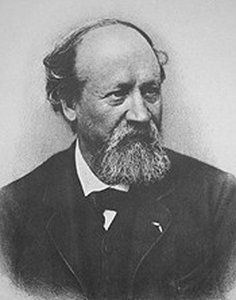
Eugène Louis Boudin
1824 - 1898 , Francia
Datos clave
- Artistas Que Influyeron:
- Johan Jongkind
- Charles Baudelaire
- Corot
- Estilo Artístico: Impresionismo temprano
- Fecha De Muerte: 8 de agosto de 1898
- Fecha De Nacimiento: 12 de julio de 1824
- Influenciado A Artistas: ['Claude Monet']
- Lugar De Nacimiento: Honfleur, Francia
- Nacionalidad: Francesa
- Nombre Completo: Eugène Louis Boudin
- Obras Notables:
- Naturaleza muerta con langosta
- Paisaje con atardecer
- Marina
- Fecamp, el puerto
Artículos relacionados
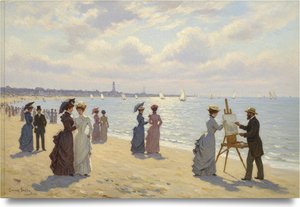
Eugène Boudin: Capturing Fleeting Moments – A Study of Light, Atmosphere & the Birth of Impressionism
Explore the life & art of Eugène Boudin, a pioneer of plein air painting and key influence on Impressionism. Discover his masterful light studies & atmospheric seascapes – a foundational figure in modern art history.

Paul Cézanne: Las 25 Obras Maestras que Definieron el Arte Moderno | ArtsDot
Descubre las 25 obras maestras de Paul Cézanne que revolucionaron el arte moderno. Explora su técnica, inspiración y significado en paisajes, bodegones y retratos. Reproducciones de alta calidad para decorar tu hogar con arte inolvidable. ¡Explora la colección completa en ArtsDot.com!

Los 10 Maestros del Paisaje Impresionista: Obras que Cambiaron la Historia del Arte
Descubre los 10 lienzos impresionistas que revolucionaron el arte. Explora la historia de Monet, Van Gogh y Renoir, sus técnicas y colores vibrantes. Encuentra reproducciones de alta calidad para decorar tu hogar en ArtsDot.com

Evocations of Place: A Historical Journey Through Landscape Art
Explore the rich history of landscape art with ArtsDot. Discover renowned artists, movements like Impressionism & Romanticism, and expert guidance for collecting timeless pieces. Find your perfect serene escape today!
Los 10 Maestros del Paisaje Impresionista: Obras que Cambiaron la Historia del Arte
Descubre los 10 lienzos impresionistas que revolucionaron el arte. Monet, Renoir y más… Explora la historia, técnica y belleza de cada obra maestra. Encuentra reproducciones de alta calidad para tu hogar en ArtsDot.com.