 Ver en contexto
 Enviar
 Compartir
 Detalles

 Descargar
 Similares
 Radiografía
 Presentación de diapositivas
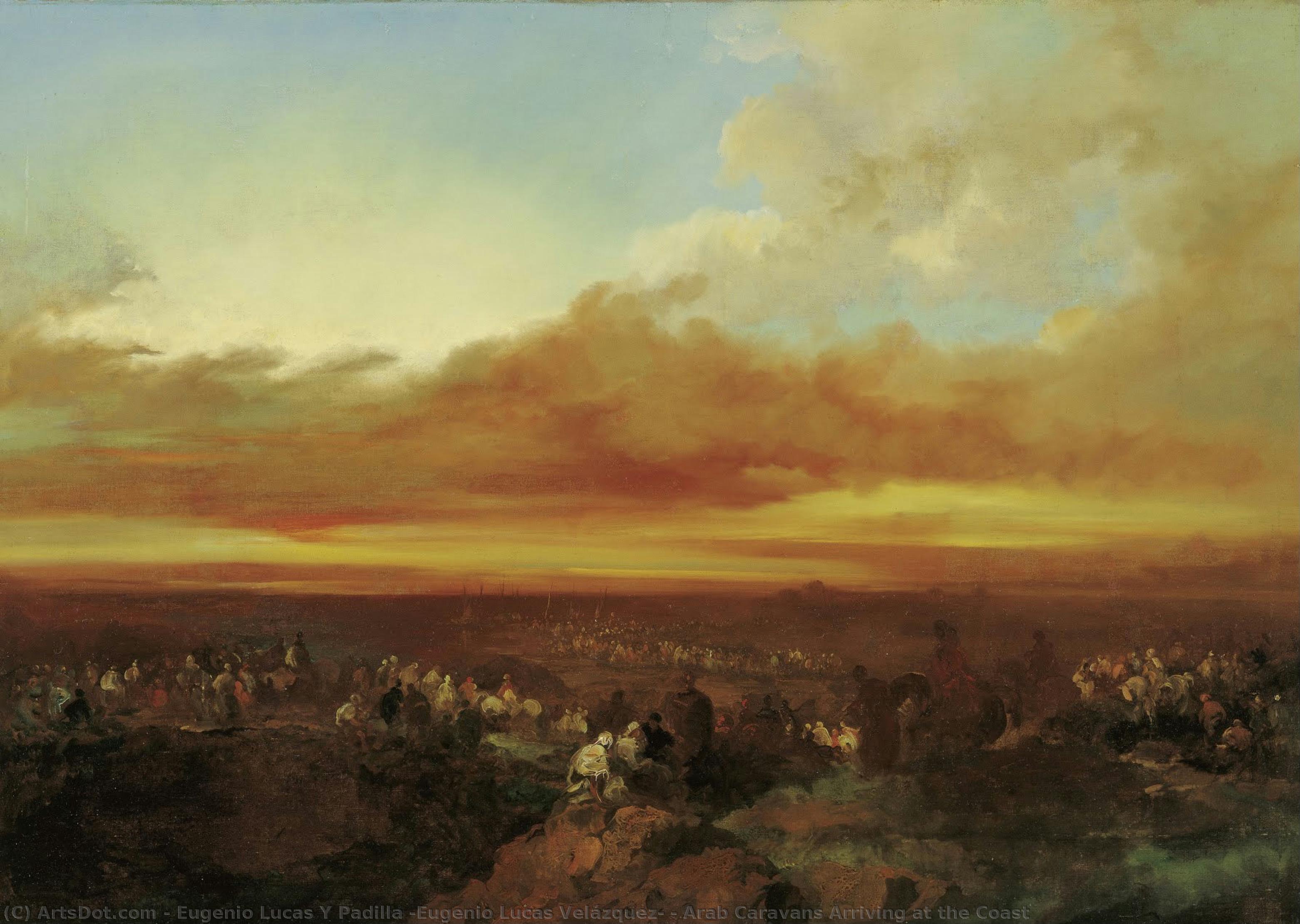
Arab Caravans Arriving at the Coast
 Oil On Canvas
- WallArt
- Romanticism
 19th Century
 88.0 x 62.0 cm
 Museo Carmen Thyssen Málaga
 Ver más
Giclée / Impresión de arte
Impresiones giclée o en lienzo de calidad de museo con producción rápida y opciones de acabado flexibles. ( Comprar pintura hecha a mano Comprar imagen)




P118B $10

P118H $10

P118W $10

P438Z $10

P508JH $12

P508YH $12

P805H $10

P805Z $10

P919BZ $10

P919G $10

P919XJ $10

P959ZH $10

P968JZ $12

W106C $8

W218G $10

W218JH $8

W218Y $10

W307PJ $10

W316G $10

W316PJ $8

W316Y $10

W398PJ $8

W4111J $10

W500HY $15

W500JH $15

W692G $12

W849H $8

W940BG $15

W953PJ $8




Elija entre nuestros tamaños predefinidos que respetan las proporciones originales de la obra.

Puede introducir sus propias dimensiones para adaptarse a un marco o espacio específico. Si el tamaño seleccionado no coincide con las proporciones de la imagen original, recortaremos la obra de arte o extenderemos la imagen con un borde con efecto espejo o de color sólido. Se enviará una maqueta digital para su aprobación antes de que comience la producción.
Tenga en cuenta que la vista previa en pantalla no refleja el recorte o la extensión real. Solo la maqueta mostrará con precisión la composición final.
Aunque existen tamaños personalizados, recomendamos seleccionar una dimensión de la lista predefinida para preservar las proporciones originales.
Envío a todo el mundo () en 2 semanas en lugar de las 4/5 semanas estándar. (6 septiembre)

Envío exprés gratuito a todo el mundo

Lienzo de lino de alta calidad

Seguro de envío total

Garantía de reembolso de impuestos aduaneros

Garantía de fidelidad cromática exacta

Política de devolución de 100 días (solo por defectos)

Garantía de devolución del 100% del dinero

Descuento por cantidad
 La opción de vidrio solo está disponible en tamaños inferiores a 110 cm.

Arab Caravans Arriving at the Coast
Giclée / Impresión de arte
Dimensiones de la reproducción
-


Precio total final
$ 62
A Journey Through Light and Legend
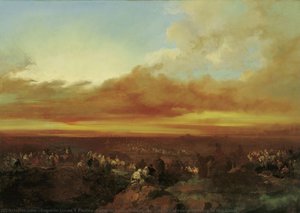
In the evocative masterpiece Arab Caravans Arriving at the Coast, the viewer is transported to a world where the boundaries between reality and romantic imagination dissolve under the warmth of a Mediterranean sunset. The canvas unfolds as a sweeping panorama of movement and light, depicting several caravans winding their way along rugged, craggy ledges before converging upon a vast, sun-drenched plain. In the distance, the silhouettes of sailboats rest upon the shimmering sea, moored beneath a sky painted in the fiery, nostalgic hues of dusk. There is an inherent sense of arrival and anticipation within the composition; the tiny, bustling figures—some on foot, others mounted on horseback—seem to be part of a grand, ancient ritual of commerce and exploration, moving toward the fleet that promises connection to far-off, mysterious lands.
The painting serves as a profound window into the 19th-century European fascination with Orientalism. For Spanish painters like Eugenio Lucas Velázquez, the "exotic" North African coast was not merely a geographic location but a psychological landscape of allure and mystery. Though Lucas may never have set foot in Africa, his brushwork breathes life into the Moroccan themes that were so deeply embedded in the Spanish cultural consciousness. Through his eyes, we see a world of costumbrista charm blended with Romantic grandeur, where the clothing and customs of the travelers evoke a sense of the legendary and the timeless, inviting the spectator to fill the silence of the landscape with their own tales of adventure.
Mastery of Technique and Atmospheric Depth
Technically, the work is a triumph of vigorous, supple brushwork that characterizes the Spanish Romantic tradition. Lucas employs a dynamic application of paint to capture the ephemeral qualities of light and atmosphere. The sky is not merely a backdrop but a living entity, filled with swirling clouds that catch the reddish glow of the setting sun, casting long, dramatic shadows across the terrain. This interplay of light and shadow creates a remarkable sense of depth, pulling the eye from the detailed textures of the rocky foreground toward the hazy, ethereal horizon where the sea meets the sky.
For the discerning collector or interior designer, this piece offers an unparalleled emotional resonance. The composition balances the immense scale of nature with the intimate, rhythmic movement of the caravans, creating a serene yet captivating atmosphere. The warm color palette—rich in ochre, deep reds, and soft golds—makes it an exquisite centerpiece for a room designed to evoke warmth, sophistication, and a sense of worldly wisdom. Whether placed in a grand gallery or a curated private study, this reproduction brings with it the spirit of a bygone era, offering a window into a romanticized vision of history that continues to enchant the modern soul.
Obras relacionadas

Biografía del artista
Eugenio Lucas Velázquez: A Romantic Visionary of Spanish Life
Eugenio Lucas Velázquez, a name often intertwined with the enigmatic figure of Eugenio Lucas Padilla, remains a captivating and somewhat elusive figure in 19th-century Spanish art. Born in Madrid in 1817 to a middle-class family initially involved in cabinetmaking, his artistic journey began not through formal academic training but through an intense, almost obsessive study of the masterpieces housed within the Museo del Prado. This early immersion in the works of Goya and Velázquez profoundly shaped his aesthetic sensibilities, laying the foundation for a distinctive style characterized by vibrant color palettes, dynamic brushwork, and a deep engagement with the realities of everyday Spanish life – a genre he masterfully captured under the banner of *costumbrista* art.
Lucas’s artistic development was marked by a deliberate rejection of the rigid conventions of the Real Academia de Bellas Artes de San Fernando. While he briefly attended, he quickly abandoned the prescribed Classicism, preferring instead to forge his own path inspired by Goya's expressive spirit and the raw emotion evident in his depictions of Spanish society. This decision led him to meticulously copy paintings from the Prado for years, a practice that, while initially viewed as unorthodox, ultimately honed his technical skills and deepened his understanding of composition and technique.
The Influence of Goya and Parisian Modernity
Goya’s profound impact on Lucas Velázquez is undeniable. The artist absorbed Goya's penchant for capturing the dramatic intensity of human emotion, his masterful use of light and shadow, and his unflinching portrayal of both the sublime and the grotesque. However, Lucas didn’t simply imitate; he channeled Goya’s spirit into a distinctly Romantic vision. Furthermore, a pivotal trip to Paris in 1852 proved transformative. Exposed to the burgeoning artistic currents of the time – particularly the influence of Eugène Delacroix – Lucas embraced looser brushwork and a heightened sense of drama, incorporating elements of French Romanticism into his own style.
This Parisian sojourn wasn’t merely an aesthetic encounter; it represented a crucial shift in perspective. Lucas began to depict scenes from Spanish life with a greater emphasis on social commentary and the struggles of ordinary people. He moved beyond simple genre paintings, exploring themes of poverty, rural labor, and the complexities of human relationships – subjects that resonated deeply with the Romantic sensibility.
A Court Painter and Patronage
Despite his independent spirit, Lucas Velázquez’s career was inextricably linked to patronage. Following a successful exhibition in 1850, he secured commissions from wealthy patrons, including the influential Marqués de Salamanca, who famously had one of Goya's unsettling Black Paintings removed from his palace and installed within Lucas’s collection. This association with the upper echelons of Spanish society afforded him financial stability and access to a wider audience, but it also shaped the subject matter of many of his works – often depicting scenes of aristocratic leisure and social gatherings.
Queen Isabel II recognized Lucas's talent, bestowing upon him the title of Honorary Court Painter and elevating him to the Order of Charles III. This honor solidified his position within the artistic establishment and further enhanced his reputation as a leading figure in Spanish Romanticism. His paintings frequently depicted scenes of courtly life, offering glimpses into the opulent world of the Spanish monarchy.
Themes and Style: Costumbrismo and Fantastic Elements
Lucas Velázquez’s art is primarily defined by *costumbrista* painting – a genre that sought to document and celebrate the customs, traditions, and everyday life of Spain. However, his work transcends mere documentation; he imbued these scenes with a potent emotional charge, often incorporating fantastical elements and dreamlike imagery. His paintings are not simply representations of reality but rather evocative narratives that explore the complexities of human experience.
Lucas’s distinctive style is characterized by bold color palettes, dynamic brushwork, and an expressive use of light and shadow. He frequently employed a technique known as *alla prima*, working directly onto the canvas without extensive underpainting, resulting in paintings with a sense of immediacy and spontaneity. His compositions are often asymmetrical and crowded, reflecting the bustling energy of Spanish life.
Legacy and Recognition
Despite the challenges posed by his relatively small body of signed works – a factor that has complicated efforts to fully attribute his oeuvre – Eugenio Lucas Velázquez remains a significant figure in Spanish Romantic art. His paintings offer a compelling glimpse into the social, cultural, and emotional landscape of 19th-century Spain. His influence can be seen in the work of subsequent generations of Spanish artists, and his evocative depictions of everyday life continue to resonate with viewers today.
Lucas’s legacy is further cemented by his son, Eugenio Lucas Villaamil, who also pursued a career as an artist, carrying on the family tradition of capturing the spirit of Spain through vibrant color and expressive brushwork. Together, father and son contributed significantly to the development of Spanish Romantic painting, leaving behind a rich artistic heritage that continues to be studied and appreciated.
Datos clave
- Artistic Movement Or Style: Romanticism
- Artists Or Movements Influenced By This Artist: ['Lucas Villaamil']
- Artists Who Influenced This Artist:
- Goya
- Delacroix
- Date Of Birth: February 9, 1817
- Date Of Death: September 11, 1870
- Full Name: Eugenio Lucas Velázquez
- Nationality: Spanish
- Notable Artworks:
- The Defence of Saragossa
- Various costumbrista scenes
- Place Of Birth: Madrid, Spain
Artículos relacionados
The Allure of the Horizon: A Comprehensive Exploration of Seascape Art Through History & Emotion
Explore the captivating world of seascape art! Discover its history, key artists & movements – from Dutch Masters to Impressionism. Expert insights for collectors and enthusiasts at ArtsDot.
Golden Hours: Sunset Motifs in Western Art History
Explore the captivating history of sunset motifs in Western art! Discover iconic paintings by Monet, Van Gogh & Kuindzhi. Learn about Romanticism, Impressionism & collecting these timeless masterpieces. Expert insights at ArtsDot.

The Golden Age Reforged: Dramatic Realism & Religious Zeal in Spanish Baroque Art
Explore the dramatic world of Spanish Baroque art! Discover masters like Zurbarán & the powerful influence of religious zeal on painting techniques – a guide for collectors and enthusiasts.
Rafael de Penagos: A Study in Spanish Portraiture & Artistic Identity
Explore the life & art of Rafael de Penagos, a leading Spanish Art Deco illustrator. Discover his iconic 'Penagos Woman', commercial work, and lasting legacy. Learn about this pivotal figure in 20th-century Spanish art history.
The Evocative Brushstroke: Exploring Emotion, Individuality & the Sublime in Romanticism's Artistic Landscape
Explore the passionate world of Romanticism! Discover masterpieces by Friedrich & Goya, delve into the sublime, and understand the movement's lasting impact on art history. Expert analysis & insights at ArtsDot.