 Ver en contexto
 Enviar
 Compartir
 Detalles

 Descargar
 Similares
 Radiografía
 Presentación de diapositivas
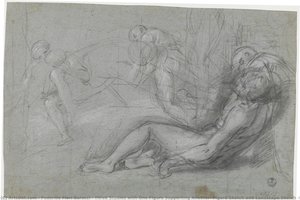
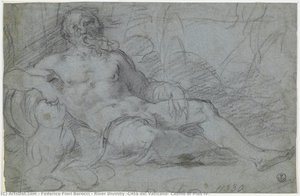
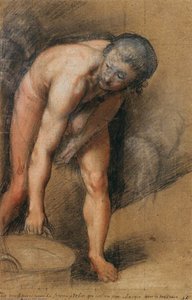
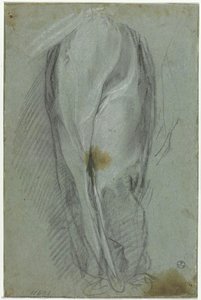
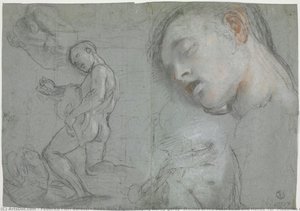
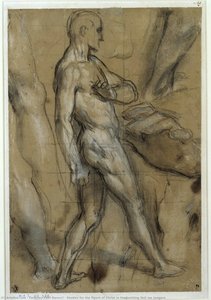
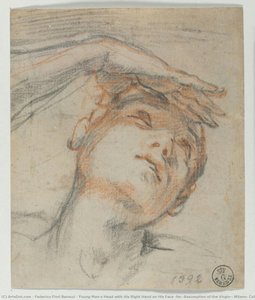
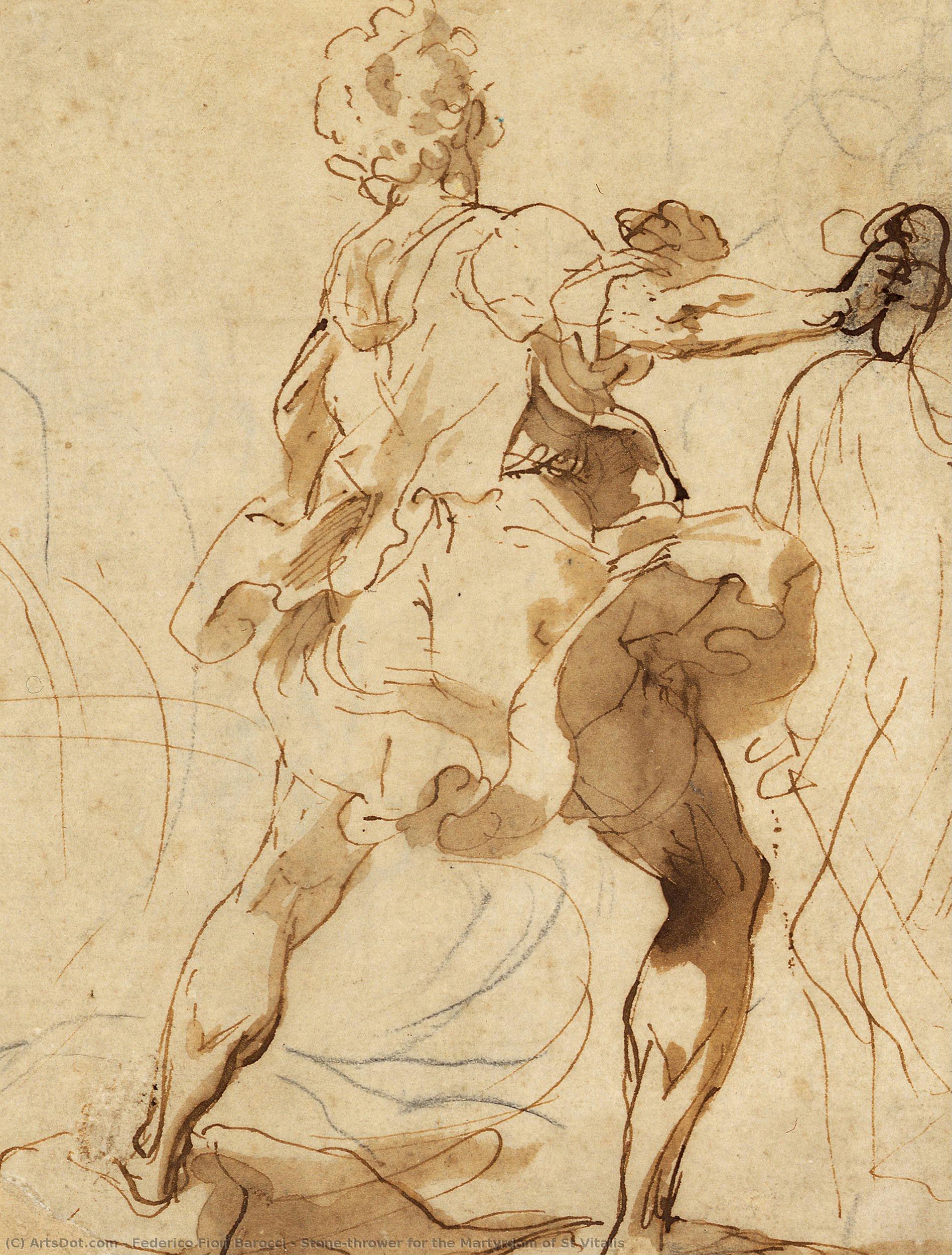
Stone-thrower for the Martyrdom of St Vitalis
 Acrylic
- WallArt
- Italian Baroque
 1582
1582 16.0 x 20.0 cm
 Galería de Arte de Australia del Sur
 Ver más
Giclée / Impresión de arte
Impresiones giclée o en lienzo de calidad de museo con producción rápida y opciones de acabado flexibles. ( Comprar pintura hecha a mano Comprar imagen)




P118B $10

P118H $10

P118W $10

P438Z $10

P508JH $12

P508YH $12

P805H $10

P805Z $10

P919BZ $10

P919G $10

P919XJ $10

P959ZH $10

P968JZ $12

W106C $8

W218G $10

W218JH $8

W218Y $10

W307PJ $10

W316G $10

W316PJ $8

W316Y $10

W398PJ $8

W4111J $10

W500HY $15

W500JH $15

W692G $12

W849H $8

W940BG $15

W953PJ $8




Elija entre nuestros tamaños predefinidos que respetan las proporciones originales de la obra.

Puede introducir sus propias dimensiones para adaptarse a un marco o espacio específico. Si el tamaño seleccionado no coincide con las proporciones de la imagen original, recortaremos la obra de arte o extenderemos la imagen con un borde con efecto espejo o de color sólido. Se enviará una maqueta digital para su aprobación antes de que comience la producción.
Tenga en cuenta que la vista previa en pantalla no refleja el recorte o la extensión real. Solo la maqueta mostrará con precisión la composición final.
Aunque existen tamaños personalizados, recomendamos seleccionar una dimensión de la lista predefinida para preservar las proporciones originales.
Envío a todo el mundo () en 2 semanas en lugar de las 4/5 semanas estándar. (5 septiembre)

Envío exprés gratuito a todo el mundo

Lienzo de lino de alta calidad

Seguro de envío total

Garantía de reembolso de impuestos aduaneros

Garantía de fidelidad cromática exacta

Política de devolución de 60 días (solo por defectos)

Garantía de devolución del 100% del dinero

Descuento por cantidad
 La opción de vidrio solo está disponible en tamaños inferiores a 110 cm.

Stone-thrower for the Martyrdom of St Vitalis
Giclée / Impresión de arte
Dimensiones de la reproducción
-


Precio total final
$ 62
Federico Fiori Barocci’s Stone-Thrower for the Martyrdom of St Vitalis: A Testament to Renaissance Drama
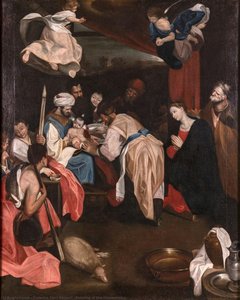
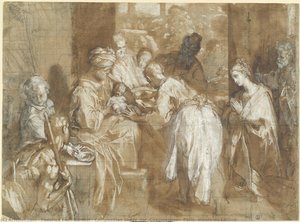
The painting “Stone-thrower for the Martyrdom of St Vitalis,” attributed to Federico Fiori Barocci (1535 – 1612), stands as a striking example of Florentine Mannerism, capturing a moment of intense spiritual fervor and dramatic confrontation. Executed in 1582, this artwork transcends mere depiction; it’s an embodiment of the artistic sensibilities that would soon propel Europe into the Baroque era. Measuring just 16 x 20 cm, its diminutive size belies the profound psychological depth conveyed by Barocci's masterful brushstrokes.Subject Matter and Narrative Tension
The scene portrays a man engaged in hurling a stone at another figure – presumably St Vitalis – commemorating his martyrdom. The composition is deliberately unsettling; the central protagonist isn’t idealized but rendered with palpable anxiety, his gaze fixed upward as he prepares to act. This posture speaks volumes about the artist's preoccupation with conveying inner turmoil and emotional struggle—a hallmark of Mannerist aesthetics. The second man, positioned behind him, represents a silent witness to this dramatic gesture, furthering the tension within the frame.Style and Technique: Embracing Distortion for Emotional Resonance
Barocci’s technique exemplifies the stylistic innovations characteristic of his time. He eschewed the smooth, harmonious surfaces favored by earlier Renaissance artists in favor of a textured surface achieved through meticulous layering of paint—a technique known as impasto—particularly noticeable on the man's robe and facial features. The artist skillfully employs chiaroscuro – dramatic contrasts between light and dark – to heighten the emotional impact of the scene. Shadows engulf much of the background, emphasizing the protagonist’s isolation and intensifying the psychological drama unfolding before the viewer’s eyes. Furthermore, subtle distortions in perspective contribute to an overall sense of unease and disorientation, mirroring the spiritual anxieties prevalent during the Reformation.Historical Context: The Spirit of Renaissance Drama
Painted during a period marked by religious upheaval and artistic experimentation, “Stone-thrower” reflects the broader cultural landscape of 16th-century Italy. The Mannerist movement arose as a reaction against the idealized beauty of High Renaissance art, prioritizing psychological realism and expressive gesture over anatomical accuracy. Artists like Barocci sought to evoke emotion rather than simply represent reality, anticipating the Baroque’s emphasis on theatricality and grandeur. Taddeo Zuccari's studio in Rome served as a crucible for artistic ideas, exposing Barocci to influences that would ultimately shape his distinctive style.Symbolism: Gesture and Spiritual Confrontation
The act of throwing the stone symbolizes defiance against injustice and embodies the fervent devotion demanded by religious faith. The upward gaze of the protagonist signifies contemplation and prayer—a gesture intended to elevate him beyond earthly concerns. The positioning of St Vitalis, though obscured, reinforces the narrative’s core theme: a confrontation between human will and divine authority. Barocci's deliberate use of visual cues communicates not just what is seen but also what is felt – a profound meditation on faith, suffering, and righteous indignation.Emotional Impact: Capturing Intense Psychological Drama
Ultimately, “Stone-thrower for the Martyrdom of St Vitalis” succeeds in capturing the essence of Renaissance drama—a preoccupation with portraying human emotion with unflinching honesty. Barocci’s masterful manipulation of light, texture, and perspective compels viewers to confront uncomfortable truths about faith and morality. It remains a testament to the artist's ability to transform visual representation into a conduit for profound psychological experience – an enduring legacy that foreshadows the transformative power of Baroque art.Obras relacionadas
Biografía del artista
Vida y Formación Temprana
- Nacido: Urbino, Italia (1535)
- Fallecido: 1612
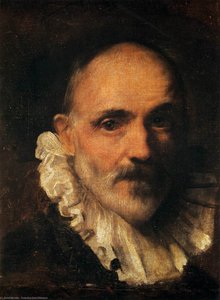
- Federico Fiori Barocci, un pintor y grabador renacentista italiano, nació en 1535 en Urbino, Italia.
- Su nombre original era Federico Fiori, y recibió el apodo "il Baroccio", que significa un carro de dos ruedas tirado por bueyes en los dialectos del noroeste italiano.
- Barocci recibió su primera formación con su padre, Ambrogio Barocci, un escultor de cierta relevancia local.
- Posteriormente, fue aprendiz del pintor Battista Franco en Urbino. Esta formación sentó las bases para su futuro éxito.
Carrera Artística e Influencias
- La obra de Barocci fue muy estimada e influyente, anticipando el estilo barroco de Peter Paul Rubens.
- Trabajó en el prestigioso estudio de Taddeo y Federico Zuccari en Roma, donde estuvo expuesto a diversas influencias artísticas.
- Su primera obra notable fue una San Margarita ejecutada para la confraternidad del Santísimo Sacramento.
- Fue invitado por el Papa Pío IV a ayudar en la decoración del Palacio Belvedere del Vaticano en Roma, donde pintó la Virgen María e Hijo, con varios santos y un techo al fresco, representando el anuncio.
- El estilo de Barocci se caracterizó por una mezcla de elementos manieristas y barrocos.
Obras Destacadas y Legado
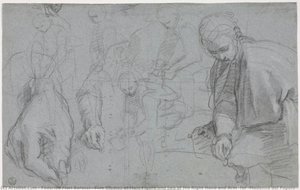
- Cinco estudios de figura masculina y dos de su mano derecha y brazo (Galería Uffizi, Florencia, Italia) - un testimonio de la habilidad de Barocci para capturar la forma humana.
- Estudio de composición (para “Circuncisión”, París, Musée du Louvre) - demuestra su capacidad para equilibrar la composición y la emoción.
- Cabeza de hombre (para “Llamamiento del santo Andrés”, Bruselas, Museos Reales de Bellas Artes de Bélgica) - muestra la atención al detalle y la expresión de Barocci.
- La Natividad (pintura al óleo de 1597 en el Prado).
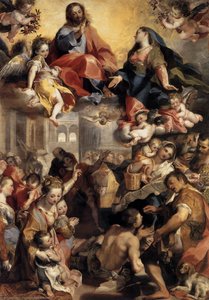
- Madonna del Popolo (Galería Uffizi, Florencia, Italia).
- La Madonna del Gatto
- El Anuncio (1582)
Evolución Artística y Características
- Barocci se distingue por su transición entre el manierismo tardío y los inicios del barroco.
- Aunque influenciado por Rafael y Correggio, desarrolló un estilo propio caracterizado por una paleta rica y cálida, figuras dinámicas y composiciones dramáticas.
- Su habilidad para combinar la elegancia manierista con una expresividad emocional precursora del barroco lo convierte en una figura clave en la historia del arte italiano.
- Experimentó con el uso de pasteles y óleos en sus estudios preparatorios, siendo uno de los primeros artistas italianos en hacerlo sistemáticamente.
- Su obra refleja un profundo sentido religioso y una sensibilidad hacia la belleza natural.
Impacto Artístico e Influencia
- La influencia de Barocci puede verse en la obra de varios artistas, incluyendo a Peter Paul Rubens, quien se inspiró en el trabajo pictórico dramático y emotivo de Barocci.
- Su legado continúa siendo celebrado a través de sus numerosas obras, ahora alojadas en museos como la Galería Uffizi (Florencia, Italia) y el Musée du Louvre (París, Francia).
- Su capacidad para infundir emoción y dramatismo en sus composiciones sentó las bases para el desarrollo del arte barroco.
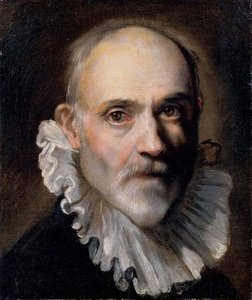
Federico Fiori Barocci
1535 - 1612 , Italia
Datos clave
- Artistas Influenciados Por: ['Peter Paul Rubens']
- Artistas Que Influyeron: ['Battista Franco']
- Fecha De Fallecimiento: 1612
- Fecha De Nacimiento: 1535
- Lugar De Nacimiento: Urbino, Italia
- Movimiento Artístico: Renacimiento, Barroco
- Nacionalidad: Italiana
- Nombre Completo: Federico Fiori Barocci
- Obras Notables:
- La Natividad
- Madonna del Popolo
- Anunciación
- Estudio de composición
Artículos relacionados

Drama Barroca: Llevando la Grandeza y la Emoción a los Interiores Contemporáneos
Descubre cómo el drama y la grandeza del arte barroco pueden transformar tus interiores. Guía experta, inspiración y reproducciones de alta calidad en .
Simon Vouet: A Baroque Master's Journey from Italian Influence to French Classicism
Explore the life & art of Simon Vouet, a pivotal French Baroque painter who introduced Italian styles to France. Discover his masterpieces and lasting influence on 17th-century art.

Barroco Sublime: 10 Obras Maestras que Definieron una Época |
Descubre las 10 obras maestras del Barroco que marcaron una época. Caravaggio, Bernini y Velázquez cobran vida en . Reproducciones de arte de calidad museo para decorar tu hogar con elegancia. ¡Explora la colección online!

The Visceral Stage: Exploring Dramatic Narratives & Emotional Intensity in Baroque Art
Explore the dramatic world of Baroque art! Discover iconic masters like Caravaggio & Rembrandt, their techniques, and the movement's lasting impact. Expert insights for collectors & enthusiasts at ArtsDot.

The Dramatic Flourish: Exploring the Baroque Movement's Enduring Legacy in Art History
Explore the dramatic world of Baroque art! Discover iconic artists like Caravaggio & Rubens, defining techniques, and its lasting impact on art history. Expert insights for collectors & enthusiasts at ArtsDot.