 Ver en contexto
 Enviar
 Compartir
 Detalles

 Descargar
 Similares
 Radiografía
 Presentación de diapositivas
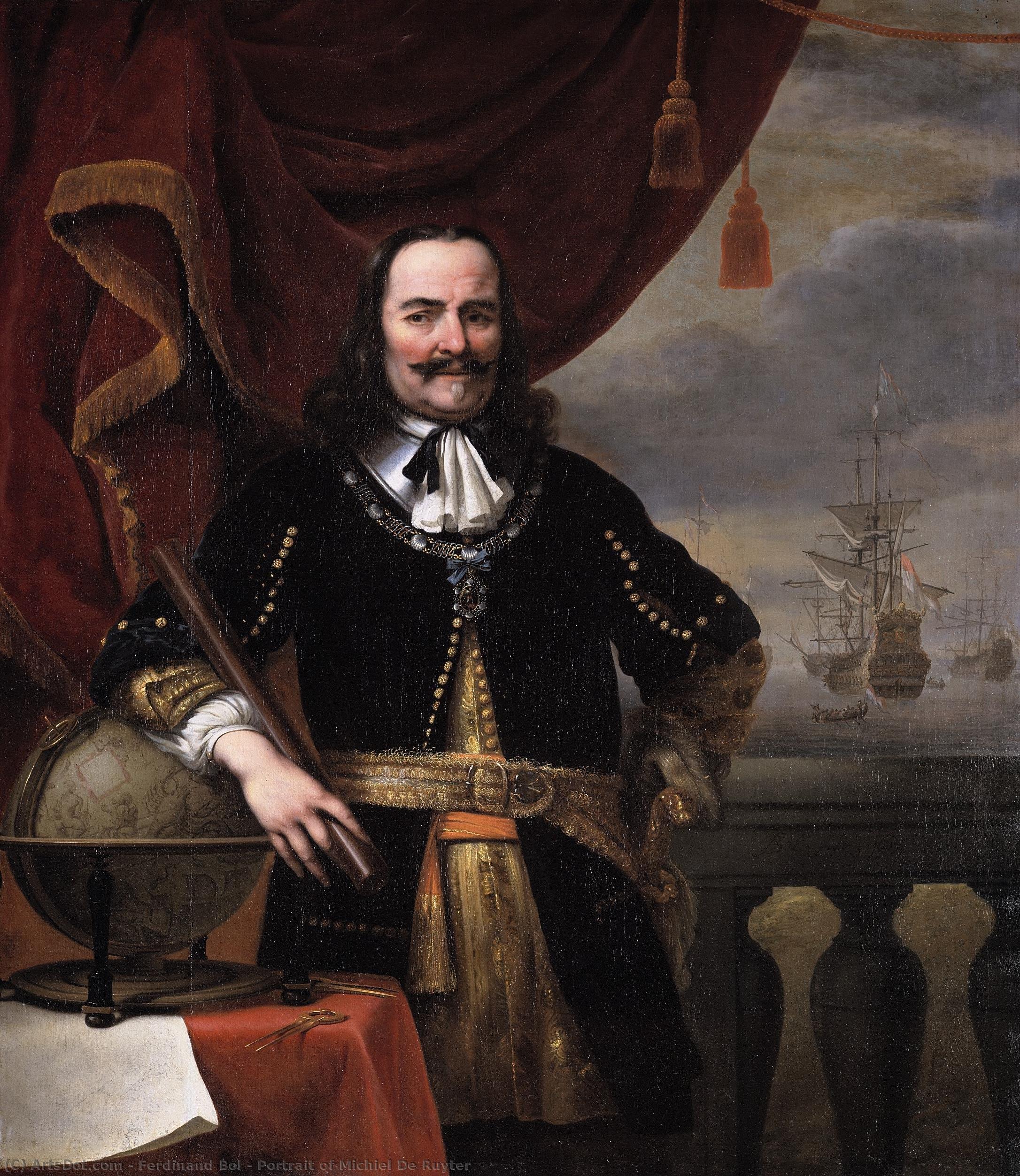
Portrait of Michiel De Ruyter


 Ver más
Giclée / Impresión de arte
Impresiones giclée o en lienzo de calidad de museo con producción rápida y opciones de acabado flexibles. ( Comprar pintura hecha a mano Comprar imagen)




P118B $10

P118H $10

P118W $10

P438Z $10

P508JH $12

P508YH $12

P805H $10

P805Z $10

P919BZ $10

P919G $10

P919XJ $10

P959ZH $10

P968JZ $12

W106C $8

W218G $10

W218JH $8

W218Y $10

W307PJ $10

W316G $10

W316PJ $8

W316Y $10

W398PJ $8

W4111J $10

W500HY $15

W500JH $15

W692G $12

W849H $8

W940BG $15

W953PJ $8




Elija entre nuestros tamaños predefinidos que respetan las proporciones originales de la obra.

Puede introducir sus propias dimensiones para adaptarse a un marco o espacio específico. Si el tamaño seleccionado no coincide con las proporciones de la imagen original, recortaremos la obra de arte o extenderemos la imagen con un borde con efecto espejo o de color sólido. Se enviará una maqueta digital para su aprobación antes de que comience la producción.
Tenga en cuenta que la vista previa en pantalla no refleja el recorte o la extensión real. Solo la maqueta mostrará con precisión la composición final.
Aunque existen tamaños personalizados, recomendamos seleccionar una dimensión de la lista predefinida para preservar las proporciones originales.
Envío a todo el mundo () en 2 semanas en lugar de las 4/5 semanas estándar. (29 agosto)

Envío exprés gratuito a todo el mundo

Lienzo de lino de alta calidad

Seguro de envío total

Garantía de reembolso de impuestos aduaneros

Garantía de fidelidad cromática exacta

Política de devolución de 60 días (solo por defectos)

Garantía de devolución del 100% del dinero

Descuento por cantidad
 La opción de vidrio solo está disponible en tamaños inferiores a 110 cm.

Portrait of Michiel De Ruyter
Giclée / Impresión de arte
Dimensiones de la reproducción
-


Precio total final
$ 62
A Hero in Oil: The Commanding Presence of Michiel De Ruyter
In the grand tapestry of the Dutch Golden Age, few figures command as much reverence as the naval commander Michiel De Ruyter. In his 1667 masterpiece, Ferdinand Bol captures not merely a man, but an era of maritime supremacy and intellectual vigor. The portrait presents De Ruyter in a moment of profound stillness, draped in the dignified attire of the 17th century. His gaze, steady and resolute, speaks to a lifetime spent navigating both the treacherous waters of the North Sea and the complex political currents of a burgeoning global empire. As he stands beside a table cluttered with the tools of wisdom—scattered books and scholarly artifacts—the painting transcends simple portraiture to become an allegory of leadership, where strength is balanced by intellect.
The composition is anchored by a striking symbolic gesture: the commander holds a globe within his grasp. This single element serves as a powerful metaphor for the Dutch Republic's reach across the oceans and the weight of responsibility held by those who steered its destiny. The interplay between the rugged, bearded visage of the hero and the delicate, spherical precision of the globe creates a captivating tension. It suggests that while De Ruyter was a man of action and war, his decisions were informed by a deep understanding of the wider world. The presence of books scattered around the room further reinforces this narrative, suggesting that true power is rooted in knowledge and the careful study of the heavens and the earth.
Mastery of Light and the Rembrandt Legacy
To observe Bol’s technique is to witness the enduring influence of his mentor, Rembrandt van Rijn. The artist employs a masterful use of chiaroscuro, allowing light to spill across the scene in a way that breathes life into the textures of fabric, skin, and paper. The soft glow illuminating De Ruyter’s face highlights the weathered character of his features, while deep, velvety shadows recede into the background, creating an immense sense of depth and atmosphere. This dramatic lighting does more than define form; it directs the viewer's emotional journey, pulling the eye toward the commander's resolute expression before allowing it to wander through the rich, detailed environment of the study.
For the discerning collector or interior designer, this painting offers an unparalleled sense of historical gravitas. The rich, earthy palette and the meticulous attention to detail—from the heavy folds of the 17th-century costume to the tactile quality of the parchment—make it a centerpiece capable of anchoring any sophisticated space. A high-quality reproduction of this work brings with it the prestige of the Dutch Masters, offering a window into a time of unparalleled maritime glory. Whether placed in a library, a formal study, or a curated gallery wall, Bol’s portrait serves as an evocative conversation piece, inviting all who behold it to contemplate the enduring legacy of courage, wisdom, and the golden light of history.
Obras relacionadas
Biografía del artista
biografía de un artista olvidado
fernand bol, pintor, grabador y dibujante holandés, nació el 24 de junio de 1616 en dordrecht, países bajos. su vida y obra están marcadas por la influencia de rembrandt, su maestro, y las tendencias artísticas predominantes del período barroco.primera infancia y formación
la primera formación de bol como aprendiz bajo jacob cuyp en su ciudad natal o de abraham bloemaert en utrecht sentó las bases para sus futuros esfuerzos artísticos. después de 1630, estudió con rembrandt, viviendo en su casa en sint antoniesbreestraat, una calle y zona de moda para pintores, joyeros, arquitectos y muchos inmigrantes flamencos y judíos.carrera artística
la carrera artística de bol puede caracterizarse por los siguientes puntos clave:- la paz entre claudius civilis y quintus petillius cerealis en el puente demolido, una pintura que muestra su dominio de los temas históricos, ahora se encuentra en el museo de bellas artes (https://ArtsDot.com/@@/d36val-ferdinand-bol-the-peace-negotiations-between-claudius-civilis-and-quintus-p..).
- en 1652, bol se convirtió en burgués de amsterdam y, en 1653, se casó con elisabeth dell, cuya padre ocupaba cargos en la administración naval de amsterdam y en el gremio de comerciantes de vino.
- a mediados de la década, bol recibía más encargos oficiales que cualquier otro artista en amsterdam, incluidos pedidos para entregar dos chimeneas para habitaciones en el nuevo ayuntamiento diseñadas por jacob van campen.
- godfrey kneller fue su alumno.
legado y vida posterior
la primera esposa de bol murió en 1660. en 1669, se casó con anna van erckel, viuda del tesorero de la administración naval, y aparentemente se retiró de la pintura en ese momento de su vida. bol sirvió como gobernador en un hogar para leprosos y murió el 24 de agosto de 1680. obras notables:- la paz entre claudius civilis y quintus petillius cerealis en el puente demolido (https://ArtsDot.com/@@/d36val-ferdinand-bol-the-peace-negotiations-between-claudius-civilis-and-quintus-p..)
- pirro muestra su elefante a fabritius (palacio real de amsterdam)
- hombre con casco dorado (marte) (museo nacional, varsovia)
- gobernadores del gremio de comerciantes de vino (alte pinakothek)
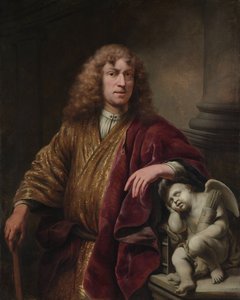
Ferdinand Bol
1616 - 1680 , Países Bajos
Datos clave
- Artistas Que Influyeron: ['Rembrandt van Rijn']
- Fecha De Fallecimiento: 24 de agosto de 1680
- Fecha De Nacimiento: 24 de junio de 1616
- Influenciado A: ['Godfrey Kneller']
- Lugar De Nacimiento: Dordrecht, Países Bajos
- Movimiento Artístico: Barroco
- Nacionalidad: Neerlandés
- Nombre Completo: Ferdinand Bol
- Obras Notables:
- La paz entre Claudio Civilis
- Pirro mostrando su elefante
- Hombre con casco dorado (Marte)
- Gobernadores de la gremial
Artículos relacionados

Goya: Las 25 Obras Maestras del Genio Español | Reproducciones de Arte en ArtsDot
Descubre las 25 obras maestras de Goya, el genio español. Explora retratos icónicos, 'Los Caprichos' y 'Las Pinturas Negras'. Reproducciones de arte en lienzo de alta calidad para decorar tu hogar con estilo. ¡Encuentra tu obra favorita en ArtsDot.com!
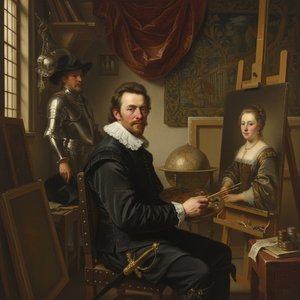
Ferdinand Bol (1616-1680): A Dutch Master of Portraiture & Dramatic Light
Explore the captivating world of Ferdinand Bol (1616-1680), a master Dutch portraitist deeply influenced by Rembrandt. Discover his life, style, and enduring legacy with ArtsDot.

Los 10 Maestros del Barroco Holandés: Obras que Definen una Época | ArtsDot
Descubre los 10 imprescindibles del Barroco holandés: Rembrandt, Vermeer y más. Explora la historia, técnica y belleza de estas obras maestras. Reproducciones de arte en ArtsDot.com para decorar tu hogar con elegancia.

Reflejos de una Época Dorada: La Pintura Barroca Holandesa y la Innovación Cultural
Descubra la riqueza y el detalle de la pintura barroca holandesa del Siglo de Oro. Explore las obras maestras de Rembrandt, Vermeer y otros artistas clave. Análisis experto e historia cultural.
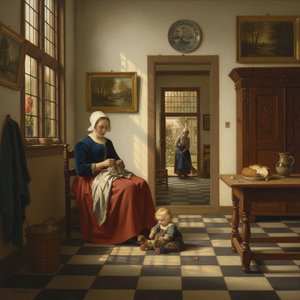
Pieter de Hooch: Illuminating Dutch Domestic Life & Golden Age Charm
Explore the captivating world of Pieter de Hooch, a master of Dutch Golden Age painting. Discover his innovative use of light, intimate domestic scenes, and lasting influence on art history. Learn more at ArtsDot.