 Ver en contexto
 Enviar
 Compartir
 Detalles

 Descargar
 Similares
 Radiografía
 Presentación de diapositivas
 Estadísticas
'The album ''Circus''' (57)


 Ver más
Reproducción al óleo hecha a mano
Óleo sobre lienzo pintado a mano en el tamaño y marco de su elección, realizado por encargo por nuestros artistas. ( Cambiar a Impresión Cambiar a imagen digital)




P118B $10

P118H $10

P118W $10

P438Z $10

P508JH $12

P508YH $12

P805H $10

P805Z $10

P919BZ $10

P919G $10

P919XJ $10

P959ZH $10

P968JZ $12

W106C $8

W218G $10

W218JH $8

W218Y $10

W307PJ $10

W316G $10

W316PJ $8

W316Y $10

W398PJ $8

W4111J $10

W500HY $15

W500JH $15

W692G $12

W849H $8

W940BG $15

W953PJ $8




Elija entre nuestros tamaños predefinidos que respetan las proporciones originales de la obra.

Puede ingresar sus propias dimensiones para adaptarse a un marco o espacio específico. Si el tamaño seleccionado no coincide con las proporciones de la imagen original, recortaremos la obra o extenderemos la pintura con elementos adicionales pintados a mano. Se le enviará una maqueta digital para su aprobación antes de comenzar la producción.
Tenga en cuenta que la vista previa en pantalla no refleja el recorte o la extensión reales. Solo la maqueta mostrará con precisión la composición final.
Si bien existen tamaños personalizados, recomendamos seleccionar una dimensión de la lista predefinida para preservar las proporciones originales.
Tras realizar el pedido, el equipo de ArtsDot.com enviará un correo electrónico al cliente para solicitar instrucciones y proporcionarle una vista previa del boceto.
Envío a todo el mundo () en 3-4 semanas en lugar de las 5 semanas estándar. (11 septiembre). Sin comprometer la calidad.

Envío exprés gratuito a todo el mundo

Lienzo de lino de alta calidad

Seguro de envío total

Garantía de reembolso de impuestos aduaneros

Garantía de fidelidad cromática exacta

Política de devolución de 100 días (solo por defectos)

Garantía de devolución del 100% del dinero

Descuento por cantidad
 La opción de vidrio solo está disponible en tamaños inferiores a 110 cm.

'The album ''Circus''' (57)
Técnica de reproducción
Dimensiones de la reproducción
-


Precio total final
$ 263
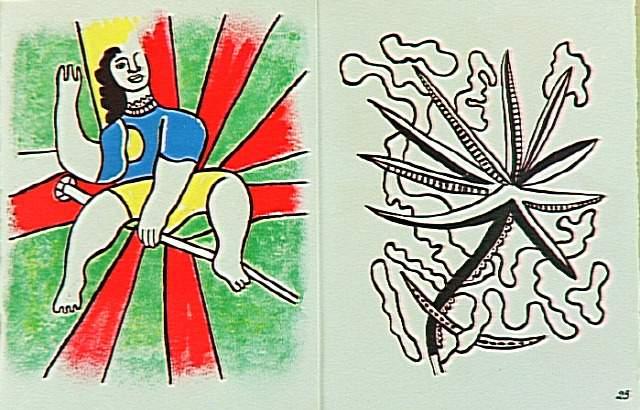
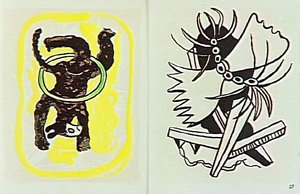
A Bold Embrace of Modernity: Exploring Fernand Léger’s ‘The Album “Circus”’
Fernand Léger's "The Album ‘Circus’” (1950) stands as a cornerstone of Purism, a movement that championed geometric abstraction while retaining an undeniable connection to the tangible world—a paradoxical approach that perfectly encapsulates Léger’s artistic philosophy. Created during a period marked by rapid industrialization and burgeoning fascination with machines, this artwork isn't merely a depiction; it’s a declaration of faith in the transformative power of form and color to convey complex ideas about humanity’s relationship with technology and progress. The painting’s genesis lies in Léger’s formative years spent amidst the rural landscapes of Argentan, Normandy—a stark contrast that fueled his desire to translate the dynamism of the machine age into a visual language accessible to all.Composition and Technique: Simplifying Complexity
The artwork's composition is strikingly reductive, prioritizing clarity and precision – hallmarks of Purism’s aesthetic principles. Léger employs a bold palette dominated by yellows, oranges, and reds, strategically juxtaposed against muted blues and greens. These colors aren’t applied haphazardly; rather, they are meticulously arranged to create rhythmic patterns that echo the movement inherent in industrial processes. Léger's technique is characterized by thick impasto—a textural layering of paint—which lends a palpable physicality to the canvas. This deliberate roughness serves not only to enhance visual impact but also to convey an emotional resonance rooted in the artist’s own experience of labor and craftsmanship. The simplified forms – predominantly geometric shapes like circles, squares, and rectangles – dominate the scene, mirroring the repetitive patterns found in factories and urban environments.Symbolism Within Geometric Abstraction
Beyond its formal qualities, “The Album ‘Circus’” is laden with symbolic significance. Léger’s depiction of hands holding playing cards—a motif recurrent throughout his oeuvre—represents both chance and control. The red heart card symbolizes passion and desire, while the king signifies authority and dominance – elements that engage in a dynamic interplay within the geometric framework. These symbols aren't presented overtly; instead, they are subtly embedded within the composition, inviting viewers to contemplate deeper meanings about human ambition and vulnerability. Léger’s intention was to transcend representational illusionism, focusing instead on conveying emotional states through abstracted forms and colors.Historical Context: Purism and Its Legacy
Purism emerged in Paris during the mid-1920s as a reaction against Surrealism's dreamlike imagery and psychological explorations. Léger championed this movement’s commitment to rational thought and geometric abstraction, arguing that these approaches were better suited for capturing the essence of modern life. Influenced by Bauhaus principles and Dadaist experimentation, Purism sought to liberate art from academic conventions and embrace a new visual vocabulary rooted in industrial design and engineering. Léger's work anticipates developments in Pop Art decades later, demonstrating an early awareness of how abstraction could engage with popular culture and convey messages about the everyday experience. “The Album ‘Circus’” remains a testament to Léger’s unwavering conviction that art could illuminate the complexities of the modern world—a message as pertinent today as it was during its creation.Obras relacionadas
Biografía del artista
vida temprana y formación
fernand léger, un pintor, escultor y cineasta francés, nació el 4 de febrero de 1881 en Argentán, Orne, Baja Normandía. Su padre criaba ganado, y Léger inicialmente se formó como arquitecto de 1897 a 1899. Luego se mudó a París en 1900, ganándose la vida como dibujante arquitectónico.desarrollo artístico
El trabajo temprano de Léger estuvo influenciado por el impresionismo, como se ve en le jardin de ma mère (mi madre's garden) (1905). Después de asistir a la escuela de artes decorativas y la academia Julian, comenzó a trabajar seriamente como pintor a los 25 años. Su estilo evolucionó hacia una forma personal del cubismo, que los críticos denominaron "tubismo" por su énfasis en las formas cilíndricas.cubismo y el grupo puteaux
En 1910, Léger expuso en el salón de otoño junto a jean metzinger y henri le fauconnier. Se unió al grupo puteaux, también conocido como la sección dorada (la sección de oro), junto con otros artistas como francis picabia y marcel duchamp.guerra y su influencia en el trabajo de léger
Las experiencias de Léger en la Primera Guerra Mundial impactaron significativamente su obra. Durante su tiempo en el frente, produjo dibujos de piezas de artillería, aviones y soldados compañeros. Su pintura soldier with a pipe (1916) refleja este período.obra posterior y legado
La obra posterior de Léger, caracterizada por formas mecánicas y elegantes, lo vinculó a la tradición de la pintura figurativa francesa. Sus paisajes animados de 1921 mostraron figuras y animales en formas armoniosas y aerodinámicas.- ver obras de fernand léger en ArtsDot
- más sobre fernand léger en wikipedia
- descubra el musée national fernand léger (francia) con ArtsDot
- la mujer sentada (100 x 81 cm, tubismo)
- elemento de máquina (cubismo)
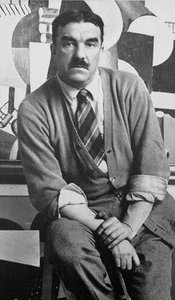
Fernand Léger
1881 - 1955 , Francia
Datos clave
- Artistas Influenciados Por: ['Pop Art']
- Artistas Que Influyeron:
- Cézanne
- Impresionismo
- Fecha De Nacimiento: 4 de febrero de 1881
- Lugar De Nacimiento: Argentan, Francia
- Movimiento Artístico:
- Cubismo
- Tubismo
- Nacionalidad: Francés
- Nombre Completo: Fernand Léger
- Obras Notables:
- La Mujer Sentada
- Elemento de Máquina
- El Gran Desfile
- Paisajes Animados
Artículos relacionados
Beyond Form & Color: Geometric Abstraction's Evolution in 20th/21st Century Art
Explore the evolution of geometric abstraction from Cubism to contemporary art. Discover key artists like Malevich & Mondrian, investment insights, and expert collecting advice at ArtsDot.
Expresionismo Abstracto: 10 Obras Maestras que Transformaron el Arte |
Descubre las 10 obras maestras del Expresionismo Abstracto: Pollock, Rothko y más. Explora la historia, técnica y significado de estos lienzos icónicos. Reproducciones de arte exclusivas en .
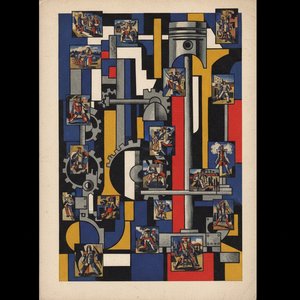
Fernand Léger: Las 25 Obras Maestras del Tubismo y la Vanguardia Francesa | ArtsDot
Descubre las 25 obras maestras de Fernand Léger, pionero del tubismo y la vanguardia francesa. Explora su estética industrial, composiciones geométricas y vibrantes colores. Reproducciones de arte exclusivas en ArtsDot.com.

Abstracción Geométrica: 10 Obras Maestras que Transformaron el Arte Moderno | ArtsDot
Descubre las 10 obras maestras de la abstracción geométrica que revolucionaron el arte moderno. Explora a Mondrian, Malevich y Kandinsky en ArtsDot.com. Reproducciones de alta calidad para tu hogar.
Kandinsky: Las 25 Obras Maestras del Pionero de la Abstracción | ArtsDot
Descubre las 25 obras maestras de Wassily Kandinsky, pionero del arte abstracto. Explora su expresionismo, composiciones únicas y la historia detrás de cada cuadro. Reproducciones de alta calidad para decorar tu hogar con arte moderno en ArtsDot.com.