 Ver en contexto
 Enviar
 Compartir
 Detalles

 Descargar
 Similares
 Radiografía
 Presentación de diapositivas
Ceramic Avalokitesvara


 Ver más
Giclée / Impresión de arte
Impresiones giclée o en lienzo de calidad de museo con producción rápida y opciones de acabado flexibles. ( Comprar pintura hecha a mano Comprar imagen)




P118B $10

P118H $10

P118W $10

P438Z $10

P508JH $12

P508YH $12

P805H $10

P805Z $10

P919BZ $10

P919G $10

P919XJ $10

P959ZH $10

P968JZ $12

W106C $8

W218G $10

W218JH $8

W218Y $10

W307PJ $10

W316G $10

W316PJ $8

W316Y $10

W398PJ $8

W4111J $10

W500HY $15

W500JH $15

W692G $12

W849H $8

W940BG $15

W953PJ $8




Elija entre nuestros tamaños predefinidos que respetan las proporciones originales de la obra.

Puede introducir sus propias dimensiones para adaptarse a un marco o espacio específico. Si el tamaño seleccionado no coincide con las proporciones de la imagen original, recortaremos la obra de arte o extenderemos la imagen con un borde con efecto espejo o de color sólido. Se enviará una maqueta digital para su aprobación antes de que comience la producción.
Tenga en cuenta que la vista previa en pantalla no refleja el recorte o la extensión real. Solo la maqueta mostrará con precisión la composición final.
Aunque existen tamaños personalizados, recomendamos seleccionar una dimensión de la lista predefinida para preservar las proporciones originales.
Envío a todo el mundo () en 2 semanas en lugar de las 4/5 semanas estándar. (28 agosto)

Envío exprés gratuito a todo el mundo

Lienzo de lino de alta calidad

Seguro de envío total

Garantía de reembolso de impuestos aduaneros

Garantía de fidelidad cromática exacta

Política de devolución de 60 días (solo por defectos)

Garantía de devolución del 100% del dinero

Descuento por cantidad
 La opción de vidrio solo está disponible en tamaños inferiores a 110 cm.

Ceramic Avalokitesvara
Giclée / Impresión de arte
Dimensiones de la reproducción
-


Precio total final
$ 62
Ceramic Avalokitesvara: A Sanctuary of Compassion Embodied
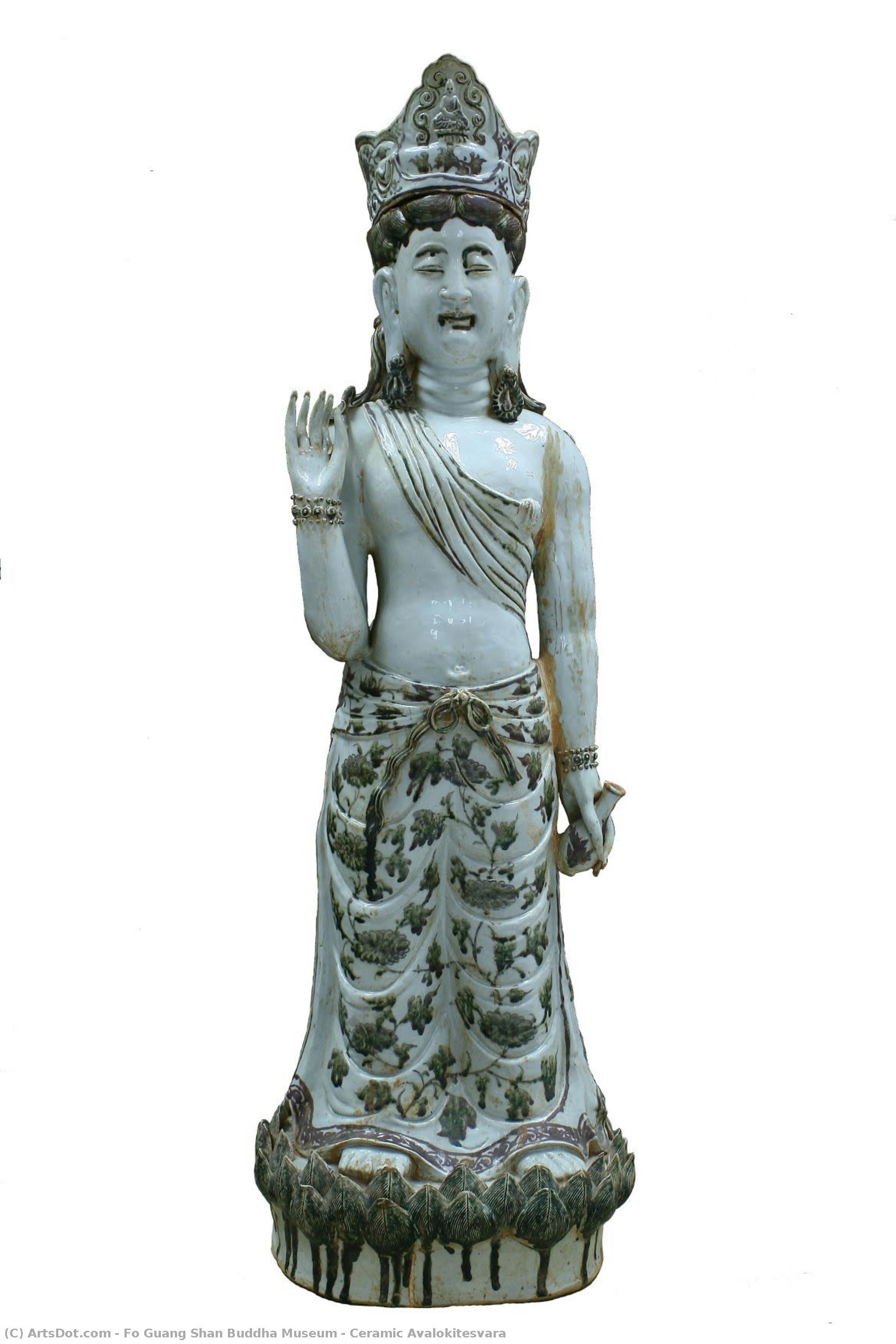
The Fo Guang Shan Buddha Museum’s Ceramic Avalokitesvara stands as a testament to the enduring beauty and profound symbolism of Buddhist art, specifically Mahāyāna sculpture. Completed in 2011 by the renowned Fo Guang Shan Buddha Museum, this piece transcends mere representation; it embodies the essence of compassion and wisdom – core tenets of Buddhist philosophy. Located within Kaohsiung’s Dashu District, Taiwan, the museum itself is a beacon of faith and artistic endeavor, reflecting Venerable Master Hsing Yun's vision for fostering intercultural understanding through sacred art.- Overall Impression: The sculpture depicts Avalokitesvara, revered as the Bodhisattva of Mercy, in a posture radiating serenity. Dominantly white ceramic, adorned with intricate floral patterns rendered in shades of green and brown, it rests upon a lotus base mirroring the purity and enlightenment associated with Buddhist cosmology. Soft diffused natural light illuminates the surface, highlighting the tactile texture of the clay and emphasizing the sculpture’s graceful form.
- Composition & Perspective: Centered within its frame, Avalokitesvara commands attention—a deliberate choice reflecting the Buddha's central role in Buddhist thought. The viewer encounters him at eye level, fostering a sense of intimacy and contemplation. The sculptor skillfully employs orthogonal perspective to convey depth and solidity, anchoring the figure firmly within its environment.
- Color Palette & Use of Lines: White serves as the dominant hue, providing a pristine backdrop for the vibrant floral motifs—a deliberate contrast designed to stimulate visual interest. Green and brown intertwine, mirroring the natural world and symbolizing growth and harmony. Curved lines define Avalokitesvara’s flowing robes and serene facial features, conveying fluidity and grace. Straight lines delineate architectural elements like the lotus crown and base, grounding the sculpture in stability and tradition.
- Texture & Material: The ceramic material itself imparts a subtle roughness—a deliberate aesthetic choice that speaks to the materiality of Buddhist art and its connection to the earth. Floral patterns introduce textural variation, creating visual richness and enhancing the overall sensory experience.
- Symbolism & Emotional Impact: Avalokitesvara’s raised hand gesture (mudra), symbolizing blessing and teaching, embodies compassion—the bodhisattva's unwavering dedication to alleviating suffering. The lotus base represents purity and enlightenment, signifying spiritual ascension. Viewing this sculpture evokes feelings of tranquility, peace, and devotion – qualities deeply valued within Buddhist practice.
Artist Information: Fo Guang Shan Buddha Museum
Established in 1998 by Venerable Master Hsing Yun, the Fo Guang Shan Buddha Museum is more than just a repository of artistic treasures; it’s an institution dedicated to disseminating Buddhist teachings and fostering intercultural dialogue. The museum's mission—to present Buddhism through art, culture, film, humanistic inquiry, and international exchange—is powerfully realized in pieces like Ceramic Avalokitesvara. Its acceptance as the youngest member of ICOM underscores its commitment to upholding global standards for museum excellence.Technique & Craftsmanship
The sculpture’s creation involved meticulous hand-building techniques combined with advanced glazing and firing processes—a testament to traditional ceramic artistry. Floral designs were skillfully applied through painting or relief methods, demonstrating exceptional artistic precision. The resulting piece exemplifies the fusion of realism and stylized decorative patterns characteristic of Mahāyāna iconography.Additional Research & Context
Further exploration reveals that Ceramic Avalokitesvara’s design draws inspiration from ancient Buddhist symbolism—specifically, depictions of Avalokiteśvara found in Tibetan Buddhism. The lotus base symbolizes purity and enlightenment, mirroring the cosmological significance of this sacred flower within Buddhist tradition. Its placement alongside other sculptures at Fo Guang Shan underscores the museum's broader ambition: to celebrate Buddhist art as a conduit for spiritual contemplation and cultural understanding. As evidenced by its inclusion in Google Arts & Culture and its recognition as an ISO 50001 certified institution, Ceramic Avalokitesvara represents not only artistic beauty but also a commitment to ethical practices and sustainable stewardship—values central to Fo Guang Shan’s ethos.Obras relacionadas
Biografía del artista
Fo Guang Shan Buddha Museum
The Fo Guang Shan Buddha Museum, nestled in the Dashu District of Kaohsiung, Taiwan, is more than a repository of sacred objects and artistic creations; it’s a vibrant testament to the enduring power of Buddhist philosophy and its profound influence on East Asian culture. Emerging from the vision of Venerable Master Hsing Yun, founder of Fo Guang Shan—Taiwan's largest Buddhist organization—the museum officially opened its doors in December 2011 after years of dedicated construction beginning in 2008. It stands as a beacon of Mahāyāna Buddhism, meticulously designed to present the Dharma through an immersive experience encompassing art, culture, film, humanistic inquiry, and international exchange. The very genesis of the museum is rooted in a remarkable story: in 1998, Master Hsing Yun was entrusted with a tooth relic of Sakyamuni Buddha by Kunga Dorje Rinpoche, a Tibetan lama who had safeguarded it for three decades. This sacred gift became the catalyst for creating a space worthy of its reverence and capable of sharing Buddhist wisdom with the world.Origins and Founding Vision
The creation of Fo Guang Shan Buddha Museum stemmed from a profound desire to honor the Buddha’s Dharma body and to foster understanding between Buddhist traditions across continents. Venerable Master Hsing Yun, recognizing the importance of preserving Buddhist heritage and disseminating its teachings globally, envisioned a museum that would serve as both a sanctuary for contemplation and a conduit for cultural dialogue. Inspired by Kunga Dorje Rinpoche's generosity in gifting him the Buddha’s tooth relic—a symbol of compassion and enlightenment—Master Hsing Yun embarked on an ambitious undertaking to establish Fo Guang Shan Monastery and subsequently, its associated museum. The monastery itself embodies the core principles of Buddhist practice: mindfulness, ethical conduct, and selfless service – values that permeate every aspect of the museum's mission.Architectural Symbolism and Design Philosophy
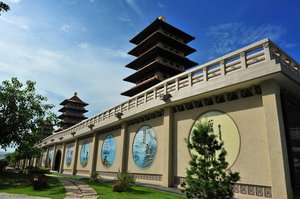
The architectural design of Fo Guang Shan Buddha Museum is deeply symbolic, reflecting fundamental concepts within Mahāyāna Buddhism. From the moment visitors step through the Gate of Perfect Ease and the Gate of Liberation—each adorned with majestic lion and elephant statues representing strength and wisdom—they embark on a journey guided by visual cues that reinforce Buddhist cosmology. The central element of this architectural narrative is undoubtedly the Fo Guang Big Buddha, an imposing statue crafted from bronze and symbolizing enlightenment itself. Surrounding it are eight pagodas meticulously designed to represent the Eight Auspicious Symbols of Buddhism – lotus blossoms, dharma wheels, vajras, parasols, banners, bells, stupas, and treasures—each embodying specific virtues and aspirations. The careful arrangement of these structures underscores the interconnectedness of Buddhist thought and practice, creating a harmonious environment conducive to spiritual reflection.A Collection Reflecting Buddhist Art Heritage
The museum’s collection showcases an impressive array of artworks spanning centuries of Buddhist artistic tradition, primarily originating from China and Taiwan. Paintings depict scenes from Buddhist scriptures and embody stylistic influences ranging from Tang Dynasty landscapes to Ming Dynasty portraits—demonstrating the breadth of Buddhist aesthetic expression across time periods. Sculptures crafted in stone and bronze portray figures revered within Buddhism – bodhisattvas, Buddhas, and enlightened beings – reflecting meticulous craftsmanship and conveying profound spiritual symbolism. Installations incorporate multimedia elements such as films and interactive displays that illuminate Buddhist concepts and engage visitors intellectually. The curators have prioritized artworks that exemplify the museum’s commitment to preserving cultural heritage while fostering appreciation for Buddhist art forms.Global Recognition and Continuing Mission
Fo Guang Shan Buddha Museum achieved international acclaim in 2014 when it was accepted as the youngest member of the International Council of Museums (ICOM), signifying its adherence to rigorous standards of museum management and ethical conduct. This distinction underscores the museum’s dedication to promoting cultural understanding and fostering dialogue between diverse communities worldwide. Furthermore, Fo Guang Shan Buddha Museum continues to champion educational initiatives aimed at disseminating Buddhist wisdom and cultivating compassion—a mission that aligns seamlessly with Venerable Master Hsing Yun's lifelong commitment to serving humanity through spiritual practice. The museum stands as a testament to the transformative power of art and faith, inviting visitors to contemplate the enduring relevance of Buddhist principles in addressing contemporary challenges and fostering a more harmonious world.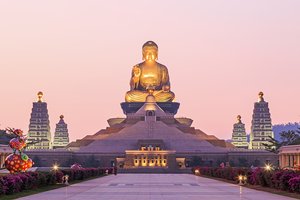
Datos clave
- Artistic Movement Or Style: Buddhist Art
- Full Name: Fo Guang Shan Buddha Museum
- Nationality: Taiwanese
- Notable Artworks:
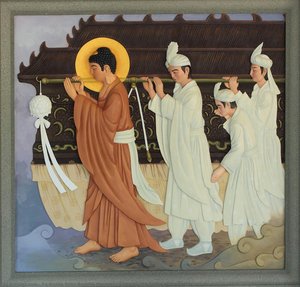
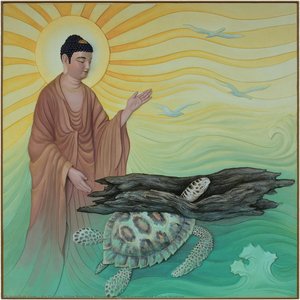
- The Buddha Entering Parinirvana
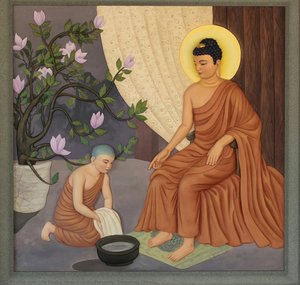
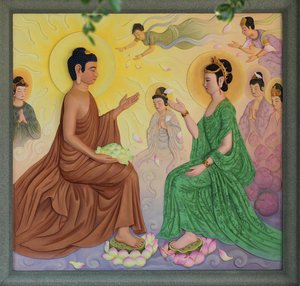
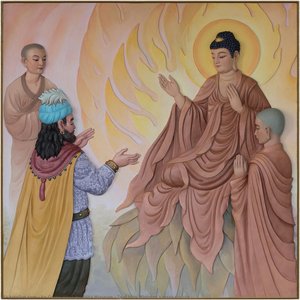
- Teaching Sujata
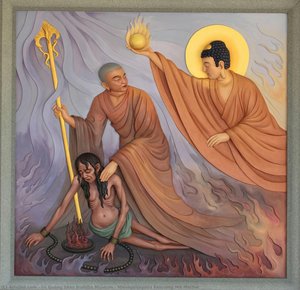
- Daoist Ritual
- Sewing Three Robes…
- Place Of Birth: Dashun District, Taiwan
Artículos relacionados

Esculturas de Bronce Legendarias: 10 Obras Maestras que Transformaron el Arte | ArtsDot
Descubre las 10 esculturas de bronce más legendarias que revolucionaron el arte. Explora la historia de Rodin, Degas y otros maestros del bronce. Encuentra reproducciones de alta calidad e inspiración para tu hogar en ArtsDot.com.

Las 10 Obras Maestras de Bronce que Revolucionaron la Historia del Arte | ArtsDot
Descubre las 10 esculturas de bronce más influyentes de la historia del arte. Explora obras maestras de Rodin, Degas y otros genios. Encuentra reproducciones de arte de calidad museo en ArtsDot.com.

The Enduring Form: Exploring Themes & Techniques in Sculpture Across Historical Periods
Explore the rich history of sculpture from ancient masterpieces to contemporary innovations. Discover key techniques, influential artists & investment potential for discerning art collectors.
The Alchemy of Clay: A Collector's Guide to the Mastery, Texture, and Timeless Form of Ceramic Art
Discover the profound beauty of ceramic art. Our expert guide explores the alchemy of clay, texture, and glaze, offering collectors deep insights into mastering earth and fire to create timeless, sculptural masterpieces for any curated collection.
The Enduring Form: Sculpture Across History, Technique & Emotional Resonance
Explore the rich history of sculpture with ArtsDot. Discover key techniques, influential artists & investment potential for discerning collectors. Expert insights into valuing and collecting timeless masterpieces.