 Vista previa
 Compartir
 Compartir
 Ver detalles

 Descargar
 Ver similares
 Radiografía
 Presentación de diapositivas
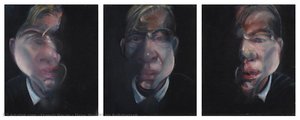
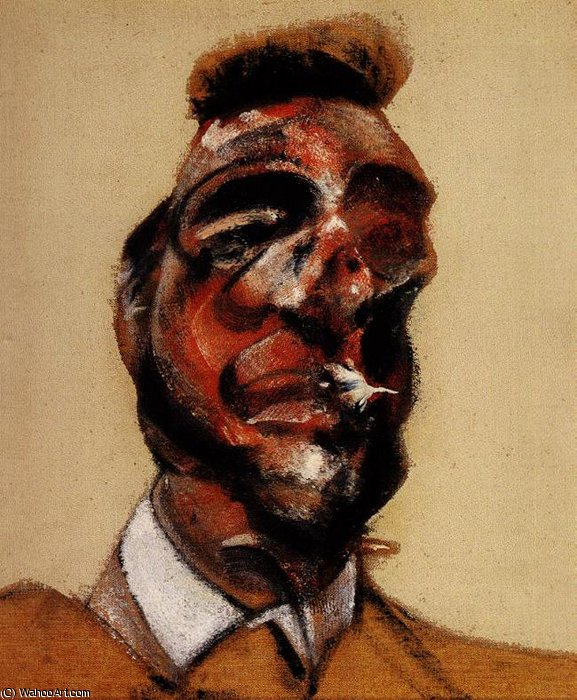
Three Studies for Portr. of G.Dyer on light ground lef


 Leer más
Reproducción al óleo hecha a mano
Óleo sobre lienzo pintado a mano en el tamaño y marco de su elección, realizado por encargo por nuestros artistas. ( Pedir impresión Comprar descarga)




P118B $10

P118H $10

P118W $10

P438Z $10

P508JH $12

P508YH $12

P805H $10

P805Z $10

P919BZ $10

P919G $10

P919XJ $10

P959ZH $10

P968JZ $12

W106C $8

W218G $10

W218JH $8

W218Y $10

W307PJ $10

W316G $10

W316PJ $8

W316Y $10

W398PJ $8

W4111J $10

W500HY $15

W500JH $15

W692G $12

W849H $8

W940BG $15

W953PJ $8




Elija entre nuestros tamaños predefinidos que respetan las proporciones originales de la obra.

Puede ingresar sus propias dimensiones para adaptarse a un marco o espacio específico. Si el tamaño seleccionado no coincide con las proporciones de la imagen original, recortaremos la obra o extenderemos la pintura con elementos adicionales pintados a mano. Se le enviará una maqueta digital para su aprobación antes de comenzar la producción.
Tenga en cuenta que la vista previa en pantalla no refleja el recorte o la extensión reales. Solo la maqueta mostrará con precisión la composición final.
Si bien existen tamaños personalizados, recomendamos seleccionar una dimensión de la lista predefinida para preservar las proporciones originales.
Tras realizar el pedido, el equipo de ArtsDot.com enviará un correo electrónico al cliente para solicitar instrucciones y proporcionarle una vista previa del boceto.
Envío a todo el mundo () en 3-4 semanas en lugar de las 5 semanas estándar. (21 agosto). Sin comprometer la calidad.

Envío exprés gratuito a todo el mundo

Lienzo de lino de alta calidad

Seguro de envío completo

Garantía de reembolso de aranceles aduaneros

Garantía de fidelidad cromática exacta

Política de devolución de 60 días (solo por defectos)

Garantía de devolución del 100% del dinero

Oferta por volumen
 La opción de vidrio solo está disponible en tamaños inferiores a 110 cm.

Three Studies for Portr. of G.Dyer on light ground lef
Técnica de reproducción
Tamaño de la reproducción
-


Precio total
$ 263
Descripción de la obra
A Descent Into Darkness: The Visceral Power of Francis Bacon
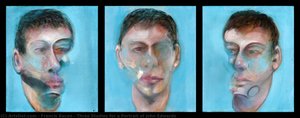
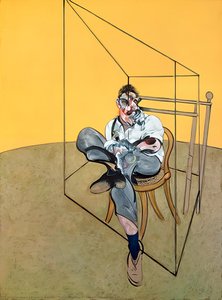
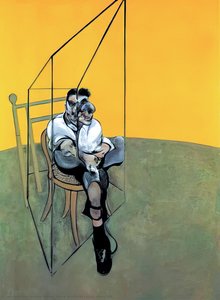
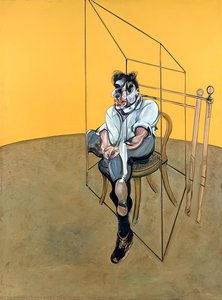
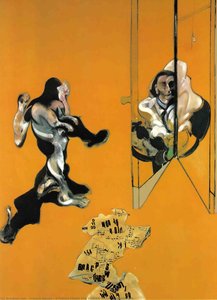
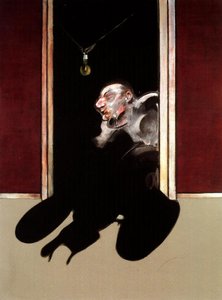
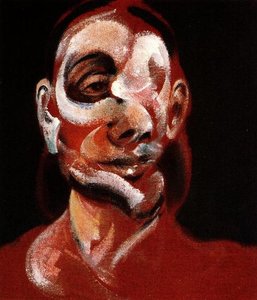
To gaze upon Francis Bacon’s "Three Studies for Portr. of G.Dyer on light ground left" is to enter a realm where the boundaries between the physical body and psychological torment dissolve. Completed in 1953, this seminal work serves as more than a mere portrait; it is an excavation into the depths of human vulnerability. Created in the somber aftermath of World War II, the painting breathes the pervasive anxiety of a fractured Europe, reflecting a period defined by geopolitical instability and a profound crisis of identity. Bacon himself famously described his work as “a portrait of terror,” a sentiment that resonates through every distorted line and unsettling smear of pigment on the canvas.
The subject, G. Dyer, is not presented with the dignity typically afforded to portraiture. Instead, the viewer is confronted with a series of disfigured, almost unrecognizable faces that seem to be caught in a moment of silent, agonizing transformation. The light ground of the composition provides a stark, jarring contrast to the grotesque nature of the figures, forcing the eye to focus intently on the carnage of the flesh. This tension between the bright, clinical background and the visceral decay of the subject creates an eerie, dreamlike atmosphere that lingers in the mind long after the initial viewing.
The Brutal Beauty of Expressionist Technique
Bacon’s mastery lies in his rejection of traditional, polished aesthetics in favor of a technique that prioritizes raw emotional intensity. Eschewing meticulous blending and the illusion of realistic depth, he employed a method he often referred to as “squeeze.” By applying paint directly to the canvas with his hands or a palette knife, Bacon infused the work with a physical urgency. This tactile approach results in thick impasto and jagged, frenetic lines that mirror the artist’s own turbulent inner life. The lack of tonal gradation and the deliberate distortion of anatomical features serve to strip away the mask of civilization, revealing the primal fear beneath.
For the collector or interior designer, this piece offers a profound sense of movement and texture. The way the paint clings to the surface creates a palpable energy that can anchor a room with its commanding presence. It is an artwork that does not merely sit on a wall; it interacts with the space around it, demanding attention through its sheer physicality and the unapologetic honesty of its execution.
An Icon of Existential Reflection
Beyond its technical brilliance, this work stands as a monumental achievement in 20th-century Expressionism. It captures the essence of existential angst—the feeling of being lost in a world that has lost its moral and structural compass. The symbolism within the distorted features suggests a loss of self, a fragmentation of the human soul that was deeply resonant with the post-war generation. Every smear of color and every fractured shape acts as a conduit for conveying feelings that words often fail to capture.
Owning or displaying a high-quality reproduction of this masterpiece allows one to bring a piece of art history's most provocative era into a contemporary setting. It serves as a conversation starter, an intellectual anchor, and a profound meditation on the human condition. Whether placed in a minimalist gallery-style room or a richly textured study, Bacon’s work provides an unparalleled depth of character, offering inspiration to those who find beauty in the raw, the unfiltered, and the deeply human.
Obras relacionadas
Biografía del artista
**vida temprana y carrera**
francis bacon, un pintor figurativo irlandés nacido en Gran Bretaña, nació el 28 de octubre de 1909 en Dublín, Irlanda. Su vida temprana estuvo marcada por una serie de traslados debido a la búsqueda de su familia de un clima adecuado para la salud de su madre. Esta infancia itinerante influiría más tarde en el enfoque artístico de Bacon.**estilo artístico y temas**
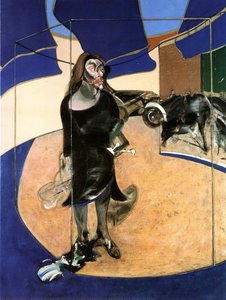
Bacon es conocido por sus imágenes audaces, emocionalmente cargadas y a menudo grotescas. Sus figuras abstractas suelen estar aisladas en espacios geométricos y similares a jaulas, contra fondos planos e indiferentes. Este estilo único ha sido tanto elogiado como criticado por los críticos de arte.- retrato de isabel rawsthorne de pie en la calle Soho, una obra seminal que muestra la capacidad de Bacon para capturar la esencia de sus sujetos en un entorno aparentemente abstracto.
- número vii de ocho estudios para un retrato, ejemplificando la exploración del artista sobre la forma humana a través de una serie de estudios.
**influencias y legado**
La obra de Bacon ha sido influenciada por diversas fuentes, incluyendo los autorretratos de margarita helena vieira da silva y el expresionismo abstracto de piet mondrian. Su legado continúa inspirando a nuevas generaciones de artistas, con su estilo audaz e innegable siendo un pilar fundamental del arte moderno.**exposiciones notables y colecciones**
- la sociedad del museo de arte fino (Reino Unido, que ha exhibido las obras de Bacon junto con otras artistas británicas destacadas. - la galería nacional (Noruega, presentando una colección exhaustiva del arte europeo, incluyendo obras de Bacon. **obras clave y colecciones:** - francis bacon: retrato de isabel rawsthorne de pie en la calle Soho - francis bacon: número vii de ocho estudios para un retrato **museos y galerías de arte:** - la sociedad del museo de arte fino (Reino Unido - la galería nacional (Noruega**conclusión**
La vida turbulenta y el enfoque innovador de Francis Bacon en la pintura figurativa han dejado una marca indeleble en el mundo del arte. Su legado, caracterizado por imágenes audaces y emocionalmente cargadas, continúa influyendo a los artistas contemporáneos e intrigando al público. **lecturas recomendadas:** - biografía de francis bacon - wikipedia: francis bacon (artista)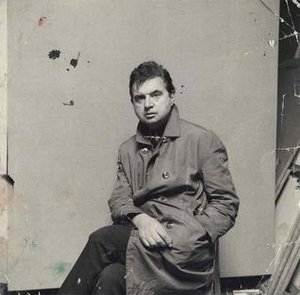
Francis Bacon
1909 - 1992 , irlanda
Datos clave
- Artistas Que Influyeron:
- Pablo Picasso
- Egon Schiele
- Diego Velázquez
- Fecha De Muerte: 28 de abril de 1992
- Fecha De Nacimiento: 28 de octubre de 1909
- Influencia En Artistas:
- Adrian Ghenie
- Robert Priseman
- Lugar De Nacimiento: Dublín, Irlanda
- Movimiento Artístico: Expresionismo, Figurativo
- Nacionalidad: Irlandés-Británico
- Nombre Completo: Francis Bacon
- Obras Notables:
- Tres estudios para una crucifixión
- Retrato de Isabel Rawsthorne
- Estudio tras Velázquez
- Autorretrato, espejo
Artículos relacionados
Francis Bacon: Las 25 Obras Maestras del Expresionismo y su Impacto en el Arte Moderno
Explora las 25 obras maestras de Francis Bacon, el expresionismo visceral y la angustia humana. Descubre retratos icónicos, trípticos impactantes y su legado en el arte moderno. Reproducciones de museo en ArtsDot.com.
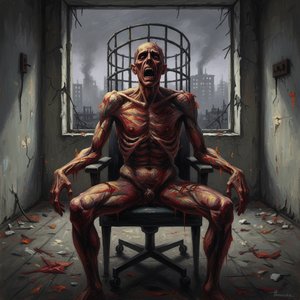
The Existential Anguish of Francis Bacon: Trauma, Form & the Post-War Condition
Explore the profound existential anguish of Francis Bacon's art. Discover how trauma shaped his iconic paintings & lasting influence on modern expressionism. A guide for discerning collectors.
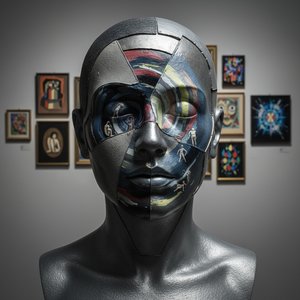
Unveiling Inner Worlds: Exploring Psychological Depth in 20th & 21st Century Art
Explore the profound psychological themes within 20th & 21st-century art. Discover Expressionism, Surrealism & more – and learn how to collect impactful pieces with confidence. Expert insights for discerning collectors.
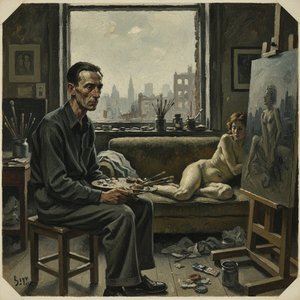
Lucian Freud: A Psychological Portraiture of Post-War Existence
Explore the profound psychological depth of Lucian Freud's portraits. Discover his unique realism, artistic evolution, and lasting influence on modern art. A collector’s guide to a master.
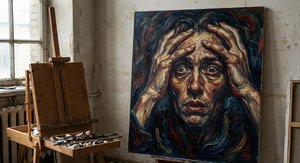
Expresionismo Figurado: Intensidad Emocional y Realidad Subjetiva en el Arte del Siglo XX
Explora la intensidad emocional del Expresionismo Figurado alemán. Descubre sus orígenes, artistas clave como Munch y Kirchner, y su legado en el arte moderno. Análisis experto y profundo.