

 Vista previa
 Compartir
 Compartir
 Ver detalles

 Descargar
 Ver similares
 Radiografía
 Presentación de diapositivas
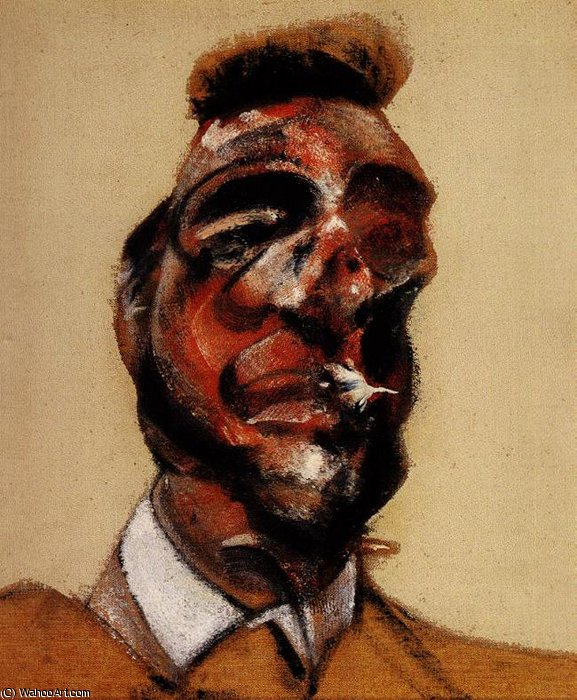
Three Studies for Portr. of G.Dyer on light ground lef


 Leer más
Adquiera una imagen digital de alta resolución y optimizada, muy superior a la vista previa en línea.
Cada archivo es preparado meticulosamente por nuestros especialistas internos mediante el uso de herramientas avanzadas y un experto retoque manual. Nos aseguramos de que cada imagen posea una claridad excepcional, una precisión cromática impecable y un detalle minucioso.
El archivo final se entrega por correo electrónico en un plazo de 72 horas, optimizado para su uso inmediato en entornos profesionales, editoriales y de impresión. Esta es la misma calidad en la que confían los estudios de diseño, las editoriales y las galerías de primer nivel.
Imagen Digital
Descarga un archivo de alta resolución para exhibición personal, impresión y proyectos creativos. ( Pedir impresión Encargar reproducción pintada a mano)
Incluido en cada compra de imágenes digitales
Entrega digital experta, garantizada.
Al elegir ArtsDot.com, no solo está adquiriendo una imagen; está recibiendo una obra de arte digital mejorada profesionalmente, elaborada con precisión y respaldada por una garantía de satisfacción. Esto es todo lo que incluye su pedido, automáticamente:

Entrega rápida por email
Recibirá su archivo de imagen digital en alta resolución por correo electrónico en un plazo de 72 horas tras realizar su pedido, listo para su uso inmediato.

Archivo digital optimizado por IA
Su obra de arte se optimiza profesionalmente mediante herramientas avanzadas de IA y edición manual, garantizando el máximo detalle, claridad y precisión cromática.

Reenvío gratuito de por vida
¿Has borrado o perdido tu archivo por error? No te preocupes: te lo volveremos a enviar en cualquier momento, sin coste adicional.

Sin gastos de importación, siempre
Disfrute de su obra de arte al instante sin aduanas, aranceles ni gastos de envío; las descargas digitales siempre están libres de impuestos.

Garantía de precisión de color
Garantizamos que su imagen digital refleje los colores originales con la mayor fidelidad posible, mediante el uso de herramientas profesionales y gestión del color.

Garantía de satisfacción de 60 días
Si no está satisfecho con su imagen digital, la revisaremos o le reembolsaremos el 100% en un plazo de 60 días, sin preguntas.

100% Garantía de devolución de dinero
¿No está satisfecho? Obtenga un reembolso completo dentro de los 60 días posteriores a la recepción de su archivo digital, sin necesidad de explicaciones.

Descuentos por volumen
Compra 3 imágenes, ahorra 10% - Compra 5, ahorra 15% - Compra 10+, ahorra 20%. Ideal para proyectos creativos, galerías y agencias.
Descripción del coleccionable
A Descent Into Darkness: The Visceral Power of Francis Bacon
To gaze upon Francis Bacon’s "Three Studies for Portr. of G.Dyer on light ground left" is to enter a realm where the boundaries between the physical body and psychological torment dissolve. Completed in 1953, this seminal work serves as more than a mere portrait; it is an excavation into the depths of human vulnerability. Created in the somber aftermath of World War II, the painting breathes the pervasive anxiety of a fractured Europe, reflecting a period defined by geopolitical instability and a profound crisis of identity. Bacon himself famously described his work as “a portrait of terror,” a sentiment that resonates through every distorted line and unsettling smear of pigment on the canvas.
The subject, G. Dyer, is not presented with the dignity typically afforded to portraiture. Instead, the viewer is confronted with a series of disfigured, almost unrecognizable faces that seem to be caught in a moment of silent, agonizing transformation. The light ground of the composition provides a stark, jarring contrast to the grotesque nature of the figures, forcing the eye to focus intently on the carnage of the flesh. This tension between the bright, clinical background and the visceral decay of the subject creates an eerie, dreamlike atmosphere that lingers in the mind long after the initial viewing.
The Brutal Beauty of Expressionist Technique
Bacon’s mastery lies in his rejection of traditional, polished aesthetics in favor of a technique that prioritizes raw emotional intensity. Eschewing meticulous blending and the illusion of realistic depth, he employed a method he often referred to as “squeeze.” By applying paint directly to the canvas with his hands or a palette knife, Bacon infused the work with a physical urgency. This tactile approach results in thick impasto and jagged, frenetic lines that mirror the artist’s own turbulent inner life. The lack of tonal gradation and the deliberate distortion of anatomical features serve to strip away the mask of civilization, revealing the primal fear beneath.
For the collector or interior designer, this piece offers a profound sense of movement and texture. The way the paint clings to the surface creates a palpable energy that can anchor a room with its commanding presence. It is an artwork that does not merely sit on a wall; it interacts with the space around it, demanding attention through its sheer physicality and the unapologetic honesty of its execution.
An Icon of Existential Reflection
Beyond its technical brilliance, this work stands as a monumental achievement in 20th-century Expressionism. It captures the essence of existential angst—the feeling of being lost in a world that has lost its moral and structural compass. The symbolism within the distorted features suggests a loss of self, a fragmentation of the human soul that was deeply resonant with the post-war generation. Every smear of color and every fractured shape acts as a conduit for conveying feelings that words often fail to capture.
Owning or displaying a high-quality reproduction of this masterpiece allows one to bring a piece of art history's most provocative era into a contemporary setting. It serves as a conversation starter, an intellectual anchor, and a profound meditation on the human condition. Whether placed in a minimalist gallery-style room or a richly textured study, Bacon’s work provides an unparalleled depth of character, offering inspiration to those who find beauty in the raw, the unfiltered, and the deeply human.
Obras relacionadas
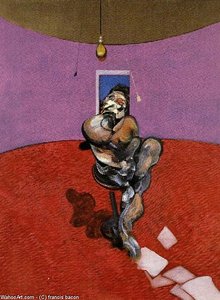
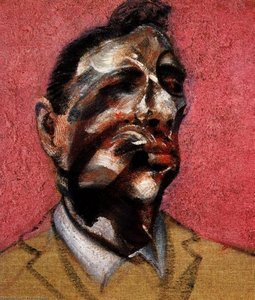
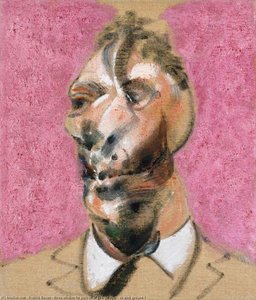
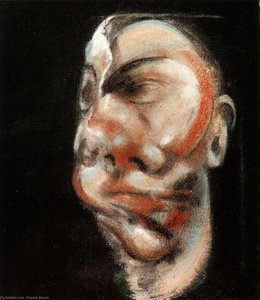
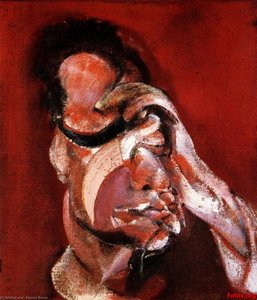
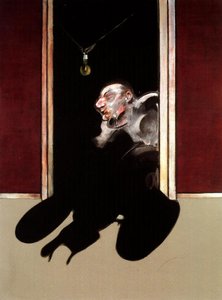
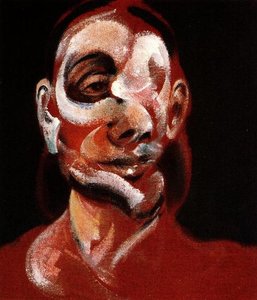
Biografía del artista
**vida temprana y carrera**
francis bacon, un pintor figurativo irlandés nacido en Gran Bretaña, nació el 28 de octubre de 1909 en Dublín, Irlanda. Su vida temprana estuvo marcada por una serie de traslados debido a la búsqueda de su familia de un clima adecuado para la salud de su madre. Esta infancia itinerante influiría más tarde en el enfoque artístico de Bacon.**estilo artístico y temas**
Bacon es conocido por sus imágenes audaces, emocionalmente cargadas y a menudo grotescas. Sus figuras abstractas suelen estar aisladas en espacios geométricos y similares a jaulas, contra fondos planos e indiferentes. Este estilo único ha sido tanto elogiado como criticado por los críticos de arte.- retrato de isabel rawsthorne de pie en la calle Soho, una obra seminal que muestra la capacidad de Bacon para capturar la esencia de sus sujetos en un entorno aparentemente abstracto.
- número vii de ocho estudios para un retrato, ejemplificando la exploración del artista sobre la forma humana a través de una serie de estudios.
**influencias y legado**
La obra de Bacon ha sido influenciada por diversas fuentes, incluyendo los autorretratos de margarita helena vieira da silva y el expresionismo abstracto de piet mondrian. Su legado continúa inspirando a nuevas generaciones de artistas, con su estilo audaz e innegable siendo un pilar fundamental del arte moderno.**exposiciones notables y colecciones**
- la sociedad del museo de arte fino (Reino Unido, que ha exhibido las obras de Bacon junto con otras artistas británicas destacadas. - la galería nacional (Noruega, presentando una colección exhaustiva del arte europeo, incluyendo obras de Bacon. **obras clave y colecciones:** - francis bacon: retrato de isabel rawsthorne de pie en la calle Soho - francis bacon: número vii de ocho estudios para un retrato **museos y galerías de arte:** - la sociedad del museo de arte fino (Reino Unido - la galería nacional (Noruega**conclusión**
La vida turbulenta y el enfoque innovador de Francis Bacon en la pintura figurativa han dejado una marca indeleble en el mundo del arte. Su legado, caracterizado por imágenes audaces y emocionalmente cargadas, continúa influyendo a los artistas contemporáneos e intrigando al público. **lecturas recomendadas:** - biografía de francis bacon - wikipedia: francis bacon (artista)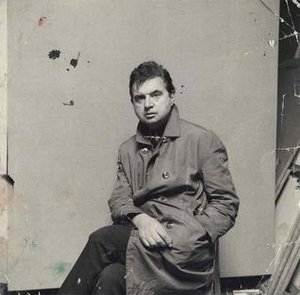
Francis Bacon
1909 - 1992 , irlanda
Datos clave
- Artistas Que Influyeron:
- Pablo Picasso
- Egon Schiele
- Diego Velázquez
- Fecha De Muerte: 28 de abril de 1992
- Fecha De Nacimiento: 28 de octubre de 1909
- Influencia En Artistas:
- Adrian Ghenie
- Robert Priseman
- Lugar De Nacimiento: Dublín, Irlanda
- Movimiento Artístico: Expresionismo, Figurativo
- Nacionalidad: Irlandés-Británico
- Nombre Completo: Francis Bacon
- Obras Notables:
- Tres estudios para una crucifixión
- Retrato de Isabel Rawsthorne
- Estudio tras Velázquez
- Autorretrato, espejo

