

 Ver en contexto
 Enviar
 Compartir
 Detalles

 Descargar
 Similares
 Radiografía
 Presentación de diapositivas
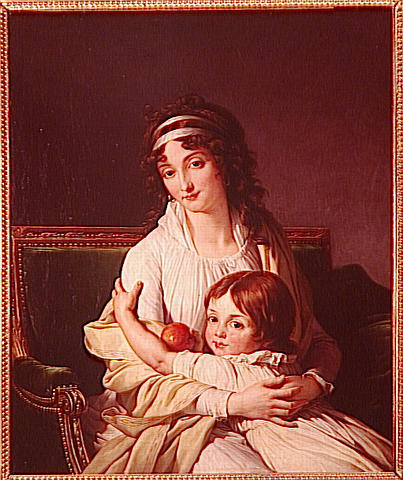
MADAME BOYER FONFREDE ET SON FILS HENRI


 Ver más
Giclée / Impresión de arte
Impresiones giclée o en lienzo de calidad de museo con producción rápida y opciones de acabado flexibles. ( Comprar pintura hecha a mano Comprar imagen)




P118B $10

P118H $10

P118W $10

P438Z $10

P508JH $12

P508YH $12

P805H $10

P805Z $10

P919BZ $10

P919G $10

P919XJ $10

P959ZH $10

P968JZ $12

W106C $8

W218G $10

W218JH $8

W218Y $10

W307PJ $10

W316G $10

W316PJ $8

W316Y $10

W398PJ $8

W4111J $10

W500HY $15

W500JH $15

W692G $12

W849H $8

W940BG $15

W953PJ $8




Elija entre nuestros tamaños predefinidos que respetan las proporciones originales de la obra.

Puede introducir sus propias dimensiones para adaptarse a un marco o espacio específico. Si el tamaño seleccionado no coincide con las proporciones de la imagen original, recortaremos la obra de arte o extenderemos la imagen con un borde con efecto espejo o de color sólido. Se enviará una maqueta digital para su aprobación antes de que comience la producción.
Tenga en cuenta que la vista previa en pantalla no refleja el recorte o la extensión real. Solo la maqueta mostrará con precisión la composición final.
Aunque existen tamaños personalizados, recomendamos seleccionar una dimensión de la lista predefinida para preservar las proporciones originales.
Envío a todo el mundo () en 2 semanas en lugar de las 4/5 semanas estándar. (26 agosto)

Envío exprés gratuito a todo el mundo

Lienzo de lino de alta calidad

Seguro de envío total

Garantía de reembolso de impuestos aduaneros

Garantía de fidelidad cromática exacta

Política de devolución de 60 días (solo por defectos)

Garantía de devolución del 100% del dinero

Descuento por cantidad
 La opción de vidrio solo está disponible en tamaños inferiores a 110 cm.

MADAME BOYER FONFREDE ET SON FILS HENRI
Giclée / Impresión de arte
Dimensiones de la reproducción
-


Precio total final
$ 62
Descripción de la pieza
A Portrait of Grace and Lineage: François-André Vincent’s “Madame Boyer-Fonfrède et Son Fils”
François-André Vincent's "Madame Boyer-Fonfrède et Son Fils," painted in 1796, is more than a simple portrait; it’s a carefully constructed tableau of familial devotion and the quiet elegance characteristic of Neoclassical French art. This exquisite work, currently residing within the Louvre Museum’s collection, offers a glimpse into the refined world of late 18th-century Parisian society, capturing not just likenesses but also an atmosphere of dignified serenity.
The painting depicts Madame Boyer-Fonfrède and her young son, Henri, seated in an ornate chair—a piece of furniture itself contributing to the composition’s sense of wealth and status. Vincent masterfully employs a classical style reminiscent of the late 18th or early 19th century, drawing inspiration from the idealized forms and balanced compositions favored by artists like Raphael and Poussin. The figures are rendered with meticulous detail, showcasing Vincent's skill in capturing texture – the delicate folds of fabric, the sheen of polished wood, and the subtle nuances of skin tones.
Composition and Color Palette: Harmony and Restraint
The composition is remarkably balanced, adhering to a traditional three-quarter pose that allows for intimate observation of the subjects’ faces. Madame Boyer-Fonfrède sits slightly angled towards the viewer, her gaze direct yet gentle, while her son leans against her, his youthful face turned toward the audience—a gesture suggesting both affection and a quiet confidence. The color palette is deliberately restrained, dominated by soft, muted tones of white, cream, and pale pinks in the figures’ clothing, creating an atmosphere of understated luxury. These delicate hues are contrasted with the darker shades of brown and green found in the background and the chair's intricate detailing, adding depth and visual interest.
Vincent skillfully utilizes light to enhance the three-dimensionality of the forms. The diffused lighting, seemingly originating from an unseen source, casts subtle shadows that model the figures’ features and drapery, lending a remarkable sense of realism. The careful attention to detail in rendering these effects elevates the painting beyond mere representation, transforming it into a study of light and form.
Symbolism and Historical Context
Beyond its aesthetic qualities, “Madame Boyer-Fonfrède et Son Fils” carries subtle symbolic weight. The apple held by the child—a recurring motif in Western art—can be interpreted as representing innocence, prosperity, or even a connection to the biblical story of Adam and Eve. The painting was created during a period of significant social and political upheaval in France – the aftermath of the French Revolution – yet it exudes an air of stability and familial continuity. The Boyer-Fonfrède family were prominent figures within Parisian society, and this portrait served as a visual testament to their status and lineage.
François-André Vincent’s work reflects his place within the broader artistic landscape of his time. He was a key figure in the Neoclassical movement, which sought to revive the ideals and forms of classical antiquity. His rivalry with Jacques-Louis David—another prominent painter of the era—is well documented, and both artists contributed significantly to the evolution of French art during this period. Vincent’s ability to seamlessly blend classical influences with contemporary life is evident in “Madame Boyer-Fonfrède et Son Fils,” making it a compelling example of Neoclassical artistry.
A Timeless Portrait: Reproduction Possibilities
Reproductions of "Madame Boyer-Fonfrède et Son Fils" offer an exceptional opportunity to bring this exquisite work into any home or office. ArtsDot.com specializes in high-quality hand-painted reproductions, meticulously crafted by skilled artists who emulate Vincent’s techniques and attention to detail. Whether you desire a large-scale statement piece for a grand salon or a smaller, more intimate reproduction for a study or bedroom, we can create a bespoke artwork that captures the essence of this timeless portrait.
The painting's enduring appeal lies in its ability to evoke feelings of warmth, connection, and quiet dignity. It is a testament to the power of art to capture not just appearances but also the deeper emotions and relationships that define human experience.
Obras relacionadas
Biografía del artista
La visión neoclásica de François-André Vincent
En el vibrante y turbulento paisaje de la Francia de finales del siglo XVIII, pocos artistas capturaron la transición de la elegancia aristocrática a la solemnidad revolucionaria con tanta maestría como François-André Vincent. Nacido en París en 1746, dentro de un linaje de distinción artística —su padre, François-Elie Vincent, era un renombrado miniaturista—, Vincent estaba destinado a una vida definida por el pincel y el lienzo. Su formación temprana bajo el estimado Joseph-Marie Vien le proporcionó una base rigurota en la tradición académica; sin embargo, fue su capacidad innata para tender un puente entre la gracia refinada del Rococó y la naciente disciplina del Neoclasicismo lo que finalmente aseguraría su lugar en la historia del arte.
El alma artística de Vincent fue profundamente moldeada por su transformador viaje a Roma. Tras ganar el prestigioso Prix de Rome con su imponente obra, Germanicus Calms Sedition, obtuvo un acceso sin precedentes a los tesoros eternos de la antigüedad clásica. Viviendo y trabajando en el histórico Palazzo Mancini, Vincent se sumergió en el estudio de Rafael y en la precisión escultórica de los maestros antiguos. Este periodo no fue meramente un ejercicio académico, sino un despertar espiritual; le permitió infundir sus composiciones con un sentido de dignidad monumental y un equilibrio armonioso que se convertirían en su sello distintivo. Si bien se nutrió de una profunda inspiración del pasado clásico, permaneció agudamente consciente del mundo vivo que lo rodeaba, entrelazando a menudo la grandeza histórica con los sutiles matices de la vida contemporánea.
Un maestro del retrato y la narrativa histórica
La amplitud de la obra de Vincent es un testimonio de su versatilidad como narrador. Poseía la misma destreza para capturar la íntima profundidad psicológica de un individuo que para representar el caos abrumador de los conflictos históricos. En su retratística, se encuentra una capacidad notable para transmitir el carácter a través de pinceladas suaves y delicadas gradaciones tonales. Sus retratos de contemporáneos, incluyendo al legendario Jean-Honoré Fragonard, reflejan un cierto dinamismo y elegancia que sugieren una conexión profunda con la fluidez estilística de su época. Estas obras sirven como ventanas al tejido social de la Francia prerrevolucionaria, capturando el porte y la presencia de las figuras más notables de aquel tiempo.
Sin embargo, fue en el reino de la pintura histórica donde Vincent afirmó verdaderamente su dominio sobre el idioma neoclásico. Su habilidad para traducir narrativas históricas complejas en escenas visualmente impactantes le permitió participar en los diálogos más grandiosos de su tiempo. Un ejemplo sorprendente se encuentra en La Bataille des Pyramides, un impresionante óleo sobre lienzo que conmemora la victoria decisiva de Napoleón en 1798. En esta obra, Vincent se aleja de la composición estática, utilizando en su lugar pinceladas sueltas y tonos terrosos para evocar el polvo, el movimiento y la tensión atmosférica de un campo de batalla situado ante el telón de fondo de los antiguos monumentos egipcios. Esta capacidad para fusionar la escala épica de la historia con un sentido casi visceral de la atmósfera lo distingue de sus contemporáneos más rígidos.
Legado y trascendencia histórica
A lo largo de su carrera, Vincent ocupó una posición única dentro de la jerarquía artística francesa. Considerado a menudo como un rival sofisticado de Jacques-Louis David, ofreció una alternativa estilística que era quizás menos dogmática y más sintonizada con el sutil juego de la luz y la vida. Mientras que David se inclinaba hacia un Neoclasicismo más austero y severo, Vincent mantuvo un vínculo con la gracia y la fluidez heredadas de sus predecesores, creando un puente entre el viejo mundo y el nuevo. Sus contribuciones a la institucionalización del arte fueron igualmente significativas, al erigirse como una figura fundacional de la Académie des Beaux-Arts, ayudando a definir los estándares pedagógicos para generaciones de pintores franceses.
El legado perdurable de François-André Vincent reside en su capacidad para armonizar contradicciones: lo antiguo y lo moderno, lo monumental y lo íntimo, lo disciplinado y lo expresivo. Su obra sigue siendo un punto de referencia vital para comprender la evolución del arte francés durante una de sus épocas más transformadoras. A través de su técnica meticulosa y su profunda visión histórica, Vincent hizo más que simplemente registrar la historia; le insufló vida, asegurando que el espíritu de la era neoclásica continuara resonando mucho después de que la revolución hubiera pasado.
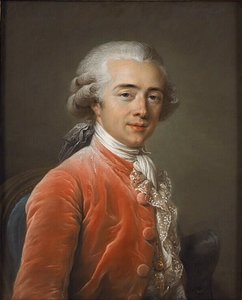
François André Vincent
1746 - 1816 , Francia
Datos clave
- Artistic Movement Or Style: Neoclásico
- Artists Who Influenced This Artist:
- Joseph-Marie Vien
- Jean-Honoré Fragonard
- Raphael
- Date Of Birth: 30 diciembre 1746
- Date Of Death: 4 agosto 1816
- Full Name: François André Vincent
- Nationality: Francés
- Notable Artworks:
- Henri IV et Sully à Fontainebleau
- Portrait de Pierre Rousseau
- El Sembrador (tras Millet)
- Place Of Birth: París, Francia
Artículos relacionados
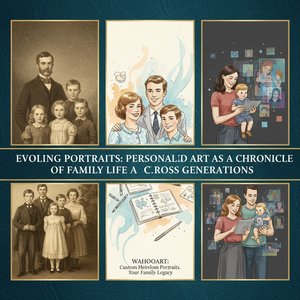
Evolución de los Retratos: El Arte Personalizado como Crónica de la Vida Familiar a Través de las Generaciones
Descubre la evolución del retrato familiar y cómo convertir tus recuerdos en obras de arte atemporales. Pinturas al óleo personalizadas por artistas expertos. ¡Preserva tu legado con ArtsDot!
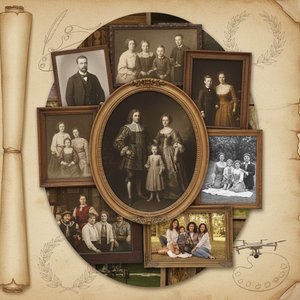
The Enduring Legacy of Family Portraiture: A Historical & Artistic Exploration
Explore the rich history of family portraiture with ArtsDot. Discover artistic styles, symbolism & collecting insights. Commission a custom oil painting or appraise your existing artwork today!

Ecos de la Ancestralidad: Retratos Familiares a Través de la Historia
Descubra la historia y el simbolismo del retrato familiar a través de los siglos. En , revive tu legado con reproducciones y comisiones personalizadas.

The Enduring Motif of Love in Art History: A Cross-Cultural Exploration of Representation and Emotion
Explore the rich history of love in art! Discover iconic masterpieces, artistic techniques & cultural symbolism from antiquity to modern times. Expert analysis for collectors.
Depicting Kinship: Family Values Across Artistic Movements & Historical Contexts
Explore the rich history of depicting kinship in art! From Dutch Masters to contemporary artists, discover how family values have been represented across movements & time. Expert insights for collectors at ArtsDot.

