

 Enviar
 Compartir
 Detalles

 Descargar
 Similares
 Presentación de diapositivas
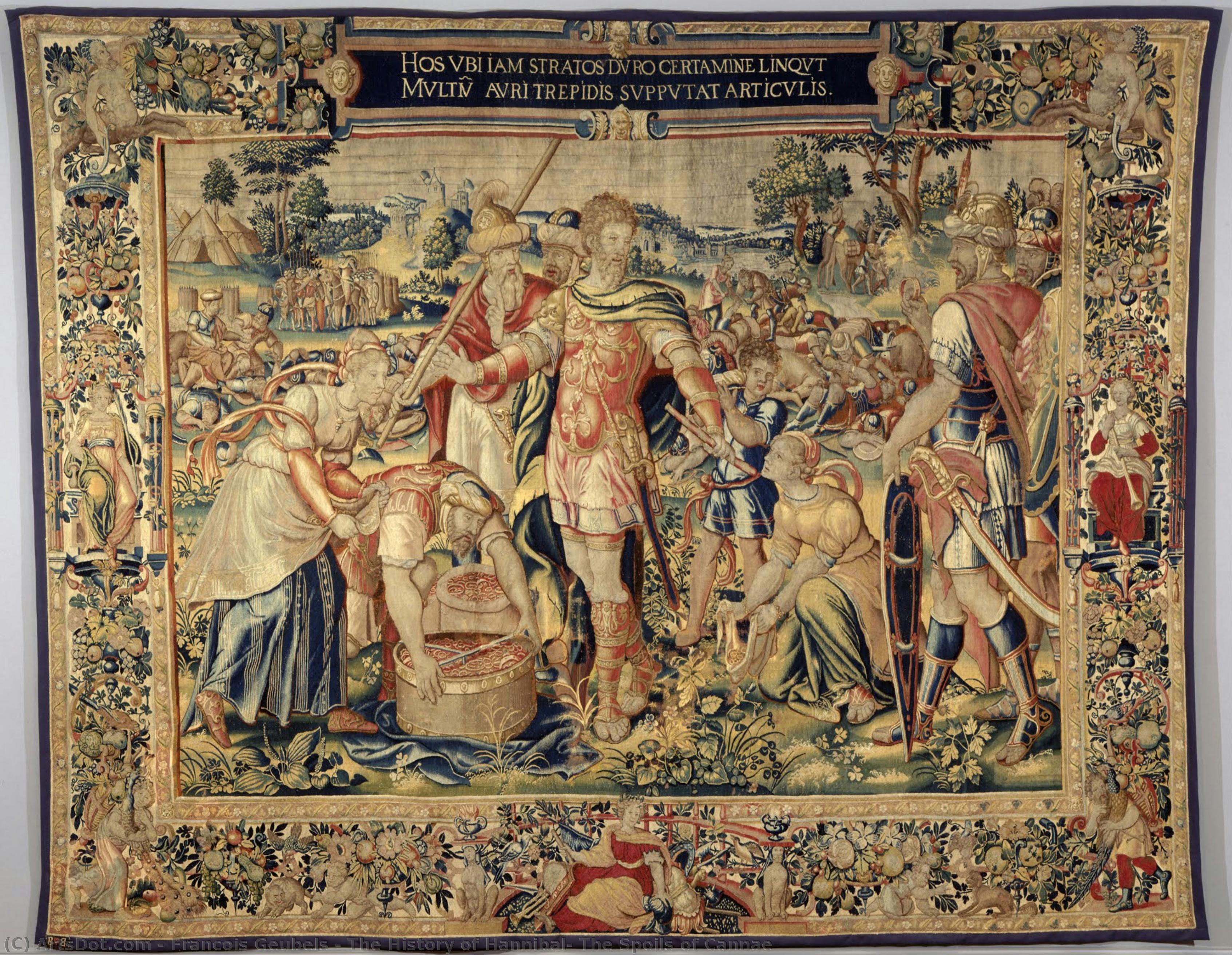
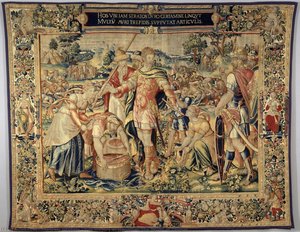
The History of Hannibal: The Spoils of Cannae
 Tapestry
- Textile
- Flemish Renaissance
 Renaissance
 353.0 x 426.0 cm
 Museo de Arte Chrysler
 Ver más
Adquiera una imagen digital de alta resolución y optimizada, muy superior a la vista previa en línea.
Cada archivo es preparado meticulosamente por nuestros especialistas internos mediante el uso de herramientas avanzadas y un experto retoque manual. Nos aseguramos de que cada imagen posea una claridad excepcional, una precisión cromática impecable y un detalle minucioso.
El archivo final se entrega por correo electrónico en un plazo de 72 horas, optimizado para su uso inmediato en entornos profesionales, editoriales y de impresión. Esta es la misma calidad en la que confían los estudios de diseño, las editoriales y las galerías de primer nivel.
Imagen Digital
Descarga un archivo de alta resolución para exhibición personal, impresión y proyectos creativos. ( Comprar impresión Comprar pintura hecha a mano)
Incluido en cada pedido de imágenes digitales
Entrega digital experta, garantizada.
Al elegir ArtsDot.com, no solo está adquiriendo una imagen; está recibiendo una obra de arte digital mejorada profesionalmente, elaborada con precisión y respaldada por una garantía de satisfacción. Esto es todo lo que incluye su pedido, automáticamente:

Entrega rápida por email
Recibirá su archivo de imagen digital en alta resolución por correo electrónico en un plazo de 72 horas tras realizar su pedido, listo para su uso inmediato.

Archivo digital optimizado por IA
Su obra de arte se optimiza profesionalmente mediante herramientas avanzadas de IA y edición manual, garantizando el máximo detalle, claridad y precisión cromática.

Reenvío gratuito de por vida
¿Has borrado o perdido tu archivo por error? No te preocupes: te lo volveremos a enviar en cualquier momento, sin coste adicional.

Sin gastos de importación, siempre
Disfrute de su obra de arte al instante sin aduanas, aranceles ni gastos de envío; las descargas digitales siempre están libres de impuestos.

Garantía de fidelidad de color
Garantizamos que su imagen digital refleje los colores originales con la mayor fidelidad posible, mediante el uso de herramientas profesionales y gestión del color.

Garantía de satisfacción de 60 días
Si no está satisfecho con su imagen digital, la revisaremos o le reembolsaremos el 100% en un plazo de 60 días, sin preguntas.

100% Garantía de devolución de dinero
¿No está satisfecho? Obtenga un reembolso completo dentro de los 60 días posteriores a la recepción de su archivo digital, sin necesidad de explicaciones.

Descuentos por pedidos grandes
Compra 3 imágenes, ahorra 10% - Compra 5, ahorra 15% - Compra 10+, ahorra 20%. Ideal para proyectos creativos, galerías y agencias.
A Grand Tapestry of Conquest and Glory
In the vast annals of the Flemish Renaissance, few mediums capture the epic scale of human ambition quite like the intricate tapestry. The History of Hannibal: The Spoils of Cannae stands as a breathtaking testament to this era, a monumental work that breathes life into one of antiquity's most legendary military triumphs. This grand textile does not merely depict a moment in time; it weaves a narrative of power, wealth, and the visceral reality of war. As the eye wanders across its expansive 353 x 426 cm surface, one is immediately transported to the heat of the Second Punic War, where the Carthaginian general Hannibal Barca orchestrated a victory so decisive it would haunt the Roman Republic for generations.
The composition is a masterclass in narrative movement. At its heart, the scene captures the heavy, triumphant atmosphere following the carnage of Cannae. The central figure of Hannibal stands as a pillar of command, receiving the spoils of war—a glittering hoard of gold that serves as a tangible symbol of his strategic brilliance. Surrounding him, the tapestry unfolds with a rhythmic complexity; soldiers are caught in various states of repose and action, some kneeling in exhaustion, others standing in watchful vigilance. The presence of a horse near the center adds a dynamic pulse to the scene, suggesting the restless energy that follows even the most decisive battle. Through the masterful use of earthy tones, the weaver creates a warm, historical patina that evokes the dust and grit of the ancient battlefield.
The Mastery of Flemish Weaving
Created by the skilled hands of François Geubels, a prominent figure in the flourishing tapestry workshops of Brussels and Antwerp, this work exemplifies the pinnacle of 16th-century textile artistry. Geubels, a master weaver of the Flemish Renaissance, possessed the rare ability to translate the dramatic tension of classical history into the medium of thread and dye. The technique required for such a large-scale piece is nothing short of extraordinary, demanding an intimate understanding of color gradation and fine detail to ensure that every soldier's expression and every glint of gold feels profoundly real.
For the discerning collector or interior designer, this piece offers more than mere decoration; it provides a profound sense of historical weight and architectural grandeur. The intricate craftsmanship of the Flemish tradition ensures that each reproduction retains the soul of the original, offering a rich, tactile experience that commands attention in any sophisticated setting. Whether placed in a grand library, a formal dining hall, or a curated gallery space, this tapestry serves as a window into a lost world of heroism and splendor, making it an incomparable centerpiece for those who seek to surround themselves with art that tells a story of enduring human legacy.
Obras relacionadas

Biografía del artista
a life woven with artistry
francois geubels, also known as frans geubels, was a flemish tapestry weaver born in antwerpen, belgium in 1520. he was active in brussels between 1546 and 1579. geubels was the husband of catherine van den eynde, another prominent tapestry weaver in brussels. after his death in 1578, their son jacques geubels ii continued the family workshop.artistic contributions and notable works
while specific works by francois geubels are not extensively documented, his influence on flemish tapestry weaving is undeniable. his involvement in brussels during a period of artistic flourishing contributed to the city's reputation for exquisite textiles.- notable artistic movement: geubels was part of the flemish renaissance, known for its intricate and detailed works.
- contribution to the family workshop: his legacy continued through his son, ensuring the family's artistic traditions endured.
museums and collections featuring similar artists
for those interested in exploring more of flemish art, particularly tapestry weaving, the following museums are recommended:- musées royaux des beaux-arts (brussels, belgium) - offers a wide range of artworks, including those from the flemish renaissance.
- cathedral of ste gudule (brussels, belgium) - while not exclusively focused on tapestries, its architecture and historical significance make it a must-visit for art enthusiasts.
legacy and influence
francois geubels' impact on the world of flemish tapestry weaving is evident in the continuation of his family's workshop by his son. though specific works are not widely available, his influence on the period's artistic landscape is undeniable.- family legacy: continued by jacques geubels ii.
- artistic movement: contributed to the flemish renaissance.
francois geubels
1520 - 1578 , Belgium
Breves datos
- Artistic Movement Or Style: High Renaissance, Mannerism
- Artists Or Movements Influenced By This Artist:
- Leonardo da Vinci
- Michelangelo
- Neoplatonism
- Artists Who Influenced This Artist:
- Giovanni Santi
- Pietro Perugino
- Date Of Birth: March 28, 1483
- Date Of Death: April 6, 1520
- Full Name: Raphael Sanzio da Urbino
- Nationality: Italian
- Notable Artworks:
- The School of Athens
- Sistine Madonna
- The Transfiguration
- Place Of Birth: Urbino, Italy

