

 Enviar
 Compartir
 Detalles

 Descargar
 Similares
 Presentación de diapositivas
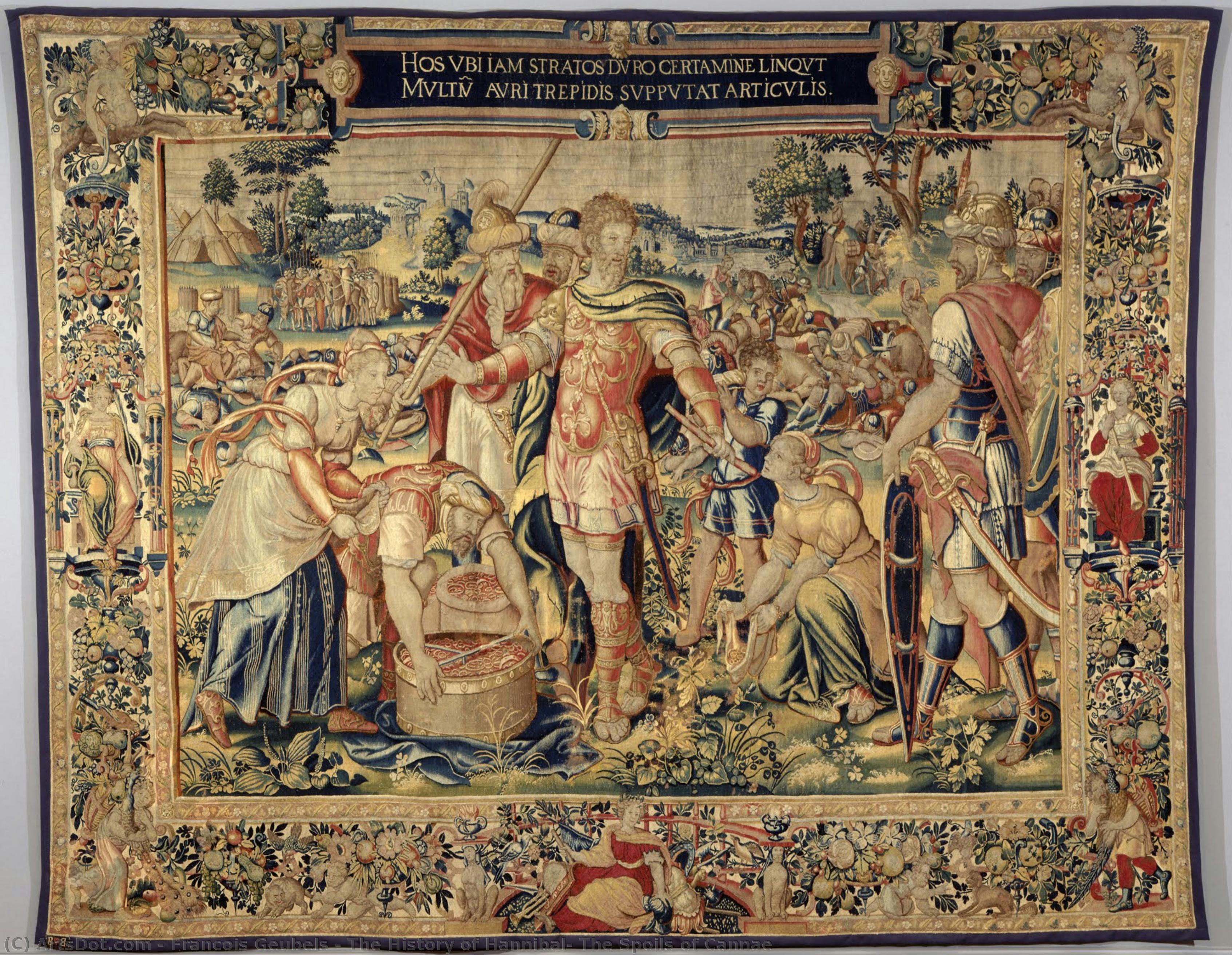
The History of Hannibal: The Spoils of Cannae
 Tapestry
- Textile
- Flemish Renaissance
 Renaissance
 353.0 x 426.0 cm
 Museo de Arte Chrysler
 Ver más
Giclée / Impresión de arte
Impresiones giclée o en lienzo de calidad de museo con producción rápida y opciones de acabado flexibles. ( Comprar pintura hecha a mano Comprar imagen)




































Elija entre nuestros tamaños predefinidos que respetan las proporciones originales de la obra.

Puede introducir sus propias dimensiones para adaptarse a un marco o espacio específico. Si el tamaño seleccionado no coincide con las proporciones de la imagen original, recortaremos la obra de arte o extenderemos la imagen con un borde con efecto espejo o de color sólido. Se enviará una maqueta digital para su aprobación antes de que comience la producción.
Tenga en cuenta que la vista previa en pantalla no refleja el recorte o la extensión real. Solo la maqueta mostrará con precisión la composición final.
Aunque existen tamaños personalizados, recomendamos seleccionar una dimensión de la lista predefinida para preservar las proporciones originales.
Envío a todo el mundo () en 2 semanas en lugar de las 4/5 semanas estándar. (3 septiembre)

Envío exprés gratuito a todo el mundo

Lienzo de lino de alta calidad

Seguro de envío total

Garantía de reembolso de impuestos aduaneros

Garantía de fidelidad cromática exacta

Política de devolución de 60 días (solo por defectos)

Garantía de devolución del 100% del dinero

Descuento por cantidad
 La opción de vidrio solo está disponible en tamaños inferiores a 110 cm.

The History of Hannibal: The Spoils of Cannae
Giclée / Impresión de arte
Dimensiones de la reproducción
-


Precio total final
$ 62
A Grand Tapestry of Conquest and Glory
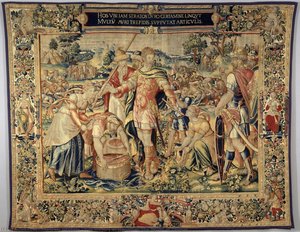
In the vast annals of the Flemish Renaissance, few mediums capture the epic scale of human ambition quite like the intricate tapestry. The History of Hannibal: The Spoils of Cannae stands as a breathtaking testament to this era, a monumental work that breathes life into one of antiquity's most legendary military triumphs. This grand textile does not merely depict a moment in time; it weaves a narrative of power, wealth, and the visceral reality of war. As the eye wanders across its expansive 353 x 426 cm surface, one is immediately transported to the heat of the Second Punic War, where the Carthaginian general Hannibal Barca orchestrated a victory so decisive it would haunt the Roman Republic for generations.
The composition is a masterclass in narrative movement. At its heart, the scene captures the heavy, triumphant atmosphere following the carnage of Cannae. The central figure of Hannibal stands as a pillar of command, receiving the spoils of war—a glittering hoard of gold that serves as a tangible symbol of his strategic brilliance. Surrounding him, the tapestry unfolds with a rhythmic complexity; soldiers are caught in various states of repose and action, some kneeling in exhaustion, others standing in watchful vigilance. The presence of a horse near the center adds a dynamic pulse to the scene, suggesting the restless energy that follows even the most decisive battle. Through the masterful use of earthy tones, the weaver creates a warm, historical patina that evokes the dust and grit of the ancient battlefield.
The Mastery of Flemish Weaving
Created by the skilled hands of François Geubels, a prominent figure in the flourishing tapestry workshops of Brussels and Antwerp, this work exemplifies the pinnacle of 16th-century textile artistry. Geubels, a master weaver of the Flemish Renaissance, possessed the rare ability to translate the dramatic tension of classical history into the medium of thread and dye. The technique required for such a large-scale piece is nothing short of extraordinary, demanding an intimate understanding of color gradation and fine detail to ensure that every soldier's expression and every glint of gold feels profoundly real.
For the discerning collector or interior designer, this piece offers more than mere decoration; it provides a profound sense of historical weight and architectural grandeur. The intricate craftsmanship of the Flemish tradition ensures that each reproduction retains the soul of the original, offering a rich, tactile experience that commands attention in any sophisticated setting. Whether placed in a grand library, a formal dining hall, or a curated gallery space, this tapestry serves as a window into a lost world of heroism and splendor, making it an incomparable centerpiece for those who seek to surround themselves with art that tells a story of enduring human legacy.
Obras relacionadas

Biografía del artista
a life woven with artistry
francois geubels, also known as frans geubels, was a flemish tapestry weaver born in antwerpen, belgium in 1520. he was active in brussels between 1546 and 1579. geubels was the husband of catherine van den eynde, another prominent tapestry weaver in brussels. after his death in 1578, their son jacques geubels ii continued the family workshop.artistic contributions and notable works
while specific works by francois geubels are not extensively documented, his influence on flemish tapestry weaving is undeniable. his involvement in brussels during a period of artistic flourishing contributed to the city's reputation for exquisite textiles.- notable artistic movement: geubels was part of the flemish renaissance, known for its intricate and detailed works.
- contribution to the family workshop: his legacy continued through his son, ensuring the family's artistic traditions endured.
museums and collections featuring similar artists
for those interested in exploring more of flemish art, particularly tapestry weaving, the following museums are recommended:- musées royaux des beaux-arts (brussels, belgium) - offers a wide range of artworks, including those from the flemish renaissance.
- cathedral of ste gudule (brussels, belgium) - while not exclusively focused on tapestries, its architecture and historical significance make it a must-visit for art enthusiasts.
legacy and influence
francois geubels' impact on the world of flemish tapestry weaving is evident in the continuation of his family's workshop by his son. though specific works are not widely available, his influence on the period's artistic landscape is undeniable.- family legacy: continued by jacques geubels ii.
- artistic movement: contributed to the flemish renaissance.
francois geubels
1520 - 1578 , Belgium
Datos clave
- Artistic Movement Or Style: High Renaissance, Mannerism
- Artists Or Movements Influenced By This Artist:
- Leonardo da Vinci
- Michelangelo
- Neoplatonism
- Artists Who Influenced This Artist:
- Giovanni Santi
- Pietro Perugino
- Date Of Birth: March 28, 1483
- Date Of Death: April 6, 1520
- Full Name: Raphael Sanzio da Urbino
- Nationality: Italian
- Notable Artworks:
- The School of Athens
- Sistine Madonna
- The Transfiguration
- Place Of Birth: Urbino, Italy
Artículos relacionados
Los 10 Cuadros Más Famosos en Tonos 'Hongo': Arte, Historia y Decoración
Descubre los 10 cuadros más emblemáticos en tonos tierra y ocres. Explora la historia, artistas como Monet y Van Gogh, e inspírate para decorar con arte atemporal. Reproducciones de museo en .
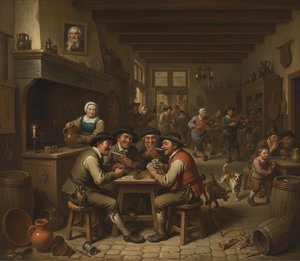
David Teniers II: Master of Flemish Genre & Social Commentary
Explore the captivating world of David Teniers II, a leading Flemish Baroque painter renowned for his lively genre scenes & insightful social commentary. Discover his masterpieces and legacy with ArtsDot.
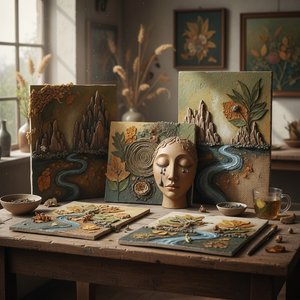
Tonos Terrosos y Resonancia Emocional: Explorando la Atmósfera de Obras con Raíces en la Naturaleza
Descubre el poder evocador de los tonos terrosos en la historia del arte. Explora obras maestras de Monet, Rafael y Sargent. Encuentra reproducciones de alta calidad para crear ambientes cálidos y llenos de resonancia emocional.
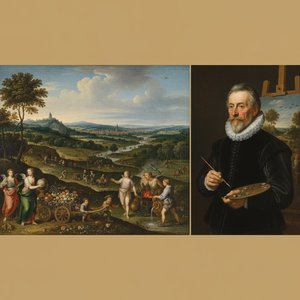
Jan Brueghel the Elder: A Master of Flemish Landscape & Allegory – Exploring Innovation & Influence
Explore the captivating world of Jan Brueghel the Elder, a Flemish Baroque master renowned for his stunning landscapes & allegorical paintings. Discover his collaborations with Rubens and lasting artistic legacy.
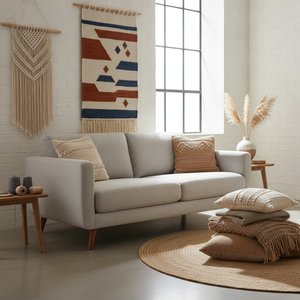
Woven Wonders: A Beginner's Guide to Elevating Your New Home with Timeless Textile Art
Discover how to transform your new home with the warmth of textile art. Our expert guide for newlyweds explores handwoven tapestries, tactile fibers, and timeless ways to curate a soulful, sophisticated interior through beautiful woven wonders.

