

 Ver en contexto
 Enviar
 Compartir
 Detalles

 Descargar
 Similares
 Radiografía
 Presentación de diapositivas
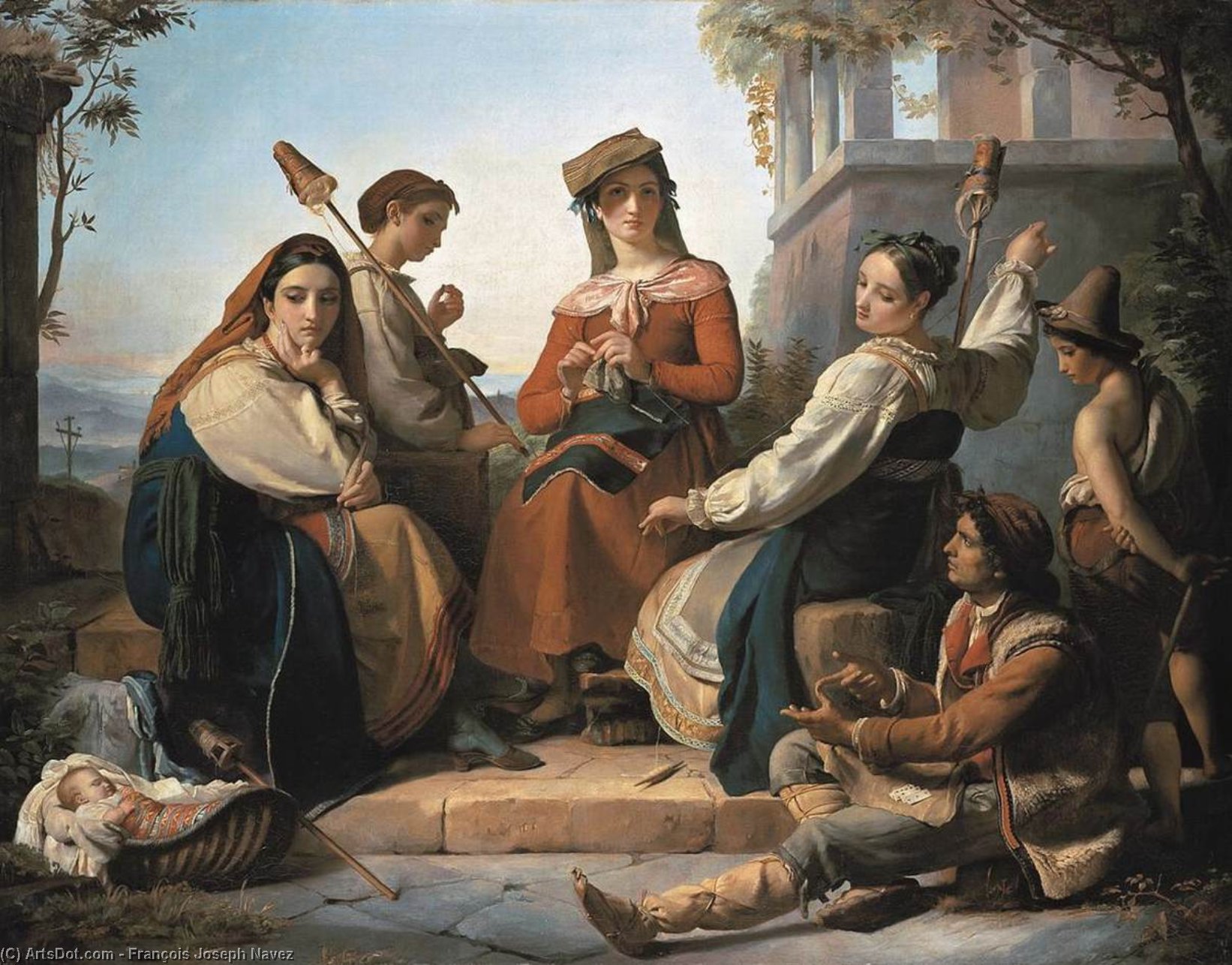
Women Spinning in Fondi
 Oil On Canvas
- WallArt
- Neoclassical Painting
 1845
1845 148.0 x 187.0 cm
 Neue Pinakothek
 Ver más
Reproducción al óleo hecha a mano
Óleo sobre lienzo pintado a mano en el tamaño y marco de su elección, realizado por encargo por nuestros artistas. ( Comprar impresión Comprar imagen)




P118B $10

P118H $10

P118W $10

P438Z $10

P508JH $12

P508YH $12

P805H $10

P805Z $10

P919BZ $10

P919G $10

P919XJ $10

P959ZH $10

P968JZ $12

W106C $8

W218G $10

W218JH $8

W218Y $10

W307PJ $10

W316G $10

W316PJ $8

W316Y $10

W398PJ $8

W4111J $10

W500HY $15

W500JH $15

W692G $12

W849H $8

W940BG $15

W953PJ $8




Elija entre nuestros tamaños predefinidos que respetan las proporciones originales de la obra.

Puede ingresar sus propias dimensiones para adaptarse a un marco o espacio específico. Si el tamaño seleccionado no coincide con las proporciones de la imagen original, recortaremos la obra o extenderemos la pintura con elementos adicionales pintados a mano. Se le enviará una maqueta digital para su aprobación antes de comenzar la producción.
Tenga en cuenta que la vista previa en pantalla no refleja el recorte o la extensión reales. Solo la maqueta mostrará con precisión la composición final.
Si bien existen tamaños personalizados, recomendamos seleccionar una dimensión de la lista predefinida para preservar las proporciones originales.
Tras realizar el pedido, el equipo de ArtsDot.com enviará un correo electrónico al cliente para solicitar instrucciones y proporcionarle una vista previa del boceto.
Envío a todo el mundo () en 3-4 semanas en lugar de las 5 semanas estándar. (25 agosto). Sin comprometer la calidad.

Envío exprés gratuito a todo el mundo

Lienzo de lino de alta calidad

Seguro de envío total

Garantía de reembolso de impuestos aduaneros

Garantía de fidelidad cromática exacta

Política de devolución de 60 días (solo por defectos)

Garantía de devolución del 100% del dinero

Descuento por cantidad
 La opción de vidrio solo está disponible en tamaños inferiores a 110 cm.

Women Spinning in Fondi
Técnica de reproducción
Dimensiones de la reproducción
-


Precio total final
$ 263
Descripción de la obra
A Window into Belgian Life: “Women Spinning in Fondi” by François-Joseph Navez
François-Joseph Navez’s “Women Spinning in Fondi,” painted in 1845, isn't merely a depiction of rural labor; it’s a poignant snapshot of a bygone era, capturing the heart and soul of Belgian village life. The scene unfolds within a modest interior, bathed in the warm glow of candlelight – a deliberate choice that immediately establishes an atmosphere of intimacy and domesticity. Navez masterfully employs light and shadow to draw our attention to the central group of women, their faces etched with quiet concentration as they diligently spin wool into yarn. This wasn’t simply a task; it was the lifeblood of the community, providing warmth, clothing, and a sense of shared purpose.
The painting's style firmly resides within the Neoclassical tradition, yet Navez imbues it with a subtle Romantic sensibility. The figures are rendered with a remarkable degree of realism, their hands moving with practiced grace – a testament to generations of skill passed down through families. However, there’s an underlying softness in the brushstrokes and a gentle warmth in the color palette that elevates the scene beyond mere documentation. Navez avoids stark formality, opting instead for a relaxed composition that invites the viewer into this intimate tableau. The use of muted earth tones – browns, ochres, and creams – reflects the humble setting and reinforces the painting’s focus on everyday life.
The Significance of Fondi
The choice of “Fondi” as the setting for this scene is particularly noteworthy. Fondi, a small town in Lazio, Italy, was a frequent subject of artistic inspiration during the 19th century, representing a romanticized vision of rural simplicity and tranquility. Navez’s decision to set his scene here subtly connects the painting to broader European artistic trends—a desire to escape the bustle of urban life and find solace in the natural world. The village itself is depicted with an almost idealized quality, suggesting a harmonious relationship between its inhabitants and their surroundings.
Beyond the specific location, “Women Spinning” speaks to a universal theme: the dignity of labor. These women aren’t presented as objects of pity or charity; they are portrayed as skilled artisans engaged in a vital activity. Their faces convey a sense of contentment and self-sufficiency – a quiet pride in their work and their contribution to the community. The inclusion of a small child nestled near the bottom left corner further emphasizes this theme, suggesting that these traditions are being passed down to the next generation.
Symbolism and Emotional Resonance
The act of spinning itself carries significant symbolic weight. It represents not only practical necessity but also creativity, patience, and connection to the past. The rhythmic motion of the spindles evokes a sense of continuity – a link between generations and a celebration of traditional skills. Furthermore, the gathering of women around the table suggests a strong social fabric, highlighting the importance of community bonds in rural life.
“Women Spinning in Fondi” is more than just a painting; it’s an evocative portrait of a specific time and place. Navez's masterful use of light, color, and composition creates a deeply emotional experience for the viewer, inviting us to reflect on the values of hard work, community, and the enduring beauty of everyday life. It remains a powerful reminder of the simple pleasures and profound connections that can be found in the heart of rural Belgium.
Technical Details & Reproduction Considerations
Painted in oil on canvas measuring 148 x 187 cm, “Women Spinning in Fondi” showcases Navez’s meticulous attention to detail. The artist skillfully rendered the textures of the wool, the folds of the women's dresses, and the flickering candlelight – all contributing to a remarkably realistic portrayal of the scene. The painting’s scale allows for a rich tapestry of color and form, creating a sense of depth and immediacy.
When considering reproductions, it is crucial to select a high-quality print that accurately captures the nuances of Navez's original work. The subtle gradations of light and shadow, as well as the delicate brushstrokes, are best reproduced with archival inks on fine art paper. A carefully executed reproduction will not only enhance your interior décor but also serve as a beautiful reminder of this captivating glimpse into Belgian village life.
Obras relacionadas

Biografía del artista
François-Joseph Navez: Una Vida en el Arte Neoclásico
Primeros Años y Educación
- Nacimiento: Charleroi, Bélgica, 16 de noviembre de 1787.
- Navez provenía de un origen privilegiado, lo que le permitió dedicarse por completo a los estudios artísticos desde una edad temprana.
- Comenzó su formación académica en la Academia Real de Bellas Artes de Bruselas de 1803 a 1808, estudiando bajo Pierre Joseph Célestin François.
- En 1810, cofundó la “Sociedad de Amantes de las Artes”, demostrando un temprano compromiso para fomentar una comunidad artística.
París y Roma: Influencias y Desarrollo
- Navez recibió el primer premio por pintura histórica en 1812, lo que le permitió viajar a París.
- Influencia Clave: De 1813 a 1816, estudió con Jacques-Louis David, una figura fundamental del arte neoclásico. Esta mentoría moldeó profundamente su estilo y enfoque.
- Continuó su viaje artístico en Roma de 1817 a 1822, donde conoció a Jean-Auguste-Dominique Ingres y afinó aún más sus habilidades dentro de la tradición clásica.
- Su tiempo en Italia inculcó una profunda apreciación por las formas y temas clásicos, que se convertirían en señas de identidad de su obra.
Carrera y Estilo Artístico
- Al regresar a Bélgica, Navez estableció un estudio exitoso y rápidamente ganó reconocimiento como un talentoso retratista.
- Enfoque Artístico: Se destacó en retratos, escenas históricas y temas mitológicos, todos ejecutados con meticuloso detalle y composiciones elegantes.
- Su estilo se caracterizó por su claridad de forma, composiciones equilibradas y expresión emocional contenida – señas distintivas del Neoclasicismo.
- Era un maestro en capturar la semejanza y el carácter de sus modelos en retratos.
Liderazgo en la Academia Real
- La influencia de Navez se extendió más allá de su propia práctica artística. Se convirtió en Director de la Académie Royale des Beaux-Arts de Bruselas entre 1835 y 1862.
- Impacto Educativo: En este papel, desempeñó un papel crucial en la formación de la próxima generación de artistas belgas.
- Entre sus notables alumnos se encontraban Jean-François Portaels (quien también se convirtió en su yerno) y Jean Carolus.
Obras Maestras y Legado
- Pinturas Notables: Algunas de sus obras más celebradas incluyen “Masacre de los Inocentes”, “La ninfa Salmacis y Hermofrodito”, “Mujeres tejiendo en Fondi” y su retrato de Jacques-Louis David.
- Sus pinturas se conservan en importantes colecciones museísticas, mostrando su valor artístico perdurable.
- Significado Histórico: Navez es considerado una figura destacada del arte neoclásico belga. Puenteó la brecha entre la tradición clásica y las tendencias románticas emergentes del siglo XIX.
- Murió en Bruselas el 12 de octubre de 1869, dejando un rico legado artístico que continúa inspirando y cautivando a audiencias hoy en día.
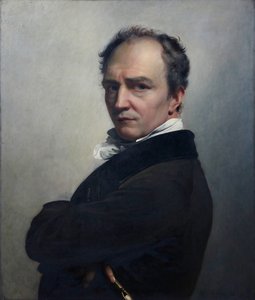
françois joseph navez
1787 - 1869 , Bélgica
Datos clave
- Artistic Movement Or Style: Neoclasicismo
- Artists Or Movements Influenced By This Artist: ['Romanticismo']
- Artists Who Influenced This Artist: ['Jacques Louis David']
- Date Of Birth: 1787
- Full Name: François Joseph Navez
- Nationality: Belga
- Notable Artworks:
- El Masacre de los Innocentes
- La Ninfa Salmacis y Hermófroditus
- Place Of Birth: Charleroi, Bélgica
Artículos relacionados
The Enduring Muse: Women as Subject & Symbol in Art History
Explore the rich history of women in art – from iconic muses to groundbreaking artists. Discover feminist movements, global perspectives & reclaim female narratives with ArtsDot.
Portrayals of Power & Perception: A Historical Survey of Women in Art
Explore the rich history of women in art – from iconic muses to groundbreaking artists. Discover feminist movements & reclaim female narratives with ArtsDot. Expert insights for discerning collectors.
The Enduring Muse: Women as Subject & Symbol in Art History
Explore the rich history of women in art – from archetypal representations to contemporary voices challenging norms. Discover iconic artists & movements, and learn about reclaiming female narratives through painting and beyond.
Scenes of Daily Life: A Comprehensive Exploration of Genre Painting Through History
Explore the rich history of genre painting! Discover Dutch Masters & European artists who captured everyday life with stunning realism. Learn about symbolism, techniques & lasting influence.
Echoes of Daily Life: Genre Painting & Societal Values Through the Ages
Explore the captivating world of genre painting! Discover Dutch Masters like Ostade & de Hooch, hidden symbolism, and social commentary in art history. Shop museum-quality reproductions at ArtsDot.

