

 Ver en contexto
 Enviar
 Compartir
 Detalles

 Descargar
 Similares
 Radiografía
 Presentación de diapositivas
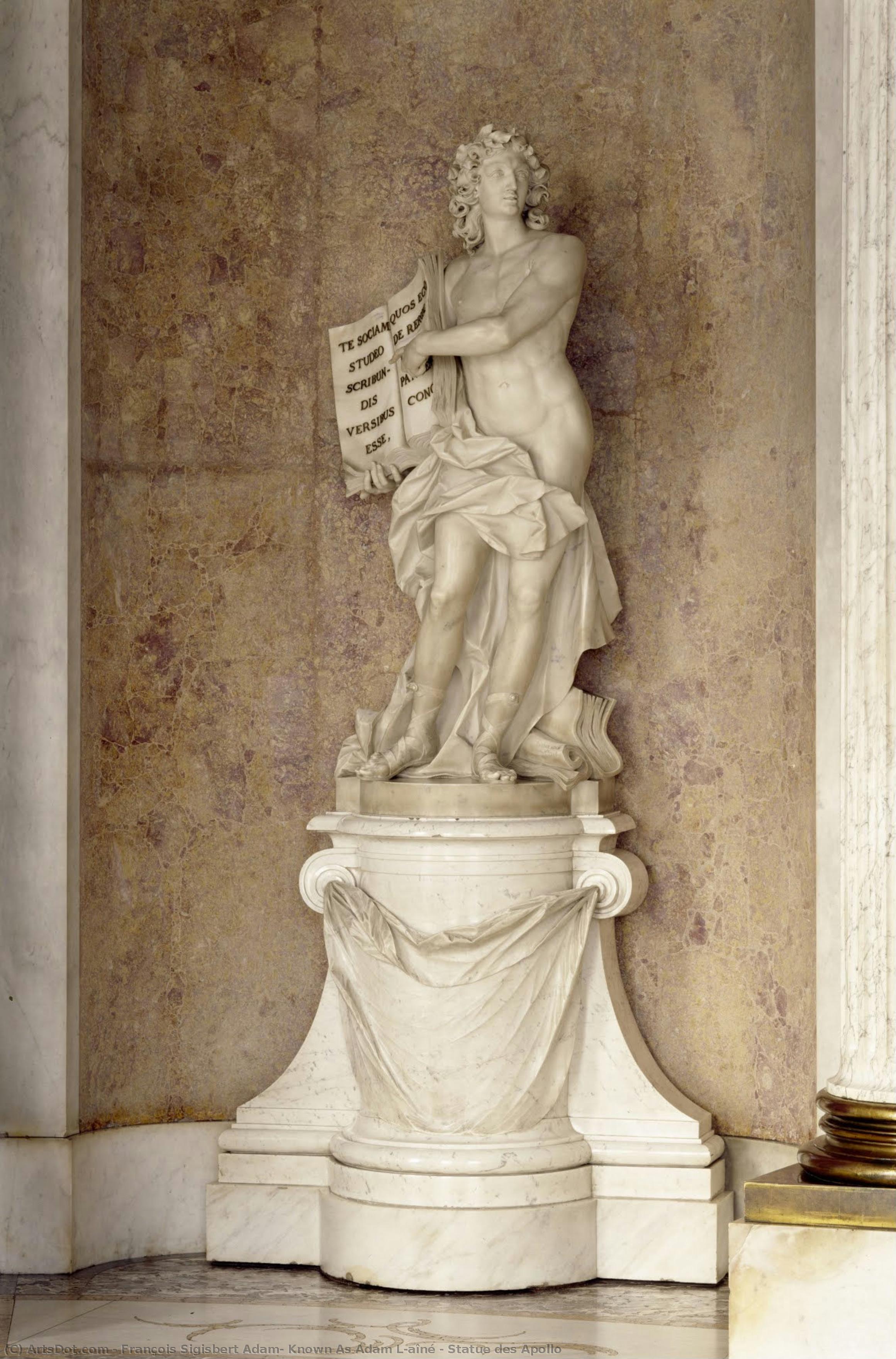
Statue des Apollo


 Ver más
Adquiera una imagen digital de alta resolución y optimizada, muy superior a la vista previa en línea.
Cada archivo es preparado meticulosamente por nuestros especialistas internos mediante el uso de herramientas avanzadas y un experto retoque manual. Nos aseguramos de que cada imagen posea una claridad excepcional, una precisión cromática impecable y un detalle minucioso.
El archivo final se entrega por correo electrónico en un plazo de 72 horas, optimizado para su uso inmediato en entornos profesionales, editoriales y de impresión. Esta es la misma calidad en la que confían los estudios de diseño, las editoriales y las galerías de primer nivel.
Imagen Digital
Descarga un archivo de alta resolución para exhibición personal, impresión y proyectos creativos. ( Comprar impresión Comprar pintura hecha a mano)
Incluido en cada pedido de imágenes digitales
Entrega digital experta, garantizada.
Al elegir ArtsDot.com, no solo está adquiriendo una imagen; está recibiendo una obra de arte digital mejorada profesionalmente, elaborada con precisión y respaldada por una garantía de satisfacción. Esto es todo lo que incluye su pedido, automáticamente:

Entrega rápida por email
Recibirá su archivo de imagen digital en alta resolución por correo electrónico en un plazo de 72 horas tras realizar su pedido, listo para su uso inmediato.

Archivo digital optimizado por IA
Su obra de arte se optimiza profesionalmente mediante herramientas avanzadas de IA y edición manual, garantizando el máximo detalle, claridad y precisión cromática.

Reenvío gratuito de por vida
¿Has borrado o perdido tu archivo por error? No te preocupes: te lo volveremos a enviar en cualquier momento, sin coste adicional.

Sin gastos de importación, siempre
Disfrute de su obra de arte al instante sin aduanas, aranceles ni gastos de envío; las descargas digitales siempre están libres de impuestos.

Garantía de fidelidad de color
Garantizamos que su imagen digital refleje los colores originales con la mayor fidelidad posible, mediante el uso de herramientas profesionales y gestión del color.

Garantía de satisfacción de 60 días
Si no está satisfecho con su imagen digital, la revisaremos o le reembolsaremos el 100% en un plazo de 60 días, sin preguntas.

100% Garantía de devolución de dinero
¿No está satisfecho? Obtenga un reembolso completo dentro de los 60 días posteriores a la recepción de su archivo digital, sin necesidad de explicaciones.

Descuentos por pedidos grandes
Compra 3 imágenes, ahorra 10% - Compra 5, ahorra 15% - Compra 10+, ahorra 20%. Ideal para proyectos creativos, galerías y agencias.
Descripción del coleccionable
Statue des Apollo: A Symphony of Light and Myth
The Statue des Apollo by François Sigisbert Adam stands as a testament to Neoclassical sculpture’s pursuit of idealized beauty and intellectual contemplation—a cornerstone of Friedrich II.’s artistic vision for Sanssouci Palace. Crafted in 1748, this monumental marble figure embodies the grandeur of antiquity while simultaneously reflecting Enlightenment ideals concerning reason and harmony. Its enduring appeal lies not merely in its aesthetic perfection but also in its profound connection to philosophical concepts that shaped European culture during the mid-18th century.The Artist’s Vision: Adam L'aîné
François Sigisbert Adam, known affectionately as Adam l’aîné, was a pivotal figure in shaping Baroque and Neoclassical sculpture in Prussia. Born in Nancy in 1700, he ascended to prominence through his affiliation with Friedrich II., who established the Prussian Sculpture Atelier specifically to draw inspiration from Italian artistic traditions. This atelier became synonymous with innovation and meticulous craftsmanship, prioritizing both stylistic elegance and technical precision—a legacy that continues to resonate within contemporary art production. Adam’s dedication to reviving classical forms was driven by a fervent belief in the transformative power of art as a conduit for intellectual enlightenment.A Dialogue Between Gods: Composition and Symbolism
The statue depicts Apollo, the Greek god of music, poetry, and light—a figure revered throughout antiquity for his divine intellect and artistic prowess. Positioned facing Venus Urania, another marble sculpture residing in Sanssouci’s Hall of Mirrors, Adam deliberately created a visual dialogue between two opposing yet complementary forces: Apollo embodies rational thought and creative inspiration, while Venus represents beauty and sensual pleasure. This juxtaposition underscores the Enlightenment preoccupation with reconciling reason and emotion—a central theme explored by Lukrez’s “De rerum natura,” whose verses serve as a guiding principle for Apollo's gaze. The statue’s serene posture and flowing drapery convey an aura of tranquility and contemplation, inviting viewers to immerse themselves in the sublime experience of artistic appreciation.Technique and Material: Marble’s Luminosity
The sculpture’s remarkable luminosity is achieved through Adam’s masterful manipulation of marble—a material chosen for its ability to capture and reflect light with unparalleled brilliance. Skilled sculptors employed techniques honed over centuries, meticulously carving and polishing the stone to create surfaces that shimmer with an ethereal glow. The texture of the marble itself contributes to the overall impression of grandeur and sophistication, mirroring the architectural splendor of Sanssouci Palace—a symbol of Prussian artistic ambition during Friedrich II.’s reign. Saskia Hüneke’s research illuminates the influence of Italian sculpture on Berlin's artistic landscape, demonstrating how Adam’s atelier championed innovation and upheld the highest standards of craftsmanship.Legacy: A Reflection of Enlightenment Thought
Ultimately, “Statue des Apollo” transcends its material form to embody the intellectual spirit of the Enlightenment—a period characterized by a renewed interest in classical philosophy and an unwavering commitment to rational inquiry. Like Lukrez’s poem, it champions the pursuit of truth through beauty and contemplation—values that continue to inspire artists and collectors alike. Its enduring presence within Sanssouci Palace serves as a poignant reminder of Friedrich II.’s visionary patronage and his determination to elevate Prussian culture to new heights of artistic excellence.Obras relacionadas
Biografía del artista
François Sigisbert Adam (Adam l’aîné) – A Life in Sculpture
François Sigisbert Adam, known as Adam l’aîné (the Elder), was a leading French Rococo sculptor of the 18th century. Born in Nancy, France, in 1700, he established himself as a significant figure in the artistic landscape of his time, renowned for his dynamic sculptures and meticulous restorations.
Early Life and Education
Adam’s artistic journey began within his family. He received his initial training in the studio of his father, Jacob-Sigisbert Adam, a respected sculptor himself. This familial foundation provided him with a strong base in sculptural techniques and an early exposure to the world of art. He later pursued further studies in Paris under the guidance of François Dumont, where he honed his skills and developed his artistic vision.
The Prix de Rome and Italian Influence
A pivotal moment in Adam’s career came in 1723 when he was awarded the prestigious Prix de Rome. This scholarship granted him a year-long opportunity to study at the French Academy in Rome, immersing himself in the rich artistic heritage of Italy. His time in Rome proved transformative, exposing him to classical sculpture and influencing his developing style. He absorbed inspiration from artists like Nicolas Fouquet and Jean Baptiste Girardon.
Artistic Style and Development
Adam’s work is characterized by its graceful lines, dynamic compositions, and attention to detail – hallmarks of the Rococo style. While rooted in Baroque traditions inherited from his father, he embraced the lighter, more playful aesthetic of Rococo, incorporating mythological themes and a sense of movement into his sculptures. He skillfully blended Baroque grandeur with Neoclassical elegance, demonstrating versatility and adapting to evolving artistic tastes.
Major Achievements and Notable Works
Adam’s legacy rests upon several monumental achievements that solidified his place in art history. Among these stand out:
- Triumph of Neptune and Amphitrite: Perhaps Adam’s most celebrated work, this colossal lead sculpture was commissioned for the central fountain in the Bassin de Neptune at Versailles. Its breathtaking depiction of the sea god Neptune and his consort Amphitrite embodies the opulent spirit of Rococo sculpture and remains a testament to Adam's artistic prowess.
- Restoration of Roman Antiquities: Adam gained renown for his painstaking restoration efforts on twelve statues unearthed from the Villa of Marius in Rome. His meticulous approach ensured that these invaluable relics of classical antiquity would continue to inspire awe and admiration for centuries to come.
- Versailles Fountains: Beyond Neptune, Adam contributed significantly to the decorative grandeur of Versailles, designing several other fountains and sculptures that enhanced the palace’s splendor.
His influence extended beyond his own creations; he mentored younger sculptors and fostered a vibrant artistic environment within Paris. François Sigisbert Adam died in 1759, leaving behind an enduring contribution to French sculpture and cementing his reputation as one of the most influential artists of his era.

François Sigisbert Adam (Adam L'Aîné)
1700 - 1759 , Francia
Breves datos
- Artistic Movement Or Style: Rococó
- Artists Or Movements Influenced By This Artist: ['Clodion']
- Artists Who Influenced This Artist:
- Jacob Sigisbert Adam
- François Dumont
- Date Of Birth: 1700
- Full Name: François Sigisbert Adam
- Nationality: Francés
- Notable Artworks:
- Triumph of Neptune y Amphitrite
- Restauraciones de esculturas Villa Marius
- Place Of Birth: Nancy, Francia

