

 Ver en contexto
 Enviar
 Compartir
 Detalles

 Descargar
 Similares
 Radiografía
 Presentación de diapositivas
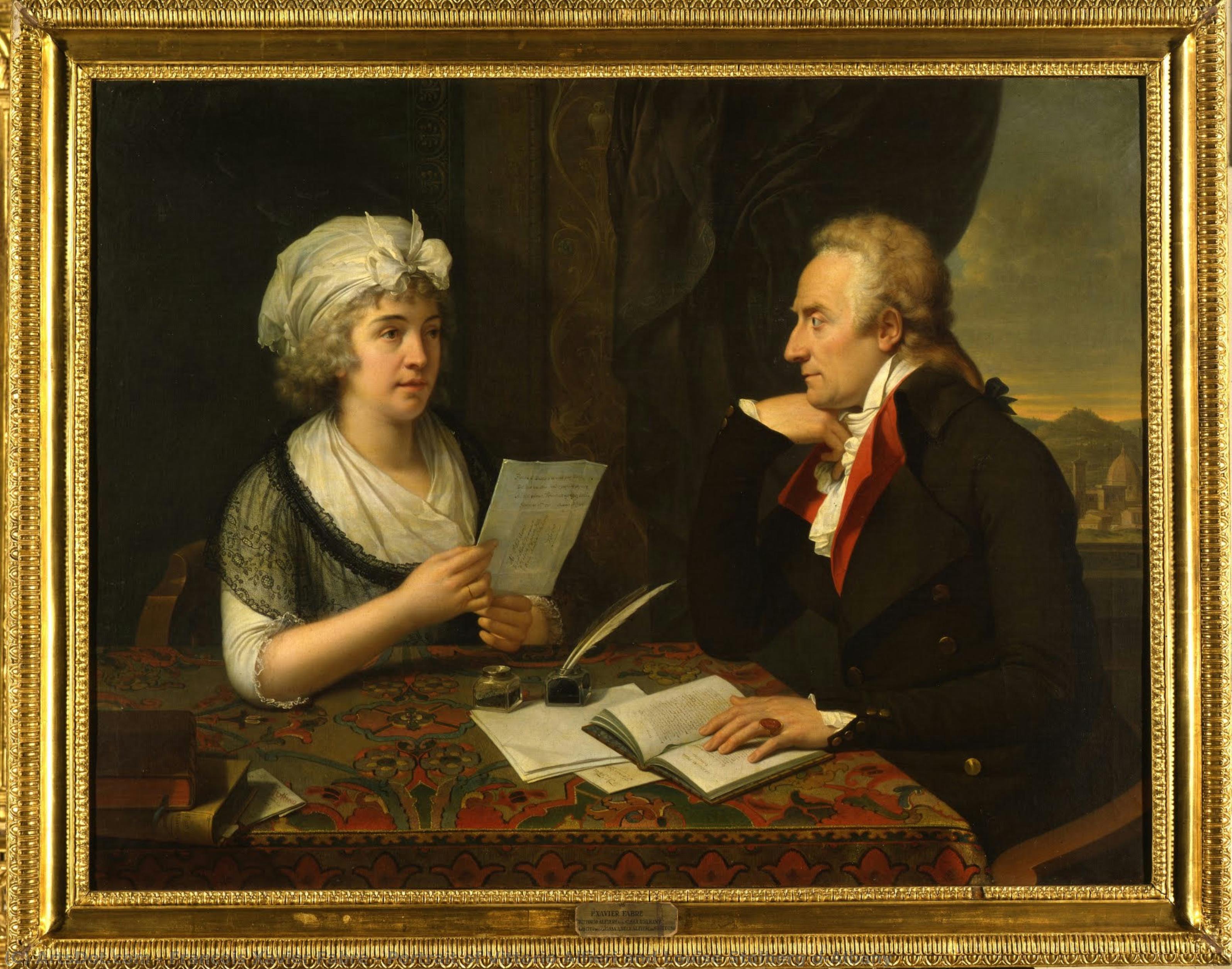
Portrait of Vittorio Alfieri and Louise Stolberg d’Albany
 Oil On Canvas
- WallArt
- Neoclassicism
 145.0 x 108.0 cm
 Palazzo Madama
 Ver más
Reproducción al óleo hecha a mano
Óleo sobre lienzo pintado a mano en el tamaño y marco de su elección, realizado por encargo por nuestros artistas. ( Comprar impresión Comprar imagen)




P118B $10

P118H $10

P118W $10

P438Z $10

P508JH $12

P508YH $12

P805H $10

P805Z $10

P919BZ $10

P919G $10

P919XJ $10

P959ZH $10

P968JZ $12

W106C $8

W218G $10

W218JH $8

W218Y $10

W307PJ $10

W316G $10

W316PJ $8

W316Y $10

W398PJ $8

W4111J $10

W500HY $15

W500JH $15

W692G $12

W849H $8

W940BG $15

W953PJ $8




Elija entre nuestros tamaños predefinidos que respetan las proporciones originales de la obra.

Puede ingresar sus propias dimensiones para adaptarse a un marco o espacio específico. Si el tamaño seleccionado no coincide con las proporciones de la imagen original, recortaremos la obra o extenderemos la pintura con elementos adicionales pintados a mano. Se le enviará una maqueta digital para su aprobación antes de comenzar la producción.
Tenga en cuenta que la vista previa en pantalla no refleja el recorte o la extensión reales. Solo la maqueta mostrará con precisión la composición final.
Si bien existen tamaños personalizados, recomendamos seleccionar una dimensión de la lista predefinida para preservar las proporciones originales.
Tras realizar el pedido, el equipo de ArtsDot.com enviará un correo electrónico al cliente para solicitar instrucciones y proporcionarle una vista previa del boceto.
Envío a todo el mundo () en 3-4 semanas en lugar de las 5 semanas estándar. (2 septiembre). Sin comprometer la calidad.

Envío exprés gratuito a todo el mundo

Lienzo de lino de alta calidad

Seguro de envío total

Garantía de reembolso de impuestos aduaneros

Garantía de fidelidad cromática exacta

Política de devolución de 60 días (solo por defectos)

Garantía de devolución del 100% del dinero

Descuento por cantidad
 La opción de vidrio solo está disponible en tamaños inferiores a 110 cm.

Portrait of Vittorio Alfieri and Louise Stolberg d’Albany
Técnica de reproducción
Dimensiones de la reproducción
-


Precio total final
$ 288
Portrait of Vittorio Alfieri and Louise Stolberg d’Albany – A Study in Neoclassical Elegance
The artwork presents a captivating glimpse into the intellectual milieu of Florence during the Napoleonic era, featuring François Xavier Fabre's masterful depiction of Vittorio Alfieri and Louise Stolberg d’Albany. Completed around 1793, this portrait transcends mere representation; it embodies the spirit of Neoclassicism—a movement that championed reason, order, and idealized beauty inspired by classical antiquity—while simultaneously capturing a moment of profound intimacy between two influential figures. Fabre's meticulous attention to detail elevates the piece beyond a simple likeness, transforming it into an emblem of artistic sophistication and humanist contemplation.- Subject Matter: The portrait portrays Vittorio Alfieri, Italy’s celebrated poet and playwright, alongside Louise Stolberg, Countess of Albany—a Belgian noblewoman who captivated Alfieri's affections. Their seated posture exudes composure and intellectual engagement, reflecting the values prized during the Enlightenment.
- Style & Technique: Fabre adheres to the tenets of Neoclassicism, prioritizing clarity of form and balanced composition. The painting utilizes a one-point perspective, drawing the viewer’s eye towards the central figures—Alfieri and Stolberg—seated at a table laden with books, symbolizing erudition and philosophical discourse.
- Material & Medium: Executed in oil paint on canvas, Fabre employs layering techniques – glazing – to achieve luminous skin tones and subtle gradations of light and shadow. The artist skillfully renders textures, particularly on the drapery and Stolberg’s gown, demonstrating a mastery of artistic craftmanship.
- Historical Context: Created during Alfieri's exile in Florence—a city brimming with artistic fervor under Medici patronage—the portrait reflects the broader cultural landscape of the time. Fabre’s work aligns with the prevailing aesthetic ideals of Neoclassicism, which sought to revive the grandeur and moral virtues of Greco-Roman civilization.
- Symbolism: The inclusion of books on the table serves as a potent symbol of intellectual pursuits—a cornerstone of Enlightenment thought—underscoring Alfieri’s dedication to literature and philosophy. Furthermore, Stolberg's dignified demeanor embodies aristocratic grace and refinement, representing the ideal woman of the era.
Composition & Perspective – Mastering Spatial Illusion
Fabre’s compositional choices are deliberate and impactful, skillfully manipulating perspective to create a sense of depth and realism. The one-point perspective draws the viewer's gaze towards the central tableau—Alfieri and Stolberg—establishing a harmonious balance between figure and background. Atmospheric perspective—evident in the hazy depiction of Florence beyond the draped curtain—further enhances the illusion of space, conveying a feeling of serene grandeur. Linear lines define the contours of the figures and architectural elements with precision, reinforcing the painting’s formal structure. The careful arrangement of shapes—organic forms like Alfieri's face and Stolberg’s gown juxtaposed against geometric shapes—contributes to the overall visual equilibrium.Color Palette & Lighting – Achieving Subtle Luminosity
Fabre’s masterful use of color contributes significantly to the artwork’s emotional resonance. The palette leans heavily on earthy tones—ochres, siennas, umbers—reflecting the artistic conventions of Neoclassicism and grounding the scene in a sense of timeless beauty. Soft, diffused lighting illuminates Alfieri and Stolberg's faces and drapery, creating subtle gradations of light and shadow that sculpt their forms and imbue them with warmth. This gentle illumination evokes an atmosphere of quiet contemplation—a hallmark of Neoclassical portraiture—allowing the viewer to appreciate the dignity and serenity conveyed by Fabre’s depiction.Legacy & Artistic Influence – A Testament to Neoclassical Perfection
François Xavier Fabre's “Portrait of Vittorio Alfieri and Louise Stolberg d’Albany” stands as a testament to the enduring power of Neoclassicism—a movement that profoundly shaped European art during its formative years. Fabre’s meticulous technique, balanced composition, and evocative use of color cemented his reputation as one of Florence's foremost portraitists, securing his place within the canon of artistic excellence. The painting continues to inspire admiration for its refined aesthetic sensibilities and its ability to capture a moment of intellectual intimacy—a timeless achievement that resonates with collectors and art enthusiasts alike.Obras relacionadas


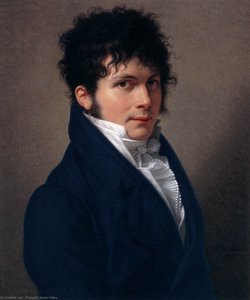
Biografía del artista
François-Xavier Fabre: Vida y Legado
Primeros Años y Formación
François-Xavier Fabre nació en Montpellier, Francia, en 1766. Comenzó su viaje artístico en la academia de arte de su ciudad natal, donde perfeccionó sus habilidades durante varios años antes de mudarse a París. Allí, ingresó al estudio de Jacques-Louis David, una figura destacada del movimiento Neoclásico y una influencia fundamental en el desarrollo del estilo de Fabre. Sus estudios fueron financiados por Philippe-Laurent de Joubert, un financiero y coleccionista de arte que también patrocinó a Laurent-Nicolas de Joubert.
Ascenso a la Prominencia & Exilio Italiano
Fabre alcanzó el reconocimiento temprano al ganar el prestigioso Prix de Rome en 1787. Este premio le brindó la oportunidad de estudiar en Italia, una experiencia crucial que moldeó su visión artística. Sin embargo, el estallido de la Revolución Francesa impulsó a Fabre a permanecer en Florencia, donde se convirtió en un miembro respetado de la Academia Florentina y un profesor de arte solicitado.
Vida Personal & Patrocinio
Durante su tiempo en Florencia, Fabre cultivó relaciones con figuras prominentes, incluyendo al dramaturgo Vittorio Alfieri. Tras la muerte de Alfieri, se cree que Fabre se casó con su viuda, la Princesa Louise de Stolberg-Gedern, Condesa de Albany. Al heredar su fortuna sustancial tras su fallecimiento en 1824, él la utilizó generosamente para establecer una escuela de arte en Montpellier.
Estilo Artístico y Obras Maestras
La obra de Fabre se caracteriza por su elegancia neoclásica, realismo y precisión. Destacó en el retrato, capturando los rasgos de aristócratas y personalidades notables con un detalle notable. Algunas de sus obras más celebradas incluyen:
- El Muriendo San Sebastián (1789)
- El Juicio de Píramides (1808)
- La Muerte de Narciso (1814)
- Retrato de Vittorio Alfieri y Louise Stolberg d’Albany (1793)
- Retrato del Marqués Annibale Sommariva
Legado & El Museo Fabre
La dedicación de Fabre al arte se extendió más allá de sus propias creaciones. Al fallecer en 1837, legó su extensa colección de arte a la ciudad de Montpellier. Este generoso acto formó la base del Museo Fabre, un museo renombrado que continúa exhibiendo pinturas europeas desde el siglo XV hasta el XX, incluyendo obras de David, Rubens y Courbet.
Significado Histórico
François-Xavier Fabre ocupa un lugar importante en la historia del arte francés como un hábil practicante del Neoclasicismo. Sus retratos ofrecen valiosas perspectivas sobre el panorama social y cultural de su tiempo, mientras que su patrocinio y legado aseguraron la preservación y accesibilidad del arte para las generaciones futuras. Él representa un puente entre las tradiciones clásicas defendidas por David y las sensibilidades artísticas en evolución del siglo XIX.
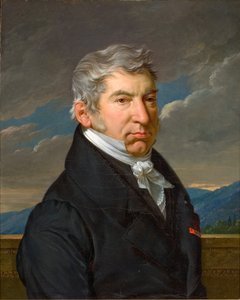
françois xavier fabre
1766 - 1837 , Francia
Datos clave
- Artistas Que Influyeron: ['Jacques-Louis David']
- Fecha De Fallecimiento: 1837
- Fecha De Nacimiento: 1766
- Lugar De Nacimiento: Montpellier, Francia
- Movimiento Artístico: Neoclasicismo
- Nacionalidad: Francés
- Nombre Completo: François-Xavier Fabre
- Obras Notables:
- San Sebastián moribundo
- El juicio de París
- La muerte de Narciso
Artículos relacionados
El Siglo XVIII en el Arte: 10 Obras Maestras para Decorar con Historia y Elegancia
Descubre 10 obras maestras del siglo XVIII: Goya, Fragonard y más. Explora la historia, el arte barroco, rococó y neoclasicismo que inspiran decoración elegante. Reproducciones de alta calidad en ArtsDot.com.
Neoclasicismo: 10 Obras Maestras que Definieron un Estilo Eterno |
Descubre las 10 obras maestras del Neoclasicismo con . Explora la historia de David, Ingres y Canova, su técnica y el legado de este estilo eterno. Reproducciones de arte de museo para tu hogar. ¡Explora la colección online!
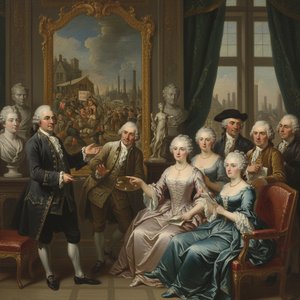
Reflections of an Age: Social Commentary & Artistic Representation in 18th-Century Society
Explore the social commentary & artistic representation of 18th-century society. Discover Rococo masterpieces, portraiture's power, and shifting historical perspectives. Expert insights for art lovers.
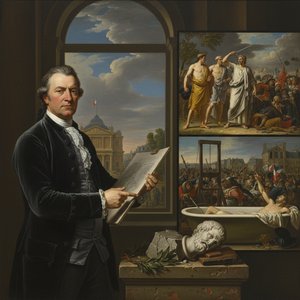
Jacques-Louis David: Neoclassical Ideals & Revolutionary Witness
Explore the life & art of Jacques-Louis David, leading Neoclassical painter of the French Revolution. Discover iconic works like 'The Death of Marat' and his lasting impact on art history. Expert analysis & high-quality reproductions at ArtsDot.
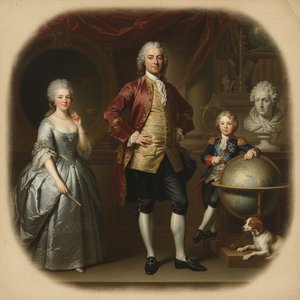
Reflecting Nobility & Nuance: 18th-Century Portraiture as a Window into Societal Values
Explore the world of 18th-century portraiture with ArtsDot. Discover symbolism, artistic innovation & societal values reflected in masterpieces by Reynolds, Hogarth & more. Expert insights for collectors.

