 Ver en contexto
 Enviar
 Compartir
 Detalles

 Descargar
 Similares
 Radiografía
 Presentación de diapositivas
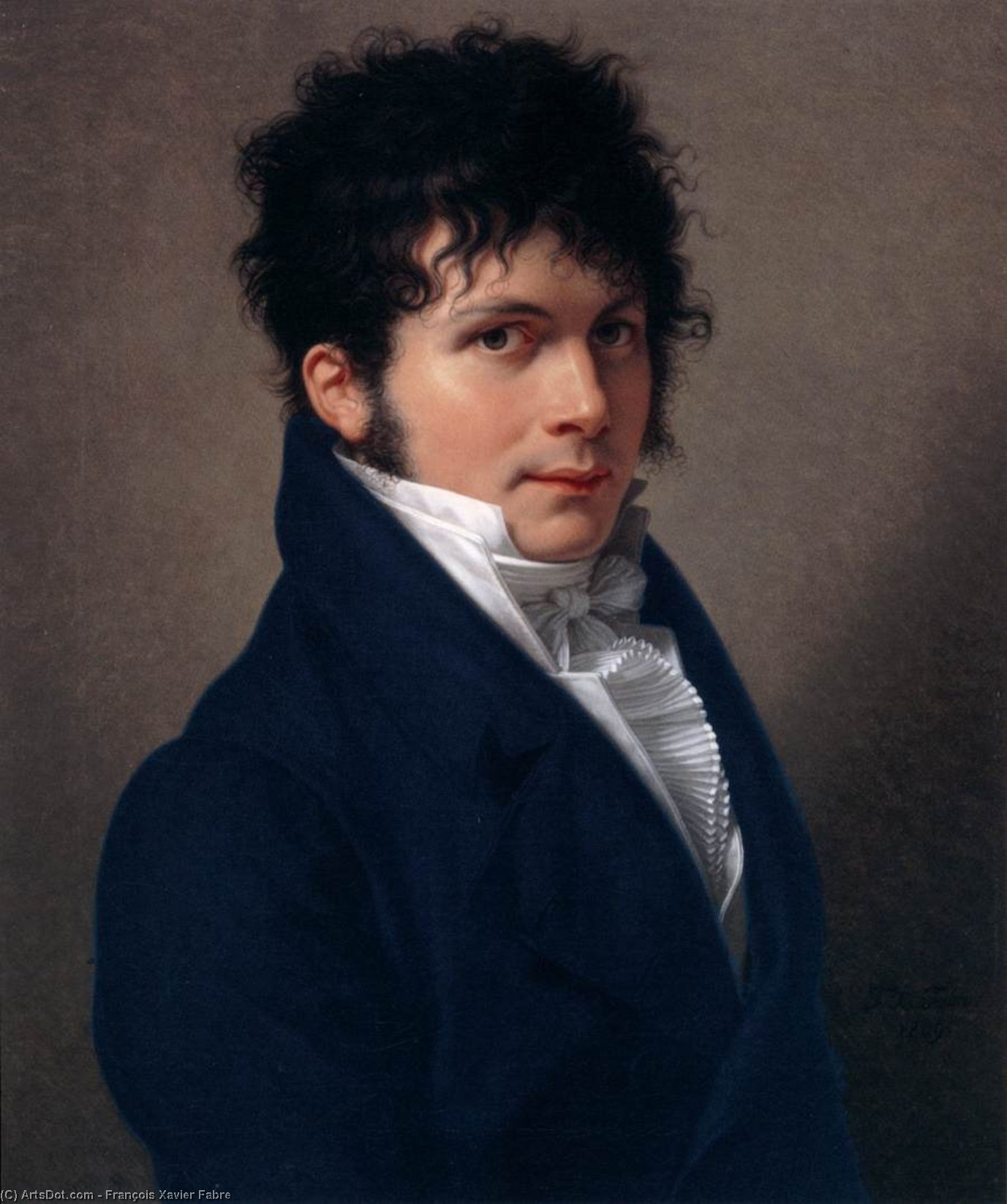
Portrait of a Man
 Oil On Canvas
- WallArt
- Neoclassicism
 1809
1809- 19th Century
 62.0 x 50.0 cm
 Galería Nacional de Escocia
 Ver más
Reproducción al óleo hecha a mano
Óleo sobre lienzo pintado a mano en el tamaño y marco de su elección, realizado por encargo por nuestros artistas. ( Comprar impresión Comprar imagen)




P118B $10

P118H $10

P118W $10

P438Z $10

P508JH $12

P508YH $12

P805H $10

P805Z $10

P919BZ $10

P919G $10

P919XJ $10

P959ZH $10

P968JZ $12

W106C $8

W218G $10

W218JH $8

W218Y $10

W307PJ $10

W316G $10

W316PJ $8

W316Y $10

W398PJ $8

W4111J $10

W500HY $15

W500JH $15

W692G $12

W849H $8

W940BG $15

W953PJ $8




Elija entre nuestros tamaños predefinidos que respetan las proporciones originales de la obra.

Puede ingresar sus propias dimensiones para adaptarse a un marco o espacio específico. Si el tamaño seleccionado no coincide con las proporciones de la imagen original, recortaremos la obra o extenderemos la pintura con elementos adicionales pintados a mano. Se le enviará una maqueta digital para su aprobación antes de comenzar la producción.
Tenga en cuenta que la vista previa en pantalla no refleja el recorte o la extensión reales. Solo la maqueta mostrará con precisión la composición final.
Si bien existen tamaños personalizados, recomendamos seleccionar una dimensión de la lista predefinida para preservar las proporciones originales.
Tras realizar el pedido, el equipo de ArtsDot.com enviará un correo electrónico al cliente para solicitar instrucciones y proporcionarle una vista previa del boceto.
Envío a todo el mundo () en 3-4 semanas en lugar de las 5 semanas estándar. (24 agosto). Sin comprometer la calidad.

Envío exprés gratuito a todo el mundo

Lienzo de lino de alta calidad

Seguro de envío total

Garantía de reembolso de impuestos aduaneros

Garantía de fidelidad cromática exacta

Política de devolución de 60 días (solo por defectos)

Garantía de devolución del 100% del dinero

Descuento por cantidad
 La opción de vidrio solo está disponible en tamaños inferiores a 110 cm.

Portrait of a Man
Técnica de reproducción
Dimensiones de la reproducción
-


Precio total final
$ 263
Descripción de la obra
The Dignity of Form: A Portrait from the Napoleonic Dawn
To gaze upon this portrait is to step directly into the refined salons of early nineteenth-century France. The subject, rendered with meticulous care by François-Xavier Fabre, presents a figure whose very bearing speaks of established status and quiet confidence. Clad in a striking blue coat accented with crisp white trim, paired with a pristine white shirt and a sober black bow tie, the man embodies the sartorial elegance of an era navigating profound social and political shifts. His gaze, directed outward toward the viewer, is neither challenging nor overly warm; rather, it possesses the steady, intelligent depth characteristic of men accustomed to being observed and understood.
Mastery in Brushwork and Composition
Fabre’s technical prowess shines through every visible thread and subtle contour. The painting itself, executed around 1809, showcases a dedication to draftsmanship that recalls the grand traditions of Neoclassicism, yet it retains a palpable sense of immediacy. Notice how the artist has managed the background; it dissolves into a soft, atmospheric blur, an almost painterly suggestion of space that serves only one purpose: to elevate the man at its center. This selective focus is a hallmark of masterful portraiture, ensuring that every line etched onto the subject’s face and every fold in his luxurious garments commands our undivided attention. The detail captured in the texture of the fabric alone speaks volumes about the artist's painstaking skill.
Historical Echoes: A Time of Transition
The date, 1809, places this work at a fascinating crossroads in European history—a period marked by the lingering echoes of revolutionary fervor giving way to the structured grandeur of Napoleonic influence. Fabre himself, having trained under the towering figure of Jacques-Louis David, was deeply embedded in the aesthetic ideals that prized order, clarity, and classical virtue. This portrait is not merely a likeness; it is a carefully constructed statement of belonging—a visual testament to the enduring values of Parisian high society during a time of immense upheaval. The formality of the dress suggests adherence to established codes, even as the world outside the canvas was rapidly changing.
Emotional Resonance and Interior Presence
For the collector or designer, this piece offers more than mere decoration; it offers an anchor of cultivated history. The emotional impact is one of dignified contemplation. It invites the viewer into a moment suspended in time—a quiet acknowledgment between subject and observer. Reproducing such a work allows one to infuse a space with an air of timeless sophistication. Imagine this portrait gracing a drawing-room or study; it would lend an immediate gravity, suggesting conversations held over fine claret and the weight of intellectual pursuits.
Obras relacionadas



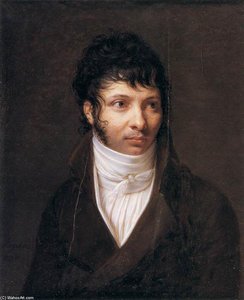
Biografía del artista
François-Xavier Fabre: Vida y Legado
Primeros Años y Formación
François-Xavier Fabre nació en Montpellier, Francia, en 1766. Comenzó su viaje artístico en la academia de arte de su ciudad natal, donde perfeccionó sus habilidades durante varios años antes de mudarse a París. Allí, ingresó al estudio de Jacques-Louis David, una figura destacada del movimiento Neoclásico y una influencia fundamental en el desarrollo del estilo de Fabre. Sus estudios fueron financiados por Philippe-Laurent de Joubert, un financiero y coleccionista de arte que también patrocinó a Laurent-Nicolas de Joubert.
Ascenso a la Prominencia & Exilio Italiano
Fabre alcanzó el reconocimiento temprano al ganar el prestigioso Prix de Rome en 1787. Este premio le brindó la oportunidad de estudiar en Italia, una experiencia crucial que moldeó su visión artística. Sin embargo, el estallido de la Revolución Francesa impulsó a Fabre a permanecer en Florencia, donde se convirtió en un miembro respetado de la Academia Florentina y un profesor de arte solicitado.
Vida Personal & Patrocinio
Durante su tiempo en Florencia, Fabre cultivó relaciones con figuras prominentes, incluyendo al dramaturgo Vittorio Alfieri. Tras la muerte de Alfieri, se cree que Fabre se casó con su viuda, la Princesa Louise de Stolberg-Gedern, Condesa de Albany. Al heredar su fortuna sustancial tras su fallecimiento en 1824, él la utilizó generosamente para establecer una escuela de arte en Montpellier.
Estilo Artístico y Obras Maestras
La obra de Fabre se caracteriza por su elegancia neoclásica, realismo y precisión. Destacó en el retrato, capturando los rasgos de aristócratas y personalidades notables con un detalle notable. Algunas de sus obras más celebradas incluyen:
- El Muriendo San Sebastián (1789)
- El Juicio de Píramides (1808)
- La Muerte de Narciso (1814)
- Retrato de Vittorio Alfieri y Louise Stolberg d’Albany (1793)
- Retrato del Marqués Annibale Sommariva
Legado & El Museo Fabre
La dedicación de Fabre al arte se extendió más allá de sus propias creaciones. Al fallecer en 1837, legó su extensa colección de arte a la ciudad de Montpellier. Este generoso acto formó la base del Museo Fabre, un museo renombrado que continúa exhibiendo pinturas europeas desde el siglo XV hasta el XX, incluyendo obras de David, Rubens y Courbet.
Significado Histórico
François-Xavier Fabre ocupa un lugar importante en la historia del arte francés como un hábil practicante del Neoclasicismo. Sus retratos ofrecen valiosas perspectivas sobre el panorama social y cultural de su tiempo, mientras que su patrocinio y legado aseguraron la preservación y accesibilidad del arte para las generaciones futuras. Él representa un puente entre las tradiciones clásicas defendidas por David y las sensibilidades artísticas en evolución del siglo XIX.
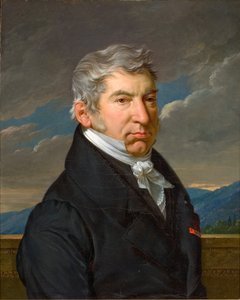
françois xavier fabre
1766 - 1837 , Francia
Datos clave
- Artistas Que Influyeron: ['Jacques-Louis David']
- Fecha De Fallecimiento: 1837
- Fecha De Nacimiento: 1766
- Lugar De Nacimiento: Montpellier, Francia
- Movimiento Artístico: Neoclasicismo
- Nacionalidad: Francés
- Nombre Completo: François-Xavier Fabre
- Obras Notables:
- San Sebastián moribundo
- El juicio de París
- La muerte de Narciso
Artículos relacionados
Las 10 Obras Maestras del Azul Pizarra: Arte, Historia y Decoración
Descubre las 10 pinturas más famosas dominadas por el azul pizarra. Explora la historia, técnica y belleza de Monet, Van Gogh y otros maestros. Encuentra reproducciones de arte exclusivas para decorar tu hogar en .

El Siglo XIX en el Arte: 10 Obras Maestras para Decorar con Historia y Estilo
Descubre 10 obras maestras del siglo XIX: Monet, Goya y más. Explora el impresionismo, realismo y romanticismo que definieron una época. Encuentra reproducciones de arte exclusivas para decorar tu hogar con estilo en ArtsDot.com.
The Allure of Azure: Exploring the Symbolic & Aesthetic Depths of Blue in Art History
Explore the rich history of blue in art! Discover its symbolism, from ancient pigments to modern masterpieces by Kandinsky & Seurat. Uncover the psychological impact and cultural meanings behind this captivating hue.
Azure Visions: Exploring Representations of the Blue Dress in Western Art History
Explore the rich history of the blue dress in Western art! Discover its symbolism, from Renaissance masterpieces to modern interpretations by artists like Martin & Schiele. Uncover cultural meanings and artistic techniques.
Más Allá de la Imitación: El Papel Estratégico de las Reproducciones de Bellas Artes en las Prácticas Contemporáneas de las Galerías de Élite
Descubra cómo las galerías de élite redefinen el valor de las reproducciones artísticas. Expertos en calidad, personalización y coleccionismo. Invierta con confianza.