 Ver en contexto
 Enviar
 Compartir
 Detalles

 Descargar
 Similares
 Radiografía
 Presentación de diapositivas
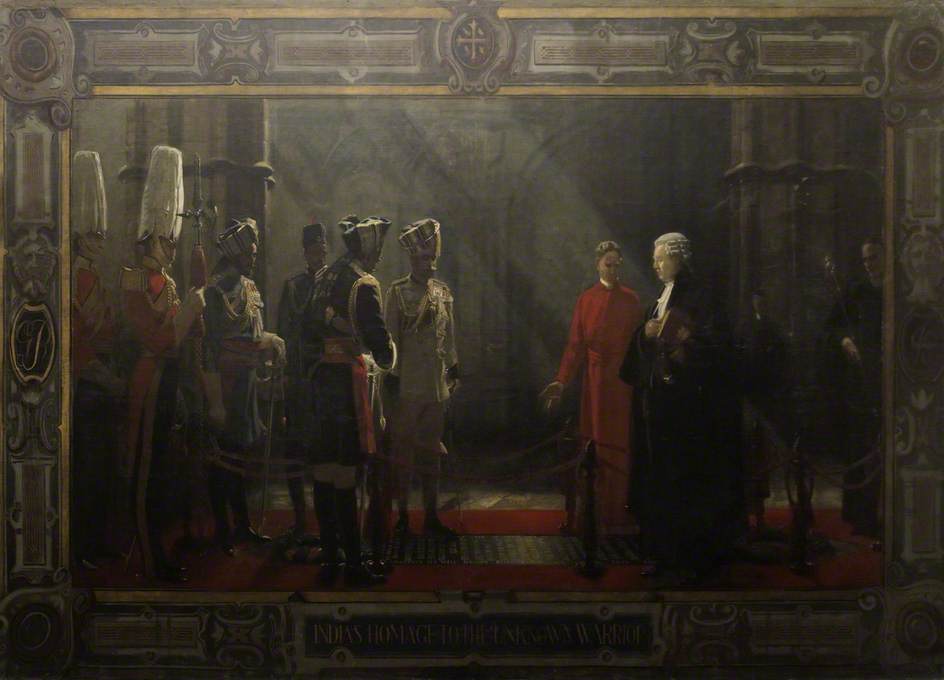
India's Homage to the Tomb of the Unknown Warrior in Westminster Abbey
 Acrylic On Canvas
- WallArt
- Conservative Academic Painting
 1924
1924- Modern
 305.0 x 488.0 cm
 Biblioteca Británica
 Ver más
Reproducción al óleo hecha a mano
Óleo sobre lienzo pintado a mano en el tamaño y marco de su elección, realizado por encargo por nuestros artistas. ( Comprar impresión Comprar imagen)




P118B $10

P118H $10

P118W $10

P438Z $10

P508JH $12

P508YH $12

P805H $10

P805Z $10

P919BZ $10

P919G $10

P919XJ $10

P959ZH $10

P968JZ $12

W106C $8

W218G $10

W218JH $8

W218Y $10

W307PJ $10

W316G $10

W316PJ $8

W316Y $10

W398PJ $8

W4111J $10

W500HY $15

W500JH $15

W692G $12

W849H $8

W940BG $15

W953PJ $8




Elija entre nuestros tamaños predefinidos que respetan las proporciones originales de la obra.

Puede ingresar sus propias dimensiones para adaptarse a un marco o espacio específico. Si el tamaño seleccionado no coincide con las proporciones de la imagen original, recortaremos la obra o extenderemos la pintura con elementos adicionales pintados a mano. Se le enviará una maqueta digital para su aprobación antes de comenzar la producción.
Tenga en cuenta que la vista previa en pantalla no refleja el recorte o la extensión reales. Solo la maqueta mostrará con precisión la composición final.
Si bien existen tamaños personalizados, recomendamos seleccionar una dimensión de la lista predefinida para preservar las proporciones originales.
Tras realizar el pedido, el equipo de ArtsDot.com enviará un correo electrónico al cliente para solicitar instrucciones y proporcionarle una vista previa del boceto.
Envío a todo el mundo () en 3-4 semanas en lugar de las 5 semanas estándar. (3 septiembre). Sin comprometer la calidad.

Envío exprés gratuito a todo el mundo

Lienzo de lino de alta calidad

Seguro de envío total

Garantía de reembolso de impuestos aduaneros

Garantía de fidelidad cromática exacta

Política de devolución de 60 días (solo por defectos)

Garantía de devolución del 100% del dinero

Descuento por cantidad
 La opción de vidrio solo está disponible en tamaños inferiores a 110 cm.

India's Homage to the Tomb of the Unknown Warrior in Westminster Abbey
Técnica de reproducción
Dimensiones de la reproducción
-


Precio total final
$ 263
A Homage in Stone and Shadow: Salisbury’s Westminster Vision
Frank O. Salisbury's “India’s Homage to the Tomb of the Unknown Warrior in Westminster Abbey” is more than just a painting; it’s a poignant meditation on sacrifice, remembrance, and the enduring spirit of military service. Completed in 1924, this large-scale oil on canvas captures a solemn gathering of British officers and men assembled before the newly constructed memorial to those lost during World War I. Salisbury, already established as “Britain's Painter Laureate” – a title earned through his meticulous portraits of royalty and historical figures – here demonstrates a remarkable ability to convey both formal grandeur and quiet contemplation. The scene unfolds within the hallowed halls of Westminster Abbey, lending an immediate sense of weight and significance to the event depicted. Notice the careful attention to detail: the uniforms, rendered with painstaking accuracy reflecting the period, the subtle expressions on the men’s faces – a mixture of respect, grief, and perhaps even a touch of melancholy – all contribute to a powerfully evocative atmosphere. The inclusion of a loyal dog further humanizes the scene, adding an element of warmth amidst the formality.The Context of Remembrance: A Nation Mourning
To fully appreciate Salisbury’s work, it's crucial to understand the historical backdrop against which it was created. Following the devastating losses of World War I, Britain grappled with a profound sense of national mourning and a desperate need for a tangible way to honor its fallen soldiers. The concept of an “Unknown Warrior” – a single unidentified soldier whose remains would be interred in a prominent location – emerged as a powerful symbol of unity and remembrance. This initiative was spearheaded by Lord Montagu, the then-Secretary of State for War, who sought to create a focal point for national grief and a testament to the sacrifices made during the conflict. Salisbury’s painting directly reflects this sentiment, serving as a visual representation of the nation's collective mourning and its desire to acknowledge the anonymity of those lost in battle. The Abbey itself, steeped in centuries of history and religious significance, provided an ideal setting for such a solemn occasion.Salisbury’s Style: Conservative Grandeur
Salisbury’s artistic style is characterized by a steadfast conservatism, a hallmark of his oeuvre. He eschewed the radical experimentation that defined much of early 20th-century art, instead favoring a meticulously detailed and classically informed approach. This is evident in the painting's composition – a balanced arrangement of figures within a clearly defined space – and its use of rich, muted colors. His training at the Royal Academy Schools instilled in him a deep appreciation for technique and craftsmanship, qualities that are abundantly displayed here. The brushwork is smooth and controlled, creating a sense of solidity and permanence. While some critics might have considered his style somewhat traditional, it’s precisely this unwavering adherence to established conventions that lends the painting its dignified and timeless quality. Salisbury's focus was not on capturing fleeting moments or expressing subjective emotion; rather, he aimed to create an image of enduring significance – a visual record of a pivotal moment in British history.Symbolism and Emotional Resonance
Beyond its historical context, “India’s Homage” is rich in symbolic meaning. The gathering itself represents the collective mourning of a nation, united in grief over the loss of countless young men. The presence of the dog can be interpreted as a symbol of loyalty and companionship – qualities deeply valued by soldiers during wartime. The act of standing together, engaged in quiet conversation or greeting one another, suggests a shared sense of purpose and solidarity. The painting’s subdued palette—dominated by browns, grays, and blues—evokes a mood of solemnity and reflection. It's not a scene of exuberant celebration; rather, it is a quietly powerful depiction of remembrance and respect. The overall effect is profoundly moving, inviting the viewer to contemplate the sacrifices made in the name of duty and honor.A Reproduction for Your Space: Bringing History Home
ArtsDot offers meticulously hand-painted reproductions of “India’s Homage to the Tomb of the Unknown Warrior in Westminster Abbey,” allowing you to bring this significant artwork into your home or office. Our skilled artists replicate Salisbury's meticulous detail and evocative atmosphere with exceptional accuracy, ensuring that your reproduction captures the painting's full emotional impact. Available in a range of sizes, our reproductions are printed on high-quality canvas using archival inks, guaranteeing their longevity and beauty for generations to come. This piece is not merely a decoration; it’s a window into history—a tangible reminder of Britain’s wartime past and its enduring commitment to honoring the memory of those who served. Consider this artwork as a powerful statement of respect, remembrance, and the profound value of human sacrifice.Obras relacionadas
Biografía del artista
Frank Owen Salisbury: Una Vida en el Retrato y la Pageantria
- Nacido: Harpenden, Reino Unido (18 de diciembre de 1874)
- Fallecido: 31 de agosto de 1962
- Conocido como "El Pintor Laureado de Gran Bretaña"
Primeros Años y Formación
- La primera etapa de la vida de Salisbury estuvo marcada por una salud delicada, lo que llevó a una educación en casa supervisada principalmente por su hermana, Emilie.
- Comenzó a trabajar en el depósito de bicicletas de su padre, reparando bicicletas.
- A los 15 años, fue aprendiz de su hermano, Henry James Salisbury, quien dirigía una empresa de vidrieras en St Albans. Este aprendizaje le proporcionó habilidades invaluables en pintura y trabajo detallado cruciales para el arte del vitral.
- Asistió a la Escuela de Arte Heatherley y posteriormente ganó becas en las Escuelas de la Royal Academy (1892-1897), donde se destacó, obteniendo dos medallas de plata y la beca Landseer que facilitó un viaje a Italia en 1896.
Desarrollo Artístico y Estilo
- El estilo de Salisbury se caracterizó por un enfoque decididamente conservador, arraigado en técnicas tradicionales y temas. Favorecía lienzos de gran tamaño que representaban eventos históricos y ocasiones ceremoniales.
- Su trabajo inicial incluyó retratos de la gente local y miembros de la Iglesia Metodista de Harpenden.
- Un encuentro clave con Lord Wakefield lo introdujo al retrato social, lo que llevó a encargos de figuras prominentes.
- Desarrolló una técnica de pintura rápida, supuestamente perfeccionada mediante la práctica diaria de pintar a sus hijas gemelas durante una hora cada mañana.
- Su trabajo estuvo influenciado por los frescos renacentistas y un deseo de capturar la grandeza de la pageantria.
Logros Destacados y Obras Notables
- Retratos Reales: Salisbury obtuvo un reconocimiento significativo por sus retratos de la familia real británica, incluidos veinticinco miembros de la Casa de Windsor y siendo el primer artista en pintar a Su Majestad la Reina Isabel II.
- Winston Churchill: Pintó a Winston Churchill más veces que cualquier otro artista, creando imágenes icónicas como las que lo retrataban con un traje de sirena y durante el discurso "Sangre, Sudor y Lágrimas".
- Presidentes Estadounidenses: La reputación de Salisbury se extendió a los Estados Unidos, donde pintó a seis presidentes estadounidenses, incluido Franklin D. Roosevelt (cuyo retrato sigue siendo el retrato oficial de la Casa Blanca).
- Retratados Significativos: Otros retratos importantes incluyen los de Richard Burton, Andrew Carnegie, Sir Alan Cobham, Sir Robert Ludvig Mond, Maria Montessori, Montgomery of Alamein, Earl Mountbatten of Burma, Benito Mussolini, John Player, Lord Rank, Jan-Christiaan Smuts y Sir Henry Wood.
- Mural para el Royal Exchange: En 1919, pintó un gran mural para el Royal Exchange en Londres conmemorando el Servicio Nacional de Acción de Gracias por la Paz.
Significado Histórico y Legado
- Salisbury logró un éxito financiero considerable en ambos lados del Atlántico, encarnando lo que se consideraba "El Sueño Americano".
- A pesar de su prolífica producción y popularidad, nunca fue elegido miembro de la Royal Academy, una fuente de decepción para él.
- Fue un crítico vocal de los movimientos artísticos modernos como el Cubismo y el Surrealismo, lo que refleja una preferencia por los valores artísticos tradicionales.
- Su legado radica en su capacidad para capturar la esencia de figuras prominentes y momentos históricos a través de un estilo clásico y digno, consolidando su lugar como uno de los principales artistas sociales de Gran Bretaña de su generación.
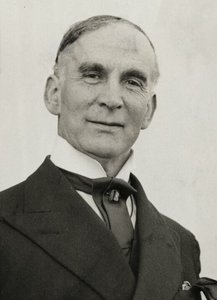
Frank O. Salisbury
1874 - 1962 , Reino Unido
Datos clave
- Artistas Que Influyeron: ['Artistas del Renacimiento']
- Fecha De Fallecimiento: 31 de agosto de 1962
- Fecha De Nacimiento: 18 de diciembre de 1874
- Lugar De Nacimiento: Harpenden, Reino Unido
- Movimiento Artístico: Realismo Conservador
- Nacionalidad: Inglés
- Nombre Completo: Frank Owen Salisbury
- Obras Notables:
- El Niño Cornwell
- Retratos de Churchill
- Retrato de la Reina Isabel II
- Mural del Royal Exchange
Artículos relacionados
Frank O. Salisbury: Capturing an Era Through Victorian Portraiture & Atmospheric Realism
Explore the life & work of Frank O. Salisbury, Britain's celebrated 'Painter Laureate'. Discover his masterful Victorian portraits, atmospheric realism, and captivating historical murals. A deep dive into a remarkable artistic legacy.
Utagawa Kuniyoshi: A Master of Japanese Ukiyo-e – Narrative Innovation & the Fusion of Tradition with Popular Culture
Explore the captivating world of Utagawa Kuniyoshi, a master of Japanese ukiyo-e woodblock prints. Discover his innovative warrior scenes, vibrant landscapes & lasting legacy in 19th-century art history.
Josep Cusachs i: Exploring Catalan Modernism Through Social Commentary & Artistic Innovation
Explore the captivating world of Josep Cusachs i, a key figure in Catalan Modernism. Discover his realist paintings, social commentary, and influence on 19th-century Spanish art. Hand-painted reproductions available at ArtsDot.
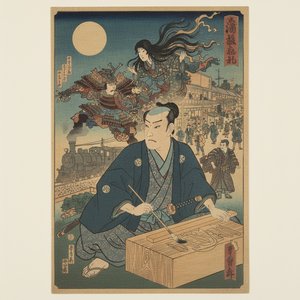
Tsukioka Yoshitoshi: A Master of Ukiyo-e's Final Flourish – Narrative, Innovation, and the Meiji Transition
Explore the life & art of Tsukioka Yoshitoshi, the last great master of ukiyo-e woodblock printing. Discover his dramatic warrior prints, innovative series like 'One Hundred Aspects of the Moon,' and legacy reflecting Japan's Meiji transition.

Charting Unknown Territories: A Visual Exploration of Human Discovery in Art History
Explore the history of artistic exploration! Discover iconic landscape paintings & artists who charted new territories – from Romantic visions of the West to modern abstract interpretations. Learn more at ArtsDot.