 Vista previa
 Compartir
 Compartir
 Ver detalles

 Descargar
 Ver similares
 Radiografía
 Presentación de diapositivas
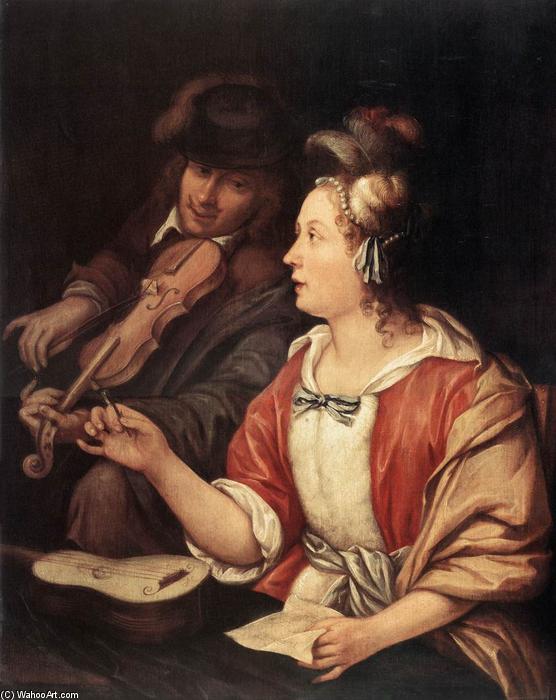
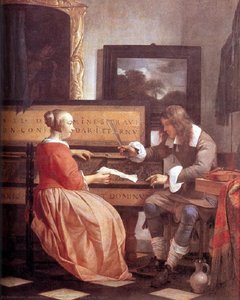
The Music Lesson
 Oil On Canvas
- WallArt
- Dutch Golden Age
 33.0 x 27.0 cm
 Museo Nacional
 Leer más
Reproducción al óleo hecha a mano
Óleo sobre lienzo pintado a mano en el tamaño y marco de su elección, realizado por encargo por nuestros artistas. ( Pedir impresión Comprar descarga)




P118B $10

P118H $10

P118W $10

P438Z $10

P508JH $12

P508YH $12

P805H $10

P805Z $10

P919BZ $10

P919G $10

P919XJ $10

P959ZH $10

P968JZ $12

W106C $8

W218G $10

W218JH $8

W218Y $10

W307PJ $10

W316G $10

W316PJ $8

W316Y $10

W398PJ $8

W4111J $10

W500HY $15

W500JH $15

W692G $12

W849H $8

W940BG $15

W953PJ $8




Elija entre nuestros tamaños predefinidos que respetan las proporciones originales de la obra.

Puede ingresar sus propias dimensiones para adaptarse a un marco o espacio específico. Si el tamaño seleccionado no coincide con las proporciones de la imagen original, recortaremos la obra o extenderemos la pintura con elementos adicionales pintados a mano. Se le enviará una maqueta digital para su aprobación antes de comenzar la producción.
Tenga en cuenta que la vista previa en pantalla no refleja el recorte o la extensión reales. Solo la maqueta mostrará con precisión la composición final.
Si bien existen tamaños personalizados, recomendamos seleccionar una dimensión de la lista predefinida para preservar las proporciones originales.
Tras realizar el pedido, el equipo de ArtsDot.com enviará un correo electrónico al cliente para solicitar instrucciones y proporcionarle una vista previa del boceto.
Envío a todo el mundo () en 3-4 semanas en lugar de las 5 semanas estándar. (22 agosto). Sin comprometer la calidad.

Envío exprés gratuito a todo el mundo

Lienzo de lino de alta calidad

Seguro de envío completo

Garantía de reembolso de aranceles aduaneros

Garantía de fidelidad cromática exacta

Política de devolución de 60 días (solo por defectos)

Garantía de devolución del 100% del dinero

Oferta por volumen
 La opción de vidrio solo está disponible en tamaños inferiores a 110 cm.

The Music Lesson
Técnica de reproducción
Tamaño de la reproducción
-


Precio total
$ 263
Descripción de la obra
A Glimpse into 17th-Century Dutch Life
Frans van Mieris’s “The Music Lesson,” painted around 1675, isn't merely a depiction of a musical scene; it’s a meticulously crafted tableau capturing the essence of late 17th-century Dutch society – a world of refined manners, burgeoning commerce, and a deep appreciation for artistic detail. Housed within the National Museum in Belgrade, Serbia, this oil on wood panel offers a rare window into a moment of quiet instruction, a subtle drama unfolding beneath the soft glow of an unseen light source. The painting’s setting, though dark, is far from gloomy; instead, it feels intimate and warmly lit, suggesting a private study or salon – a space reserved for intellectual pursuits and refined conversation.
Van Mieris was a master of the *fijnschilder* style, a hallmark of Dutch painting during this period. This approach prioritized subtle details, nuanced expressions, and an almost photographic realism. He wasn’t interested in grand gestures or dramatic action; rather, he sought to capture the quiet dignity and complexity of everyday life. “The Music Lesson” exemplifies this perfectly – it's not about a performance, but about the exchange between teacher and student, the unspoken connection forged through shared passion for music.
The Figures: A Study in Gesture and Observation
At the heart of the composition are two figures, rendered with an extraordinary level of detail. The man, seated at the virginal (a type of harpsichord), is a portrait of restrained elegance. His posture – slightly hunched over the instrument, his hand poised above the keys – suggests both concentration and a touch of melancholy. He wears a hat and coat, indicative of his social standing, hinting at a life of privilege and intellectual pursuits. His gaze is directed towards the woman, conveying a sense of quiet authority.
The woman, dressed in a vibrant red gown with a crisp white collar, stands beside him, holding a sheet music – a musical score. Her posture is attentive, her expression thoughtful as she observes the man’s playing. The color contrast between her dress and the muted tones of the background immediately draws the eye, emphasizing her presence and highlighting her role as the instructor. Van Mieris masterfully uses gesture to communicate their relationship; the subtle tilt of her head, the slight curve of her hand holding the music – these small details speak volumes about their interaction.
Symbolism and Artistic Technique
Beyond the immediate depiction of a musical lesson, “The Music Lesson” is rich in symbolic meaning. The virginal itself represents knowledge, refinement, and intellectual engagement—a central symbol within Dutch art during this era. The muted palette – dominated by browns, grays, and ochres – creates a sense of depth and atmosphere, while the carefully rendered textures of the clothing and furniture demonstrate Van Mieris’s exceptional technical skill. Note the meticulous detail in the depiction of the keys on the virginal, the folds of the fabric, and the subtle shadows cast by the figures—all hallmarks of his *fijnschilder* style.
The lighting is particularly noteworthy. It's soft and diffused, emanating from an unseen source, creating a sense of intimacy and warmth. This technique draws attention to the central figures while subtly suggesting a world beyond the frame – a world of quiet contemplation and intellectual exchange. The composition’s balance—the careful arrangement of the figures and objects—contributes to its overall harmony and visual appeal.
A Timeless Reflection on Human Connection
“The Music Lesson” transcends its specific historical context, offering a timeless reflection on human connection, learning, and the pursuit of knowledge. It’s not just a painting; it's an invitation to pause, observe, and contemplate the quiet beauty of everyday moments. Reproductions of this captivating artwork capture the essence of Van Mieris’s genius, bringing his meticulous detail and evocative atmosphere into any space. Whether displayed in a private study or a grand salon, “The Music Lesson” continues to resonate with viewers, reminding us of the enduring power of art to illuminate the human experience.
Obras relacionadas
Biografía del artista
Frans van Mieris el Viejo: Una Vida en Detalle
- Nacimiento: Leiden, Países Bajos (1635)
- Fallecimiento: 1681
Frans van Mieris el Viejo fue un destacado pintor de género neerlandés del Siglo de Oro conocido por su meticuloso detalle y estilo refinado. Nacido en Leiden, hijo de Jan Bastiaensz van Mieris, un orfebre, Frans inicialmente demostró aptitud para el dibujo en lugar de seguir los pasos de su padre. La formación temprana bajo Abraham Toorenvliet, seguida de la instrucción por Gerrit Dou, moldearon sus bases artísticas.
Desarrollo Artístico y Estilo
- Primeras Influencias: Gerrit Dou y Abraham van den Tempel influyeron significativamente en las primeras obras de Frans.
- Técnica "Fijnschilder": Van Mieris se convirtió en un maestro del estilo "fijnschilder", caracterizado por detalles extremadamente finos, pinceladas suaves y un enfoque en pinturas a pequeña escala. Esta técnica enfatizaba el realismo e intrincadas representaciones de texturas como satén y terciopelo.
- Temática: Representó con frecuencia escenas de la sociedad adinerada – interiores elaborados, reuniones elegantes y retratos – ilustrando los hábitos y la vestimenta de las clases altas. Los motivos recurrentes incluían almuerzos de ostras, médicos examinando a pacientes y mujeres dedicadas a actividades domésticas.
- Evolución del Estilo: Si bien inicialmente emuló el estilo de Gerrit Dou, Van Mieris desarrolló gradualmente su propio enfoque distintivo, alejándose del detalle excesivo hacia una mayor énfasis en la interacción de personajes y la narrativa dentro de sus escenas. Sus obras posteriores a veces exhibían tonos más oscuros en comparación con sus piezas anteriores, más brillantes.
Logros Destacados y Obras Notables
- Visita del Médico (1657): Considerada una de sus obras datadas más tempranas y significativas, que muestra su independencia emergente del estilo de Dou.
- Autorretrato con una Citerna: Un autorretrato convincente que demuestra su habilidad para representar atuendos opulentos y capturar un sentido de personalidad.
- Retrato de la Esposa del Artista, Cunera van der Cock: Un ejemplo impresionante de retrato que destaca el realismo y el claroscuro.
- Pinturas Alegóricas: Van Mieris también produjo obras alegóricas, como una que representa vicios como beber, fumar y jugar, demostrando su versatilidad.
Legado y Significado Histórico
- Legado Familiar: La influencia de Frans van Mieris se extendió a su familia; su hijo Willem van Mieris (1662–1747) y su nieto Frans van Mieris el Joven (1689–1763) también se convirtieron en pintores de género consumados, continuando la tradición familiar.
- Imitaciones: La popularidad del estilo de Van Mieris condujo a numerosas imitaciones, más notablemente por A. D. Snaphaan, quien trabajó en Leipzig y fue patronado por la corte de Anhalt-Dessau.
- Contribución a la Pintura Neerlandesa del Siglo de Oro: Frans van Mieris jugó un papel crucial en dar forma al movimiento "fijnschilder" dentro de la pintura neerlandesa del Siglo de Oro, contribuyendo significativamente al enfoque de la época en el detalle meticuloso y las representaciones realistas de la vida cotidiana y la sociedad de clase alta. Sus obras son valoradas por su habilidad técnica y su retrato perspicaz de la cultura del siglo XVII.
Años Posteriores y Redescubrimiento
- Patronato: Van Mieris disfrutó del patrocinio de figuras prominentes, incluyendo al Archiduque Leopoldo y Cosimo III de' Medici.
- Obra Robada: Un autorretrato fue robado de la Galería de Arte de Nueva Gales del Sur en Sydney, Australia, destacando el valor y atractivo perdurables de sus obras.
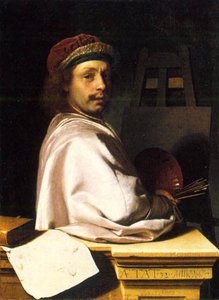
Frans van Mieris
1635 - 1681 , Países Bajos
Datos clave
- Artistas Influenciados:
- Willem van Mieris
- Frans van Mieris el Joven
- Artistas Que Influyeron:
- Gerrit Dou
- Abraham van den Tempel
- Fecha De Nacimiento: 1635
- Lugar De Nacimiento: Leiden, Países Bajos
- Movimiento Artístico: Fijnschilder
- Nacionalidad: Holandés
- Nombre Completo: Frans van Mieris el Viejo
- Obras Notables:
- Visita del Doctor
- Autorretrato con cítara
- Retrato de su esposa
- Mujer frente al espejo
Artículos relacionados

Rembrandt van Rijn: Las 25 Obras Maestras que Definen un Genio | Arte, Historia y Decoración
Descubre las 25 obras maestras de Rembrandt van Rijn, el genio del barroco holandés. Explora su historia, técnica y simbolismo en retratos icónicos como 'La Ronda Nocturna'. Encuentra reproducciones de arte exclusivas para decorar tu hogar con ArtsDot.com.

Los 10 Maestros del Siglo de Oro Holandés: Arte, Historia y Decoración Exclusiva
Descubre los 10 imprescindibles del Siglo de Oro Holandés: Rembrandt, Vermeer y más. Explora la historia, técnica y belleza de estos lienzos clásicos. Encuentra reproducciones de arte exclusivas para decorar tu hogar en .
Adriaen van Ostade: A Master of Dutch Genre Painting & Social Commentary
Explore the life & work of Adriaen van Ostade, a leading Dutch Golden Age painter. Discover his realistic genre scenes, social commentary, and lasting influence on art history. Learn more at ArtsDot.

Los 10 Maestros del Barroco Holandés: Obras que Definen una Época | ArtsDot
Descubre los 10 imprescindibles del Barroco holandés: Rembrandt, Vermeer y más. Explora la historia, técnica y belleza de estas obras maestras. Reproducciones de arte en ArtsDot.com para decorar tu hogar con elegancia.

Willem van de Velde the Elder: Master of Maritime Painting & Chronicler of the Dutch Golden Age
Discover the captivating maritime paintings of Willem van de Velde the Elder, a master chronicler of the Dutch Golden Age. Explore his unparalleled realism and lasting influence on naval art history.