

 Ver en contexto
 Enviar
 Compartir
 Detalles

 Descargar
 Similares
 Radiografía
 Presentación de diapositivas
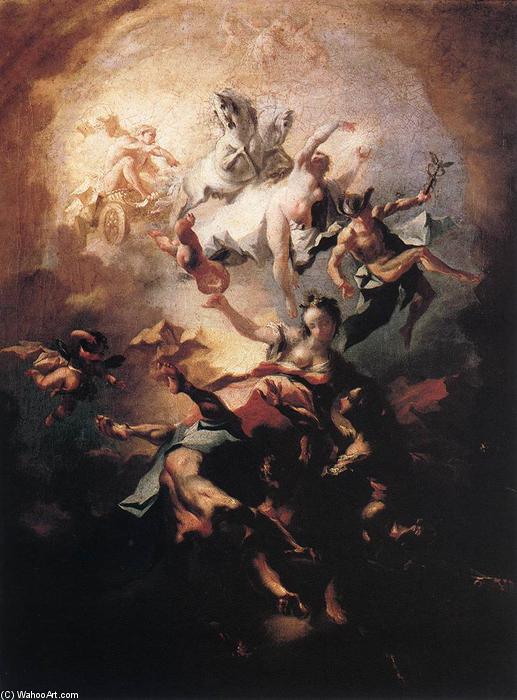
Allegory of the Alba
 Oil On Canvas
- WallArt
- Baroque
 1750
1750 67.0 x 53.0 cm
 Museo Wallraf-Richartz
 Ver más
Adquiera una imagen digital de alta resolución y optimizada, muy superior a la vista previa en línea.
Cada archivo es preparado meticulosamente por nuestros especialistas internos mediante el uso de herramientas avanzadas y un experto retoque manual. Nos aseguramos de que cada imagen posea una claridad excepcional, una precisión cromática impecable y un detalle minucioso.
El archivo final se entrega por correo electrónico en un plazo de 72 horas, optimizado para su uso inmediato en entornos profesionales, editoriales y de impresión. Esta es la misma calidad en la que confían los estudios de diseño, las editoriales y las galerías de primer nivel.
Imagen Digital
Descarga un archivo de alta resolución para exhibición personal, impresión y proyectos creativos. ( Comprar impresión Comprar pintura hecha a mano)
Incluido en cada pedido de imágenes digitales
Entrega digital experta, garantizada.
Al elegir ArtsDot.com, no solo está adquiriendo una imagen; está recibiendo una obra de arte digital mejorada profesionalmente, elaborada con precisión y respaldada por una garantía de satisfacción. Esto es todo lo que incluye su pedido, automáticamente:

Entrega rápida por email
Recibirá su archivo de imagen digital en alta resolución por correo electrónico en un plazo de 72 horas tras realizar su pedido, listo para su uso inmediato.

Archivo digital optimizado por IA
Su obra de arte se optimiza profesionalmente mediante herramientas avanzadas de IA y edición manual, garantizando el máximo detalle, claridad y precisión cromática.

Reenvío gratuito de por vida
¿Has borrado o perdido tu archivo por error? No te preocupes: te lo volveremos a enviar en cualquier momento, sin coste adicional.

Sin gastos de importación, siempre
Disfrute de su obra de arte al instante sin aduanas, aranceles ni gastos de envío; las descargas digitales siempre están libres de impuestos.

Garantía de fidelidad de color
Garantizamos que su imagen digital refleje los colores originales con la mayor fidelidad posible, mediante el uso de herramientas profesionales y gestión del color.

Garantía de satisfacción de 60 días
Si no está satisfecho con su imagen digital, la revisaremos o le reembolsaremos el 100% en un plazo de 60 días, sin preguntas.

100% Garantía de devolución de dinero
¿No está satisfecho? Obtenga un reembolso completo dentro de los 60 días posteriores a la recepción de su archivo digital, sin necesidad de explicaciones.

Descuentos por pedidos grandes
Compra 3 imágenes, ahorra 10% - Compra 5, ahorra 15% - Compra 10+, ahorra 20%. Ideal para proyectos creativos, galerías y agencias.
Descripción del coleccionable
A Celestial Dance: Unveiling Maulbertsch’s “Allegory of the Alba”
Franz Anton Maulbertsch's "Allegory of the Alba," painted around 1750, is more than just a Baroque canvas; it’s a vibrant portal into a world where divine influence and earthly ecstasy intertwine. This arresting work, now meticulously reproduced, captures a pivotal moment in Rococo artistic expression – a synthesis of the drama of the late Baroque with the lightness and ornamentation characteristic of the emerging style. Maulbertsch, born in the picturesque German town of Langenargen, skillfully navigated this transition, forging a distinctive voice marked by rich color palettes, dynamic compositions, and an almost palpable sense of movement.
The painting immediately commands attention with its dramatic use of light and shadow – a hallmark of chiaroscuro. A deep, velvety black dominates the lower portion of the canvas, grounding the scene in a rocky landscape that feels both ancient and foreboding. This darkness serves to heighten the brilliance of the upper register, where a central female figure is bathed in an ethereal glow. She’s not merely observing; she's actively participating in a swirling vortex of clouds and winged putti – cherubic angels rendered with exquisite detail and playful energy. The composition itself is carefully orchestrated: a vertical thrust upward, emphasized by the cascading drapery and the ascending trajectory of the chariot pulled by rearing horses. This deliberate arrangement draws the viewer’s eye into the heart of the scene, inviting them to become witnesses to this extraordinary event.
Decoding Symbolism: A Tapestry of Meaning
“Allegory of the Alba” is a rich tapestry of symbolic representation, reflecting the prevailing intellectual and artistic currents of the 18th century. The title itself – “Alba” – refers to the dawn, suggesting renewal, rebirth, and the arrival of a new era. The central figure, often interpreted as representing the Virgin Mary or a goddess associated with the morning star, is caught in a moment of ecstatic surrender, seemingly receiving divine grace. Surrounding her are putti, emblems of innocence and joy, actively contributing to the celebration. The chariot, pulled by spirited horses, symbolizes power, speed, and the swift passage of time – elements crucial to understanding the allegory’s message.
Beyond these primary symbols, numerous details contribute to the painting's layered meaning. The swirling clouds are not merely decorative; they represent the volatile nature of divine influence and the unpredictable forces shaping human destiny. The carefully rendered flora and fauna—including lilies, roses, and a stag—each carry specific symbolic weight within the context of 18th-century allegorical art. Maulbertsch masterfully employs these visual cues to create a complex narrative that speaks to themes of faith, beauty, and the cyclical nature of existence.
The Art of Maulbertsch: Technique and Materials
Maulbertsch’s distinctive style is immediately recognizable through his masterful application of oil paint. He employed a technique known as “impasto,” building up thick layers of pigment to create a tactile, three-dimensional surface. This approach not only adds visual richness but also emphasizes the dynamism of the scene – the swirling clouds seem almost tangible, while the figures possess a remarkable sense of volume and presence. The artist’s loose brushwork contributes to the painting's overall feeling of movement and energy, capturing the fleeting nature of divine inspiration.
The color palette is equally striking, dominated by warm hues – golds, reds, browns, and yellows – which evoke a sense of opulence and grandeur. These vibrant tones are juxtaposed with deep blues and blacks in the background, creating a dramatic contrast that further enhances the painting’s visual impact. The use of gold leaf, likely applied to certain elements, would have added an additional layer of luminosity and prestige, reflecting the wealth and power associated with the subject matter.
A Timeless Masterpiece: Reproduction and Beyond
Today, “Allegory of the Alba” continues to captivate viewers with its dramatic intensity and profound symbolism. Reproductions offer a remarkable opportunity to experience this masterpiece in your own space, bringing its vibrant colors and evocative imagery into your home or office. When selecting a reproduction, consider the quality of materials used – a hand-painted replica will capture the nuances of Maulbertsch’s original technique far more effectively than a digital print. Whether you are an art enthusiast, a collector seeking to expand your collection, or simply someone drawn to the beauty and power of Baroque art, “Allegory of the Alba” remains a timeless testament to the enduring legacy of Franz Anton Maulbertsch.
Obras relacionadas




Biografía del artista
Franz Anton Maulbertsch: Vida y Legado
Infancia Temprana y Educación
Franz Anton Maulbertsch nació en Langenargen, Alemania, en 1724. Demostró talento artístico desde una edad temprana, lo que le llevó a buscar formación formal en la Academia de Viena. Esta educación fundamental fue crucial para moldear su estilo y carrera futuros.
Influencias y Desarrollo Artístico
El desarrollo artístico de Maulbertsch se vio significativamente influenciado por varias figuras clave. Estudió bajo Paul Troger, un destacado pintor barroco austriaco, y absorbió el dramatismo característico de esa época. Además, recibió inspiración de maestros venecianos como Giovanni Battista Pittoni y Piazzetta, cuya utilización de la luz y el color impactaron profundamente en su obra. También examinó meticulosamente los frescos de Sebastiano Ricci en el Palacio de Schönbrunn en Viena. Un momento decisivo fue conocer a Giambattista Tiepolo mientras estaba activo en Würzburgo alrededor de 1750; este encuentro amplió los horizontes artísticos de Maulbertsch.
Estilo Artístico y Obras Principales
Maulbertsch se convirtió en uno de los exponentes más renombrados del pintoresco rococó en la región de habla alemana. Su estilo se caracteriza por colores vibrantes, composiciones dinámicas y un sentido teatral. Destacó como fresco pintor, recibiendo numerosas comisiones para obras religiosas y seculares.
- Comisiones Eclesiásticas: Maulbertsch decoró iglesias en Bicske, Kalocsa, la Michaelerkirche y Piaristenkirche Maria Treu de Viena, Porta Coeli en Moravia, el Palacio del Arzobispo de Kroměříž y la Villa de Halbturn.
- Pinturas Notables: También creó pinturas como “Júpiter y Antiope”, “San Pablo Baptiza a un Eunuco”, “Un Barbero Cirujano en el Trabajo” y “Serenata Pastoral”.
Logros y Reconocimientos
La habilidad de Maulbertsch como fresco pintor condujo a un amplio reconocimiento y numerosas comisiones prestigiosas. Su capacidad para crear obras visualmente impresionantes y emocionalmente atractivas consolidó su reputación como uno de los principales pintores de su tiempo. Logró combinar el drama barroco con la elegancia y la ligereza del rococó, creando una voz artística única.
Significado Histórico
Franz Anton Maulbertsch desempeñó un papel vital en la conexión entre el barroco tardío y el período clásico temprano. Su obra refleja los cambiantes gustos del siglo XVIII mientras mantiene una fuerte conexión con las técnicas tradicionales. Ayudó a establecer un estilo rococó austríaco distintivo, influyendo en generaciones posteriores de artistas. Sus frescos siguen siendo ejemplos importantes de arte religioso y pintura decorativa de esa época.
Vida Tardía y Muerte
Maulbertsch continuó trabajando diligentemente a lo largo de su carrera, manteniendo un alto nivel de calidad artística hasta su muerte en Viena en 1796. Su legado continúa siendo celebrado a través de la preservación y el estudio de sus notables obras de arte.

Franz Anton Maulbertsch
1724 - 1796 , Alemania
Breves datos
- Artistic Movement Or Style: Rococó, Barroco
- Artists Who Influenced This Artist:
- Paul Troger
- Giovanni Battista Pittoni
- Piazzetta
- Giambattista Tiepolo
- Date Of Birth: 1724
- Date Of Death: 1796
- Full Name: Franz Anton Maulbertsch
- Nationality: Alemania/Austria
- Notable Artworks:
- Júpiter y Antiope
- San Pablo Baptiza a un Eunuco
- Un Barbero Cirujano en el Trabajo
- Serenata Pastoral
- Place Of Birth: Langenargen, Alemania

