 Ver en contexto
 Enviar
 Compartir
 Detalles

 Descargar
 Similares
 Radiografía
 Presentación de diapositivas
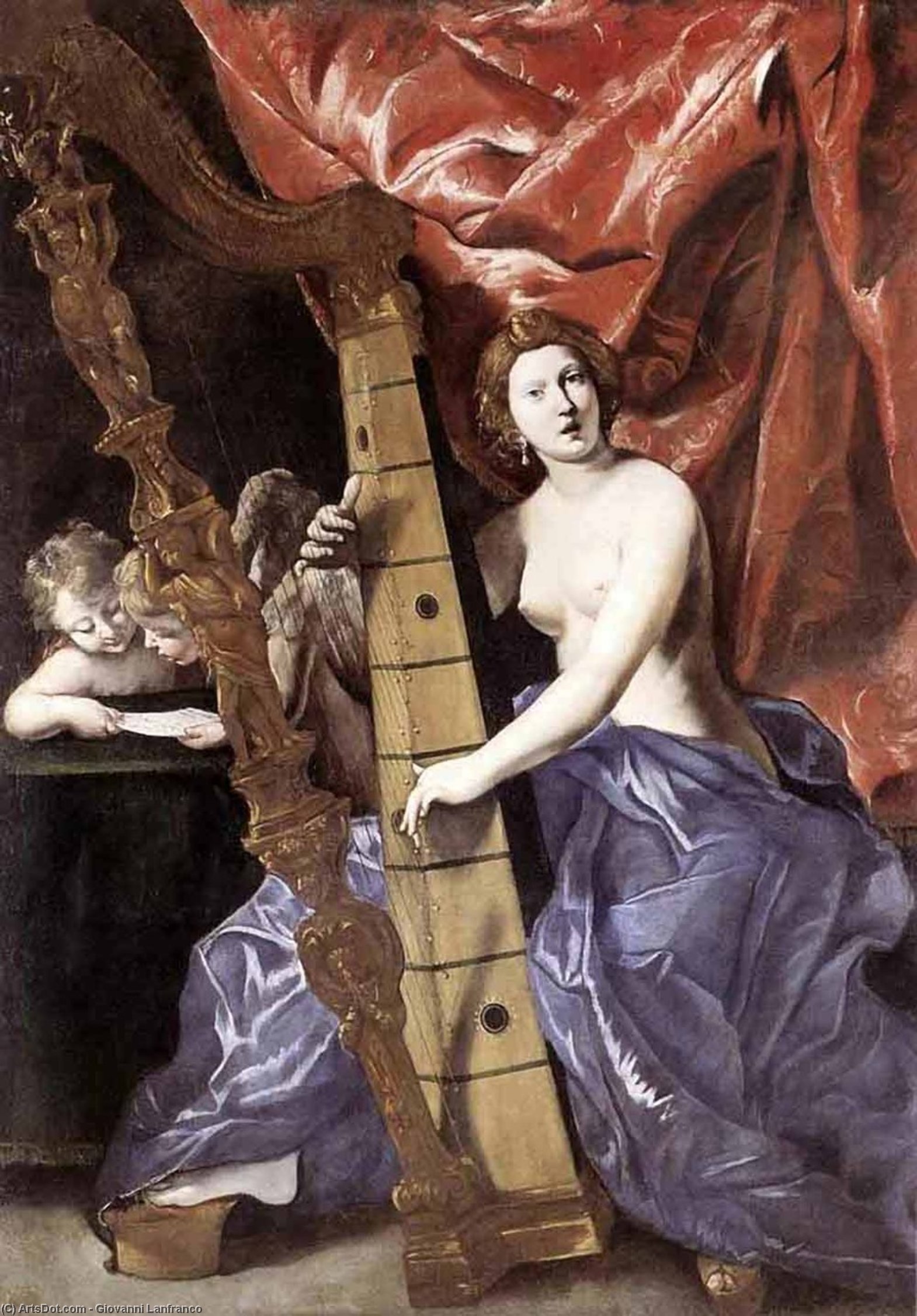
Venus Playing the Harp (Allegory of Music)
 Oil On Canvas
- WallArt
- Baroque
 1630
1630 214.0 x 150.0 cm
 Galleria Nazionale d’Arte Antica
 Ver más
Reproducción al óleo hecha a mano
Óleo sobre lienzo pintado a mano en el tamaño y marco de su elección, realizado por encargo por nuestros artistas. ( Comprar impresión Comprar imagen)




P118B $10

P118H $10

P118W $10

P438Z $10

P508JH $12

P508YH $12

P805H $10

P805Z $10

P919BZ $10

P919G $10

P919XJ $10

P959ZH $10

P968JZ $12

W106C $8

W218G $10

W218JH $8

W218Y $10

W307PJ $10

W316G $10

W316PJ $8

W316Y $10

W398PJ $8

W4111J $10

W500HY $15

W500JH $15

W692G $12

W849H $8

W940BG $15

W953PJ $8




Elija entre nuestros tamaños predefinidos que respetan las proporciones originales de la obra.

Puede ingresar sus propias dimensiones para adaptarse a un marco o espacio específico. Si el tamaño seleccionado no coincide con las proporciones de la imagen original, recortaremos la obra o extenderemos la pintura con elementos adicionales pintados a mano. Se le enviará una maqueta digital para su aprobación antes de comenzar la producción.
Tenga en cuenta que la vista previa en pantalla no refleja el recorte o la extensión reales. Solo la maqueta mostrará con precisión la composición final.
Si bien existen tamaños personalizados, recomendamos seleccionar una dimensión de la lista predefinida para preservar las proporciones originales.
Tras realizar el pedido, el equipo de ArtsDot.com enviará un correo electrónico al cliente para solicitar instrucciones y proporcionarle una vista previa del boceto.
Envío a todo el mundo () en 3-4 semanas en lugar de las 5 semanas estándar. (31 agosto). Sin comprometer la calidad.

Envío exprés gratuito a todo el mundo

Lienzo de lino de alta calidad

Seguro de envío total

Garantía de reembolso de impuestos aduaneros

Garantía de fidelidad cromática exacta

Política de devolución de 60 días (solo por defectos)

Garantía de devolución del 100% del dinero

Descuento por cantidad
 La opción de vidrio solo está disponible en tamaños inferiores a 110 cm.

Venus Playing the Harp (Allegory of Music)
Técnica de reproducción
Dimensiones de la reproducción
-


Precio total final
$ 288
Venus Playing the Harp (Allegory of Music) – A Baroque Masterpiece
Giovanni Lanfranco’s “Venus Playing the Harp” stands as a testament to the grandeur and sophistication of Baroque art, capturing an exquisite moment of serene beauty within a richly symbolic composition. Painted in 1630-34 for Marco Marazzoli, a celebrated musician patron of the Barberini family, this oil on canvas masterpiece resides in the Galleria Nazionale d’Arte Antica in Rome—a location that underscores its significance as part of Italy's artistic heritage. The painting immediately draws the eye with its masterful use of light and color, emanating from an unseen source above and to the left, casting dramatic shadows that sculpt Venus’s form and illuminate the drapery surrounding her. This theatrical illumination is characteristic of Baroque aesthetics, designed to evoke emotion and heighten visual impact.Subject Matter and Symbolism
At its core, “Venus Playing the Harp” embodies the allegory of music—a genre favored by artists during this period—representing harmony, grace, and divine inspiration. Venus herself, depicted nude yet idealized, symbolizes beauty and virtue, aligning perfectly with Renaissance humanist ideals that persisted into the Baroque era. Her posture exudes calm contemplation as she delicately plucks at the harp’s strings, an instrument traditionally associated with musical excellence and spiritual devotion. The harp’s presence isn't merely decorative; it serves as a potent symbol of artistic creativity and divine favor—a visual representation of Venus’s role as goddess of love and music. Surrounding Venus are angelic figures, adding to the painting’s narrative dimension and reinforcing its religious undertones. These angels gaze upon Venus with admiration, suggesting that she embodies perfection and is blessed by celestial grace. The bees adorning the harp further amplify this symbolism—bees represent diligence, productivity, and the transformative power of nature—connecting music to earthly fecundity and spiritual renewal.Technique and Artistic Style
Lanfranco’s meticulous technique exemplifies Baroque painting's commitment to realism blended with expressive illusionism. He skillfully employs glazing techniques – applying thin layers of translucent paint over underlying colors – creating a luminous surface that captures the subtle nuances of light and texture. The artist’s attention to detail is evident in every fold of drapery, every curve of Venus’s body, and the intricate construction of the harp itself. Lanfranco utilizes perspective—though somewhat flattened—to create depth within the composition, guiding the viewer's gaze toward the central figure and enhancing the dramatic effect of the lighting. The artist’s masterful brushwork contributes to a palpable sense of movement and dynamism, despite the serene stillness of the scene. This stylistic choice reflects Baroque artists’ desire to engage viewers emotionally and intellectually—to transport them into a world of heightened beauty and spiritual contemplation.Historical Context
“Venus Playing the Harp” emerged during a period of artistic flourishing in Rome under Pope Urban VIII—a staunch supporter of the Catholic Church and a champion of Baroque art. The painting reflects the broader cultural climate of the time, characterized by an obsession with grandeur, emotion, and religious fervor. Lanfranco’s work aligns seamlessly with the stylistic conventions established by artists like Caravaggio and Bernini—artists who similarly sought to convey profound spiritual truths through dramatic visual narratives. Its commission for Marco Marazzoli underscores the importance of patronage in shaping artistic production during the Baroque era—demonstrating how wealthy patrons influenced artistic endeavors and contributed to the dissemination of cultural ideals.Concluding Impression
Ultimately, Giovanni Lanfranco’s “Venus Playing the Harp” transcends mere representation; it aspires to evoke a feeling of sublime beauty and spiritual contemplation. The painting's enduring appeal lies in its masterful synthesis of classical idealism and Baroque theatricality—a harmonious blend that continues to captivate audiences centuries later. It remains an unforgettable emblem of artistic excellence and a poignant reminder of the power of art to inspire awe and elevate the human spirit.Obras relacionadas
Biografía del artista
Giovanni Lanfranco: Una Figura Clave del Barroco Romano
- Nacido: Parma, Italia (1582)
- Fallecido: 1647
Giovanni Gaspare Lanfranco fue un prominente pintor italiano perteneciente al período barroco. Su carrera floreció principalmente en Roma, donde se hizo famoso por sus frescos dinámicos y composiciones teatrales. Se erige como una figura significativa dentro de la escena artística romana, a menudo señalado por su rivalidad con Domenichino.
Vida Temprana y Formación
El viaje artístico de Lanfranco comenzó en Parma, Italia. Como tercer hijo de Stefano y Cornelia Lanfranchi, inicialmente sirvió como paje en el hogar del Conde Orazio Scotti. Su innato talento para el dibujo lo llevó a un aprendizaje con Agostino Carracci, hermano de Annibale Carracci, junto con Sisto Badalocchio. Esta formación temprana dentro de los palacios Farnese proporcionó una base sólida.
Tras la muerte de Agostino Carracci en 1602, Lanfranco y Badalocchio se unieron al gran e influyente taller romano de Annibale Carracci, que estaba entonces dedicado a decorar la Galería Farnese en el Palazzo Farnese. Se cree que Lanfranco contribuyó a obras como "Polifemo y Galatea" (existe una réplica en la Galería Doria) y otras piezas menores dentro de la galería.
Durante este período, junto con Guido Reni y Francesco Albani, Lanfranco pintó frescos en la Capilla Herrera en San Giacomo degli Spagnoli. También participó en la decoración de San Gregorio Magno y la Cappella Paulina en Santa Maria Maggiore. A partir de 1605, comenzó a recibir encargos independientes, incluyendo contribuciones al Camerino degli Eremiti en Palazzo Farnese.
Desarrollo y Estilo Artístico
Después de la muerte de Annibale Carracci en 1609, Lanfranco regresó brevemente a Parma durante dos años. Este período vio su colaboración con Bartolomeo Schedoni y pintó un retablo para la Iglesia Ognissanti. También produjo pinturas y retablos en varias ciudades incluyendo Orvieto, Vallerano, Leonessa y Fermo.
Tras su regreso a Roma en 1612, Lanfranco compitió con otros estudiantes de Carracci –incluyendo Reni, Albani y Domenichino– por el patrocinio. Su estilo evolucionó hacia un enfoque visionario y teatral, particularmente adecuado para las pinturas de techo que estaban ganando popularidad durante la primera década del siglo XVII.
Las influencias artísticas de Lanfranco fueron diversas. Se inspiró en las obras tardías de Ludovico Carracci y posiblemente de Caravaggio (como se ve en su retablo que representa la Inspiración de San Lucas). Sin embargo, también asimiló y adaptó el estilo de Antonio Correggio, evidente en su "Adoración de los Pastores" pintada antes de 1608. Su estudio se volvió bastante activo en la década de 1610, decorando Palazzo Mattei y la Capilla Buongiovanni en Sant'Agostino.
Logros Principales y Significado Histórico
El logro más significativo de Lanfranco fue su fresco "La Asunción de la Virgen" en la cúpula de Sant'Andrea della Valle (completado en 1627). Esta monumental obra, ejecutada utilizando la técnica de perspectiva “sotto in su”, es un hito de la pintura barroca, caracterizada por sus colores vibrantes y energía dinámica. Refleja la decoración pionera de Correggio de la Duomo di Parma.
Otros encargos notables incluyeron frescos para Palazzo Costaguti y un gran fresco en el techo en Villa Borghese ("Los Dioses del Olimpo"). También decoró la Sala de' Corazzieri y la Sala Regia del Palazzo del Quirinale. Su trabajo en "El Éxtasis de Santa Margarita de Cortona" (1622) se cree que influyó en la famosa escultura de Bernini, “Santa Teresa en el Éxtasis”.
La capacidad de Lanfranco para crear pinturas de techo ilusionistas a gran escala consolidó su posición como un artista líder dentro del movimiento barroco romano. Sus composiciones dinámicas y dominio de la perspectiva contribuyeron significativamente al esplendor visual de numerosos iglesias y palacios en Roma.
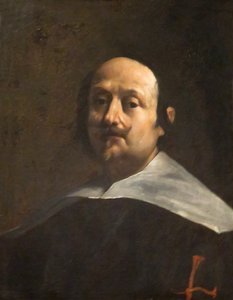
Giovanni Lanfranco
1582 - 1647 , Italia
Datos clave
- Artistas Que Influyeron:
- Agostino Carracci
- Annibale Carracci
- Antonio Correggio
- Caravaggio
- Fecha De Fallecimiento: 1647
- Fecha De Nacimiento: 1582
- Lugar De Nacimiento: Parma, Italia
- Movimiento Artístico: Barroco
- Nacionalidad: Italiana
- Nombre Completo: Giovanni Lanfranco
- Obras Notables:
- Asunción de la Virgen
- Polifemo y Galatea
- Adoración de los Pastores
- Éxtasis de Santa Margarita
Artículos relacionados
Decoding Baroque Grandeur: A Guide to the Drama and Emotion of 17th-Century Art
Explore the breathtaking drama of 17th-century Baroque art. Our expert guide decodes the use of chiaroscuro, emotional intensity, and historical grandeur to help you appreciate and curate timeless masterpieces for your collection.

Baroque Classicism: Reconciling Drama & Order in 17th-Century Art
Explore the captivating world of Baroque Classicism! Discover its history, key artists like Caravaggio & Rubens, and defining characteristics. Expert insights & high-quality reproductions at ArtsDot.

The Dramatic Flourish: Exploring the Baroque Movement's Enduring Legacy in Art History
Explore the dramatic world of Baroque art! Discover iconic artists like Caravaggio & Rubens, defining techniques, and its lasting impact on art history. Expert insights for collectors & enthusiasts at ArtsDot.

Barroco Sublime: 10 Obras Maestras que Definieron una Época |
Descubre las 10 obras maestras del Barroco que marcaron una época. Caravaggio, Bernini y Velázquez cobran vida en . Reproducciones de arte de calidad museo para decorar tu hogar con elegancia. ¡Explora la colección online!

Drama Barroca: Llevando la Grandeza y la Emoción a los Interiores Contemporáneos
Descubre cómo el drama y la grandeza del arte barroco pueden transformar tus interiores. Guía experta, inspiración y reproducciones de alta calidad en .