

 Ver en contexto
 Enviar
 Compartir
 Detalles

 Descargar
 Similares
 Radiografía
 Presentación de diapositivas
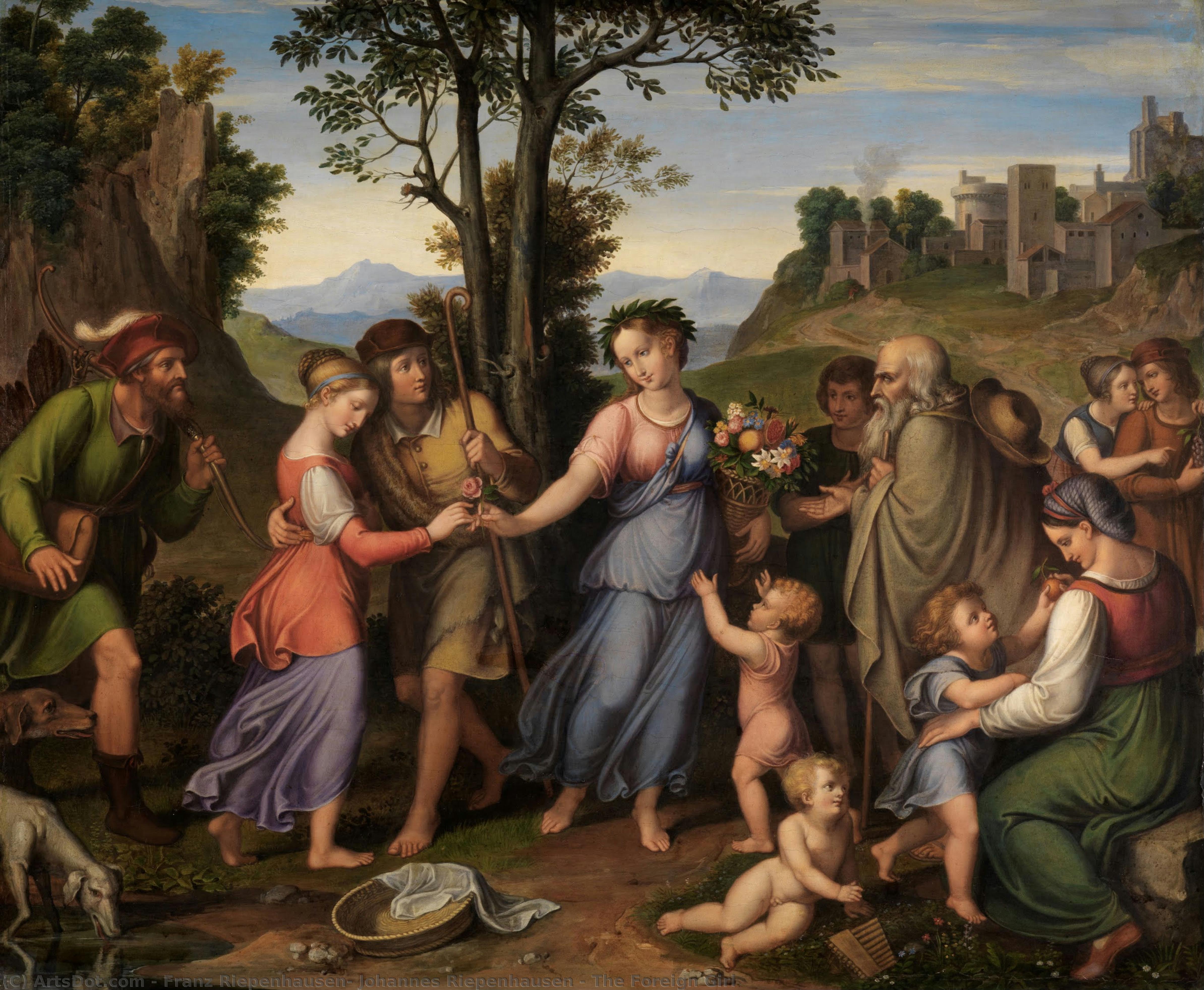
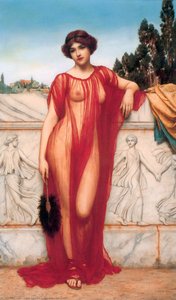
The Foreign Girl


 Ver más
Reproducción al óleo hecha a mano
Óleo sobre lienzo pintado a mano en el tamaño y marco de su elección, realizado por encargo por nuestros artistas. ( Comprar impresión Comprar imagen)




P118B $10

P118H $10

P118W $10

P438Z $10

P508JH $12

P508YH $12

P805H $10

P805Z $10

P919BZ $10

P919G $10

P919XJ $10

P959ZH $10

P968JZ $12

W106C $8

W218G $10

W218JH $8

W218Y $10

W307PJ $10

W316G $10

W316PJ $8

W316Y $10

W398PJ $8

W4111J $10

W500HY $15

W500JH $15

W692G $12

W849H $8

W940BG $15

W953PJ $8




Elija entre nuestros tamaños predefinidos que respetan las proporciones originales de la obra.

Puede ingresar sus propias dimensiones para adaptarse a un marco o espacio específico. Si el tamaño seleccionado no coincide con las proporciones de la imagen original, recortaremos la obra o extenderemos la pintura con elementos adicionales pintados a mano. Se le enviará una maqueta digital para su aprobación antes de comenzar la producción.
Tenga en cuenta que la vista previa en pantalla no refleja el recorte o la extensión reales. Solo la maqueta mostrará con precisión la composición final.
Si bien existen tamaños personalizados, recomendamos seleccionar una dimensión de la lista predefinida para preservar las proporciones originales.
Tras realizar el pedido, el equipo de ArtsDot.com enviará un correo electrónico al cliente para solicitar instrucciones y proporcionarle una vista previa del boceto.
Envío a todo el mundo () en 3-4 semanas en lugar de las 5 semanas estándar. (5 septiembre). Sin comprometer la calidad.

Envío exprés gratuito a todo el mundo

Lienzo de lino de alta calidad

Seguro de envío total

Garantía de reembolso de impuestos aduaneros

Garantía de fidelidad cromática exacta

Política de devolución de 60 días (solo por defectos)

Garantía de devolución del 100% del dinero

Descuento por cantidad
 La opción de vidrio solo está disponible en tamaños inferiores a 110 cm.

The Foreign Girl
Técnica de reproducción
Dimensiones de la reproducción
-


Precio total final
$ 463
A Moment of Grace: The Foreign Girl by Franz Riepenhausen
Franz Riepenhausen’s “The Foreign Girl,” completed in 1810, is more than just a depiction of the Presentation of Christ; it's a meticulously crafted window into the artistic and spiritual currents of early 19th-century Rome. Executed on canvas with oil paints, this remarkably detailed work—measuring 5 x 73 cm—captures a pivotal biblical scene with an almost palpable sense of reverence. The painting’s scale invites contemplation, drawing the viewer into a world where faith and artistic mastery converge.
- Subject Matter: The composition centers around the Virgin Mary presenting her infant son, Jesus, to religious figures within the Temple. This iconic scene, rendered with profound sensitivity, speaks to themes of divine grace, sacrifice, and the beginning of salvation’s journey.
- Renaissance & Baroque Fusion: Riepenhausen skillfully blends Renaissance compositional principles – notably the pyramidal structure directing the eye towards Mary – with the dramatic lighting and heightened emotionalism characteristic of the burgeoning Baroque style. This harmonious fusion elevates the work beyond a simple historical representation, imbuing it with an enduring sense of theatricality.
Technical Brilliance: A Masterclass in Oil Painting
The technical execution of “The Foreign Girl” is nothing short of extraordinary. Riepenhausen’s command of oil paint is evident in every brushstroke, showcasing a deep understanding of blending, glazing, and layering techniques. The smooth, polished textures achieved on the figures' skin and drapery contribute significantly to the painting’s realism and luminosity. Strong highlights emphasize facial features and clothing, creating a powerful sense of depth and volume that seems to leap from the canvas.
- Perspective & Light: The artist employs linear perspective with precision, constructing a believable three-dimensional space that recedes into the mountainous landscape and distant city. Dramatic lighting, reminiscent of Caravaggio’s influence, intensifies the emotional impact and draws attention to key elements within the scene.
- Materiality: Constructed from oil paints on canvas, the artwork demonstrates meticulous attention to detail, reflecting a mastery of traditional painting techniques.
Symbolism & Emotional Resonance
Beyond its technical prowess, “The Foreign Girl” is rich in symbolic meaning. The basket of flowers offered as a gift represents reverence and devotion, while the shepherd’s staff symbolizes guidance and protection. The overall emotional tone is one of profound piety and solemnity, conveying a sense of divine grace and spiritual contemplation. Riepenhausen's ability to evoke such powerful emotions through his art speaks to the enduring power of religious iconography.
- Color Palette: The warm earth tones – ochre, browns, and golds – dominate the palette, contrasted by cooler blues and greens in the landscape and figures’ robes. This carefully considered color scheme enhances the painting's visual impact and reinforces its spiritual themes.
A Legacy of Collaboration
Franz Riepenhausen, alongside his brother Johannes, represents a significant chapter in German art history. Their shared artistic vision, nurtured within the Roman landscape and informed by their father’s engraving expertise, resulted in works that are both technically accomplished and deeply imbued with spiritual meaning. “The Foreign Girl” stands as a testament to their collaborative spirit and enduring legacy.
Obras relacionadas


Biografía del artista
A Shared Vision: The Collaborative World of Franz and Johannes Riepenhausen
The names Franz (1786-1831) and Johannes Riepenhausen (1787-1860) resonate within the annals of 19th-century German art, not as individual masters forging distinct paths, but as a partnership—a brotherly confluence of talent that flourished amidst the artistic fervor of Rome. Born in Göttingen to Ernst Ludwig Riepenhausen, a respected engraver specializing in the works of William Hogarth, their early lives were steeped in the meticulous discipline of line and form. This foundational training under their father proved crucial, shaping their technical prowess before they ventured towards broader artistic horizons. Their formal education continued at the Academy in Kassel, followed by studies in Dresden, experiences that laid the groundwork for their eventual Roman sojourn—a pilgrimage undertaken with fellow artist Ludwig Tieck in 1807. It was in Rome, the heart of Western art history, that the Riepenhausen brothers truly found their artistic voice and dedicated themselves to studying the masters, particularly Raphael.Echoes of Antiquity and Romantic Sensibility
The collaborative spirit between Franz and Johannes defined much of their output. One of their earliest joint endeavors, the ambitious project to reconstruct the lost paintings of Polygnotus at Delphi based on Pausanias' descriptions—a task initially lauded by Goethe himself—though his critique extended to the accompanying commentary—demonstrated a commitment to reviving and reinterpreting classical narratives for a contemporary audience. This undertaking showcased their meticulous attention to detail and their understanding of scholarly methodology. Their *Geschichte der Malerei in Italien* (History of Painting in Italy), published in 1810, featuring twenty-four outline drawings after Italian masters predating Perugino, further illustrates their dedication to art history and their desire to make these influences accessible. Beyond the classical realm, they also explored Romantic themes—a fascination with dramatic emotion, historical grandeur, and the sublime beauty of nature—evident in works like “Henry the Lion Protecting Frederick Barbarossa Against the Romans,” commissioned for the Guelph Hall in Hanover. This monumental canvas captures a pivotal moment in medieval history with impressive compositional skill and expressive color orchestration. Their collaborative masterpiece, “Raphael’s Death,” reflects their profound admiration for the Renaissance master, portraying Raphael's final moments with poignant tenderness and artistic sensitivity.A Legacy Continued: Johannes After Franz
The untimely death of Franz Riepenhausen in 1831 marked a turning point, but did not extinguish the artistic flame. Johannes continued to work, carrying forward their shared vision while also developing his own distinctive style—characterized by a heightened emotional intensity and a masterful command of tonal gradation. He completed and published *Vita di Raffaello*—a project begun with his brother—presenting fourteen plates that served as both a tribute and an exploration of Raphael’s genius. Johannes' independent works further demonstrate his evolving artistic maturity. Paintings like “Raphael’s Death” (1836) are imbued with sorrowful emotion, capturing the solemn beauty of mortality. "Destruction of the Cenci Family" (1839), a dramatic scene depicting a gruesome episode from Italian history—a testament to Johannes' narrative prowess and ability to convey complex psychological states—stands as a powerful example of Romantic art. These later pieces reveal a deepening engagement with the sublime, reflecting Johannes’ profound contemplation of nature and its capacity to inspire awe and wonder.Historical Significance and Enduring Appeal
The Riepenhausen brothers occupy a unique position in art history. They were not revolutionary innovators overturning established conventions, but rather skilled synthesizers who bridged the gap between classical ideals and Romantic expression. Their unwavering devotion to studying and reinterpreting the Old Masters—particularly Raphael—contributed significantly to the ongoing dialogue surrounding artistic tradition and influence. Their etchings and paintings—works like “The Foreign Girl,” which captures a moment of quiet contemplation amidst an opulent setting—offer valuable insights into the intellectual and aesthetic currents of the early 19th century. They exemplify the Riepenhausen brothers’ ability to distill complex ideas into visually arresting images, imbued with both scholarly rigor and artistic beauty. Today, their works can be found in notable collections such as the Staatliche Kunsthalle Karlsruhe, inviting viewers to contemplate the enduring legacy of these two German artists—a testament to their collaborative spirit and a celebration of artistic excellence. Their story is one of shared passion, artistic dedication, and a lasting contribution to the cultural landscape of Europe.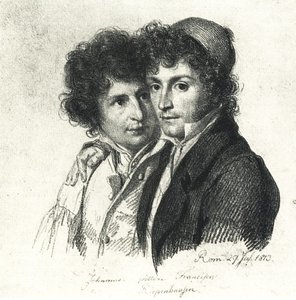
Franz Riepenhausen y Johannes Riepenhausen
1786 - 1831 , Alemania
Datos clave
- Artistas Que Influyeron:
- William Hogarth
- Rafael
- Fecha De Nacimiento: 1786-1831 (Franz)
- Lugar De Nacimiento: Göttingen, Alemania
- Movimiento Artístico: Clasicismo, Romanticismo
- Nacionalidad: Alemana
- Nombre Completo: Franz y Johannes Riepenhausen
- Obras Notables:
- Glorificación de Rafael
- Muerte de Rafael
- Destrucción Cenci
Artículos relacionados

The Enduring Legacy of Oil on Canvas: Technique, History & Aesthetic Impact
Explore the rich history & techniques of oil painting – from Renaissance masters to Impressionism. Discover pigments, layering methods, and why this timeless medium endures. Expert insights for artists & art enthusiasts.

El Óleo sobre Lienzo: Historia, Técnica y la Persistencia de un Medio Artístico Atemporal
Descubre la historia y técnica del óleo sobre lienzo. Explora reproducciones fieles hechas a mano, personalización artística y consejos de expertos con ArtsDot. ¡Colecciona arte con confianza!

The Enduring Power of Painting: A Historical & Contemporary Exploration of Form and Emotion
Explore the rich history & enduring techniques of oil painting with ArtsDot. Discover masterpieces, learn about art collecting, and find authentic handmade reproductions crafted by skilled artists.
El Legado Perenne del Clasicismo: Principios Fundamentales, Evolución e Influencia en el Arte Occidental
Descubre la historia del arte clásico occidental: desde sus orígenes en Grecia y Roma hasta su influencia en el Renacimiento y las corrientes contemporáneas. Análisis experto, artistas clave y obras maestras imperdibles.
Los 10 Maestros del Neoclasicismo: Obras que Definieron una Era |
Descubre los 10 imprescindibles del Neoclasicismo con . Obras de David, Ingres y Canova que marcaron una era. Historia, técnica y significado de cada pieza. Encuentra reproducciones de arte de museo en

