

 Ver en contexto
 Enviar
 Compartir
 Detalles

 Descargar
 Similares
 Radiografía
 Presentación de diapositivas
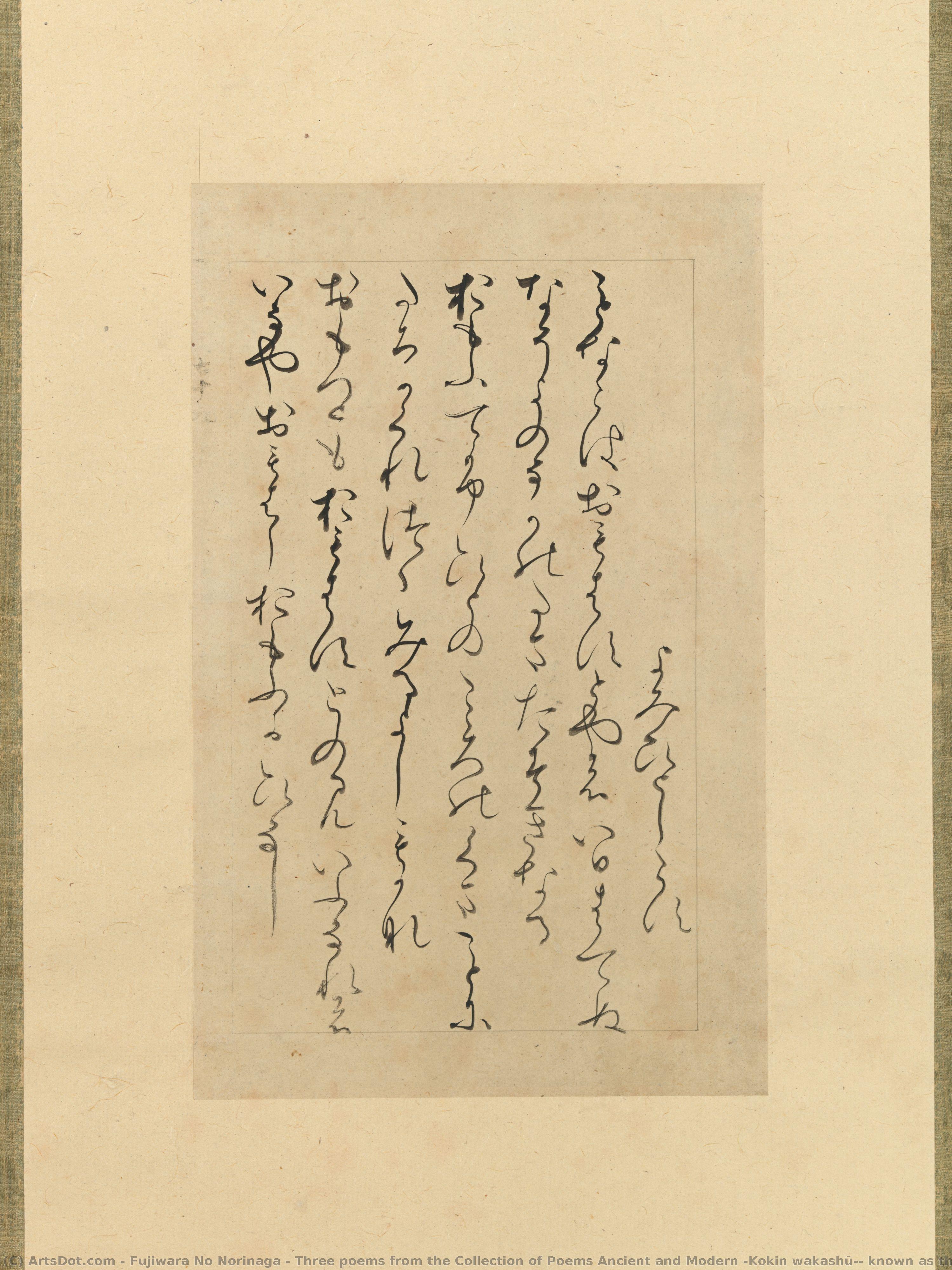
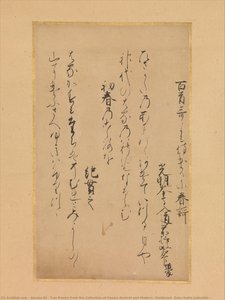
Three poems from the Collection of Poems Ancient and Modern (Kokin wakashū), known as the “Imaki Fragment” (Imaki-gire)
 1101
1101 25.0 x 16.0 cm
 Ver más
Reproducción al óleo hecha a mano
Óleo sobre lienzo pintado a mano en el tamaño y marco de su elección, realizado por encargo por nuestros artistas. ( Comprar impresión Comprar imagen)




































Elija entre nuestros tamaños predefinidos que respetan las proporciones originales de la obra.

Puede ingresar sus propias dimensiones para adaptarse a un marco o espacio específico. Si el tamaño seleccionado no coincide con las proporciones de la imagen original, recortaremos la obra o extenderemos la pintura con elementos adicionales pintados a mano. Se le enviará una maqueta digital para su aprobación antes de comenzar la producción.
Tenga en cuenta que la vista previa en pantalla no refleja el recorte o la extensión reales. Solo la maqueta mostrará con precisión la composición final.
Si bien existen tamaños personalizados, recomendamos seleccionar una dimensión de la lista predefinida para preservar las proporciones originales.
Tras realizar el pedido, el equipo de ArtsDot.com enviará un correo electrónico al cliente para solicitar instrucciones y proporcionarle una vista previa del boceto.
Envío a todo el mundo () en 3-4 semanas en lugar de las 5 semanas estándar. (1 septiembre). Sin comprometer la calidad.

Envío exprés gratuito a todo el mundo

Lienzo de lino de alta calidad

Seguro de envío total

Garantía de reembolso de impuestos aduaneros

Garantía de fidelidad cromática exacta

Política de devolución de 60 días (solo por defectos)

Garantía de devolución del 100% del dinero

Descuento por cantidad
 La opción de vidrio solo está disponible en tamaños inferiores a 110 cm.

Three poems from the Collection of Poems Ancient and Modern (Kokin wakashū), known as the “Imaki Fragment” (Imaki-gire)
Técnica de reproducción
Dimensiones de la reproducción
-


Precio total final
$ 263
Obras relacionadas



Biografía del artista
Fujiwara no Norinaga: A Monk’s Brushstrokes Shaping Heian Japan
Fujiwara no Norinaga, often referred to as ninkan, stands as a pivotal figure in the twilight years of Japan's Heian period (794–1185), embodying both artistic refinement and spiritual devotion. Born around 1101 in Kyoto, he ascended from noble lineage to become a respected Buddhist monk of the Daigo-ji lineage, profoundly impacting Japanese art and culture through his meticulous calligraphy and masterful integration of natural motifs into silk paintings—a style that would later flourish as Tachikawa-ryū. Early Life & Lineage: Norinaga’s upbringing within the influential Fujiwara clan instilled in him a deep appreciation for aristocratic traditions and scholarship. Crucially, he was mentored by his elder brother Shōkaku, a prominent Buddhist scholar who shaped his intellectual pursuits and fostered his connection to Shingon Buddhism—a mystical tradition emphasizing enlightenment through visualization and ritual. This formative influence would permeate his entire artistic career, guiding him toward a path of contemplative beauty. Buddhist Practice & Patronage: Norinaga’s unwavering devotion to Dharma led him to become a protector monk (gojisō) for Prince Sukehito, the third son of Emperor Go-Sanjō, securing his position within the imperial court and affording him access to resources vital for artistic endeavors. Recognizing the power of art to convey spiritual truths, he skillfully utilized his patronage to commission breathtaking silk paintings that perfectly captured the serene landscapes and subtle tonal harmonies characteristic of Tachikawa-ryū aesthetics—a testament to his understanding of Shingon’s visual language. The Imaki Fragment & Tachikawa-ryū: Perhaps Norinaga’s most enduring legacy resides in his contribution to the Kokin Wakashū, Japan's first imperial anthology of poetry—specifically, “Three Poems from the Collection,” known as the “Imaki Fragment.” This poem exemplifies Rinpa aesthetics, characterized by serene landscapes and subtle tonal variations achieved through meticulous brushwork. The fragment’s delicate depiction of a mountain vista bathed in moonlight speaks volumes about Norinaga's artistic sensibilities – an embodiment of tranquility and contemplation. More importantly, Norinaga established Tachikawa-ryū, a distinct branch of Shingon Buddhism that prioritized artistic expression alongside spiritual contemplation. This sect championed the fusion of Zen principles with refined visual arts, ensuring Norinaga’s legacy would extend far beyond his own lifetime. Exile & Artistic Output: A dramatic turn occurred in 1113 when Norinaga was implicated in an assassination plot against Emperor Torā—resulting in his exile to the province of Izu. Despite this unforeseen disruption, Norinaga persevered with remarkable artistic determination, producing several notable paintings during his time away from Kyoto. Among these masterpieces is “Butterfly Landscape,” a silk painting showcasing a tranquil mountain vista adorned with delicately rendered butterflies – a poignant symbol reflecting Norinaga’s unwavering faith and artistic vision amidst adversity. His work stands as an enduring testament to the transformative power of art and spirituality, securing his place as one of Japan's most revered artists. Historical Significance: Fujiwara no Norinaga’s influence extended far beyond his immediate artistic output. He solidified Tachikawa-ryū as a significant Shingon sect, shaping its artistic and philosophical trajectory for centuries to come. Furthermore, his involvement in the Kokin Wakashū cemented his place within Japan’s literary canon—a symbol of refined taste and spiritual contemplation that continues to inspire artists today. His work serves as an invaluable window into the cultural landscape of Heian Japan, illuminating the intersection of Buddhist ideals and artistic innovation.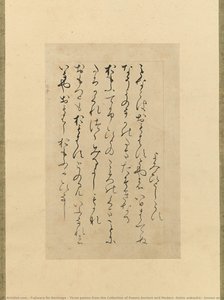
Fujiwara No Norinaga
1101 - 1114 , Japón
Datos clave
- Artistic Movement Or Style: Shingon Buddhism
- Artists Or Movements Influenced By This Artist: ['Rinpa']
- Artists Who Influenced This Artist: ['Shōkaku']
- Date Of Birth: 1101
- Date Of Death: 1177
- Full Name: Fujiwara no Norinaga
- Nationality: Japanese
- Notable Artworks: ['Butterfly Landscape']
- Place Of Birth: Kyoto

