

 Ver en contexto
 Enviar
 Compartir
 Detalles

 Descargar
 Similares
 Radiografía
 Presentación de diapositivas
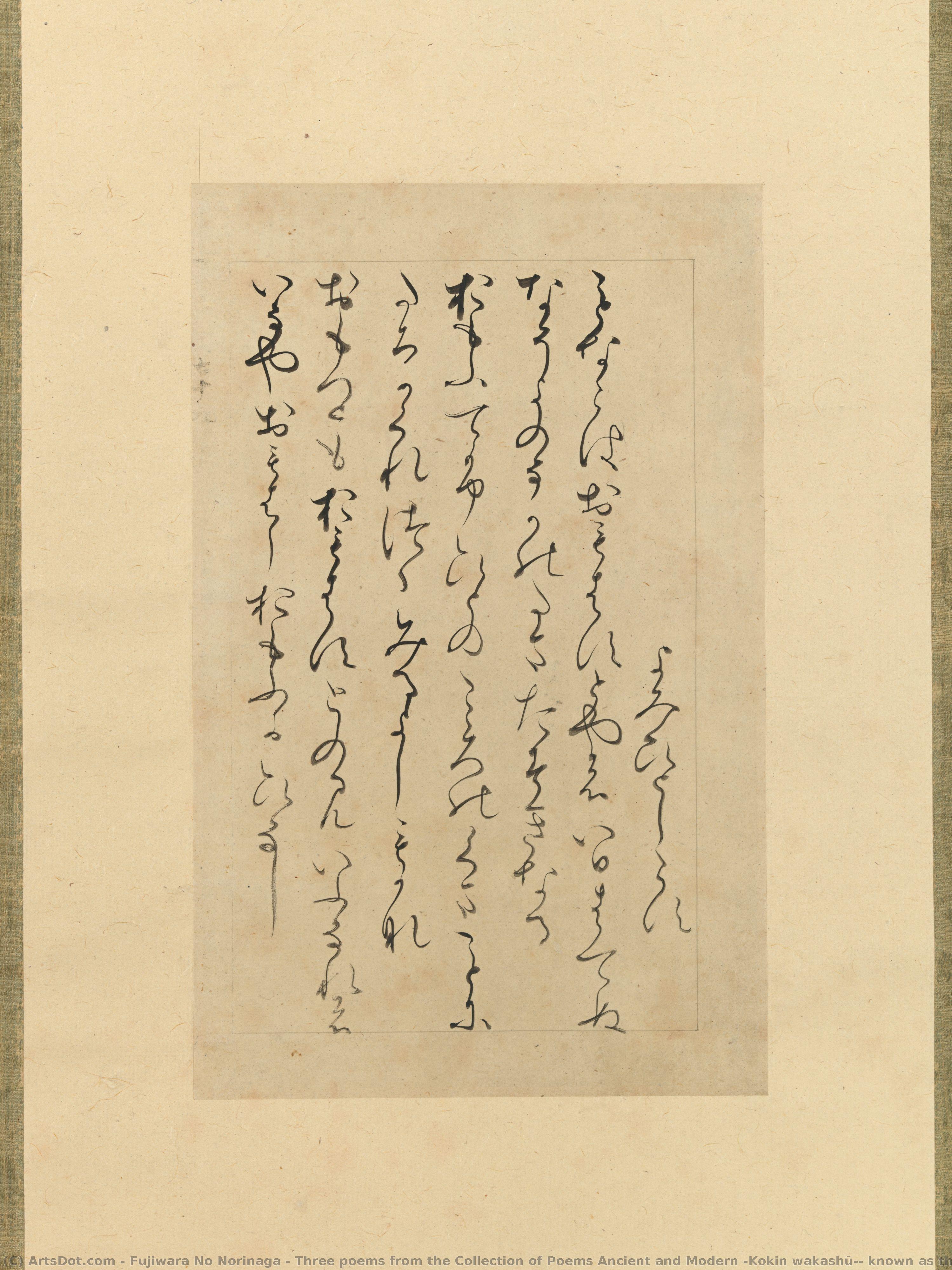
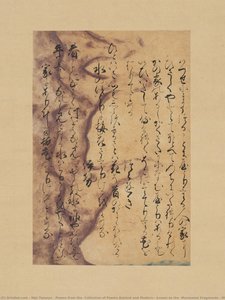
Three poems from the Collection of Poems Ancient and Modern (Kokin wakashū), known as the “Imaki Fragment” (Imaki-gire)
 1101
1101 25.0 x 16.0 cm
 Ver más
Adquiera una imagen digital de alta resolución y optimizada, muy superior a la vista previa en línea.
Cada archivo es preparado meticulosamente por nuestros especialistas internos mediante el uso de herramientas avanzadas y un experto retoque manual. Nos aseguramos de que cada imagen posea una claridad excepcional, una precisión cromática impecable y un detalle minucioso.
El archivo final se entrega por correo electrónico en un plazo de 72 horas, optimizado para su uso inmediato en entornos profesionales, editoriales y de impresión. Esta es la misma calidad en la que confían los estudios de diseño, las editoriales y las galerías de primer nivel.
Imagen Digital
Descarga un archivo de alta resolución para exhibición personal, impresión y proyectos creativos. ( Comprar impresión Comprar pintura hecha a mano)
Incluido en cada pedido de imágenes digitales
Entrega digital experta, garantizada.
Al elegir ArtsDot.com, no solo está adquiriendo una imagen; está recibiendo una obra de arte digital mejorada profesionalmente, elaborada con precisión y respaldada por una garantía de satisfacción. Esto es todo lo que incluye su pedido, automáticamente:

Entrega rápida por email
Recibirá su archivo de imagen digital en alta resolución por correo electrónico en un plazo de 72 horas tras realizar su pedido, listo para su uso inmediato.

Archivo digital optimizado por IA
Su obra de arte se optimiza profesionalmente mediante herramientas avanzadas de IA y edición manual, garantizando el máximo detalle, claridad y precisión cromática.

Reenvío gratuito de por vida
¿Has borrado o perdido tu archivo por error? No te preocupes: te lo volveremos a enviar en cualquier momento, sin coste adicional.

Sin gastos de importación, siempre
Disfrute de su obra de arte al instante sin aduanas, aranceles ni gastos de envío; las descargas digitales siempre están libres de impuestos.

Garantía de fidelidad de color
Garantizamos que su imagen digital refleje los colores originales con la mayor fidelidad posible, mediante el uso de herramientas profesionales y gestión del color.

Garantía de satisfacción de 60 días
Si no está satisfecho con su imagen digital, la revisaremos o le reembolsaremos el 100% en un plazo de 60 días, sin preguntas.

100% Garantía de devolución de dinero
¿No está satisfecho? Obtenga un reembolso completo dentro de los 60 días posteriores a la recepción de su archivo digital, sin necesidad de explicaciones.

Descuentos por pedidos grandes
Compra 3 imágenes, ahorra 10% - Compra 5, ahorra 15% - Compra 10+, ahorra 20%. Ideal para proyectos creativos, galerías y agencias.
Obras relacionadas


Biografía del artista
Fujiwara no Norinaga: A Monk’s Brushstrokes Shaping Heian Japan
Fujiwara no Norinaga, often referred to as ninkan, stands as a pivotal figure in the twilight years of Japan's Heian period (794–1185), embodying both artistic refinement and spiritual devotion. Born around 1101 in Kyoto, he ascended from noble lineage to become a respected Buddhist monk of the Daigo-ji lineage, profoundly impacting Japanese art and culture through his meticulous calligraphy and masterful integration of natural motifs into silk paintings—a style that would later flourish as Tachikawa-ryū. Early Life & Lineage: Norinaga’s upbringing within the influential Fujiwara clan instilled in him a deep appreciation for aristocratic traditions and scholarship. Crucially, he was mentored by his elder brother Shōkaku, a prominent Buddhist scholar who shaped his intellectual pursuits and fostered his connection to Shingon Buddhism—a mystical tradition emphasizing enlightenment through visualization and ritual. This formative influence would permeate his entire artistic career, guiding him toward a path of contemplative beauty. Buddhist Practice & Patronage: Norinaga’s unwavering devotion to Dharma led him to become a protector monk (gojisō) for Prince Sukehito, the third son of Emperor Go-Sanjō, securing his position within the imperial court and affording him access to resources vital for artistic endeavors. Recognizing the power of art to convey spiritual truths, he skillfully utilized his patronage to commission breathtaking silk paintings that perfectly captured the serene landscapes and subtle tonal harmonies characteristic of Tachikawa-ryū aesthetics—a testament to his understanding of Shingon’s visual language. The Imaki Fragment & Tachikawa-ryū: Perhaps Norinaga’s most enduring legacy resides in his contribution to the Kokin Wakashū, Japan's first imperial anthology of poetry—specifically, “Three Poems from the Collection,” known as the “Imaki Fragment.” This poem exemplifies Rinpa aesthetics, characterized by serene landscapes and subtle tonal variations achieved through meticulous brushwork. The fragment’s delicate depiction of a mountain vista bathed in moonlight speaks volumes about Norinaga's artistic sensibilities – an embodiment of tranquility and contemplation. More importantly, Norinaga established Tachikawa-ryū, a distinct branch of Shingon Buddhism that prioritized artistic expression alongside spiritual contemplation. This sect championed the fusion of Zen principles with refined visual arts, ensuring Norinaga’s legacy would extend far beyond his own lifetime. Exile & Artistic Output: A dramatic turn occurred in 1113 when Norinaga was implicated in an assassination plot against Emperor Torā—resulting in his exile to the province of Izu. Despite this unforeseen disruption, Norinaga persevered with remarkable artistic determination, producing several notable paintings during his time away from Kyoto. Among these masterpieces is “Butterfly Landscape,” a silk painting showcasing a tranquil mountain vista adorned with delicately rendered butterflies – a poignant symbol reflecting Norinaga’s unwavering faith and artistic vision amidst adversity. His work stands as an enduring testament to the transformative power of art and spirituality, securing his place as one of Japan's most revered artists. Historical Significance: Fujiwara no Norinaga’s influence extended far beyond his immediate artistic output. He solidified Tachikawa-ryū as a significant Shingon sect, shaping its artistic and philosophical trajectory for centuries to come. Furthermore, his involvement in the Kokin Wakashū cemented his place within Japan’s literary canon—a symbol of refined taste and spiritual contemplation that continues to inspire artists today. His work serves as an invaluable window into the cultural landscape of Heian Japan, illuminating the intersection of Buddhist ideals and artistic innovation.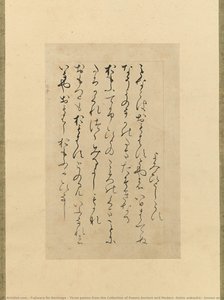
Fujiwara No Norinaga
1101 - 1114 , Japón
Breves datos
- Artistic Movement Or Style: Shingon Buddhism
- Artists Or Movements Influenced By This Artist: ['Rinpa']
- Artists Who Influenced This Artist: ['Shōkaku']
- Date Of Birth: 1101
- Date Of Death: 1177
- Full Name: Fujiwara no Norinaga
- Nationality: Japanese
- Notable Artworks: ['Butterfly Landscape']
- Place Of Birth: Kyoto

