 Vista previa
 Compartir
 Compartir
 Ver detalles

 Descargar
 Ver similares
 Radiografía
 Presentación de diapositivas
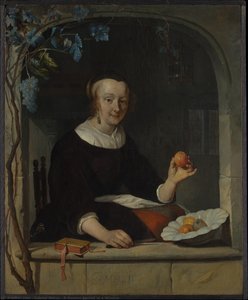
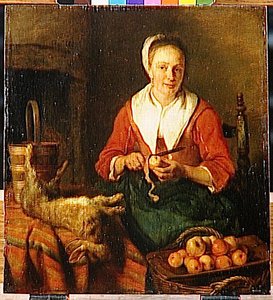
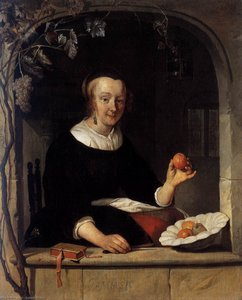
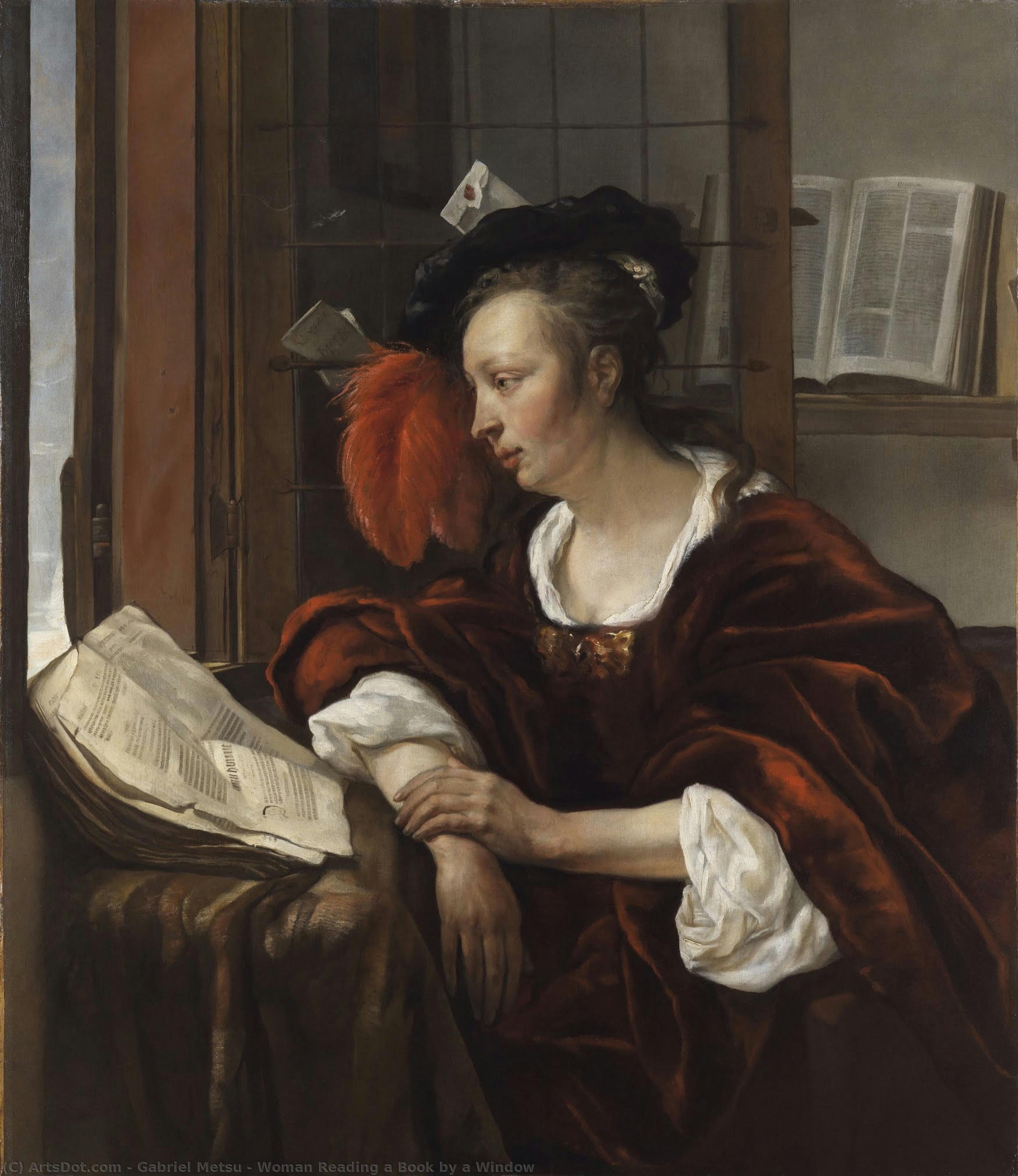
La Mujer Leyendo un Libro por una Ventana
 Acrílico sobre lienzo
- Arte de pared
- Dutch Baroque
 1653
1653 105.0 x 90.0 cm
 La Colección Leiden
 Leer más
Reproducción al óleo hecha a mano
Óleo sobre lienzo pintado a mano en el tamaño y marco de su elección, realizado por encargo por nuestros artistas. ( Pedir impresión Comprar descarga)




P118B $10

P118H $10

P118W $10

P438Z $10

P508JH $12

P508YH $12

P805H $10

P805Z $10

P919BZ $10

P919G $10

P919XJ $10

P959ZH $10

P968JZ $12

W106C $8

W218G $10

W218JH $8

W218Y $10

W307PJ $10

W316G $10

W316PJ $8

W316Y $10

W398PJ $8

W4111J $10

W500HY $15

W500JH $15

W692G $12

W849H $8

W940BG $15

W953PJ $8




Elija entre nuestros tamaños predefinidos que respetan las proporciones originales de la obra.

Puede ingresar sus propias dimensiones para adaptarse a un marco o espacio específico. Si el tamaño seleccionado no coincide con las proporciones de la imagen original, recortaremos la obra o extenderemos la pintura con elementos adicionales pintados a mano. Se le enviará una maqueta digital para su aprobación antes de comenzar la producción.
Tenga en cuenta que la vista previa en pantalla no refleja el recorte o la extensión reales. Solo la maqueta mostrará con precisión la composición final.
Si bien existen tamaños personalizados, recomendamos seleccionar una dimensión de la lista predefinida para preservar las proporciones originales.
Tras realizar el pedido, el equipo de ArtsDot.com enviará un correo electrónico al cliente para solicitar instrucciones y proporcionarle una vista previa del boceto.
Envío a todo el mundo () en 3-4 semanas en lugar de las 5 semanas estándar. (21 agosto). Sin comprometer la calidad.

Envío exprés gratuito a todo el mundo

Lienzo de lino de alta calidad

Seguro de envío completo

Garantía de reembolso de aranceles aduaneros

Garantía de fidelidad cromática exacta

Política de devolución de 60 días (solo por defectos)

Garantía de devolución del 100% del dinero

Oferta por volumen
 La opción de vidrio solo está disponible en tamaños inferiores a 110 cm.

La Mujer Leyendo un Libro por una Ventana
Técnica de reproducción
Tamaño de la reproducción
-


Precio total
$ 263
Descripción de la obra
Gabriel Metsu’s Woman Reading a Book by a Window: A Portrait of Quiet Contemplation
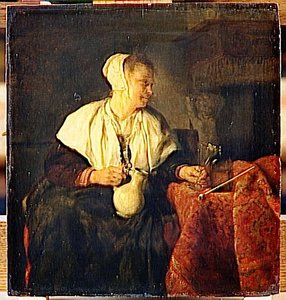
Gabriel Metsu (1629 – 1667), a Dutch painter hailing from Leiden, stands as an enigmatic figure within the illustrious Dutch Golden Age—a period characterized by unparalleled artistic flourishing. His oeuvre defies easy categorization, earning him the moniker “a highly eclectic artist,” and reflecting his unwavering dedication to exploring diverse artistic approaches. This biography delves into Metsu’s life and legacy, examining how his distinctive style cemented his place as one of the era's most celebrated creators. **Early Life and Influences:** Metsu’s formative years were shaped by a familial background steeped in artistry. Born Jacques Metsu, he inherited his father’s craft—tapestry weaving—and subsequently embraced painting under the tutelage of Rembrandt Harmenszoon van Rijn, arguably the most influential painter of his time. Rembrandt's profound impact on Metsu is palpable throughout his artistic output, particularly evident in the masterful use of chiaroscuro – dramatic contrasts between light and dark – a technique championed by Rembrandt himself. Exposure to Leiden’s vibrant cultural milieu further broadened Metsu’s horizons, fostering an appreciation for humanist ideals and intellectual pursuits that would permeate his artistic vision. **Artistic Career: A Symphony of Technique:** Metsu's artistic career unfolded amidst the prevailing stylistic currents of the Golden Age, yet he resolutely resisted adherence to any singular movement. Instead, he cultivated a remarkably versatile style, seamlessly blending realism with idealized beauty—a hallmark of Baroque painting. His canvases frequently depict intimate scenes of domestic life, capturing fleeting moments of grace and serenity. Metsu’s meticulous attention to detail is breathtaking; observe the subtle nuances of drapery folds, the delicate rendering of skin tones, and the luminous quality of light filtering through the windowpane. He favored oil paint on canvas, utilizing glazing techniques—applying thin layers of translucent pigment over subsequent coats—to achieve remarkable depth and luminosity. This painstaking process ensured that every brushstroke conveyed a profound sense of atmosphere and emotion. **The Painting's Narrative Depth:** Metsu’s “Woman Reading a Book by a Window,” completed around 1653, exemplifies his artistic prowess and embodies the spirit of humanist contemplation prevalent during the period. The subject—a young woman absorbed in her reading—is presented with understated elegance against a backdrop of muted colors—primarily ochre and brown—creating an environment conducive to introspection. The inclusion of a feather atop her head adds a symbolic element, hinting at nobility or perhaps representing remembrance – motifs frequently employed by Metsu to convey moral virtue and intellectual refinement. Beyond its visual beauty, the painting speaks volumes about the values cherished during the Golden Age: education, piety, and the pursuit of inner harmony. **Comparative Perspective:** Considering Vermeer’s “Woman Reading a Letter,” another masterpiece of Dutch Baroque art produced around 1662-1663, reveals intriguing parallels and divergences. Both artists skillfully employ chiaroscuro to heighten dramatic effect, yet Vermeer's compositions are characterized by greater spatial precision—creating an illusionistic depth that surpasses Metsu’s approach. However, both paintings share a core aesthetic sensibility: a commitment to capturing fleeting moments of human experience with exquisite sensitivity and artistic virtuosity. “Woman Reading a Book” stands as a testament to Metsu’s enduring legacy – a poignant portrayal of quiet contemplation that continues to resonate with audiences centuries later.- Artist: Gabriel Metsu
- Year: 1653
- Medium: Oil on Canvas
- Style: Baroque
- Location: Private Collection
Obras relacionadas



Biografía del artista
Una Vida de Exploración Artística: Gabriël Metsu
- Nacimiento: Leiden, Países Bajos (1629)
- Fallecimiento: 1667
Primeros Años e Influencias
Gabriël Metsu vivió una vida marcada por la exploración artística y la innovación. Nacido en 1629, era hijo de Jacques Metsu, un fabricante de tapices y pintor originario de Hainault. Este trasfondo diverso probablemente influyó en su temprano interés en diversas técnicas artísticas. La mudanza familiar a Leiden lo expuso a numerosas influencias culturales.
Carrera Artística: Un Estilo Ecléctico
La carrera de Metsu se caracterizó por una adhesión a ningún estilo o técnica única, ganándose el título de "un artista altamente ecléctico". Su obra abarcó pinturas históricas, bodegones, retratos y obras de género. Notablemente, solo 14 de sus 133 obras conocidas están fechadas, lo que deja mucho por descubrir sobre su proceso creativo.
- Primeras Influencias: La influencia de Rembrandt van Rijn en la obra temprana de Metsu es evidente en su uso de la luz y el color.
- Período de Ámsterdam (a partir de 1655): Su traslado a Ámsterdam marcó un cambio hacia interiores domésticos y escenas de género, con mayor énfasis en el detalle y el realismo.
- Formación y Mentoría: Formó a Michiel van Musscher y Joost van Geel, lo que refleja su compromiso con la comunidad artística.
Obras Notables y Desarrollo Artístico
Las pinturas de Metsu a menudo presentaban mujeres jóvenes, escenas de mercado y ancianos, basándose en los emblemas populares de la época. Su estilo evolucionó a lo largo de su carrera, demostrando un dominio de diversas técnicas.
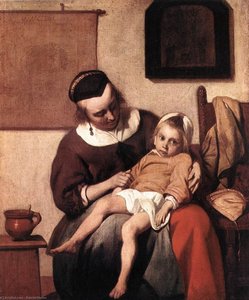
- El Niño Enfermo (c. 1664): Esta obra refleja la admiración de Metsu por el meticuloso detalle y el uso de la luz de Johannes Vermeer.
- Retrato de la Familia Hinlopen: Una obra maestra que combina la pintura de género con el retrato, mostrando su capacidad para capturar tanto el carácter individual como la vida doméstica.
- El Hijo Pródigo (c. 1640): Demuestra una influencia barroca con su composición dramática y ricos detalles.
- Temas Recurrentes: Metsu representó frecuentemente escenas de la vida cotidiana, a menudo imbuídas de significado simbólico.
Significado Histórico y Legado
El legado de Gabriël Metsu reside en su versatilidad y contribución a la Edad de Oro holandesa. Su estilo ecléctico, aunque a veces enigmático, influyó en generaciones posteriores de artistas. Hoy en día, sus obras se conservan en prestigiosos museos de todo el mundo.
- Pintor de la Edad de Oro Holandesa: Es reconocido como una figura significativa dentro del vibrante panorama artístico del siglo XVII neerlandés.
- Colecciones de Museos: Sus pinturas se pueden encontrar en varios museos, incluido el Rijksmuseum de Ámsterdam.
- Apreciación Continua: El arte de Metsu continúa fascinando e inspirando a los espectadores con su realismo, detalle y sutiles narrativas.
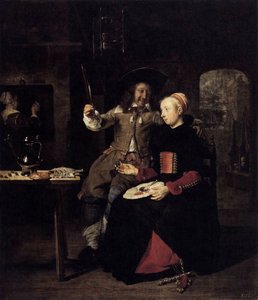
Gabriel Metsu
1629 - 1667 , Países Bajos
Datos clave
- Artistas Que Influyeron: ['Rembrandt van Rijn']
- Fecha De Fallecimiento: 1667
- Fecha De Nacimiento: 1629
- Lugar De Nacimiento: Leiden, Países Bajos
- Movimiento Artístico: Edad de Oro Holandesa
- Nacionalidad: Holandés
- Nombre Completo: Gabriël Metsu
- Obras Notables:
- El niño enfermo
- Retrato de la familia Hinlopen
- Vendedora de aves de corral
- La escritora sorprendida
- El hijo pródigo
Artículos relacionados
Dante Gabriel Rossetti: Las 25 Obras Maestras del Prerrafaelismo | ArtsDot
Descubre las 25 obras maestras de Dante Gabriel Rossetti, el máximo exponente del Prerrafaelismo. Explora su simbolismo, retratos victorianos y la belleza femenina en lienzos inolvidables. Reproducciones de arte exclusivas en ArtsDot.com.

Los 10 Maestros del Siglo de Oro Holandés: Arte, Historia y Decoración Exclusiva
Descubre los 10 imprescindibles del Siglo de Oro Holandés: Rembrandt, Vermeer y más. Explora la historia, técnica y belleza de estos lienzos clásicos. Encuentra reproducciones de arte exclusivas para decorar tu hogar en .
Gabriel Metsu: Illuminating Dutch Daily Life with Exquisite Detail
Explore the captivating world of Gabriel Metsu, a leading Dutch Golden Age painter. Discover his exquisite genre scenes, masterful realism, and insightful social commentary. Learn about key works & his lasting legacy.

La Luz y la República: Innovación Artística en el Siglo de Oro Neerlandés
Descubra la innovación artística del Siglo de Oro Neerlandés. Explore las obras maestras de Rembrandt y Vermeer, técnicas revolucionarias y el legado perdurable de este florecimiento cultural. ¡Sumérjase en la luz y la belleza!

Reflejos de una Época Dorada: La Pintura Barroca Holandesa y la Innovación Cultural
Descubra la riqueza y el detalle de la pintura barroca holandesa del Siglo de Oro. Explore las obras maestras de Rembrandt, Vermeer y otros artistas clave. Análisis experto e historia cultural.