 Ver en contexto
 Enviar
 Compartir
 Detalles

 Descargar
 Similares
 Radiografía
 Presentación de diapositivas
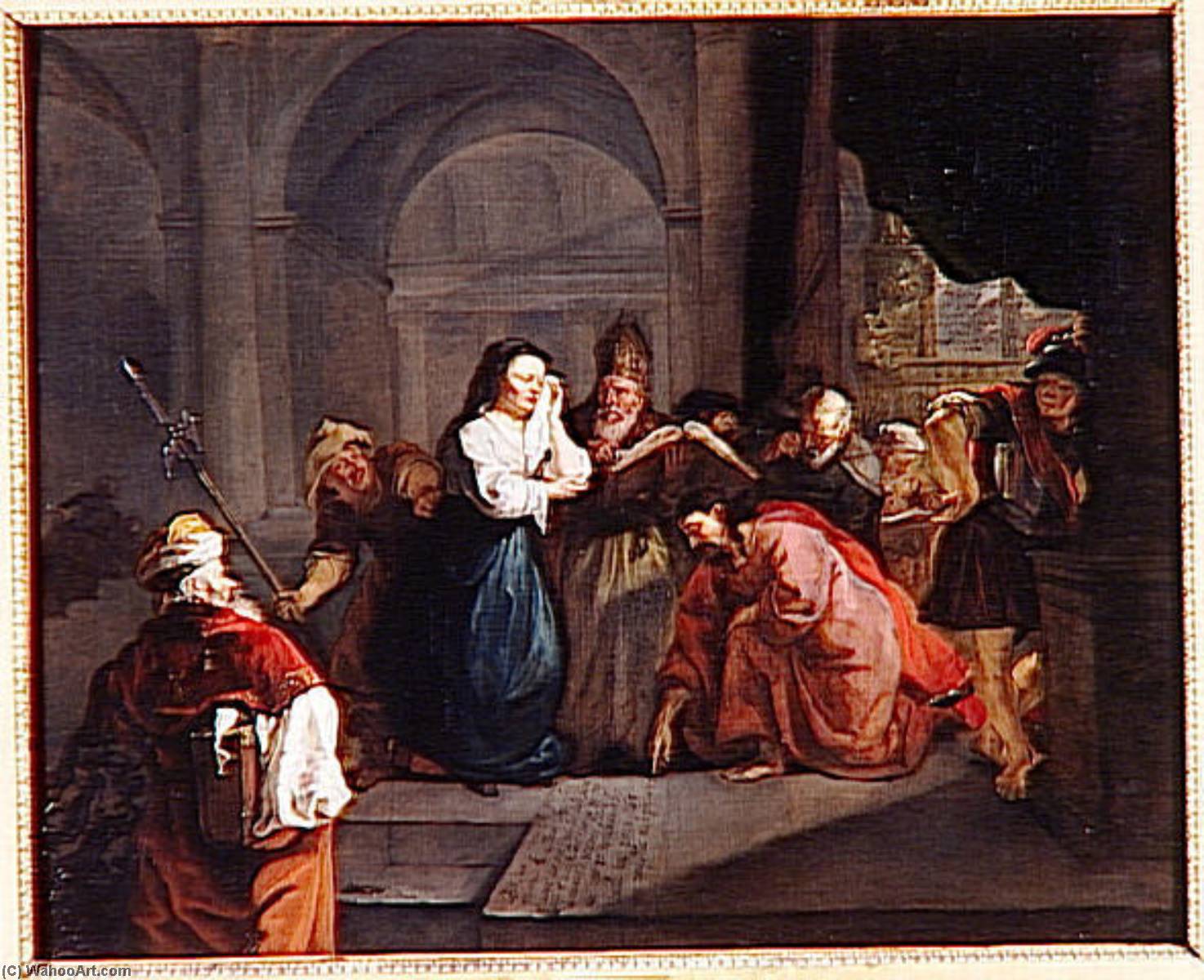
LE CHRIST ET LA FEMME ADULTERE


 Ver más
Reproducción al óleo hecha a mano
Óleo sobre lienzo pintado a mano en el tamaño y marco de su elección, realizado por encargo por nuestros artistas. ( Comprar impresión Comprar imagen)




P118B $10

P118H $10

P118W $10

P438Z $10

P508JH $12

P508YH $12

P805H $10

P805Z $10

P919BZ $10

P919G $10

P919XJ $10

P959ZH $10

P968JZ $12

W106C $8

W218G $10

W218JH $8

W218Y $10

W307PJ $10

W316G $10

W316PJ $8

W316Y $10

W398PJ $8

W4111J $10

W500HY $15

W500JH $15

W692G $12

W849H $8

W940BG $15

W953PJ $8




Elija entre nuestros tamaños predefinidos que respetan las proporciones originales de la obra.

Puede ingresar sus propias dimensiones para adaptarse a un marco o espacio específico. Si el tamaño seleccionado no coincide con las proporciones de la imagen original, recortaremos la obra o extenderemos la pintura con elementos adicionales pintados a mano. Se le enviará una maqueta digital para su aprobación antes de comenzar la producción.
Tenga en cuenta que la vista previa en pantalla no refleja el recorte o la extensión reales. Solo la maqueta mostrará con precisión la composición final.
Si bien existen tamaños personalizados, recomendamos seleccionar una dimensión de la lista predefinida para preservar las proporciones originales.
Tras realizar el pedido, el equipo de ArtsDot.com enviará un correo electrónico al cliente para solicitar instrucciones y proporcionarle una vista previa del boceto.
Envío a todo el mundo () en 3-4 semanas en lugar de las 5 semanas estándar. (4 septiembre). Sin comprometer la calidad.

Envío exprés gratuito a todo el mundo

Lienzo de lino de alta calidad

Seguro de envío total

Garantía de reembolso de impuestos aduaneros

Garantía de fidelidad cromática exacta

Política de devolución de 60 días (solo por defectos)

Garantía de devolución del 100% del dinero

Descuento por cantidad
 La opción de vidrio solo está disponible en tamaños inferiores a 110 cm.

LE CHRIST ET LA FEMME ADULTERE
Técnica de reproducción
Dimensiones de la reproducción
-


Precio total final
$ 463
Le Christ et la Femme Adultere: A Dutch Golden Age Masterpiece
Gabriel Metsu’s “Le Christ et la Femme Adultere” – Christ and the Adulterous Woman – is not merely a depiction of a biblical scene; it's a profound meditation on forgiveness, judgment, and the complexities of human emotion rendered with the meticulous detail characteristic of the Dutch Golden Age. Painted around 1653-1654, during a period when Metsu was experimenting with domestic interiors and genre scenes, this work stands as a testament to his evolving artistic vision and his remarkable ability to infuse religious narratives with intimate realism. The painting’s power lies not just in its subject matter but also in the subtle gestures, expressions, and carefully constructed composition that invite viewers into a world of moral ambiguity and quiet contemplation.- The Scene Unfolds: Within a classically inspired architectural setting – an arched doorway framed by columns – Christ stands as a central figure, his posture radiating both authority and compassion. He gestures towards the woman accused of adultery, drawing attention to her plight while simultaneously suggesting a path toward understanding and mercy. The surrounding figures, a diverse group of men and women, react with a range of emotions: some express outrage and condemnation, others appear pensive or plead for leniency. This dynamic interplay creates a palpable sense of tension and moral debate within the scene.
- Metsu’s Signature Style: Metsu's distinctive style is immediately apparent in the painting’s meticulous detail and carefully observed realism. He eschewed the grand, theatrical compositions favored by some of his contemporaries, opting instead for a more intimate and psychologically nuanced approach. The figures are rendered with remarkable accuracy, paying close attention to their clothing, expressions, and body language. Notice, for example, the subtle wrinkles on Christ’s face, conveying both wisdom and empathy.
Symbolism and Narrative Depth
Beyond its biblical subject matter, “Le Christ et la Femme Adultere” is rich in symbolic meaning. The architectural setting itself – reminiscent of ancient Roman structures – serves as a visual metaphor for the enduring nature of moral dilemmas. Christ’s gesture, often interpreted as an act of forgiveness, represents his willingness to offer redemption and compassion even in the face of transgression. The diverse reactions of the crowd reflect the complexities of human judgment and the difficulty of reconciling divine law with human experience. The inclusion of a small dog, a common symbol of fidelity and loyalty, subtly reinforces the theme of betrayal and its consequences. The painting’s overall mood is one of restrained drama, inviting viewers to consider their own roles in the ongoing struggle between justice and mercy.- Color Palette: Metsu employs a muted color palette dominated by earthy tones – browns, ochres, and reds – creating a sense of solemnity and gravitas. The use of light is particularly effective, casting soft shadows that highlight key figures and adding depth to the composition.
- Compositional Techniques: Metsu masterfully utilizes perspective to create a sense of spatial depth, drawing the viewer’s eye into the scene and emphasizing the importance of Christ as the central figure. The arrangement of the figures is carefully orchestrated, creating a dynamic balance between action and contemplation.
Historical Context and Artistic Legacy
Painted in the heart of the Dutch Golden Age – a period renowned for its artistic innovation and cultural flourishing – “Le Christ et la Femme Adultere” reflects the era’s fascination with religious themes, moral dilemmas, and psychological realism. Gabriel Metsu was a highly eclectic artist, known for his diverse range of subjects and his willingness to experiment with different styles and techniques. While he often worked in the style of Rembrandt and Vermeer, he developed a unique artistic voice characterized by intimate detail, subtle emotion, and a profound understanding of human nature. His work is now recognized as a cornerstone of Dutch Golden Age painting, admired for its technical brilliance, emotional depth, and enduring relevance.Bringing “Le Christ et la Femme Adultere” into Your Space
Reproductions of "Le Christ et la Femme Adultere" offer a remarkable opportunity to bring this iconic masterpiece into your home or office. Whether you choose a high-quality canvas print, a framed fine art reproduction, or even an image printed on a durable metal panel, you’ll be able to appreciate the painting's intricate details and emotional power in stunning clarity. Consider pairing it with complementary colors and furnishings to create a space that reflects your personal style while honoring the artistic legacy of Gabriel Metsu. Explore our selection of high-resolution reproductions today and discover how this timeless work can enrich your surroundings.Obras relacionadas
Biografía del artista
Una Vida de Exploración Artística: Gabriël Metsu
- Nacimiento: Leiden, Países Bajos (1629)
- Fallecimiento: 1667
Primeros Años e Influencias
Gabriël Metsu vivió una vida marcada por la exploración artística y la innovación. Nacido en 1629, era hijo de Jacques Metsu, un fabricante de tapices y pintor originario de Hainault. Este trasfondo diverso probablemente influyó en su temprano interés en diversas técnicas artísticas. La mudanza familiar a Leiden lo expuso a numerosas influencias culturales.
Carrera Artística: Un Estilo Ecléctico
La carrera de Metsu se caracterizó por una adhesión a ningún estilo o técnica única, ganándose el título de "un artista altamente ecléctico". Su obra abarcó pinturas históricas, bodegones, retratos y obras de género. Notablemente, solo 14 de sus 133 obras conocidas están fechadas, lo que deja mucho por descubrir sobre su proceso creativo.
- Primeras Influencias: La influencia de Rembrandt van Rijn en la obra temprana de Metsu es evidente en su uso de la luz y el color.
- Período de Ámsterdam (a partir de 1655): Su traslado a Ámsterdam marcó un cambio hacia interiores domésticos y escenas de género, con mayor énfasis en el detalle y el realismo.
- Formación y Mentoría: Formó a Michiel van Musscher y Joost van Geel, lo que refleja su compromiso con la comunidad artística.
Obras Notables y Desarrollo Artístico
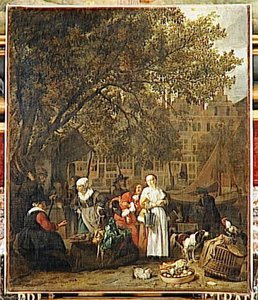
Las pinturas de Metsu a menudo presentaban mujeres jóvenes, escenas de mercado y ancianos, basándose en los emblemas populares de la época. Su estilo evolucionó a lo largo de su carrera, demostrando un dominio de diversas técnicas.
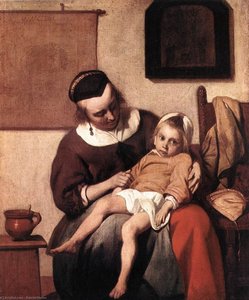
- El Niño Enfermo (c. 1664): Esta obra refleja la admiración de Metsu por el meticuloso detalle y el uso de la luz de Johannes Vermeer.
- Retrato de la Familia Hinlopen: Una obra maestra que combina la pintura de género con el retrato, mostrando su capacidad para capturar tanto el carácter individual como la vida doméstica.
- El Hijo Pródigo (c. 1640): Demuestra una influencia barroca con su composición dramática y ricos detalles.
- Temas Recurrentes: Metsu representó frecuentemente escenas de la vida cotidiana, a menudo imbuídas de significado simbólico.
Significado Histórico y Legado
El legado de Gabriël Metsu reside en su versatilidad y contribución a la Edad de Oro holandesa. Su estilo ecléctico, aunque a veces enigmático, influyó en generaciones posteriores de artistas. Hoy en día, sus obras se conservan en prestigiosos museos de todo el mundo.
- Pintor de la Edad de Oro Holandesa: Es reconocido como una figura significativa dentro del vibrante panorama artístico del siglo XVII neerlandés.
- Colecciones de Museos: Sus pinturas se pueden encontrar en varios museos, incluido el Rijksmuseum de Ámsterdam.
- Apreciación Continua: El arte de Metsu continúa fascinando e inspirando a los espectadores con su realismo, detalle y sutiles narrativas.
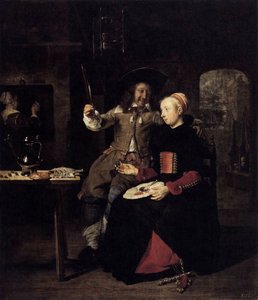
Gabriel Metsu
1629 - 1667 , Países Bajos
Datos clave
- Artistas Que Influyeron: ['Rembrandt van Rijn']
- Fecha De Fallecimiento: 1667
- Fecha De Nacimiento: 1629
- Lugar De Nacimiento: Leiden, Países Bajos
- Movimiento Artístico: Edad de Oro Holandesa
- Nacionalidad: Holandés
- Nombre Completo: Gabriël Metsu
- Obras Notables:
- El niño enfermo
- Retrato de la familia Hinlopen
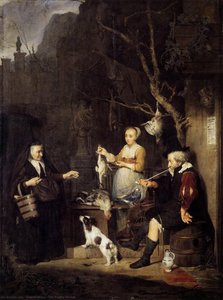
- Vendedora de aves de corral
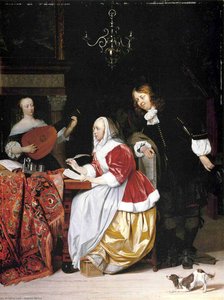
- La escritora sorprendida
- El hijo pródigo
Artículos relacionados
Dante Gabriel Rossetti: Las 25 Obras Maestras del Prerrafaelismo | ArtsDot
Descubre las 25 obras maestras de Dante Gabriel Rossetti, el máximo exponente del Prerrafaelismo. Explora su simbolismo, retratos victorianos y la belleza femenina en lienzos inolvidables. Reproducciones de arte exclusivas en ArtsDot.com.
Gabriel Metsu: Illuminating Dutch Daily Life with Exquisite Detail
Explore the captivating world of Gabriel Metsu, a leading Dutch Golden Age painter. Discover his exquisite genre scenes, masterful realism, and insightful social commentary. Learn about key works & his lasting legacy.

La Luz y la República: Innovación Artística en el Siglo de Oro Neerlandés
Descubra la innovación artística del Siglo de Oro Neerlandés. Explore las obras maestras de Rembrandt y Vermeer, técnicas revolucionarias y el legado perdurable de este florecimiento cultural. ¡Sumérjase en la luz y la belleza!
El Siglo XVII en el Arte: 10 Obras Maestras para Decorar con Historia y Elegancia
Descubre 10 obras maestras del siglo XVII: Rembrandt, Vermeer, Caravaggio y más. Explora la historia, el arte barroco y encuentra reproducciones de alta calidad para decorar tu hogar con elegancia en ArtsDot.com.

Los 10 Maestros del Barroco Holandés: Obras que Definen una Época | ArtsDot
Descubre los 10 imprescindibles del Barroco holandés: Rembrandt, Vermeer y más. Explora la historia, técnica y belleza de estas obras maestras. Reproducciones de arte en ArtsDot.com para decorar tu hogar con elegancia.