 Ver en contexto
 Enviar
 Compartir
 Detalles

 Descargar
 Similares
 Radiografía
 Presentación de diapositivas
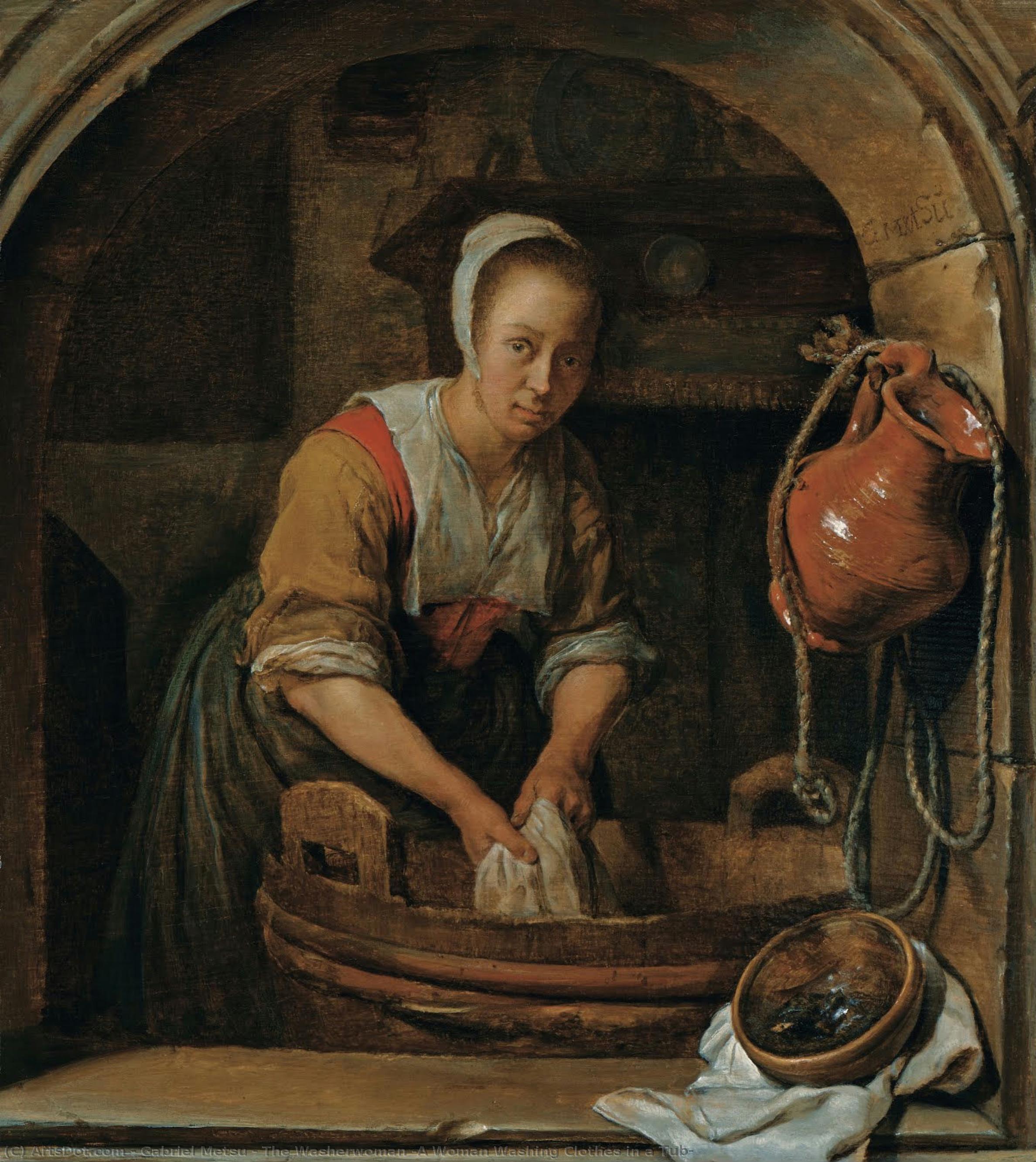
The Washerwoman (A Woman Washing Clothes in a Tub)


 Ver más
Reproducción al óleo hecha a mano
Óleo sobre lienzo pintado a mano en el tamaño y marco de su elección, realizado por encargo por nuestros artistas. ( Comprar impresión Comprar imagen)




P118B $10

P118H $10

P118W $10

P438Z $10

P508JH $12

P508YH $12

P805H $10

P805Z $10

P919BZ $10

P919G $10

P919XJ $10

P959ZH $10

P968JZ $12

W106C $8

W218G $10

W218JH $8

W218Y $10

W307PJ $10

W316G $10

W316PJ $8

W316Y $10

W398PJ $8

W4111J $10

W500HY $15

W500JH $15

W692G $12

W849H $8

W940BG $15

W953PJ $8




Elija entre nuestros tamaños predefinidos que respetan las proporciones originales de la obra.

Puede ingresar sus propias dimensiones para adaptarse a un marco o espacio específico. Si el tamaño seleccionado no coincide con las proporciones de la imagen original, recortaremos la obra o extenderemos la pintura con elementos adicionales pintados a mano. Se le enviará una maqueta digital para su aprobación antes de comenzar la producción.
Tenga en cuenta que la vista previa en pantalla no refleja el recorte o la extensión reales. Solo la maqueta mostrará con precisión la composición final.
Si bien existen tamaños personalizados, recomendamos seleccionar una dimensión de la lista predefinida para preservar las proporciones originales.
Tras realizar el pedido, el equipo de ArtsDot.com enviará un correo electrónico al cliente para solicitar instrucciones y proporcionarle una vista previa del boceto.
Envío a todo el mundo () en 3-4 semanas en lugar de las 5 semanas estándar. (5 septiembre). Sin comprometer la calidad.

Envío exprés gratuito a todo el mundo

Lienzo de lino de alta calidad

Seguro de envío total

Garantía de reembolso de impuestos aduaneros

Garantía de fidelidad cromática exacta

Política de devolución de 60 días (solo por defectos)

Garantía de devolución del 100% del dinero

Descuento por cantidad
 La opción de vidrio solo está disponible en tamaños inferiores a 110 cm.

The Washerwoman (A Woman Washing Clothes in a Tub)
Técnica de reproducción
Dimensiones de la reproducción
-


Precio total final
$ 263
Gabriel Metsu's "The Washerwoman": A Window into Dutch Domesticity
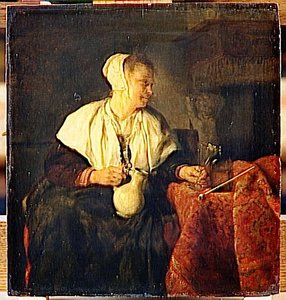
Gabriel Metsu’s “The Washerwoman,” painted in 1667, is more than just a depiction of a woman engaged in a mundane task; it’s a meticulously crafted snapshot of 17th-century Dutch life, imbued with symbolism and technical mastery. This remarkable work, now housed within the National Museum in Warsaw, offers a rare glimpse into the domestic sphere – a world often overlooked by artists but profoundly significant to understanding the values and aesthetics of the era. Metsu’s ability to elevate a simple scene into a profound meditation on virtue and daily life is what truly sets this painting apart.
- Subject Matter & Context: The subject, a young woman diligently washing clothes in a tub, was remarkably innovative for its time. While the theme of domestic labor wasn’t entirely new, Metsu's focused portrayal – capturing a moment of quiet industry and contemplation – positioned it as one of the earliest depictions of this activity within Dutch art. It reflects the broader artistic trend of the period, which sought to represent everyday life with realism and moral clarity.
- Influence & Technique: Metsu’s style is characterized by a complex interplay of influences. He drew inspiration from Gerard Dou's use of *nisstuck* or vensternis – a technique employing subtle gradations of light and shadow to create an illusion of depth and texture – and the restrained, almost photographic realism championed by Gerard ter Borch. This combination results in a remarkably detailed and atmospheric scene, where every object—the worn wooden chair, the earthenware bowl, the delicate ribbon tying her hair—seems imbued with its own story.
A Study in Light and Shadow: Metsu’s Masterful Use of *Tenebrism*
Metsu's technical prowess is immediately apparent in his masterful manipulation of light. He employs a technique known as *tenebrism*, popularized by Caravaggio, where dark tones dominate the composition, punctuated by strategically placed highlights that draw the viewer’s eye to key elements – namely, the woman herself and the luminous white of her clothing. This dramatic contrast not only adds visual intensity but also serves to heighten the sense of realism and immediacy. The soft light filtering through the window niche creates a gentle glow, bathing the scene in an ethereal quality.
- Color Palette: The restrained color palette – dominated by earthy browns, muted reds, and subtle blues – contributes significantly to the painting’s overall mood of quiet contemplation. Metsu's use of color is not flamboyant but rather carefully considered, reflecting the values of restraint and practicality that were prevalent in Dutch society at the time.
- Texture & Detail: The artist meticulously renders textures—the rough fabric of the woman’s dress, the smooth surface of the tub, the worn wood of the chair—creating a palpable sense of physicality within the scene. This attention to detail elevates the painting beyond a simple portrait and transforms it into a nuanced study of material qualities.
Symbolism & Emotional Resonance
"The Washerwoman" transcends its literal subject matter, embodying a deeper symbolic meaning rooted in the values of the Dutch Golden Age. The woman’s diligent work represents domestic virtue – industry, patience, and self-sufficiency—qualities highly esteemed within the Calvinist worldview that shaped Dutch society. Her posture, her focused gaze, and the quiet dignity with which she performs her task evoke a sense of serenity and contentment. This painting is not merely a representation of labor; it’s an exaltation of the simple pleasures and moral values associated with domestic life.
The painting's placement alongside "The Smoker," another work from the same commission, further enhances its significance. This pairing—a woman engaged in quiet industry and a man lost in contemplation—suggests a harmonious balance between masculine and feminine roles within the household, reinforcing the importance of domestic tranquility.
A Timeless Masterpiece – Perfect for Display
ArtsDot offers meticulously crafted hand-painted reproductions of Gabriel Metsu’s “The Washerwoman,” allowing you to bring this exceptional work of art into your home or office. Our skilled artisans employ the same techniques and attention to detail as Metsu himself, ensuring that your reproduction captures the painting's full beauty and historical significance. Whether you are an art collector, a design enthusiast, or simply someone who appreciates fine art, this stunning reproduction is sure to be a treasured addition to your collection.
Obras relacionadas
Biografía del artista
Una Vida de Exploración Artística: Gabriël Metsu
- Nacimiento: Leiden, Países Bajos (1629)
- Fallecimiento: 1667
Primeros Años e Influencias
Gabriël Metsu vivió una vida marcada por la exploración artística y la innovación. Nacido en 1629, era hijo de Jacques Metsu, un fabricante de tapices y pintor originario de Hainault. Este trasfondo diverso probablemente influyó en su temprano interés en diversas técnicas artísticas. La mudanza familiar a Leiden lo expuso a numerosas influencias culturales.
Carrera Artística: Un Estilo Ecléctico
La carrera de Metsu se caracterizó por una adhesión a ningún estilo o técnica única, ganándose el título de "un artista altamente ecléctico". Su obra abarcó pinturas históricas, bodegones, retratos y obras de género. Notablemente, solo 14 de sus 133 obras conocidas están fechadas, lo que deja mucho por descubrir sobre su proceso creativo.
- Primeras Influencias: La influencia de Rembrandt van Rijn en la obra temprana de Metsu es evidente en su uso de la luz y el color.
- Período de Ámsterdam (a partir de 1655): Su traslado a Ámsterdam marcó un cambio hacia interiores domésticos y escenas de género, con mayor énfasis en el detalle y el realismo.
- Formación y Mentoría: Formó a Michiel van Musscher y Joost van Geel, lo que refleja su compromiso con la comunidad artística.
Obras Notables y Desarrollo Artístico
Las pinturas de Metsu a menudo presentaban mujeres jóvenes, escenas de mercado y ancianos, basándose en los emblemas populares de la época. Su estilo evolucionó a lo largo de su carrera, demostrando un dominio de diversas técnicas.
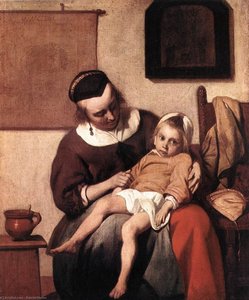
- El Niño Enfermo (c. 1664): Esta obra refleja la admiración de Metsu por el meticuloso detalle y el uso de la luz de Johannes Vermeer.
- Retrato de la Familia Hinlopen: Una obra maestra que combina la pintura de género con el retrato, mostrando su capacidad para capturar tanto el carácter individual como la vida doméstica.
- El Hijo Pródigo (c. 1640): Demuestra una influencia barroca con su composición dramática y ricos detalles.
- Temas Recurrentes: Metsu representó frecuentemente escenas de la vida cotidiana, a menudo imbuídas de significado simbólico.
Significado Histórico y Legado
El legado de Gabriël Metsu reside en su versatilidad y contribución a la Edad de Oro holandesa. Su estilo ecléctico, aunque a veces enigmático, influyó en generaciones posteriores de artistas. Hoy en día, sus obras se conservan en prestigiosos museos de todo el mundo.
- Pintor de la Edad de Oro Holandesa: Es reconocido como una figura significativa dentro del vibrante panorama artístico del siglo XVII neerlandés.
- Colecciones de Museos: Sus pinturas se pueden encontrar en varios museos, incluido el Rijksmuseum de Ámsterdam.
- Apreciación Continua: El arte de Metsu continúa fascinando e inspirando a los espectadores con su realismo, detalle y sutiles narrativas.
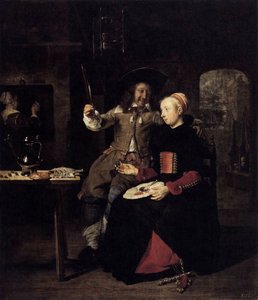
Gabriel Metsu
1629 - 1667 , Países Bajos
Datos clave
- Artistas Que Influyeron: ['Rembrandt van Rijn']
- Fecha De Fallecimiento: 1667
- Fecha De Nacimiento: 1629
- Lugar De Nacimiento: Leiden, Países Bajos
- Movimiento Artístico: Edad de Oro Holandesa
- Nacionalidad: Holandés
- Nombre Completo: Gabriël Metsu
- Obras Notables:
- El niño enfermo
- Retrato de la familia Hinlopen
- Vendedora de aves de corral
- La escritora sorprendida
- El hijo pródigo
Artículos relacionados
Pintura de Género Holandesa: Un Reflejo Íntimo de la Vida Cotidiana y los Valores Sociales del Siglo de Oro
Descubra la riqueza de la pintura de género holandesa del Siglo de Oro. Explore las obras maestras de Vermeer y Brueghel, su simbolismo y el reflejo de la vida cotidiana en esta época dorada. ¡Conozca más!
Gabriel Metsu: Illuminating Dutch Daily Life with Exquisite Detail
Explore the captivating world of Gabriel Metsu, a leading Dutch Golden Age painter. Discover his exquisite genre scenes, masterful realism, and insightful social commentary. Learn about key works & his lasting legacy.

Los 10 Maestros del Siglo de Oro Holandés: Arte, Historia y Decoración Exclusiva
Descubre los 10 imprescindibles del Siglo de Oro Holandés: Rembrandt, Vermeer y más. Explora la historia, técnica y belleza de estos lienzos clásicos. Encuentra reproducciones de arte exclusivas para decorar tu hogar en .

La Luz y la República: Innovación Artística en el Siglo de Oro Neerlandés
Descubra la innovación artística del Siglo de Oro Neerlandés. Explore las obras maestras de Rembrandt y Vermeer, técnicas revolucionarias y el legado perdurable de este florecimiento cultural. ¡Sumérjase en la luz y la belleza!

Reflejos de una Época Dorada: La Pintura Barroca Holandesa y la Innovación Cultural
Descubra la riqueza y el detalle de la pintura barroca holandesa del Siglo de Oro. Explore las obras maestras de Rembrandt, Vermeer y otros artistas clave. Análisis experto e historia cultural.