

 Ver en contexto
 Enviar
 Compartir
 Detalles

 Descargar
 Similares
 Radiografía
 Presentación de diapositivas
 Estadísticas
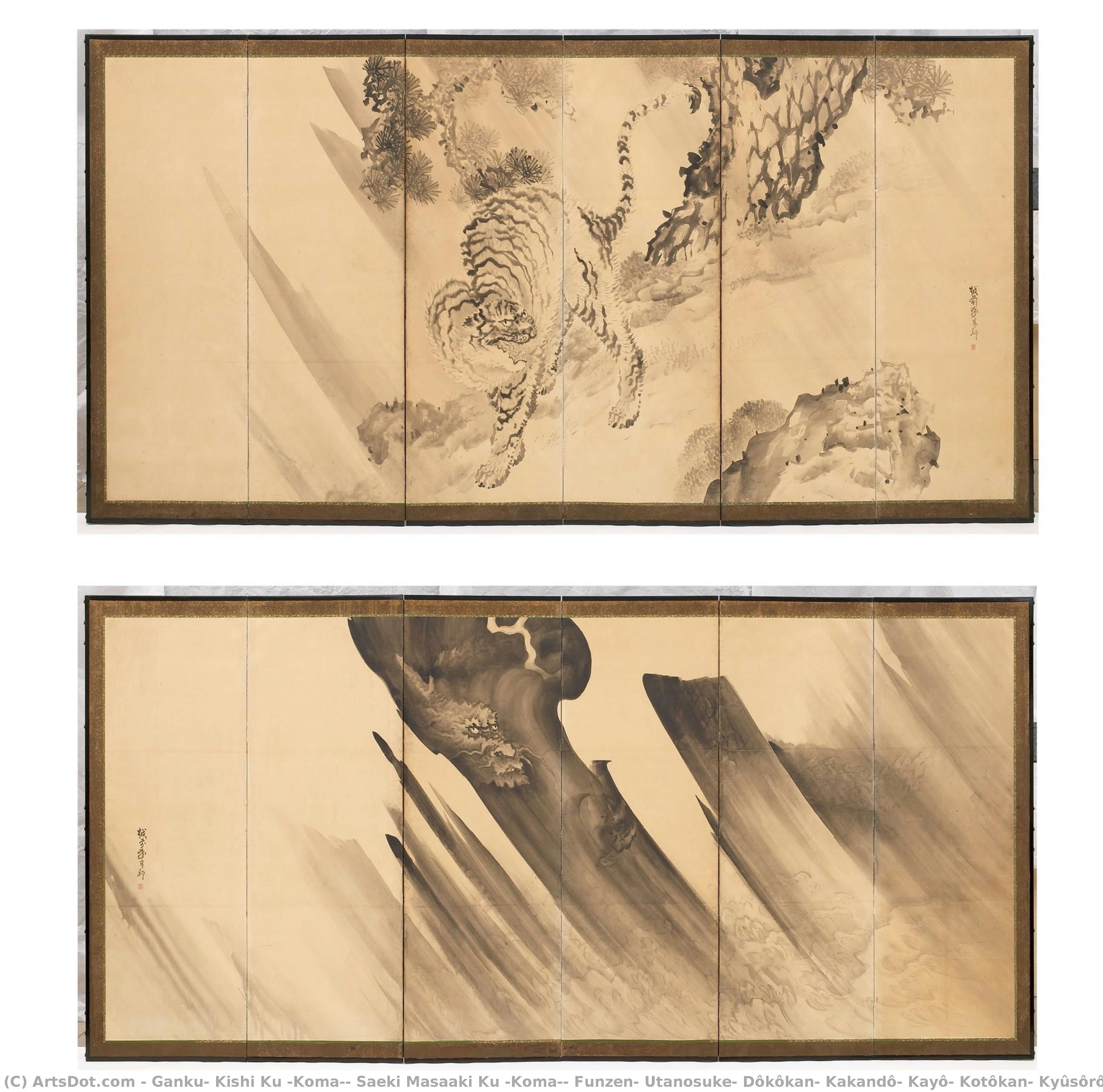
Tiger and dragon
 Ink
Ink 19th Century
 376.0 x 174.0 cm
 Museo del Arte Oriental
 Ver más
Reproducción al óleo hecha a mano
Óleo sobre lienzo pintado a mano en el tamaño y marco de su elección, realizado por encargo por nuestros artistas. ( Cambiar a Impresión Cambiar a imagen digital)




P118B $10

P118H $10

P118W $10

P438Z $10

P508JH $12

P508YH $12

P805H $10

P805Z $10

P919BZ $10

P919G $10

P919XJ $10

P959ZH $10

P968JZ $12

W106C $8

W218G $10

W218JH $8

W218Y $10

W307PJ $10

W316G $10

W316PJ $8

W316Y $10

W398PJ $8

W4111J $10

W500HY $15

W500JH $15

W692G $12

W849H $8

W940BG $15

W953PJ $8




Elija entre nuestros tamaños predefinidos que respetan las proporciones originales de la obra.

Puede ingresar sus propias dimensiones para adaptarse a un marco o espacio específico. Si el tamaño seleccionado no coincide con las proporciones de la imagen original, recortaremos la obra o extenderemos la pintura con elementos adicionales pintados a mano. Se le enviará una maqueta digital para su aprobación antes de comenzar la producción.
Tenga en cuenta que la vista previa en pantalla no refleja el recorte o la extensión reales. Solo la maqueta mostrará con precisión la composición final.
Si bien existen tamaños personalizados, recomendamos seleccionar una dimensión de la lista predefinida para preservar las proporciones originales.
Tras realizar el pedido, el equipo de ArtsDot.com enviará un correo electrónico al cliente para solicitar instrucciones y proporcionarle una vista previa del boceto.
Envío a todo el mundo () en 3-4 semanas en lugar de las 5 semanas estándar. (8 septiembre). Sin comprometer la calidad.

Envío exprés gratuito a todo el mundo

Lienzo de lino de alta calidad

Seguro de envío total

Garantía de reembolso de impuestos aduaneros

Garantía de fidelidad cromática exacta

Política de devolución de 100 días (solo por defectos)

Garantía de devolución del 100% del dinero

Descuento por cantidad
 La opción de vidrio solo está disponible en tamaños inferiores a 110 cm.

Tiger and dragon
Técnica de reproducción
Dimensiones de la reproducción
-


Precio total final
$ 263
A Celestial Encounter: The Primal Energy of Tiger and Dragon
In the grand tradition of Japanese screen painting, few subjects command as much visceral attention as the dual presence of the tiger and the dragon. This breathtaking pair of screens, attributed to the masterful hand of Kishi Ganku, serves as a profound meditation on the elemental forces of nature. The artwork presents a dramatic dichotomy: one screen captures the grounded, muscular intensity of a tiger navigating a rugged, mountainous terrain of pine and stone, while the other unveils a celestial dragon emerging from a turbulent sea of boiling waters and swirling clouds. Together, they create a cosmic dialogue between the earth and the heavens, inviting the viewer into a world where the boundaries between the physical and the spiritual are perpetually blurred.
The artistry behind these screens is rooted in the vigorous, expressive brushwork characteristic of the late Edo period. Ganku, a pivotal figure of the Kishi school, was celebrated for his ability to blend the refined elegance of the Maruyama-shijō school with the powerful, sweeping strokes of Chinese-inspired styles. In this particular work, one can feel the artist's pulse through every stroke; the tiger’s open maw and the dragon’s serpentine movement are rendered with a kinetic energy that feels almost alive. The use of broad, confident applications of pigment creates a sense of texture—from the rough, weathered surfaces of the mountain rocks to the ethereal, misty atmosphere surrounding the dragon—making the composition feel both monumental and deeply intimate.
Symbolism and the Harmony of Opposites
Beyond their visual splendor, these screens are steeped in profound Eastern symbolism. The tiger and the dragon are not merely creatures of myth; they represent the fundamental balance of the universe. Often associated with the seasons of autumn and spring, respectively, their pairing evokes the concept of yin and yang—the eternal dance between strength and fluidity, terrestrial power and celestial wisdom. The tiger, a symbol of earthly authority and ferocious courage, stands amidst the permanence of the mountains, while the dragon represents the unpredictable, transformative power of the heavens and the waters. For the discerning collector or interior designer, this piece offers more than decoration; it provides a focal point of philosophical depth, suggesting a space of balance, resilience, and cosmic order.
Integrating such a magnificent work into a contemporary setting offers an unparalleled opportunity for dramatic impact. Whether placed in a grand salon or a curated study, the sheer scale and movement of these paintings can transform the atmosphere of a room, lending it an air of historical prestige and cultural sophistication. A high-quality reproduction of this masterpiece allows the evocative power of Ganku’s vision to reside within your home, serving as a constant reminder of the sublime beauty found in the struggle and harmony of the natural world.
Obras relacionadas
Biografía del artista
Early Life and Training
Kishi Ganku (Saeki Masaaki Ku), a towering figure in the history of Japanese painting, was born in Kanazawa in 1749, a city renowned for its rich artistic traditions. His early life provided him with an environment steeped in aesthetic sensibility, laying the groundwork for his future success as a master painter. From a young age, Ganku demonstrated a keen interest in art, studying various painting styles—a remarkably diverse approach that would ultimately shape his unique artistic vision. He meticulously examined the techniques of prominent Chinese painters like Shen Nanpin, a celebrated figure from the late 17th and early 18th centuries known for his meticulous detail and vibrant colors. Equally important to his development was the influence of the Maruyama-Shijō school, a movement that championed naturalism and a closer observation of the world around them—a departure from the more formal conventions of traditional Japanese painting. This exposure to both Chinese artistic principles and the burgeoning Western-influenced realism within Japan created a potent synthesis that would define his distinctive style.Rise to Prominence
Ganku’s exceptional talent quickly garnered recognition, leading him to secure a prestigious position under Prince Arisugawa in the late 18th century. This association with the imperial court marked a turning point in his career, catapulting him into the center of artistic circles and providing him with access to influential patrons—including members of the Imperial family themselves. During this period, Ganku’s work was highly sought after, demonstrating his ability to capture both exquisite detail and profound emotion. His paintings were admired for their technical mastery, vibrant colors, and evocative depictions of nature, particularly tigers – a subject he would become most celebrated for. The patronage he received during this time established him as one of the leading artists of his era, solidifying his reputation and setting the stage for a legacy that continues to inspire today.Notable Students and Legacy
Ganku’s influence extended far beyond his own creations; he nurtured a school of painting—the Kishi School—and mentored numerous talented students who would carry on his artistic traditions. Among those who benefited from his guidance were Gantai (1782–1865), his son, Ganryou (1797–1852), and his son-in-law Renzen (1804–59). He also took in Yokoyama Kazan (1784–1837) as an adopted son. These artists, each with their own distinct styles, built upon Ganku’s foundation, contributing to the continued evolution of the Kishi School. Furthermore, he attracted students like Shirai Kayou (fl. ca 1840–60), Kawamura Bumpou (1779–1821) and others who helped spread his artistic vision across Japan. The legacy of Ganku is not merely confined to his own paintings; it resides in the countless artists he trained, ensuring that his techniques and aesthetic sensibilities would endure for generations.Artistic Style and Notable Works
Ganku’s artistic style was characterized by a remarkable blend of influences—a synthesis of Chinese realism, Western naturalism, and traditional Japanese aesthetics. His paintings are renowned for their meticulous detail, vibrant colors, and dynamic compositions. He particularly excelled at depicting tigers, imbuing them with both power and grace. Among his most celebrated works are “Birds on a Plum Tree” (silk, 107 x 34 cm), a stunning example of his ability to capture the delicate beauty of nature; and “Tiger and Dragon” (paper, 376 x 174 cm), currently housed in the Museum of Oriental Art in Turin, Italy. These works, along with others such as "Ho: Yatsuhashi Bridge in Mikawa Province," exemplify his mastery of technique and his ability to evoke a sense of wonder and contemplation.Later Life and Honors
As he approached the end of his life in 1839, Ganku was recognized for his contributions to Japanese art with the honorific title of Honorary Governor of Echizen (越前守). This prestigious appointment reflected not only his artistic achievements but also his respected position within the community. Despite his declining health, Ganku continued to work diligently until his death in Kyoto, leaving behind a rich and enduring legacy that continues to captivate audiences today. His life’s work stands as a testament to the power of artistic dedication, innovation, and the pursuit of beauty.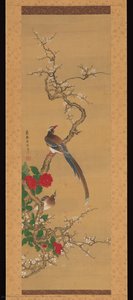
Kishi Ganku
1749 - 1839 , Japón
Datos clave
- Artistic Movement Or Style: Escuela Kishi
- Artists Or Movements Influenced By This Artist:
- Gantai
- Ganryou
- Artists Who Influenced This Artist:
- Shen Nanpin
- Maruyama-Shijō
- Date Of Birth: 1749, Kanazawa
- Date Of Death: 1839, Kyoto
- Full Name: Kishi Ganku (Saeki Masaaki Ku)
- Nationality: Japonesa
- Notable Artworks:
- Aves en un durazno
- Tigre y dragón
- Place Of Birth: Kanazawa, Japón
Artículos relacionados
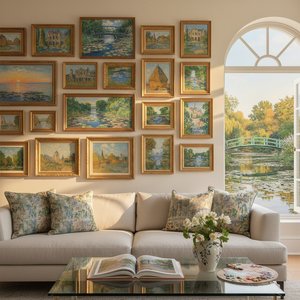
Claude Monet: Las 25 Obras Maestras del Impresionismo para Decorar tu Hogar con Arte
Descubre las 25 obras maestras de Claude Monet, el padre del impresionismo. Explora la historia, técnica y belleza de sus paisajes, nenúfares y 'Impresión, sole levant'. Encuentra reproducciones de arte exclusivas en ArtsDot.com.

Paul Cézanne: Las 25 Obras Maestras que Definieron el Arte Moderno | ArtsDot
Descubre las 25 obras maestras de Paul Cézanne que revolucionaron el arte moderno. Explora su técnica, inspiración y significado en paisajes, bodegones y retratos. Reproducciones de alta calidad para decorar tu hogar con arte inolvidable. ¡Explora la colección completa en ArtsDot.com!
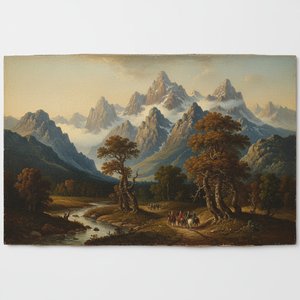
Majestic Peaks on Canvas: A Historical & Artistic Exploration of Mountains in Fine Art
Explore the history of mountain painting! Discover Romantic masterpieces & key artists like Dahl & Calame. Learn about the Sublime & Picturesque aesthetics and find your perfect artwork at ArtsDot.

Katsushika Hokusai: Las 25 Obras Maestras del Ukiyo-e que Transformaron el Arte Japonés | ArtsDot
Descubre las 25 obras maestras de Katsushika Hokusai, el genio del ukiyo-e. Explora 'La Gran Ola', paisajes japoneses y su impacto en el arte moderno. Reproducciones de alta calidad para tu hogar en ArtsDot.com.
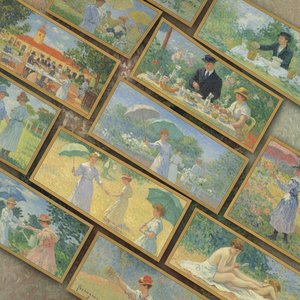
Renoir: Las 25 Obras Maestras del Impresionismo para Decorar tu Hogar con Arte
Descubre las 25 obras maestras de Renoir, el rey del impresionismo. Explora su técnica, historia y significado en cada pintura. Encuentra reproducciones de arte de alta calidad para decorar tu hogar con ArtsDot.com.