

 Ver en contexto
 Enviar
 Compartir
 Detalles

 Descargar
 Similares
 Radiografía
 Presentación de diapositivas
 Stats
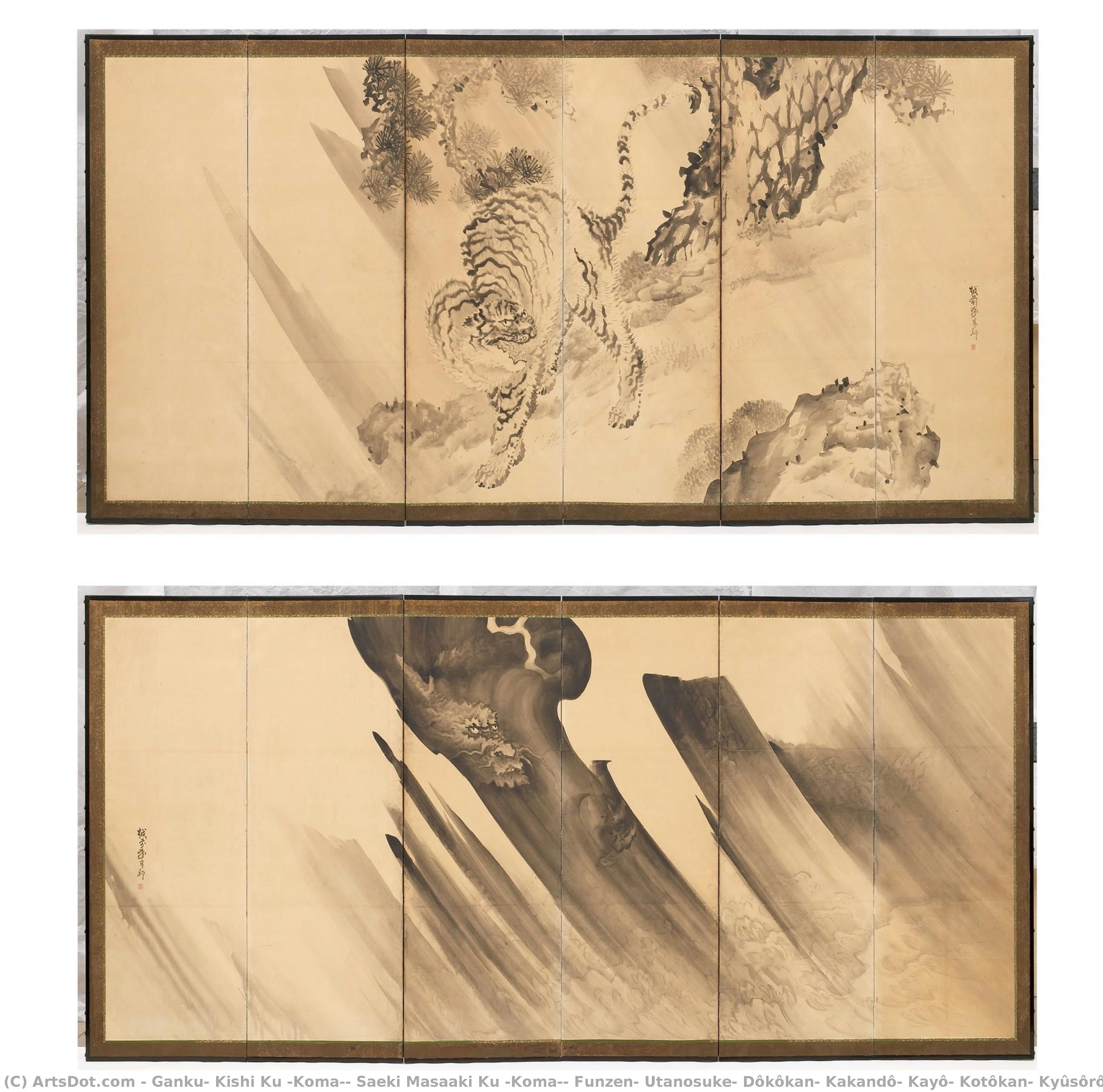
StatsTiger and dragon
 Ink
Ink 19th Century
 376.0 x 174.0 cm
 Museo del Arte Oriental
 Ver más
Adquiera una imagen digital de alta resolución y optimizada, muy superior a la vista previa en línea.
Cada archivo es preparado meticulosamente por nuestros especialistas internos mediante el uso de herramientas avanzadas y un experto retoque manual. Nos aseguramos de que cada imagen posea una claridad excepcional, una precisión cromática impecable y un detalle minucioso.
El archivo final se entrega por correo electrónico en un plazo de 72 horas, optimizado para su uso inmediato en entornos profesionales, editoriales y de impresión. Esta es la misma calidad en la que confían los estudios de diseño, las editoriales y las galerías de primer nivel.
Imagen Digital
Descarga un archivo de alta resolución para exhibición personal, impresión y proyectos creativos. ( Switch to Print Comprar pintura hecha a mano)
Incluido en cada pedido de imágenes digitales
Entrega digital experta, garantizada.
Al elegir ArtsDot.com, no solo está adquiriendo una imagen; está recibiendo una obra de arte digital mejorada profesionalmente, elaborada con precisión y respaldada por una garantía de satisfacción. Esto es todo lo que incluye su pedido, automáticamente:

Entrega rápida por email
Recibirá su archivo de imagen digital en alta resolución por correo electrónico en un plazo de 72 horas tras realizar su pedido, listo para su uso inmediato.

Archivo digital optimizado por IA
Su obra de arte se optimiza profesionalmente mediante herramientas avanzadas de IA y edición manual, garantizando el máximo detalle, claridad y precisión cromática.

Reenvío gratuito de por vida
¿Has borrado o perdido tu archivo por error? No te preocupes: te lo volveremos a enviar en cualquier momento, sin coste adicional.

Sin gastos de importación, siempre
Disfrute de su obra de arte al instante sin aduanas, aranceles ni gastos de envío; las descargas digitales siempre están libres de impuestos.

Garantía de fidelidad de color
Garantizamos que su imagen digital refleje los colores originales con la mayor fidelidad posible, mediante el uso de herramientas profesionales y gestión del color.

Garantía de satisfacción de 100 días
Si no está satisfecho con su imagen digital, la revisaremos o le reembolsaremos el 100% en un plazo de 100 días, sin preguntas.

100% Garantía de devolución de dinero
¿No está satisfecho? Obtenga un reembolso completo dentro de los 100 días posteriores a la recepción de su archivo digital, sin preguntas.

Descuentos por pedidos grandes
Compra 3 imágenes, ahorra 10% - Compra 5, ahorra 15% - Compra 10+, ahorra 20%. Ideal para proyectos creativos, galerías y agencias.
A Celestial Encounter: The Primal Energy of Tiger and Dragon
In the grand tradition of Japanese screen painting, few subjects command as much visceral attention as the dual presence of the tiger and the dragon. This breathtaking pair of screens, attributed to the masterful hand of Kishi Ganku, serves as a profound meditation on the elemental forces of nature. The artwork presents a dramatic dichotomy: one screen captures the grounded, muscular intensity of a tiger navigating a rugged, mountainous terrain of pine and stone, while the other unveils a celestial dragon emerging from a turbulent sea of boiling waters and swirling clouds. Together, they create a cosmic dialogue between the earth and the heavens, inviting the viewer into a world where the boundaries between the physical and the spiritual are perpetually blurred.
The artistry behind these screens is rooted in the vigorous, expressive brushwork characteristic of the late Edo period. Ganku, a pivotal figure of the Kishi school, was celebrated for his ability to blend the refined elegance of the Maruyama-shijō school with the powerful, sweeping strokes of Chinese-inspired styles. In this particular work, one can feel the artist's pulse through every stroke; the tiger’s open maw and the dragon’s serpentine movement are rendered with a kinetic energy that feels almost alive. The use of broad, confident applications of pigment creates a sense of texture—from the rough, weathered surfaces of the mountain rocks to the ethereal, misty atmosphere surrounding the dragon—making the composition feel both monumental and deeply intimate.
Symbolism and the Harmony of Opposites
Beyond their visual splendor, these screens are steeped in profound Eastern symbolism. The tiger and the dragon are not merely creatures of myth; they represent the fundamental balance of the universe. Often associated with the seasons of autumn and spring, respectively, their pairing evokes the concept of yin and yang—the eternal dance between strength and fluidity, terrestrial power and celestial wisdom. The tiger, a symbol of earthly authority and ferocious courage, stands amidst the permanence of the mountains, while the dragon represents the unpredictable, transformative power of the heavens and the waters. For the discerning collector or interior designer, this piece offers more than decoration; it provides a focal point of philosophical depth, suggesting a space of balance, resilience, and cosmic order.
Integrating such a magnificent work into a contemporary setting offers an unparalleled opportunity for dramatic impact. Whether placed in a grand salon or a curated study, the sheer scale and movement of these paintings can transform the atmosphere of a room, lending it an air of historical prestige and cultural sophistication. A high-quality reproduction of this masterpiece allows the evocative power of Ganku’s vision to reside within your home, serving as a constant reminder of the sublime beauty found in the struggle and harmony of the natural world.
Obras relacionadas

Biografía del artista
Early Life and Training
Kishi Ganku (Saeki Masaaki Ku), a towering figure in the history of Japanese painting, was born in Kanazawa in 1749, a city renowned for its rich artistic traditions. His early life provided him with an environment steeped in aesthetic sensibility, laying the groundwork for his future success as a master painter. From a young age, Ganku demonstrated a keen interest in art, studying various painting styles—a remarkably diverse approach that would ultimately shape his unique artistic vision. He meticulously examined the techniques of prominent Chinese painters like Shen Nanpin, a celebrated figure from the late 17th and early 18th centuries known for his meticulous detail and vibrant colors. Equally important to his development was the influence of the Maruyama-Shijō school, a movement that championed naturalism and a closer observation of the world around them—a departure from the more formal conventions of traditional Japanese painting. This exposure to both Chinese artistic principles and the burgeoning Western-influenced realism within Japan created a potent synthesis that would define his distinctive style.Rise to Prominence
Ganku’s exceptional talent quickly garnered recognition, leading him to secure a prestigious position under Prince Arisugawa in the late 18th century. This association with the imperial court marked a turning point in his career, catapulting him into the center of artistic circles and providing him with access to influential patrons—including members of the Imperial family themselves. During this period, Ganku’s work was highly sought after, demonstrating his ability to capture both exquisite detail and profound emotion. His paintings were admired for their technical mastery, vibrant colors, and evocative depictions of nature, particularly tigers – a subject he would become most celebrated for. The patronage he received during this time established him as one of the leading artists of his era, solidifying his reputation and setting the stage for a legacy that continues to inspire today.Notable Students and Legacy
Ganku’s influence extended far beyond his own creations; he nurtured a school of painting—the Kishi School—and mentored numerous talented students who would carry on his artistic traditions. Among those who benefited from his guidance were Gantai (1782–1865), his son, Ganryou (1797–1852), and his son-in-law Renzen (1804–59). He also took in Yokoyama Kazan (1784–1837) as an adopted son. These artists, each with their own distinct styles, built upon Ganku’s foundation, contributing to the continued evolution of the Kishi School. Furthermore, he attracted students like Shirai Kayou (fl. ca 1840–60), Kawamura Bumpou (1779–1821) and others who helped spread his artistic vision across Japan. The legacy of Ganku is not merely confined to his own paintings; it resides in the countless artists he trained, ensuring that his techniques and aesthetic sensibilities would endure for generations.Artistic Style and Notable Works
Ganku’s artistic style was characterized by a remarkable blend of influences—a synthesis of Chinese realism, Western naturalism, and traditional Japanese aesthetics. His paintings are renowned for their meticulous detail, vibrant colors, and dynamic compositions. He particularly excelled at depicting tigers, imbuing them with both power and grace. Among his most celebrated works are “Birds on a Plum Tree” (silk, 107 x 34 cm), a stunning example of his ability to capture the delicate beauty of nature; and “Tiger and Dragon” (paper, 376 x 174 cm), currently housed in the Museum of Oriental Art in Turin, Italy. These works, along with others such as "Ho: Yatsuhashi Bridge in Mikawa Province," exemplify his mastery of technique and his ability to evoke a sense of wonder and contemplation.Later Life and Honors
As he approached the end of his life in 1839, Ganku was recognized for his contributions to Japanese art with the honorific title of Honorary Governor of Echizen (越前守). This prestigious appointment reflected not only his artistic achievements but also his respected position within the community. Despite his declining health, Ganku continued to work diligently until his death in Kyoto, leaving behind a rich and enduring legacy that continues to captivate audiences today. His life’s work stands as a testament to the power of artistic dedication, innovation, and the pursuit of beauty.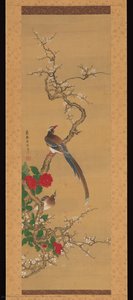
Kishi Ganku
1749 - 1839 , Japón
Breves datos
- Artistic Movement Or Style: Escuela Kishi
- Artists Or Movements Influenced By This Artist:
- Gantai
- Ganryou
- Artists Who Influenced This Artist:
- Shen Nanpin
- Maruyama-Shijō
- Date Of Birth: 1749, Kanazawa
- Date Of Death: 1839, Kyoto
- Full Name: Kishi Ganku (Saeki Masaaki Ku)
- Nationality: Japonesa
- Notable Artworks:
- Aves en un durazno
- Tigre y dragón
- Place Of Birth: Kanazawa, Japón