

 Ver en contexto
 Enviar
 Compartir
 Detalles

 Descargar
 Similares
 Radiografía
 Presentación de diapositivas
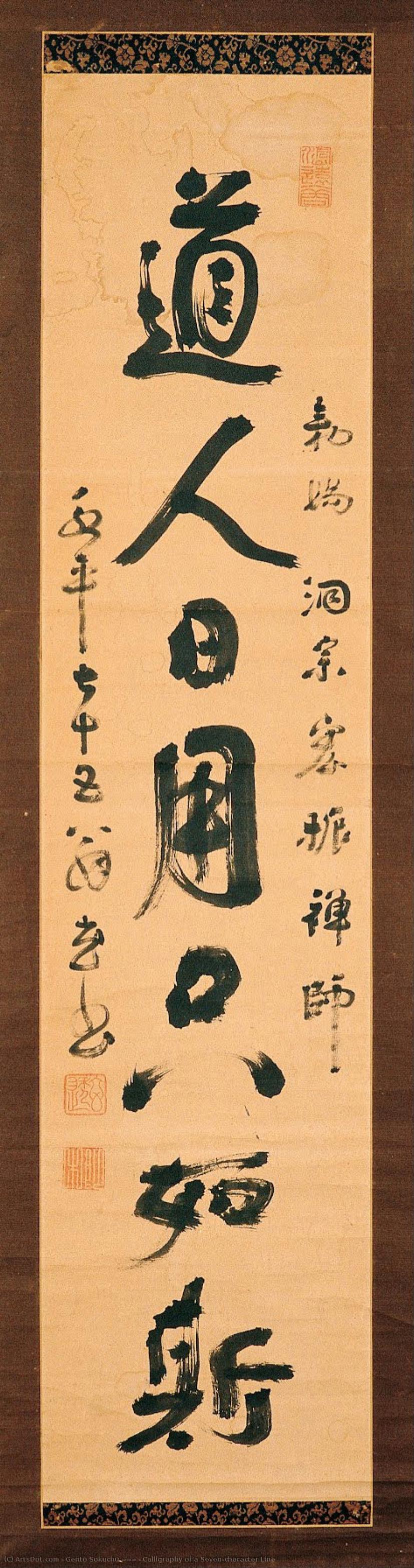
Calligraphy of a Seven-character Line


 Ver más
Reproducción al óleo hecha a mano
Óleo sobre lienzo pintado a mano en el tamaño y marco de su elección, realizado por encargo por nuestros artistas. ( Comprar impresión Comprar imagen)




































Elija entre nuestros tamaños predefinidos que respetan las proporciones originales de la obra.

Puede ingresar sus propias dimensiones para adaptarse a un marco o espacio específico. Si el tamaño seleccionado no coincide con las proporciones de la imagen original, recortaremos la obra o extenderemos la pintura con elementos adicionales pintados a mano. Se le enviará una maqueta digital para su aprobación antes de comenzar la producción.
Tenga en cuenta que la vista previa en pantalla no refleja el recorte o la extensión reales. Solo la maqueta mostrará con precisión la composición final.
Si bien existen tamaños personalizados, recomendamos seleccionar una dimensión de la lista predefinida para preservar las proporciones originales.
Tras realizar el pedido, el equipo de ArtsDot.com enviará un correo electrónico al cliente para solicitar instrucciones y proporcionarle una vista previa del boceto.
Envío a todo el mundo () en 3-4 semanas en lugar de las 5 semanas estándar. (4 septiembre). Sin comprometer la calidad.

Envío exprés gratuito a todo el mundo

Lienzo de lino de alta calidad

Seguro de envío total

Garantía de reembolso de impuestos aduaneros

Garantía de fidelidad cromática exacta

Política de devolución de 60 días (solo por defectos)

Garantía de devolución del 100% del dinero

Descuento por cantidad
 La opción de vidrio solo está disponible en tamaños inferiores a 110 cm.

Calligraphy of a Seven-character Line
Técnica de reproducción
Dimensiones de la reproducción
-


Precio total final
$ 263
Obras relacionadas



Biografía del artista
Gentō Sokuchū (玄透即中): A Revivalist of Dōgen’s Legacy
Gentō Sokuchū (玄透即中), born in 1729, stands as a pivotal figure within the Sōtō Zen tradition—a scholar and abbot who tirelessly championed the rediscovery and reaffirmation of Dōgen Zenji's teachings during the late Edo period. His life’s work centered on meticulously reconstructing and disseminating Dōgen’s seminal texts, fundamentally reshaping the trajectory of Sōtō monastic practice and shaping its intellectual landscape for centuries to come. Understanding Sokuchū requires delving into the broader context of a movement striving to recapture the essence of Zen Buddhism's foundational principles—a mission he undertook with unwavering dedication and profound erudition.Early Life & Education
Born in Kyoto, Sokuchū’s formative years were steeped in the rigorous discipline of Eiheiji monastery. From his earliest days, he absorbed the precepts of Buddhist philosophy and honed his mastery of calligraphy – skills that would serve as bedrock for his lifelong pursuit of knowledge and spiritual understanding. This upbringing instilled a deep reverence for Dōgen's teachings—a conviction that fueled his scholarly endeavors and shaped his unwavering commitment to preserving Zen’s core essence.Eihei-ji & The Rediscovery of Dōgen
Sokuchū’s ascension to abbatial leadership at Eiheiji coincided with a period of palpable decline within Sōtō monastic scholarship. Recognizing the urgent need for revitalization, he initiated an ambitious undertaking—the exhaustive editing and publication of Dōgen's monumental works, including Shōbōgenzō and Eihei Kenkōroku (The Record of Enlightenment). This endeavor transcended mere academic pursuit; it represented a deliberate effort to reconnect monks with the fundamental tenets of Zen practice – a reconnection that would define his legacy.The Eihei Rules of Purity
Sokuchū’s crowning achievement undoubtedly resided in the compilation of Eihei Shingi—the Eihei Rules of Purity. These rules, painstakingly reconstructed from fragmentary manuscripts, articulated Dōgen’s uncompromising ethical code for monks – a stark contrast to the lax standards that had characterized preceding centuries. Sokuchū's insistence on enforcing these rules acted as a catalyst for reform within Eiheiji and reverberated throughout the Sōtō school, reaffirming Dōgen’s unwavering moral compass.Influence & Legacy
Gentō Sokuchū’s influence extended far beyond the confines of Eiheiji monastery. He championed the revival of koan practice—a method central to Rinzai Zen—arguing for its judicious use alongside traditional meditation techniques. Furthermore, he oversaw a transformative architectural project – the rebuilding of Eiheiji’s sangha hall in 1796 – selecting Ming Dynasty models as inspiration and rejecting the Ōbaku school's stylistic preferences. His former student Ryōkan profoundly impacted Zen Buddhism. Gentō Sokuchū died in 1807, leaving behind an indelible mark on Sōtō Zen history—a testament to his unwavering devotion to preserving and disseminating Dōgen’s teachings. His meticulous scholarship and resolute advocacy for monastic reform cemented his position as a cornerstone of Sōtō Zen intellectual tradition, ensuring that Dōgen's profound insights continue to inspire practitioners today. He is remembered not merely as an abbot but as the architect of a revival—a scholar who successfully rekindled the flame of Dōgen’s Dharma and reaffirmed its enduring relevance in the face of evolving cultural landscapes.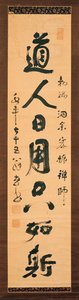
Gentō Sokuchū
1729 - 1807 , Japón
Datos clave
- Artistic Movement Or Style: Sōtō Zen
- Artists Or Movements Influenced By This Artist: ['Rinzai']
- Artists Who Influenced This Artist: ['Dōgen']
- Date Of Birth: 1729
- Date Of Death: 1807
- Full Name: Gentō Sokuchū 玄透即中
- Nationality: Japonés
- Notable Artworks: ['Eihei Rules of Purity']
- Place Of Birth: Kyoto Japón

