

 Ver en contexto
 Enviar
 Compartir
 Detalles

 Descargar
 Similares
 Radiografía
 Presentación de diapositivas
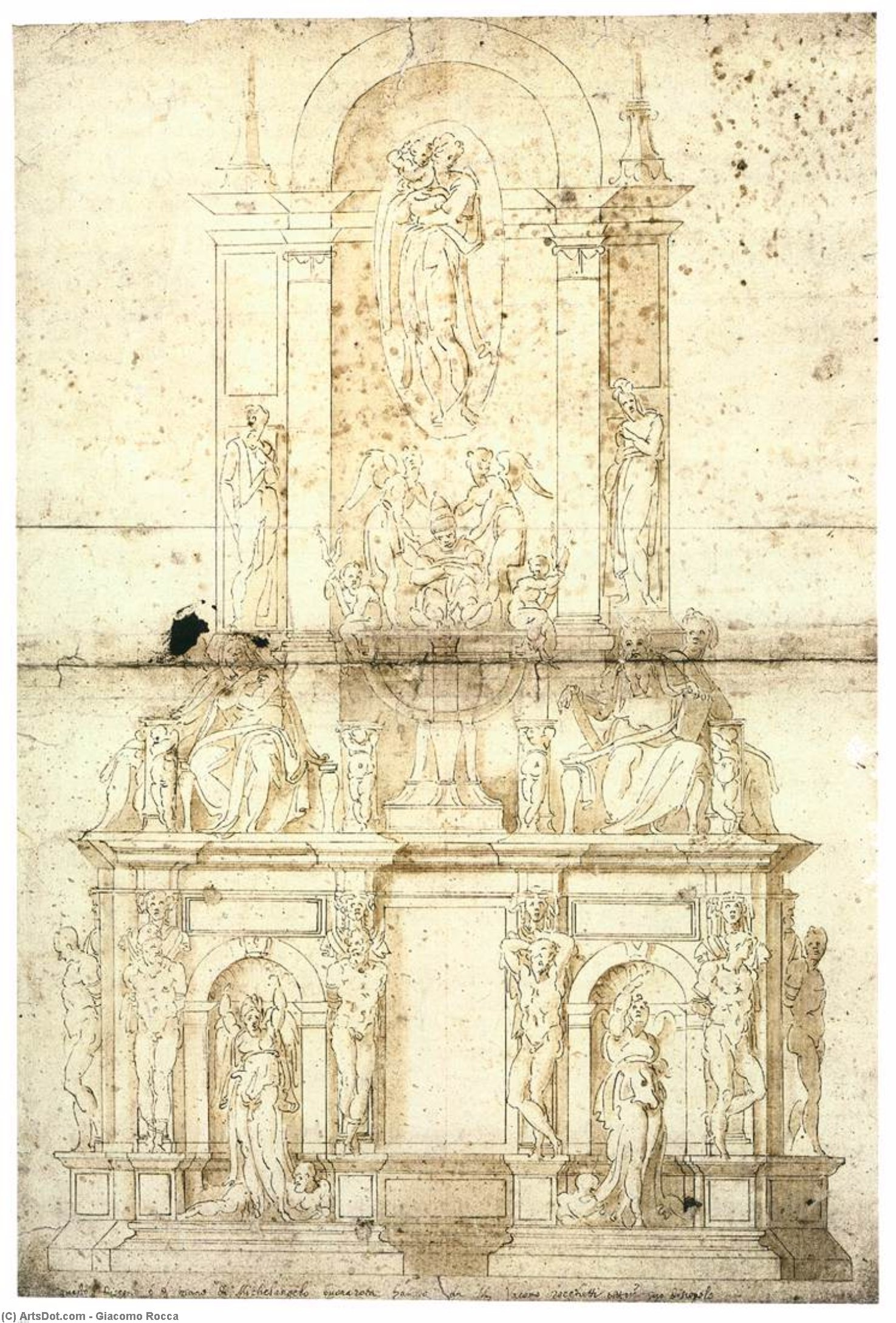
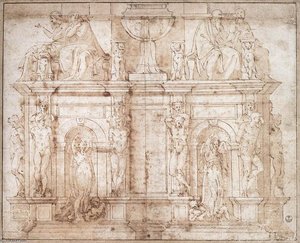
Dibujo de Giacomo Rocca para el monumento funerario de Julio II
 Acrílico sobre lienzo
- Arte de pared
- Mannerist Style
 580.0 x 393.0 cm
 Staatliche Museen zu Berlin
 Ver más
Adquiera una imagen digital de alta resolución y optimizada, muy superior a la vista previa en línea.
Cada archivo es preparado meticulosamente por nuestros especialistas internos mediante el uso de herramientas avanzadas y un experto retoque manual. Nos aseguramos de que cada imagen posea una claridad excepcional, una precisión cromática impecable y un detalle minucioso.
El archivo final se entrega por correo electrónico en un plazo de 72 horas, optimizado para su uso inmediato en entornos profesionales, editoriales y de impresión. Esta es la misma calidad en la que confían los estudios de diseño, las editoriales y las galerías de primer nivel.
Imagen Digital
Descarga un archivo de alta resolución para exhibición personal, impresión y proyectos creativos. ( Comprar impresión Comprar pintura hecha a mano)
Incluido en cada pedido de imágenes digitales
Entrega digital experta, garantizada.
Al elegir ArtsDot.com, no solo está adquiriendo una imagen; está recibiendo una obra de arte digital mejorada profesionalmente, elaborada con precisión y respaldada por una garantía de satisfacción. Esto es todo lo que incluye su pedido, automáticamente:

Entrega rápida por email
Recibirá su archivo de imagen digital en alta resolución por correo electrónico en un plazo de 72 horas tras realizar su pedido, listo para su uso inmediato.

Archivo digital optimizado por IA
Su obra de arte se optimiza profesionalmente mediante herramientas avanzadas de IA y edición manual, garantizando el máximo detalle, claridad y precisión cromática.

Reenvío gratuito de por vida
¿Has borrado o perdido tu archivo por error? No te preocupes: te lo volveremos a enviar en cualquier momento, sin coste adicional.

Sin gastos de importación, siempre
Disfrute de su obra de arte al instante sin aduanas, aranceles ni gastos de envío; las descargas digitales siempre están libres de impuestos.

Garantía de fidelidad de color
Garantizamos que su imagen digital refleje los colores originales con la mayor fidelidad posible, mediante el uso de herramientas profesionales y gestión del color.

Garantía de satisfacción de 60 días
Si no está satisfecho con su imagen digital, la revisaremos o le reembolsaremos el 100% en un plazo de 60 días, sin preguntas.

100% Garantía de devolución de dinero
¿No está satisfecho? Obtenga un reembolso completo dentro de los 60 días posteriores a la recepción de su archivo digital, sin necesidad de explicaciones.

Descuentos por pedidos grandes
Compra 3 imágenes, ahorra 10% - Compra 5, ahorra 15% - Compra 10+, ahorra 20%. Ideal para proyectos creativos, galerías y agencias.
Descripción del coleccionable
Michelangelo's Draft for the Tomb of Julius II: A Vision of Faith Embodied in Ink
Giacomo Rocca’s drawing, “Michelangelo’s Draft for the Tomb of Julius II,” stands as a testament to artistic devotion and meticulous observation within the fervent religious landscape of Renaissance Rome. Created around 1605, this monochrome masterpiece captures not merely an image but a conceptual echo of Michelangelo’s monumental ambition – a project that would redefine papal iconography and solidify his legacy as one of history's greatest sculptors.
The artwork originates from the Cluniac chapel of Château des Moines at Berzé-la-Ville, near Cluny. Abbot Hugh of Cluny, a visionary leader in ecclesiastical art, commissioned a program of murals that aimed to convey profound theological ideas. Rocca’s drawing meticulously reproduces Michelangelo's original sketch for the tomb of Julius II – a project conceived shortly after Pope Julius II’s death in 1513 and abandoned due to logistical challenges.
Rocca’s artistic approach is characterized by masterful pen and ink technique combined with subtle brown washes. This method, favored during Rocca's time, allowed for exceptional detail and tonal gradation—essential elements in conveying the solemn grandeur of the biblical narrative depicted. The drawing faithfully replicates Michelangelo’s preliminary design, demonstrating Rocca’s dedication to accuracy and his understanding of the artist’s stylistic principles.
- Style: Mannerist – Marked by dramatic poses, distorted figures, and an emphasis on expressive emotion, reflecting a reaction against the idealized forms of High Renaissance art.
- Technique: Pen and Ink Wash – Rocca skillfully utilized pen strokes to delineate precise contours while incorporating brown washes to create depth and luminosity, mirroring Michelangelo’s approach.
- Historical Context: The drawing emerged during a period of intense papal patronage aimed at glorifying the Catholic faith. It reflects the artistic fervor prevalent in Rome under Pope Gregory XIII.
- Symbolism: The composition embodies Christian iconography—Christ enthroned as ruler, St Peter receiving the law from Christ—representing divine authority and spiritual righteousness.
More than just a visual representation, Rocca’s drawing serves as an invaluable document of artistic process. It offers viewers a glimpse into Michelangelo's creative vision and underscores the enduring power of art to communicate complex theological ideas. Its quiet solemnity invites contemplation on faith, artistry, and the legacy of one of humanity’s most influential figures.
This reproduction captures the essence of Rocca’s artistic genius—a faithful echo of Michelangelo’s groundbreaking endeavor to honor God through monumental sculpture and painting. Ideal for enriching any interior space or inspiring artistic appreciation.
Obras relacionadas
Biografía del artista
Giacomo Rocca (1592 – c. 1605): A Mannerist Vision of Faith and Patronage
Giacomo Rocca, a name largely absent from mainstream art historical narratives, nevertheless represents a significant contribution to the artistic landscape of late Renaissance Italy—specifically within the fervent devotional fervor surrounding Santa Maria degli Angeli in Rome. Born sometime around 1592, Rocca’s life remains shrouded in relative obscurity, primarily documented through Giovanni Baglione's *Le Vite dei Pittori*, Scultori et Architetti dal Pontificato di Gregorio XIII del 1572 in fino a tempi di Papa Urbano VIII nel 1642*, which offers invaluable insight into the artistic milieu of his era.
Rocca’s formative years were spent under the tutelage of Daniele da Volterra, a celebrated Mannerist sculptor and painter whose influence profoundly shaped Rocca's stylistic trajectory. Da Volterra championed a dramatic, expressive approach characterized by distorted figures, exaggerated poses, and intense emotional intensity—elements that would become hallmarks of Rocca’s oeuvre.
The Frescoes of Santa Maria degli Angeli
Rocca’s most enduring legacy resides in his monumental frescoes adorning the first chapel on the right of Santa Maria degli Angeli e dei Martiri, a basilica renowned for its opulent decoration and patronage by Cardinal Alessandro Farnese. Collaborating closely with Michele degli Alberti, Rocca undertook the ambitious task of depicting scenes from the Old Testament—specifically Prophets and Sibyls—and subjects commemorating Saint Francis Xavier, a pivotal figure in Jesuit missionary activity.
These frescoes exemplify the Mannerist preoccupation with psychological realism and symbolic grandeur. Rocca skillfully employed tenebrismo—a technique pioneered by Caravaggio—to create dramatic chiaroscuro effects that heighten emotional impact and convey profound spiritual contemplation. The figures are rendered with meticulous detail, capturing subtle nuances of expression and gesture, reflecting Da Volterra’s influence.
Style and Technique
Rocca's artistic style is firmly rooted in the Mannerist tradition, distinguished by its rejection of classical ideals of beauty and harmony. Instead, he embraced distortion, asymmetry, and expressive exaggeration—methods designed to elicit a visceral response from the viewer. His palette favored muted tones—primarily ochres, siennas, and umbers—creating an atmosphere of solemn contemplation.
Furthermore, Rocca’s meticulous attention to detail—evident in his rendering of drapery folds and facial expressions—demonstrates a mastery of disegno—the Italian term for drawing—a cornerstone of Renaissance artistic training. Like Da Volterra, Rocca prioritized conveying emotion over mere visual representation, prioritizing psychological depth and spiritual significance.
Legacy and Influence
Despite the paucity of biographical information, Giacomo Rocca’s contribution to Roman art history remains undeniable. His frescoes at Santa Maria degli Angeli stand as testament to the enduring power of Mannerist aesthetics—a style that continues to inspire artists today. Though overshadowed by more prominent contemporaries, Rocca's work embodies a distinctive vision of faith and artistic expression—a poignant reminder of the rich tapestry of creativity within Renaissance Italy.
giacomo rocca
1592 - 1605 , Italy
Breves datos
- Artistic Movement Or Style: Mannerist
- Artists Or Movements Influenced By This Artist: ['Michelangelo']
- Artists Who Influenced This Artist: ['Daniele da Volterra']
- Date Of Death: between 1592 and 1605
- Full Name: Giacomo Rocca
- Nationality: Italian
- Notable Artworks:
- Frescoes in the Ricci Chapel
- Roman Triumphs
- Place Of Birth: Italy

