 Enviar
 Compartir
 Detalles

 Descargar
 Similares
 Presentación de diapositivas
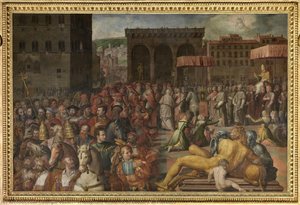
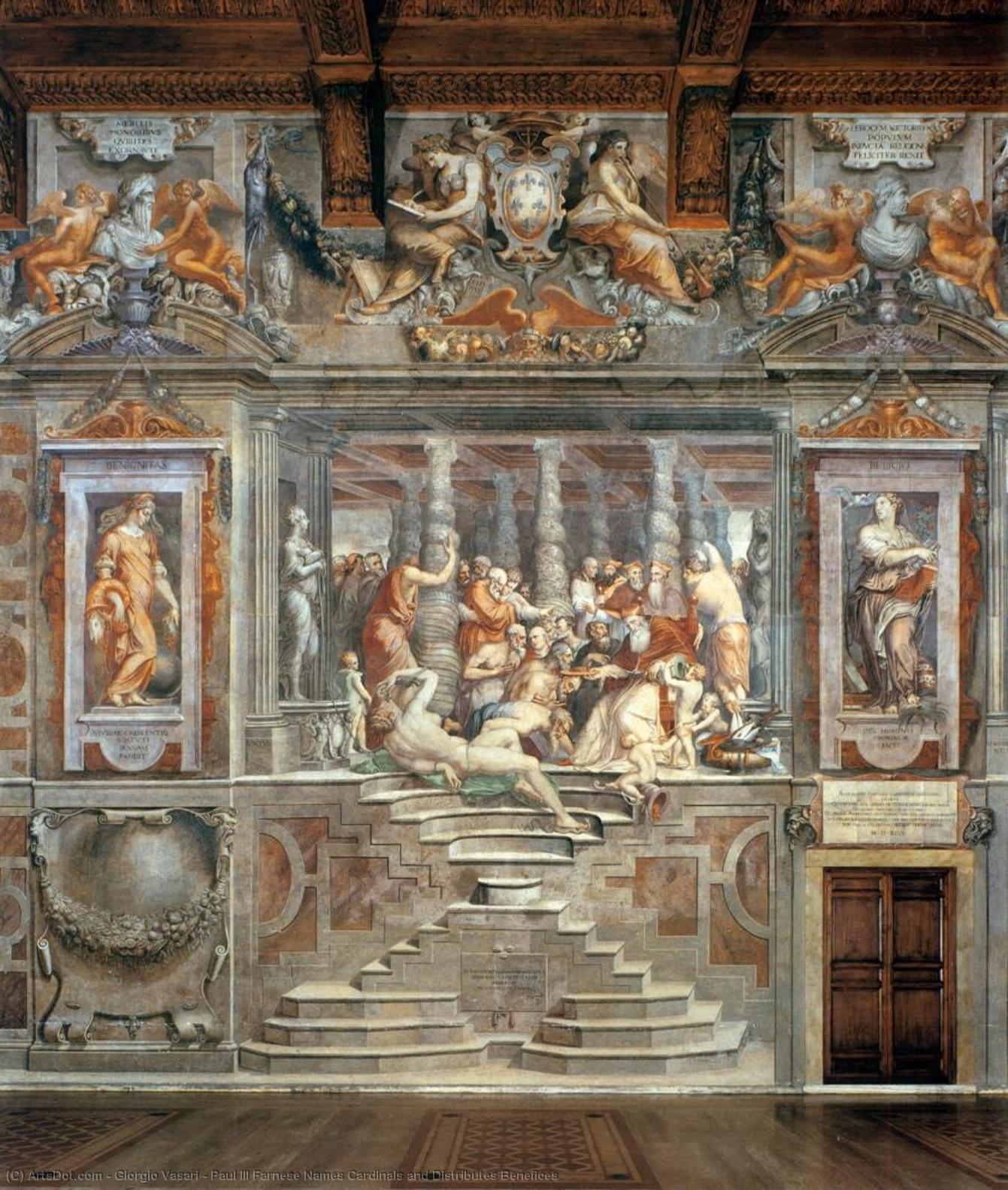
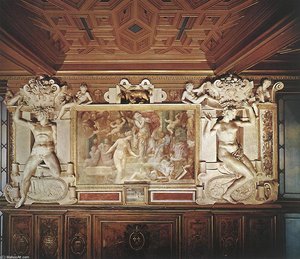
Paul III Farnese Names Cardinals and Distributes Benefices


 Ver más
Reproducción al óleo hecha a mano
Óleo sobre lienzo pintado a mano en el tamaño y marco de su elección, realizado por encargo por nuestros artistas. ( Comprar impresión Comprar imagen)




































Elija entre nuestros tamaños predefinidos que respetan las proporciones originales de la obra.

Puede ingresar sus propias dimensiones para adaptarse a un marco o espacio específico. Si el tamaño seleccionado no coincide con las proporciones de la imagen original, recortaremos la obra o extenderemos la pintura con elementos adicionales pintados a mano. Se le enviará una maqueta digital para su aprobación antes de comenzar la producción.
Tenga en cuenta que la vista previa en pantalla no refleja el recorte o la extensión reales. Solo la maqueta mostrará con precisión la composición final.
Si bien existen tamaños personalizados, recomendamos seleccionar una dimensión de la lista predefinida para preservar las proporciones originales.
Tras realizar el pedido, el equipo de ArtsDot.com enviará un correo electrónico al cliente para solicitar instrucciones y proporcionarle una vista previa del boceto.
Envío a todo el mundo () en 3-4 semanas en lugar de las 5 semanas estándar. (29 agosto). Sin comprometer la calidad.

Envío exprés gratuito a todo el mundo

Lienzo de lino de alta calidad

Seguro de envío total

Garantía de reembolso de impuestos aduaneros

Garantía de fidelidad cromática exacta

Política de devolución de 60 días (solo por defectos)

Garantía de devolución del 100% del dinero

Descuento por cantidad
 La opción de vidrio solo está disponible en tamaños inferiores a 110 cm.

Paul III Farnese Names Cardinals and Distributes Benefices
Técnica de reproducción
Dimensiones de la reproducción
-


Precio total final
$ 413
Giorgio Vasari’s ‘Paul III Farnese Names Cardinals and Distributes Benefices’: A Renaissance Echo of Power and Virtue
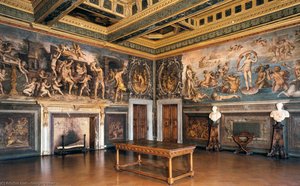
The Sala dei Cento Giorni, nestled within the Palazzo della Cancelleria in Rome, stands as a testament to Giorgio Vasari's mastery—a monumental fresco that transcends mere decoration to embody the spirit of the High Renaissance. Commissioned by Cardinal Alessandro Farnese in 1546, this ambitious undertaking wasn’t simply about adorning a room; it was about proclaiming papal authority and celebrating the enduring values of Roman civilization. Vasari himself meticulously documented the project, recognizing its significance as an artistic statement reflecting the intellectual currents of his time. ### The Narrative Landscape: Mythological Allegory Meets Papal Patronage Vasari’s fresco plunges viewers into a complex narrative tapestry woven with threads of classical mythology and Christian allegory. At its core lies a central group of figures seated around a table, representing papal governance—a deliberate choice to visually communicate Farnese's lineage and the grandeur of his ambition. Surrounding this focal point are smaller vignettes depicting scenes from Greek mythology, specifically the Trojan War, symbolizing resilience and triumph over adversity – themes deeply resonant with Renaissance ideals. The artist skillfully employs perspective and layering to create a sense of depth and drama, transporting the viewer into an imagined space brimming with symbolic significance. ### Vasari’s Technique: Fresco Painting—A Legacy of Brilliance Vasari employed the venerable technique of fresco painting, applying pigments mixed with water onto freshly plastered walls. This method demanded precision and patience, resulting in a surface texture that retains its luminosity over centuries – a remarkable feat of artistic craftsmanship. The palette is dominated by earthy hues—ochre, terracotta, and muted reds—reflecting the prevailing aesthetic sensibilities of the era. Lines delineate architectural elements and drapery folds with meticulous accuracy, contributing to the overall clarity and structural integrity of the artwork. Vasari’s studio utilized a masterful blend of observation and imagination, capturing both the grandeur of Roman history and the moral virtues championed by humanist thinkers. ### Symbolism: Virtues Embodied and Divine Glory Revealed The fresco is replete with symbolic representations designed to elevate the viewer's understanding of papal power and Christian piety. Figures embodying justice, prudence, fortitude, and piety dominate the composition—each attribute carefully chosen to convey specific moral qualities deemed essential for rulers and citizens alike. The depiction of gods and goddesses—particularly Venus and Apollo—references classical mythology’s celebration of beauty and intellect – mirroring the Renaissance fascination with humanist ideals. Vasari's intention was not merely to depict events but to instill in his audience a sense of awe and reverence for divine grace, cementing the Sala dei Cento Giorni’s place as an enduring emblem of Renaissance artistic achievement. ### A Window into History: Contextualizing Vasari’s Vision Created during the reign of Pope Paul III Farnese—a pivotal figure in shaping the Catholic Reformation—the fresco reflects the anxieties and aspirations of its time. The commission itself underscored Farnese's determination to assert papal dominance amidst challenges posed by Protestantism, while simultaneously reaffirming the importance of classical virtues as a foundation for moral conduct. Vasari’s work stands alongside Michelangelo’s Sistine Chapel ceiling as one of the defining masterpieces of the High Renaissance—a testament to artistic innovation and intellectual engagement that continues to inspire admiration today.Obras relacionadas
Biografía del artista
Primeros años y formación
Giorgio Vasari, un renombrado pintor, arquitecto, escritor e historiador italiano, nació el 30 de julio de 1511 en Arezzo, Toscana. Comenzó su viaje artístico como discípulo de Guglielmo da Marsiglia, un hábil pintor de vidrieras. A los dieciséis años, Vasari se unió al círculo de Andrea del Sarto y sus alumnos, Rosso Fiorentino y Jacopo Pontormo, en Florencia.Carrera artística
Las propias pinturas manieristas de Vasari fueron muy admiradas durante su vida. En 1529, visitó Roma, donde estudió las obras de Rafael y otros artistas del Alto Renacimiento romano. Algunas de sus obras notables incluyen:- El taller del pintor (fresco, 1548), ubicado en Casa Vasari, Arezzo, Italia (ver en ArtsDot)
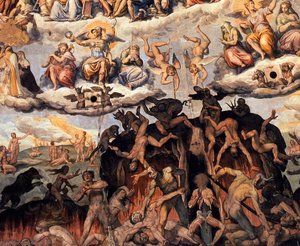
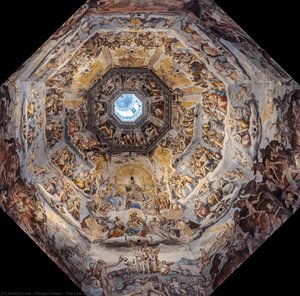
- El Juicio Final (fresco, 1572), en la cúpula de la catedral de Florencia
- La Adoración de los Magos (pintura al óleo, 1566), en la iglesia de Santa Croce, Florencia (más en ArtsDot)
Contribuciones arquitectónicas
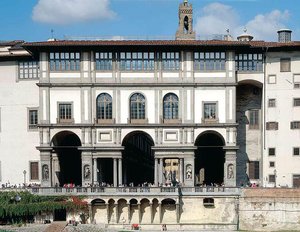
Los logros arquitectónicos de Vasari incluyen:- La logia del Palazzo degli Uffizi, Florencia, que funciona como una plaza pública
- El Corredor de Vasari, que conecta los Uffizi con el Palazzo Pitti en Florencia (explorar en ArtsDot)
- La renovación de iglesias medievales, como Santa Maria Novella y Santa Croce
Legado
Vasari a menudo se le llama "el primer historiador del arte" debido a su libro Vidas de los más excelentes pintores, escultores y arquitectos italianos, que sigue siendo un texto fundamental en la escritura histórico-artística. Murió el 27 de junio de 1574 en Florencia, Gran Ducado de Toscana, a la edad de 62 años. Descubre más sobre la vida y obra de Giorgio Vasari en ArtsDot: Giorgio Vasari | 72 obras de arte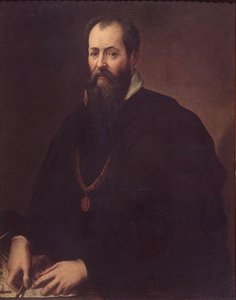
Giorgio Vasari
1511 - 1574 , Italia
Datos clave
- Artistas Que Influyeron:
- Rafael
- Miguel Ángel
- Estilo Artístico: Manierismo
- Fecha De Muerte: 27 de junio de 1574
- Fecha De Nacimiento: 30 de julio de 1511
- Lugar De Nacimiento: Arezzo, Italia
- Nacionalidad: Italiana
- Nombre Completo: Giorgio Vasari
- Obras Notables:
- El taller del pintor
- El Juicio Final
- La Adoración de los Magos
Artículos relacionados

Legado en las Paredes: Frescos Familiares que Trascienden el Tiempo
Descubre el arte del fresco muralístico para inmortalizar tu historia familiar. Expertos en frescos personalizados y técnicas ancestrales. Crea un legado visual único con .

The Enduring Legacy of Fresco Painting: Techniques, History & Contemporary Relevance
Explore the rich history & enduring artistry of fresco painting – from Giotto to Michelangelo! Discover techniques, conservation efforts, & modern applications. Learn how ArtsDot brings this timeless art form to your home.

The Enduring Legacy of Fresco: Technique, History & Artistic Expression Across Cultures
Explore the rich history & enduring legacy of fresco painting! Discover ancient techniques, Giotto's masterpieces, and modern applications. Expert insights for art lovers & professionals.
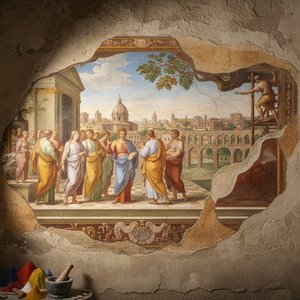
El Fresco a Través de los Siglos: Técnica, Historia y Expresión Artística Duradera
Descubre la historia y técnica del fresco, desde sus orígenes en la antigüedad hasta los maestros renacentistas. Guía completa sobre conservación, restauración y el legado artístico de este arte milenario.

¿El Arte que Habita Contigo: El Poder Emocional de un Fresco Interior Personalizado?
Descubre el poder emocional de un fresco interior personalizado. Expertos en arte te guían para crear una obra única que refleje tu estilo y valore tu hogar. : calidad, confianza y diseño excepcional.