 Enviar
 Compartir
 Detalles

 Descargar
 Similares
 Presentación de diapositivas
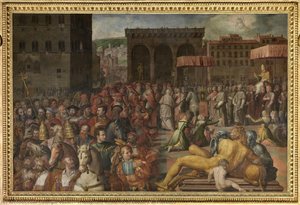
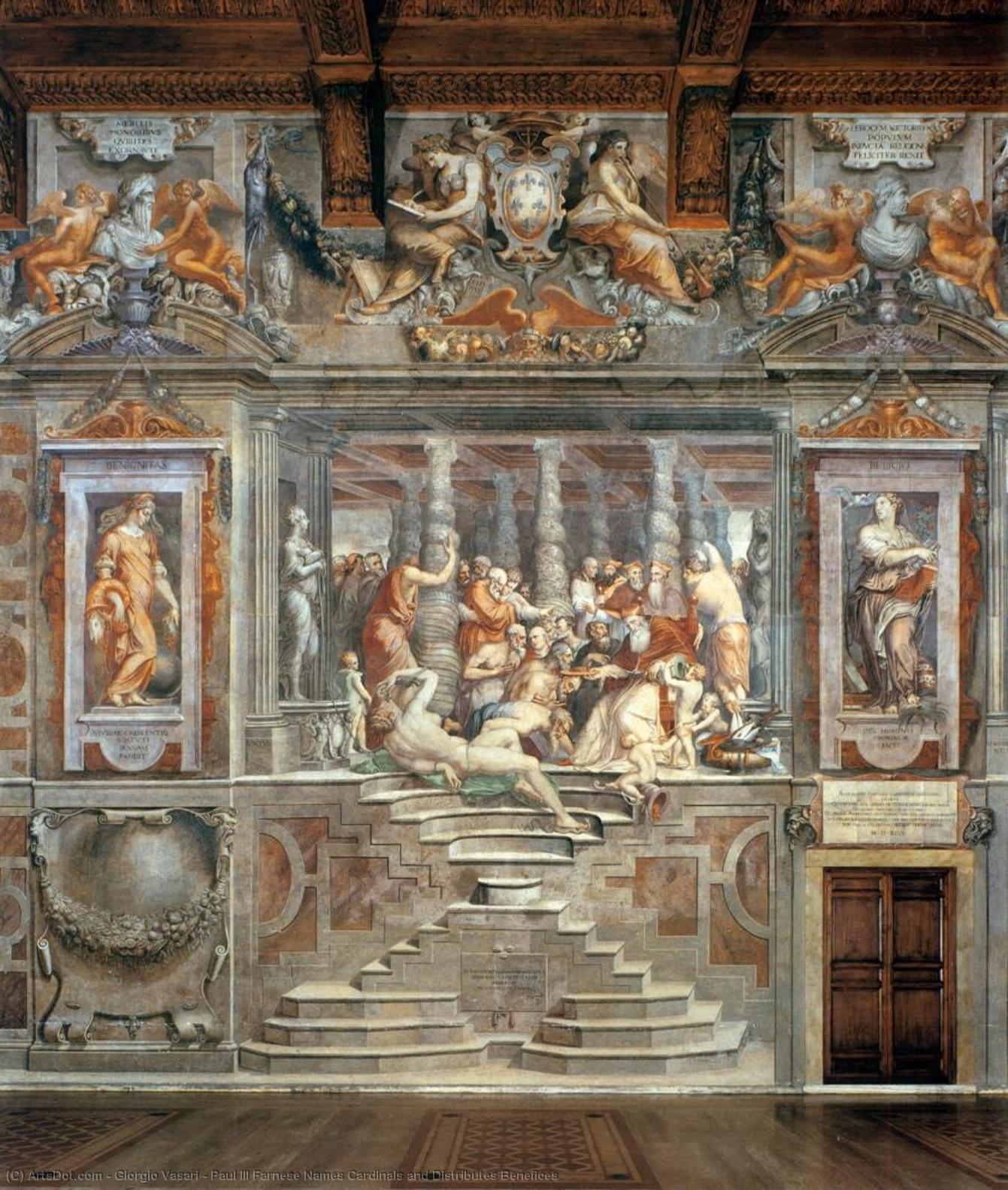
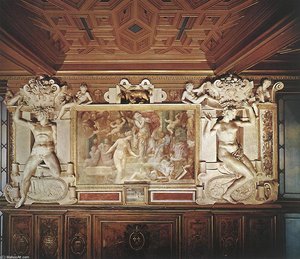
Paul III Farnese Names Cardinals and Distributes Benefices


 Ver más
Reproducción al óleo hecha a mano
Óleo sobre lienzo pintado a mano en el tamaño y marco de su elección, realizado por encargo por nuestros artistas. ( Comprar impresión Comprar imagen)




































Elija entre nuestros tamaños predefinidos que respetan las proporciones originales de la obra.

Puede ingresar sus propias dimensiones para adaptarse a un marco o espacio específico. Si el tamaño seleccionado no coincide con las proporciones de la imagen original, recortaremos la obra o extenderemos la pintura con elementos adicionales pintados a mano. Se le enviará una maqueta digital para su aprobación antes de comenzar la producción.
Tenga en cuenta que la vista previa en pantalla no refleja el recorte o la extensión reales. Solo la maqueta mostrará con precisión la composición final.
Si bien existen tamaños personalizados, recomendamos seleccionar una dimensión de la lista predefinida para preservar las proporciones originales.
Tras realizar el pedido, el equipo de ArtsDot.com enviará un correo electrónico al cliente para solicitar instrucciones y proporcionarle una vista previa del boceto.
Envío a todo el mundo () en 3-4 semanas en lugar de las 5 semanas estándar. (3 septiembre). Sin comprometer la calidad.

Envío exprés gratuito a todo el mundo

Lienzo de lino de alta calidad

Seguro de envío total

Garantía de reembolso de impuestos aduaneros

Garantía de fidelidad cromática exacta

Política de devolución de 60 días (solo por defectos)

Garantía de devolución del 100% del dinero

Descuento por cantidad
 La opción de vidrio solo está disponible en tamaños inferiores a 110 cm.

Paul III Farnese Names Cardinals and Distributes Benefices
Técnica de reproducción
Dimensiones de la reproducción
-


Precio total final
$ 413
A Renaissance Echo of Power and Virtue
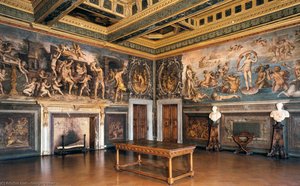
Within the hallowed, quiet halls of the Palazzo della Cancelleria in Rome, there exists a space where history breathes through pigment and plaster. Giorgio Vasari’s monumental fresco, Paul III Farnese Names Cardinals and Distributes Benefices, is far more than a mere ceiling decoration; it is a profound theatrical performance frozen in time. Created in 1546 under the ambitious patronage of Cardinal Alessandro Farnese, this masterpiece serves as a grand proclamation of papal authority and the enduring splendor of Roman civilization. To gaze upon this work is to step into the heart of the High Renaissance, where the boundaries between political reality and mythological legend blur into a single, breathtaking vision of governance and grace.
The composition unfolds with a sophisticated, layered complexity that draws the eye through an imagined architectural expanse. At its very core, Vasari places a central assembly of figures gathered around a table—a deliberate visual anchor representing the weight and solemnity of papal administration. This focal point is not solitary; it is surrounded by a swirling tapestry of smaller vignettes that whisper tales of the Trojan War. By weaving these classical myths into a contemporary scene of ecclesiastical power, Vasari achieves a brilliant synthesis of Christian allegory and Greco-Roman tradition. The result is a narrative landscape where the resilience of ancient heroes mirrors the perceived stability and triumph of the Farnese lineage.
The Mastery of Fresco and Light
The technical execution of this work reveals the disciplined hand of a master. Utilizing the venerable fresco technique, Vasari applied pigments mixed with water directly onto freshly laid, wet plaster. This demanding method requires an artist to work with incredible speed and foresight, as each stroke must be perfectly placed before the surface dries. The consequence of such labor is a luminous, enduring surface that has retained its brilliance for nearly five centuries. The palette is a warm, sophisticated symphony of earthy tones—rich ochres, deep terracottas, and muted reds—interspersed with subtle blues that provide a sense of atmospheric depth.
For the discerning collector or interior designer, this artwork offers an unparalleled sense of grandeur. The use of linear perspective guides the viewer’s gaze toward vanishing points that seem to extend the room itself, creating an illusion of infinite height and architectural majesty. The interplay of light and shadow—achieved through delicate shading on drapery and the idealized forms of human figures—imbue the scene with a palpable volume. It is a work that does not merely sit upon a wall but actively transforms the atmosphere of a space, infusing it with an aura of historical significance and intellectual depth.
A Legacy for the Modern Collector
Beyond its historical importance, Paul III Farnese Names Cardinals and Distributes Benefices resonates emotionally through its celebration of virtue and order. The figures within the fresco embody qualities such as justice, prudence, and fortitude, making the piece a timeless meditation on leadership and character. For those seeking to curate an environment of distinction, a high-quality reproduction of this Vasari masterpiece offers more than just aesthetic beauty; it provides a window into the very soul of the Renaissance.
Whether placed in a formal study, a grand library, or a sophisticated living space, this artwork serves as a conversation piece that bridges the gap between the sixteenth century and the present day. It invites contemplation of the enduring human desire to leave a legacy of beauty and strength, making it an essential acquisition for anyone dedicated to the art of fine decoration and the preservation of cultural heritage.
Obras relacionadas
Biografía del artista
Primeros años y formación
Giorgio Vasari, un renombrado pintor, arquitecto, escritor e historiador italiano, nació el 30 de julio de 1511 en Arezzo, Toscana. Comenzó su viaje artístico como discípulo de Guglielmo da Marsiglia, un hábil pintor de vidrieras. A los dieciséis años, Vasari se unió al círculo de Andrea del Sarto y sus alumnos, Rosso Fiorentino y Jacopo Pontormo, en Florencia.Carrera artística
Las propias pinturas manieristas de Vasari fueron muy admiradas durante su vida. En 1529, visitó Roma, donde estudió las obras de Rafael y otros artistas del Alto Renacimiento romano. Algunas de sus obras notables incluyen:- El taller del pintor (fresco, 1548), ubicado en Casa Vasari, Arezzo, Italia (ver en ArtsDot)
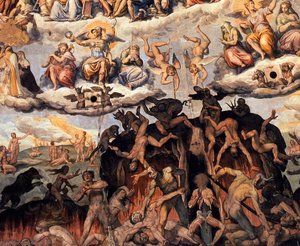
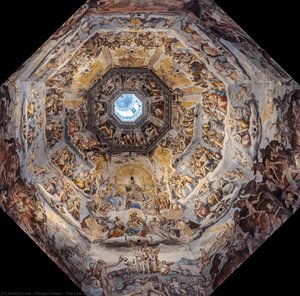
- El Juicio Final (fresco, 1572), en la cúpula de la catedral de Florencia
- La Adoración de los Magos (pintura al óleo, 1566), en la iglesia de Santa Croce, Florencia (más en ArtsDot)
Contribuciones arquitectónicas
Los logros arquitectónicos de Vasari incluyen:- La logia del Palazzo degli Uffizi, Florencia, que funciona como una plaza pública
- El Corredor de Vasari, que conecta los Uffizi con el Palazzo Pitti en Florencia (explorar en ArtsDot)
- La renovación de iglesias medievales, como Santa Maria Novella y Santa Croce
Legado
Vasari a menudo se le llama "el primer historiador del arte" debido a su libro Vidas de los más excelentes pintores, escultores y arquitectos italianos, que sigue siendo un texto fundamental en la escritura histórico-artística. Murió el 27 de junio de 1574 en Florencia, Gran Ducado de Toscana, a la edad de 62 años. Descubre más sobre la vida y obra de Giorgio Vasari en ArtsDot: Giorgio Vasari | 72 obras de arte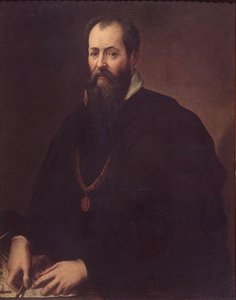
Giorgio Vasari
1511 - 1574 , Italia
Datos clave
- Artistas Que Influyeron:
- Rafael
- Miguel Ángel
- Estilo Artístico: Manierismo
- Fecha De Muerte: 27 de junio de 1574
- Fecha De Nacimiento: 30 de julio de 1511
- Lugar De Nacimiento: Arezzo, Italia
- Nacionalidad: Italiana
- Nombre Completo: Giorgio Vasari
- Obras Notables:
- El taller del pintor
- El Juicio Final
- La Adoración de los Magos
Artículos relacionados

Legado en las Paredes: Frescos Familiares que Trascienden el Tiempo
Descubre el arte del fresco muralístico para inmortalizar tu historia familiar. Expertos en frescos personalizados y técnicas ancestrales. Crea un legado visual único con .

The Enduring Legacy of Fresco Painting: Techniques, History & Contemporary Relevance
Explore the rich history & enduring artistry of fresco painting – from Giotto to Michelangelo! Discover techniques, conservation efforts, & modern applications. Learn how ArtsDot brings this timeless art form to your home.

The Enduring Legacy of Fresco: Technique, History & Artistic Expression Across Cultures
Explore the rich history & enduring legacy of fresco painting! Discover ancient techniques, Giotto's masterpieces, and modern applications. Expert insights for art lovers & professionals.
El Fresco a Través de los Siglos: Técnica, Historia y Expresión Artística Duradera
Descubre la historia y técnica del fresco, desde sus orígenes en la antigüedad hasta los maestros renacentistas. Guía completa sobre conservación, restauración y el legado artístico de este arte milenario.

¿El Arte que Habita Contigo: El Poder Emocional de un Fresco Interior Personalizado?
Descubre el poder emocional de un fresco interior personalizado. Expertos en arte te guían para crear una obra única que refleje tu estilo y valore tu hogar. : calidad, confianza y diseño excepcional.