 Enviar
 Compartir
 Detalles

 Descargar
 Similares
 Presentación de diapositivas
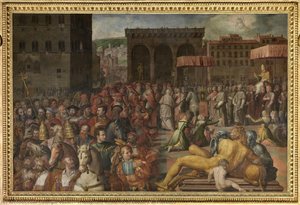
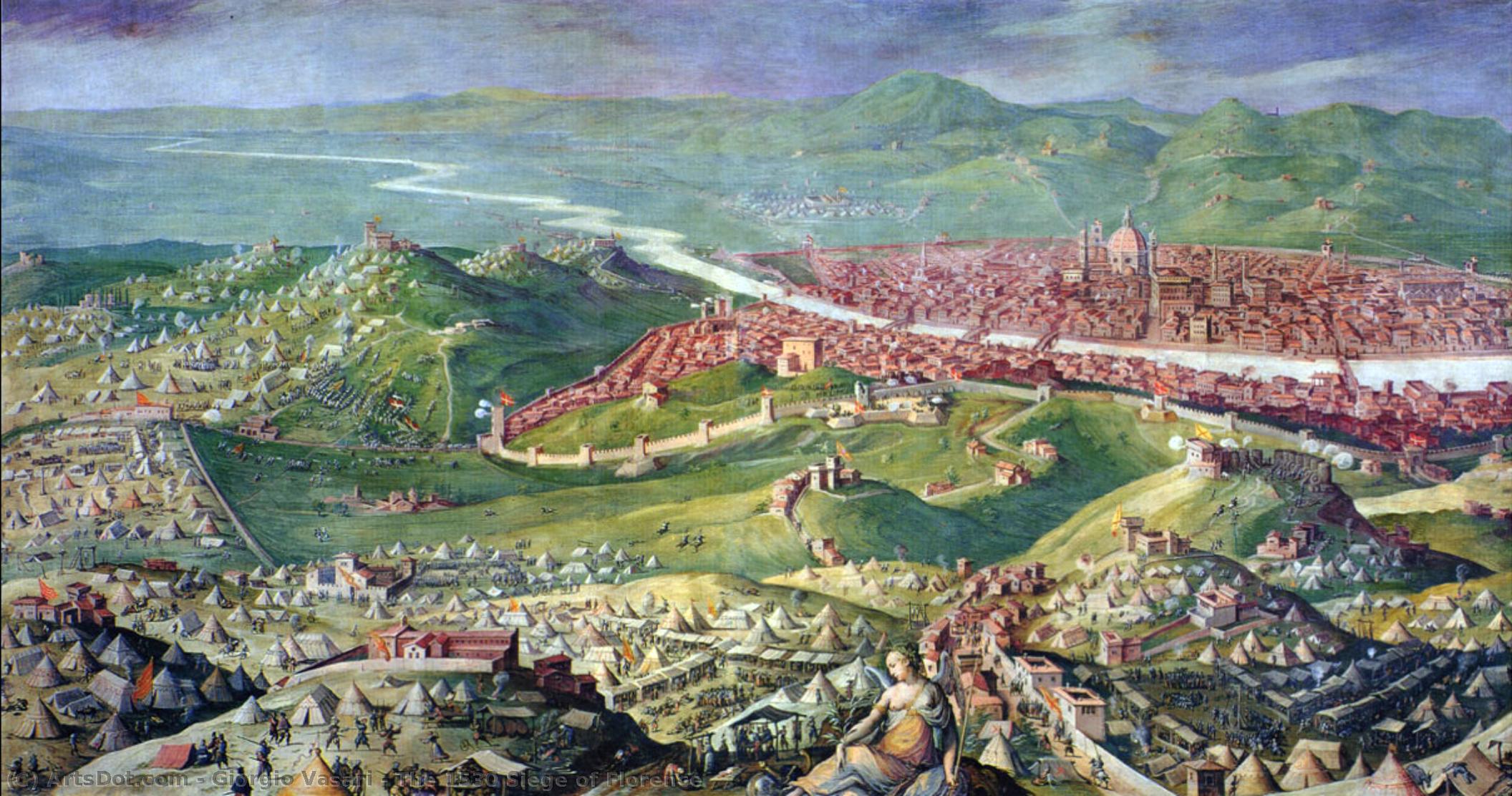
The 1530 Siege of Florence


 Ver más
Giclée / Impresión de arte
Impresiones giclée o en lienzo de calidad de museo con producción rápida y opciones de acabado flexibles. ( Comprar pintura hecha a mano Comprar imagen)




































Elija entre nuestros tamaños predefinidos que respetan las proporciones originales de la obra.

Puede introducir sus propias dimensiones para adaptarse a un marco o espacio específico. Si el tamaño seleccionado no coincide con las proporciones de la imagen original, recortaremos la obra de arte o extenderemos la imagen con un borde con efecto espejo o de color sólido. Se enviará una maqueta digital para su aprobación antes de que comience la producción.
Tenga en cuenta que la vista previa en pantalla no refleja el recorte o la extensión real. Solo la maqueta mostrará con precisión la composición final.
Aunque existen tamaños personalizados, recomendamos seleccionar una dimensión de la lista predefinida para preservar las proporciones originales.
Envío a todo el mundo () en 2 semanas en lugar de las 4/5 semanas estándar. (24 agosto)

Envío exprés gratuito a todo el mundo

Lienzo de lino de alta calidad

Seguro de envío total

Garantía de reembolso de impuestos aduaneros

Garantía de fidelidad cromática exacta

Política de devolución de 60 días (solo por defectos)

Garantía de devolución del 100% del dinero

Descuento por cantidad
 La opción de vidrio solo está disponible en tamaños inferiores a 110 cm.

The 1530 Siege of Florence
Giclée / Impresión de arte
Dimensiones de la reproducción
-


Precio total final
$ 62
Descripción de la pieza
A Panoramic Chronicle of Conflict and Resilience
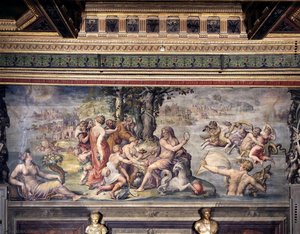
In the heart of the Palazzo Vecchio, amidst the grandeur of Florentine history, Giorgio Vasari’s The 1530 Siege of Florence unfolds as a breathtaking masterwork of narrative fresco painting. Created in 1558, this monumental work transcends mere documentation, offering a cinematic window into one of the most tumultuous periods of the Italian Renaissance. As the eye wanders across the vast expanse of the cityscape, one is immediately struck by the sheer scale of Vasari’s vision. The artist does not merely paint a battle; he constructs an entire world where the fortified walls of Florence stand as silent witnesses to the encroaching forces of war. Through his masterful use of perspective, the viewer is granted a bird's-eye view that captures the rhythmic flow of the River Arno, dotted with activity, and the distant, majestic mountains that frame the drama in a state of eternal, stoic permanence.
The composition is a sophisticated dance of light and shadow, characteristic of the Mannerist evolution within the Renaissance. Vasari employs a rich, earthy palette that grounds the scene in reality, yet he infuses it with a vibrant energy through the strategic placement of flags, banners, and the glint of steel from weapons and armor. Each element—from the smoke rising above damaged buildings to the tiny, determined figures of soldiers and citizens—contributes to a sense of mounting tension. The technique is nothing short of extraordinary; the artist utilizes light not just to illuminate the scene, but to direct the emotional journey of the observer, guiding the gaze from the chaotic skirmishes near the city gates toward the serene, almost haunting beauty of the Tuscan landscape in the background.
The Artistry of History and Interior Elegance
For the discerning collector or interior designer, a reproduction of this fresco offers more than just visual splendor; it provides a profound sense of historical gravity and intellectual depth. Vasari, often celebrated as the father of art history through his Lives of the Artists, brings his unique scholarly perspective to this canvas. He understands how to weave symbolism into the fabric of a landscape—where a torn banner or a broken wall serves as a poignant metaphor for the fragility of political power and the resilience of the human spirit. This piece is an ideal centerpiece for spaces that demand a conversation starter, such as a formal study, a grand library, or a sophisticated dining hall where the themes of heritage and endurance can be celebrated.
Integrating such a detailed and historically significant work into a modern or classical interior allows for a layering of textures and stories. The intricate details of the architecture and the atmospheric depth of the mountains provide a sense of "visual breathing room," making it an excellent choice for large-scale wall decor that seeks to expand the perceived boundaries of a room. Owning a high-quality reproduction of this masterpiece is an invitation to live surrounded by the triumphs and tragedies of the Renaissance, bringing the timeless elegance of the Palazzo Vecchio into the contemporary home.
Obras relacionadas

Biografía del artista
Primeros años y formación
Giorgio Vasari, un renombrado pintor, arquitecto, escritor e historiador italiano, nació el 30 de julio de 1511 en Arezzo, Toscana. Comenzó su viaje artístico como discípulo de Guglielmo da Marsiglia, un hábil pintor de vidrieras. A los dieciséis años, Vasari se unió al círculo de Andrea del Sarto y sus alumnos, Rosso Fiorentino y Jacopo Pontormo, en Florencia.Carrera artística
Las propias pinturas manieristas de Vasari fueron muy admiradas durante su vida. En 1529, visitó Roma, donde estudió las obras de Rafael y otros artistas del Alto Renacimiento romano. Algunas de sus obras notables incluyen:- El taller del pintor (fresco, 1548), ubicado en Casa Vasari, Arezzo, Italia (ver en ArtsDot)
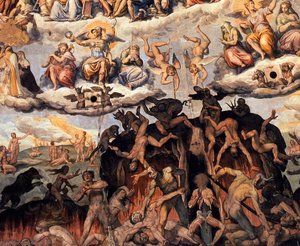
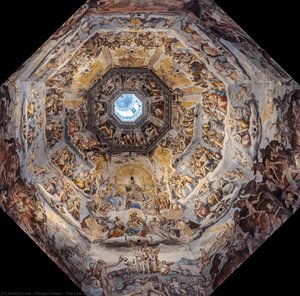
- El Juicio Final (fresco, 1572), en la cúpula de la catedral de Florencia
- La Adoración de los Magos (pintura al óleo, 1566), en la iglesia de Santa Croce, Florencia (más en ArtsDot)
Contribuciones arquitectónicas
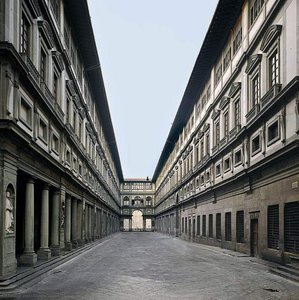
Los logros arquitectónicos de Vasari incluyen:- La logia del Palazzo degli Uffizi, Florencia, que funciona como una plaza pública
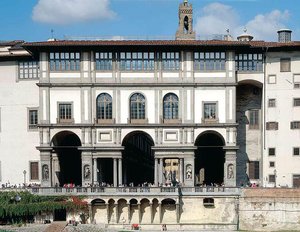
- El Corredor de Vasari, que conecta los Uffizi con el Palazzo Pitti en Florencia (explorar en ArtsDot)
- La renovación de iglesias medievales, como Santa Maria Novella y Santa Croce
Legado
Vasari a menudo se le llama "el primer historiador del arte" debido a su libro Vidas de los más excelentes pintores, escultores y arquitectos italianos, que sigue siendo un texto fundamental en la escritura histórico-artística. Murió el 27 de junio de 1574 en Florencia, Gran Ducado de Toscana, a la edad de 62 años. Descubre más sobre la vida y obra de Giorgio Vasari en ArtsDot: Giorgio Vasari | 72 obras de arte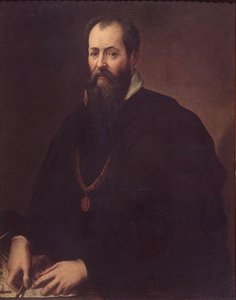
Giorgio Vasari
1511 - 1574 , Italia
Datos clave
- Artistas Que Influyeron:
- Rafael
- Miguel Ángel
- Estilo Artístico: Manierismo
- Fecha De Muerte: 27 de junio de 1574
- Fecha De Nacimiento: 30 de julio de 1511
- Lugar De Nacimiento: Arezzo, Italia
- Nacionalidad: Italiana
- Nombre Completo: Giorgio Vasari
- Obras Notables:
- El taller del pintor
- El Juicio Final
- La Adoración de los Magos
Artículos relacionados

Legado en las Paredes: Frescos Familiares que Trascienden el Tiempo
Descubre el arte del fresco muralístico para inmortalizar tu historia familiar. Expertos en frescos personalizados y técnicas ancestrales. Crea un legado visual único con .

The Enduring Legacy of Fresco Painting: Techniques, History & Contemporary Relevance
Explore the rich history & enduring artistry of fresco painting – from Giotto to Michelangelo! Discover techniques, conservation efforts, & modern applications. Learn how ArtsDot brings this timeless art form to your home.

The Enduring Legacy of Fresco: Technique, History & Artistic Expression Across Cultures
Explore the rich history & enduring legacy of fresco painting! Discover ancient techniques, Giotto's masterpieces, and modern applications. Expert insights for art lovers & professionals.

¿El Arte que Habita Contigo: El Poder Emocional de un Fresco Interior Personalizado?
Descubre el poder emocional de un fresco interior personalizado. Expertos en arte te guían para crear una obra única que refleje tu estilo y valore tu hogar. : calidad, confianza y diseño excepcional.
El Fresco a Través de los Siglos: Técnica, Historia y Expresión Artística Duradera
Descubre la historia y técnica del fresco, desde sus orígenes en la antigüedad hasta los maestros renacentistas. Guía completa sobre conservación, restauración y el legado artístico de este arte milenario.