 Ver en contexto
 Enviar
 Compartir
 Detalles

 Descargar
 Similares
 Radiografía
 Presentación de diapositivas
The Madonna and Child
 Óleo sobre lienzo
- Arte de pared
- Renaissance Baroque
 Renacimiento
 82.0 x 58.0 cm
 Museo de Arte Kimbell
 Ver más
Giclée / Impresión de arte
Impresiones giclée o en lienzo de calidad de museo con producción rápida y opciones de acabado flexibles. ( Comprar pintura hecha a mano Comprar imagen)




P118B $10

P118H $10

P118W $10

P438Z $10

P508JH $12

P508YH $12

P805H $10

P805Z $10

P919BZ $10

P919G $10

P919XJ $10

P959ZH $10

P968JZ $12

W106C $8

W218G $10

W218JH $8

W218Y $10

W307PJ $10

W316G $10

W316PJ $8

W316Y $10

W398PJ $8

W4111J $10

W500HY $15

W500JH $15

W692G $12

W849H $8

W940BG $15

W953PJ $8




Elija entre nuestros tamaños predefinidos que respetan las proporciones originales de la obra.

Puede introducir sus propias dimensiones para adaptarse a un marco o espacio específico. Si el tamaño seleccionado no coincide con las proporciones de la imagen original, recortaremos la obra de arte o extenderemos la imagen con un borde con efecto espejo o de color sólido. Se enviará una maqueta digital para su aprobación antes de que comience la producción.
Tenga en cuenta que la vista previa en pantalla no refleja el recorte o la extensión real. Solo la maqueta mostrará con precisión la composición final.
Aunque existen tamaños personalizados, recomendamos seleccionar una dimensión de la lista predefinida para preservar las proporciones originales.
Envío a todo el mundo () en 2 semanas en lugar de las 4/5 semanas estándar. (23 agosto)

Envío exprés gratuito a todo el mundo

Lienzo de lino de alta calidad

Seguro de envío total

Garantía de reembolso de impuestos aduaneros

Garantía de fidelidad cromática exacta

Política de devolución de 60 días (solo por defectos)

Garantía de devolución del 100% del dinero

Descuento por cantidad
 La opción de vidrio solo está disponible en tamaños inferiores a 110 cm.

The Madonna and Child
Giclée / Impresión de arte
Dimensiones de la reproducción
-


Precio total final
$ 62
Descripción de la pieza
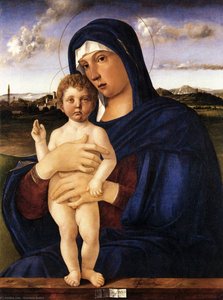
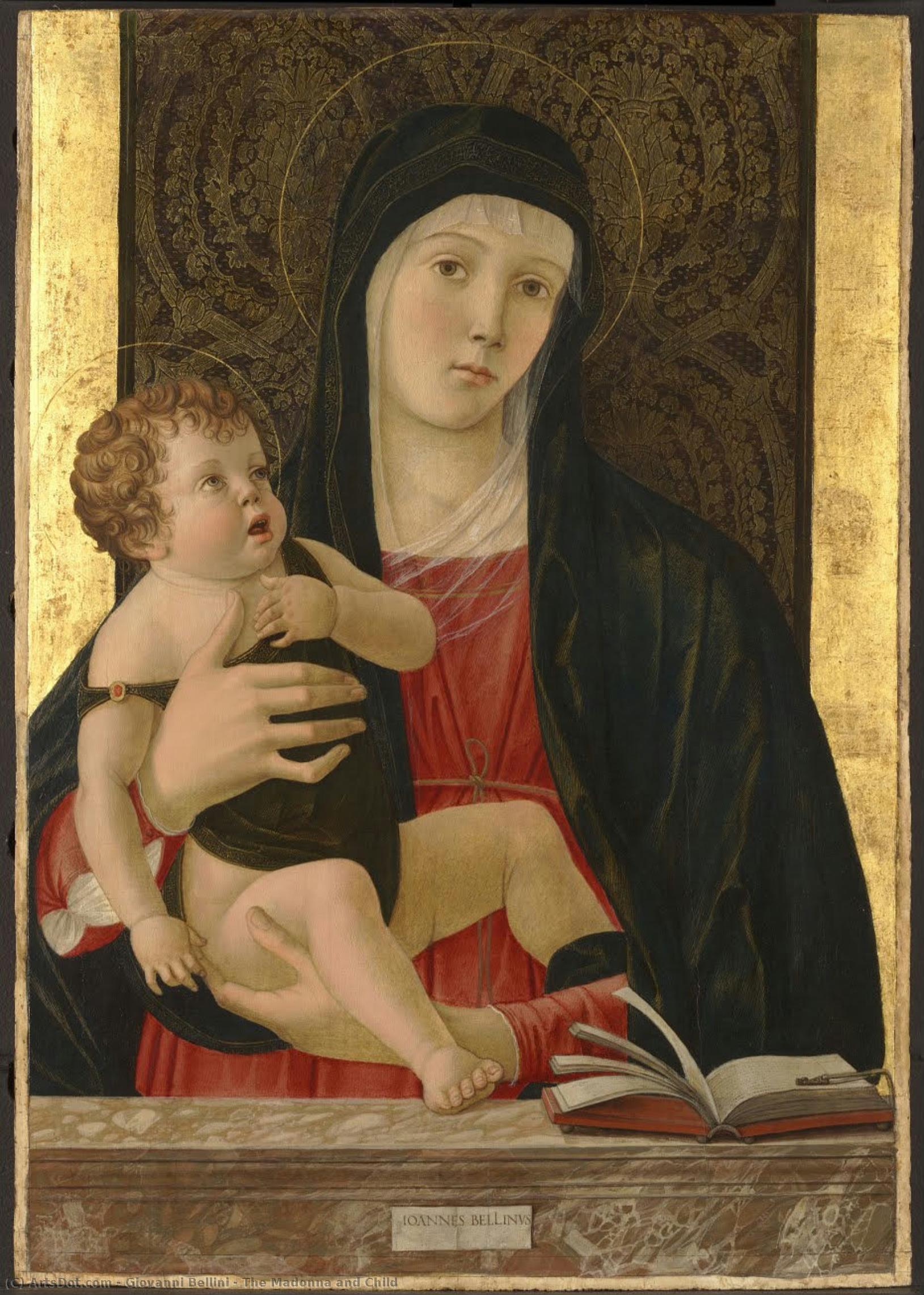
Giovanni Bellini’s Madonna and Child: A Venetian Icon of Faith
Giovanni Bellini's "Madonna and Child," painted around 1460, stands as an enduring testament to the artistic fervor of Venice during its Renaissance zenith. More than just a depiction of Mary cradling her son Jesus, it embodies profound theological symbolism and masterful execution—elements that continue to captivate audiences centuries later. Produced in Bellini’s workshop, this half-length portrait exemplifies the Venetian tradition's preoccupation with idealized beauty and spiritual contemplation.Style and Technique: Mastering Chiaroscuro
Bellini’s technique is characterized by a remarkable command of *chiaroscuro*, the dramatic interplay between light and shadow—a hallmark of Renaissance painting that elevates the image beyond mere representation. He achieves this luminous effect through meticulous layering of thin glazes, allowing subtle gradations of color to emerge from beneath the surface. This painstaking process imbues the Madonna’s figure with an ethereal glow, highlighting her serene countenance and conveying a sense of divine grace. The artist skillfully renders textures—the velvety folds of Mary's robe, the smooth marble parapet—creating a palpable illusion of depth and realism.Historical Context: Venice at the Crossroads
Venice in the mid-15th century was experiencing an unprecedented period of artistic innovation, fueled by burgeoning trade routes and papal patronage. Bellini’s work reflects this cultural dynamism, drawing inspiration from Byzantine iconographic conventions while simultaneously embracing humanist ideals championed by artists like Leonardo da Vinci. The parapet upon which Mary stands is deliberately reminiscent of both Christ's tomb—a symbol of sacrifice and resurrection—and the altar where Eucharistic communion is celebrated, underscoring the central theological message of the painting: Mary’s unwavering devotion embodies the promise of salvation.Symbolism: Layers of Meaning
The composition overflows with symbolic significance. The pomegranate brocaded on the cloth of honor represents the Resurrection – a visual allusion to Christ's triumphant return and the renewal of life after death. Bellini’s deliberate inclusion of the cartellino bearing his name serves as an affirmation of artistic identity and personal piety, reflecting the artist’s deep faith. Furthermore, Mary’s gaze directs towards the viewer—a gesture intended to engage the worshiper emotionally and invite contemplation on the divine mystery. The careful preservation of Christ Child's head and book reinforces the image's spiritual core, symbolizing innocence and knowledge – elements crucial to Christian theology.Emotional Impact: Serenity and Devotion
Ultimately, “Madonna and Child” transcends mere visual beauty; it evokes a profound sense of serenity and devotion. Bellini’s portrayal captures the essence of maternal tenderness—Mary’s gentle expression conveying acceptance and unwavering faith in God's plan. The painting speaks to viewers across time periods, reminding us of the enduring power of art to inspire contemplation on matters of faith and spirituality. Its timeless appeal ensures that Giovanni Bellini’s masterpiece continues to resonate with audiences worldwide.Obras relacionadas
Biografía del artista
Primeros años y carrera
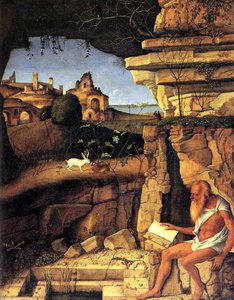
Giovanni Bellini, un destacado pintor del Renacimiento veneciano, nació alrededor de 1433 en Venecia. Fue criado en el hogar de Jacopo Bellini, que antes se creía su padre, pero ahora se considera su hermano mayor. Las primeras obras de Giovanni se caracterizan por una profunda religiosidad y un sentimiento humano, como se ve en su pintura *San Jerónimo en el desierto* (ahora en la Galería Nacional, Londres).Ascenso a la prominencia
El estilo artístico de Giovanni evolucionó con el tiempo, y finalmente se hizo conocido por sus colores suntuosos y paisajes atmosféricos fluidos. Su obra tuvo un impacto significativo en la escuela veneciana de pintura, particularmente en sus alumnos Giorgione y Tiziano. Giovanni recibió su primer nombramiento para trabajar junto a su hermano Gentile Bellini y otros artistas en la Scuola di San Marco en 1470.Obras notables y legado
- *La Transfiguración* (ahora en el Museo de Capodimonte de Nápoles) muestra el estilo maduro de Giovanni, con un espíritu sereno y poderes maduros.
- *La Coronación de la Virgen* (en Pesaro) demuestra su esfuerzo temprano en una forma de arte previamente dominada por la escuela rival de los Vivarini.
- Las funciones de Giovanni como conservador de las pinturas en el gran salón del Palacio Ducal (1479-1480) consolidaron aún más su reputación como maestro pintor.
Estilo artístico e influencia
El uso de Giovanni de pinturas al óleo claras y de secado lento creó tonos profundos y ricos y sombreados detallados, revolucionando la pintura veneciana. Su obra puede caracterizarse por:-
Estilo sensorial y colorista
- Colores suntuosos y paisajes atmosféricos fluidos
- Influencia en la escuela de pintura veneciana y sus alumnos Giorgione y Tiziano
Referencias
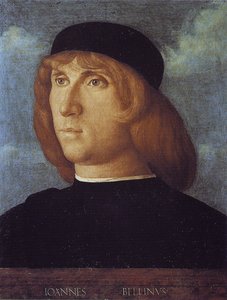
Giovanni Bellini
1433 - 1516 , Italia
Datos clave
- Artistas Influenciados:
- Giorgione
- Tiziano
- Artistas Que Influyeron:
- Jacopo Bellini
- Gentile Bellini
- Fecha De Nacimiento: c. 1433
- Lugar De Nacimiento: Venecia, Italia
- Movimiento Artístico: Renacimiento veneciano
- Nacionalidad: Italiana
- Nombre Completo: Giovanni Bellini
- Obras Notables:
- Transfiguración
- Coronación de la Virgen
- San Sebastián
- Madonna degli Alberetti
- Cristo Muerto Apoyado por Ángeles
Artículos relacionados

Giclée Prints: Archival Quality & Aesthetic Nuances for the Discerning Collector
Explore the world of giclée prints with ArtsDot. Learn about archival quality, aesthetic nuances & investment potential. Expert guidance for discerning art collectors seeking museum-quality reproductions and lasting value.

Jacopo Tintoretto: Las 25 Obras Maestras del Genio Veneciano | Arte y Decoración en ArtsDot
Descubre las 25 obras maestras de Jacopo Tintoretto, el genio veneciano del Renacimiento. Explora su arte dramático, composiciones innovadoras y paleta vibrante. Reproducciones de alta calidad en ArtsDot.com para transformar tu hogar.

The Enduring Legacy of Fine Art Prints: Technique, History & Aesthetic Impact
Explore the rich history & techniques of fine art prints. Discover investment potential, assess authenticity, and learn how to preserve your collection with expert guidance. Trusted insights for discerning collectors.

Echoes of Time: Exploring the Enduring Appeal & Historical Context of Vintage Art Prints
Explore the captivating world of vintage art prints! Discover their history, collecting tips & enduring appeal. Expert insights on chromolithography and building a legacy collection with ArtsDot.

Rafael: Las 25 Obras Maestras que Definen al Genio del Renacimiento | ArtsDot
Descubre las 25 obras maestras de Rafael Sanzio, el genio del Renacimiento. Explora su historia, técnica y significado en pinturas icónicas como 'La Escuela de Atenas'. Reproducciones de arte de alta calidad para decorar tu hogar con elegancia. ¡Explora la colección completa en ArtsDot.com!