 Vista previa
 Compartir
 Compartir
 Ver detalles

 Descargar
 Ver similares
 Radiografía
 Presentación de diapositivas
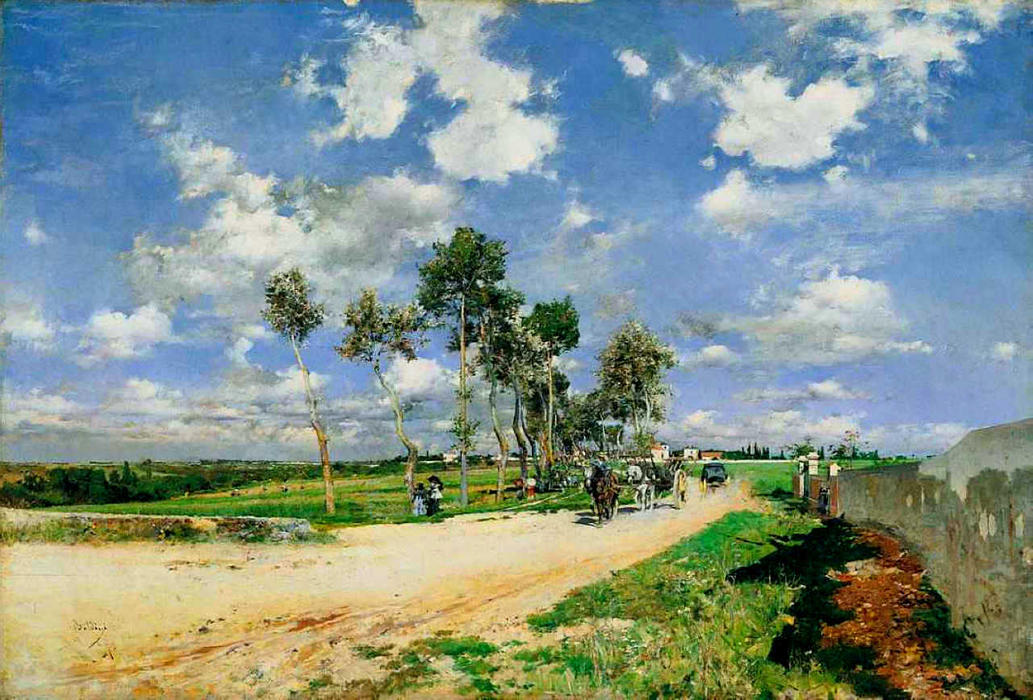
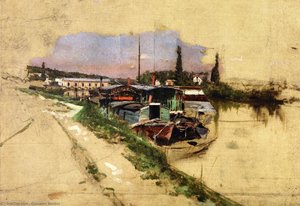
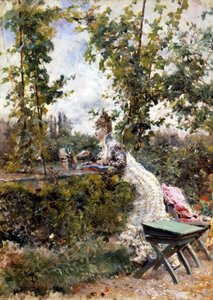
The Great Road in the Villas Combes


 Leer más
Reproducción al óleo hecha a mano
Óleo sobre lienzo pintado a mano en el tamaño y marco de su elección, realizado por encargo por nuestros artistas. ( Pedir impresión Comprar descarga)




P118B $10

P118H $10

P118W $10

P438Z $10

P508JH $12

P508YH $12

P805H $10

P805Z $10

P919BZ $10

P919G $10

P919XJ $10

P959ZH $10

P968JZ $12

W106C $8

W218G $10

W218JH $8

W218Y $10

W307PJ $10

W316G $10

W316PJ $8

W316Y $10

W398PJ $8

W4111J $10

W500HY $15

W500JH $15

W692G $12

W849H $8

W940BG $15

W953PJ $8




Elija entre nuestros tamaños predefinidos que respetan las proporciones originales de la obra.

Puede ingresar sus propias dimensiones para adaptarse a un marco o espacio específico. Si el tamaño seleccionado no coincide con las proporciones de la imagen original, recortaremos la obra o extenderemos la pintura con elementos adicionales pintados a mano. Se le enviará una maqueta digital para su aprobación antes de comenzar la producción.
Tenga en cuenta que la vista previa en pantalla no refleja el recorte o la extensión reales. Solo la maqueta mostrará con precisión la composición final.
Si bien existen tamaños personalizados, recomendamos seleccionar una dimensión de la lista predefinida para preservar las proporciones originales.
Tras realizar el pedido, el equipo de ArtsDot.com enviará un correo electrónico al cliente para solicitar instrucciones y proporcionarle una vista previa del boceto.
Envío a todo el mundo () en 3-4 semanas en lugar de las 5 semanas estándar. (21 agosto). Sin comprometer la calidad.

Envío exprés gratuito a todo el mundo

Lienzo de lino de alta calidad

Seguro de envío completo

Garantía de reembolso de aranceles aduaneros

Garantía de fidelidad cromática exacta

Política de devolución de 60 días (solo por defectos)

Garantía de devolución del 100% del dinero

Oferta por volumen
 La opción de vidrio solo está disponible en tamaños inferiores a 110 cm.

The Great Road in the Villas Combes
Técnica de reproducción
Tamaño de la reproducción
-


Precio total
$ 263
Descripción de la obra
The Great Road in the Villas Combes: A Parisian Pastoral
Giovanni Boldini’s “The Great Road in the Villas Combes,” painted in 1873, isn't merely a landscape; it’s a meticulously crafted tableau of rural tranquility imbued with the subtle elegance characteristic of the artist. The scene unfolds along a broad, dusty road winding through a verdant countryside dotted with villas – the eponymous “Villas Combes” – nestled amongst rolling hills and scattered trees. It’s a vision of idyllic French life, captured with Boldini's signature blend of realism and refined observation, reflecting his time as one of Paris’s most sought-after portraitists while simultaneously embracing the burgeoning interest in capturing the beauty of the natural world. The painting immediately draws the eye with its harmonious composition – a carefully balanced arrangement of figures, trees, and distant hills that creates a sense of depth and spaciousness.A Masterclass in Technique and Light
Boldini’s brushwork is remarkably fluid and dynamic, a hallmark of his style. He employs loose, expressive strokes to depict the foliage, capturing the dappled sunlight filtering through the leaves with an almost impressionistic sensitivity. Notice how he uses subtle variations in tone – delicate washes of green and brown – to suggest texture and volume. The road itself isn’t rendered with sharp detail; instead, Boldini utilizes a broken brushstroke technique to convey its dusty surface and unevenness, lending it a sense of movement as if inviting the viewer to step into the scene. The figures are painted with a remarkable degree of realism, yet they possess an ethereal quality, almost dreamlike in their placement and interaction with the landscape. Boldini’s ability to capture fleeting moments of light and shadow is particularly evident in the way he depicts the distant hills, which seem to dissolve into the hazy atmosphere.Figures Amidst a Pastoral Setting
The painting's interest lies not just in its picturesque setting but also in the small group of figures traversing the road. A horse-drawn carriage dominates the foreground, carrying what appears to be a family or party of travelers – their faces partially obscured, adding an element of mystery and inviting speculation about their destination. Scattered along the roadside are several individuals, some walking leisurely, others engaged in conversation, creating a sense of everyday life unfolding amidst this idyllic landscape. These figures aren’t simply decorative elements; they serve to anchor the scene in reality and provide a human scale to the vastness of the countryside. The inclusion of animals – horses and a dog – further reinforces the connection between humanity and nature.Symbolism and the Belle Époque
“The Great Road in the Villas Combes” is more than just a pretty picture; it’s a window into the spirit of the late 19th century, specifically the Belle Époque. The scene evokes a sense of leisure, prosperity, and connection to nature – values that were highly prized during this period of relative peace and optimism in Europe. Boldini's choice of subject matter—a rural road leading to charming villas—reflects the growing trend among Parisian artists and intellectuals to escape the city’s bustle and seek inspiration in the countryside. The painting can be interpreted as a celebration of the pleasures of country life, a retreat from the pressures of urban existence. Furthermore, Boldini's meticulous attention to detail and his refined aesthetic sensibilities align with the broader artistic currents of the time, including the influence of the Macchiaioli movement, which emphasized spontaneity and direct observation of nature.A Timeless Vision of Tranquility
“The Great Road in the Villas Combes” remains a captivating work of art due to its harmonious composition, masterful technique, and evocative atmosphere. It’s a testament to Boldini's artistic skill and his ability to capture the beauty of the natural world with both precision and grace. Whether viewed as a historical document or simply as a visually stunning painting, it offers a glimpse into a bygone era—a time when life moved at a slower pace and the simple pleasures of nature were deeply valued. Reproductions of this piece offer an opportunity to bring this serene vision into any space, evoking feelings of tranquility and connection to the beauty of the French countryside.Obras relacionadas
Biografía del artista
Primeros años y formación
Giovanni Boldini, pintor italiano de género y retratos, nació el 31 de diciembre de 1842 en Ferrara, Italia. Su padre, un pintor de temas religiosos, fomentó su temprano interés por el arte. En 1862, Boldini se trasladó a Florencia durante seis años para estudiar y dedicarse a la pintura, donde conoció a los macchiaioli, un grupo de pintores realistas italianos que fueron precursores del impresionismo.Carrera artística
El estilo artístico de Boldini se caracterizó por su respuesta fluida y espontánea a la naturaleza, como se ve en sus paisajes. Sin embargo, fueron sus retratos los que le valieron un amplio reconocimiento. Se hizo conocido como el "maestro del trazo", un título acuñado por Time Magazine en 1933.Obras notables y exposiciones
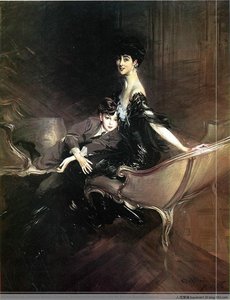
- El retrato de Giovanni Boldini de la condesa de Rasty recostada (impresionismo) es un ejemplo notable de su obra, que muestra su capacidad para capturar la esencia de sus sujetos.
- En 1897, tuvo una exposición individual en Nueva York, lo que consolidó aún más su reputación como retratista.
- Participó en la Bienal de Venecia en 1895, 1903, 1905 y 1912, demostrando su compromiso con el mundo del arte.
Influencias y desarrollo artístico
Boldini inicialmente se formó bajo la influencia de los macchiaioli, adoptando sus técnicas realistas y su enfoque en la observación directa de la naturaleza. Sin embargo, a medida que evolucionaba su carrera, desarrolló un estilo más libre y expresivo, influenciado por el impresionismo y el arte japonés. Su habilidad para capturar el movimiento y la luz se convirtió en una característica distintiva de sus retratos, especialmente aquellos realizados durante su período parisino.Legado e importancia histórica
Giovanni Boldini falleció el 11 de julio de 1931 en París, dejando atrás un legado como uno de los pintores de retratos más elegantes de su tiempo. Su obra continúa inspirando a artistas y entusiastas del arte por igual.- Explore más obras de Giovanni Boldini en [https://ArtsDot.com/@/giovanni-boldini].
- Descubra el Museo Giovanni Boldini (Italia) y su importancia en el arte italiano en [https://ArtsDot.com/@@/a@d3astr-museo-giovanni-boldini-(italy)-a-hidden-gem-of-italian-art].
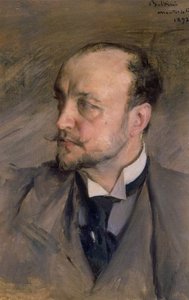
Giovanni Boldini
1842 - 1931 , Italia
Datos clave
- Artistas Influyentes: ['Macchiaioli']
- Estilo Artístico: Impresionismo, Realismo
- Fecha De Fallecimiento: 11 de julio de 1931
- Fecha De Nacimiento: 31 de diciembre de 1842
- Lugar De Nacimiento: Ferrara, Italia
- Nacionalidad: Italiana
- Nombre Completo: Giovanni Boldini
- Obras Notables: ['La condesa de Rasty reclinada']
Artículos relacionados

John Constable: Las 25 Obras Maestras del Paisaje Inglés | ArtsDot
Descubre las 25 obras maestras de John Constable, el pintor romántico inglés que capturó la belleza del paisaje. Explora su técnica, historia y significado en ArtsDot.com. Reproducciones de arte de alta calidad para tu hogar.

Paisajes Románticos: 10 Obras Maestras que Definieron un Movimiento Artístico
Descubre los 10 paisajes románticos más influyentes de artistas como Caspar David Friedrich y Turner. Explora la belleza, el simbolismo y las técnicas del movimiento romántico. Reproducciones de arte exclusivas en ArtsDot.com.
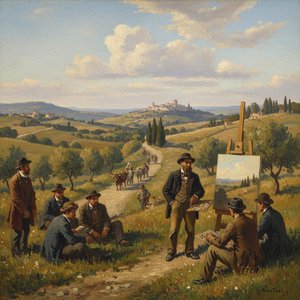
Giovanni Fattori: Realism, Identity & the Tuscan Landscape – A Macchiaioli Master
Explore the life & art of Giovanni Fattori, a leading figure of the Macchiaioli movement. Discover his revolutionary realism, captivating Tuscan landscapes, and lasting impact on Italian painting. Learn more at ArtsDot.

Evocations of Place: A Historical Journey Through Landscape Art
Explore the rich history of landscape art with ArtsDot. Discover renowned artists, movements like Impressionism & Romanticism, and expert guidance for collecting timeless pieces. Find your perfect serene escape today!
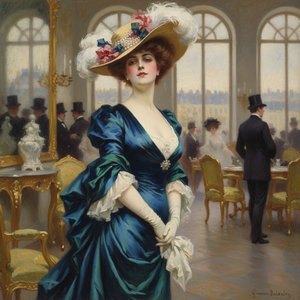
Giovanni Boldini: A Study in Belle Époque Portraiture & the Cult of Personality
Explore the captivating world of Giovanni Boldini, master of Belle Époque portraiture. Discover his signature style, iconic works like 'Miss Bell,' and lasting influence on art history. Expert analysis for collectors.