 Ver en contexto
 Enviar
 Compartir
 Detalles

 Descargar
 Similares
 Radiografía
 Presentación de diapositivas
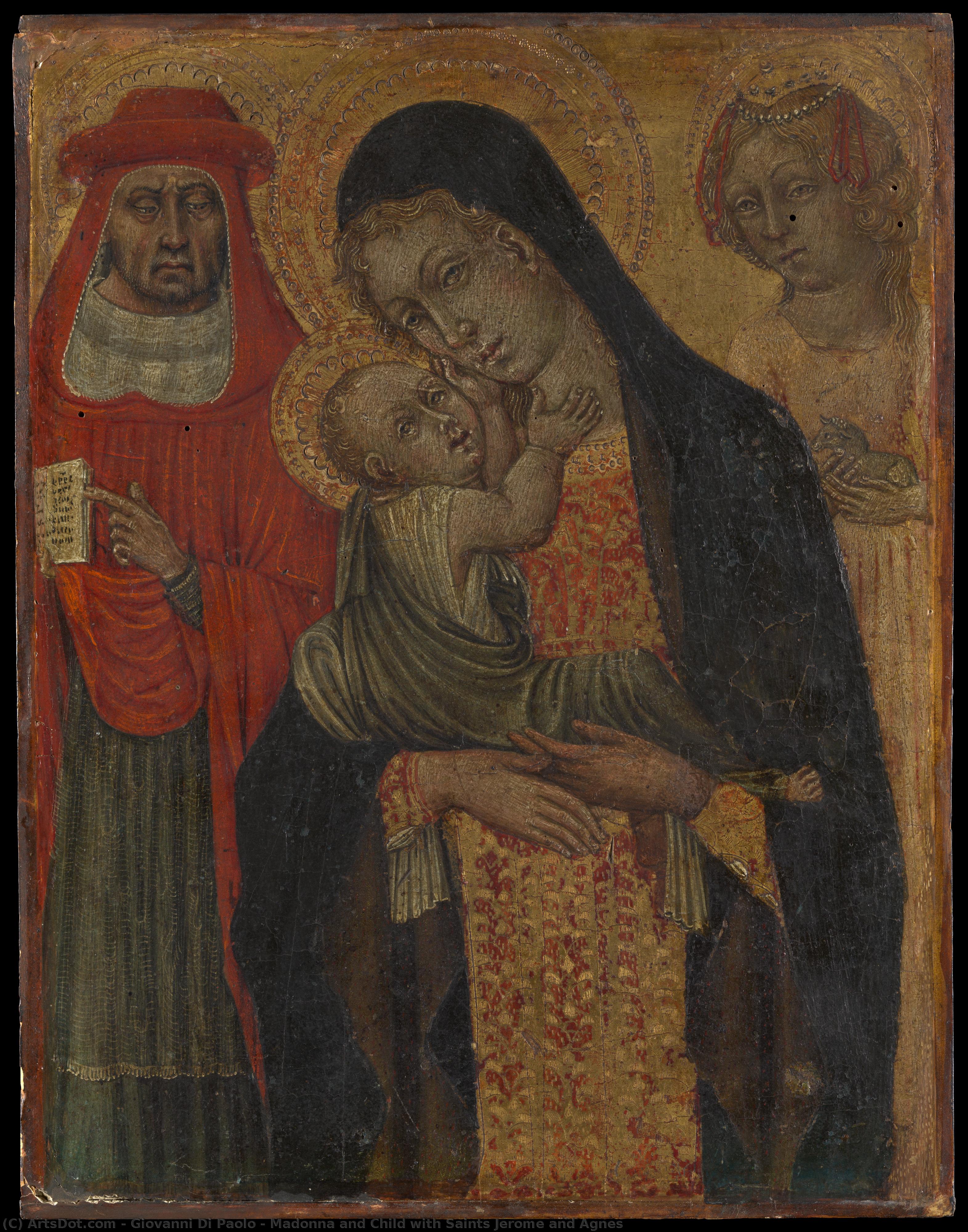
Madonna and Child with Saints Jerome and Agnes
 Acrylic On Canvas
- WallArt
- Early Renaissance
 1465
1465 32.0 x 25.0 cm
 Museo Metropolitano de Arte
 Ver más
Reproducción al óleo hecha a mano
Óleo sobre lienzo pintado a mano en el tamaño y marco de su elección, realizado por encargo por nuestros artistas. ( Comprar impresión Comprar imagen)




P118B $10

P118H $10

P118W $10

P438Z $10

P508JH $12

P508YH $12

P805H $10

P805Z $10

P919BZ $10

P919G $10

P919XJ $10

P959ZH $10

P968JZ $12

W106C $8

W218G $10

W218JH $8

W218Y $10

W307PJ $10

W316G $10

W316PJ $8

W316Y $10

W398PJ $8

W4111J $10

W500HY $15

W500JH $15

W692G $12

W849H $8

W940BG $15

W953PJ $8




Elija entre nuestros tamaños predefinidos que respetan las proporciones originales de la obra.

Puede ingresar sus propias dimensiones para adaptarse a un marco o espacio específico. Si el tamaño seleccionado no coincide con las proporciones de la imagen original, recortaremos la obra o extenderemos la pintura con elementos adicionales pintados a mano. Se le enviará una maqueta digital para su aprobación antes de comenzar la producción.
Tenga en cuenta que la vista previa en pantalla no refleja el recorte o la extensión reales. Solo la maqueta mostrará con precisión la composición final.
Si bien existen tamaños personalizados, recomendamos seleccionar una dimensión de la lista predefinida para preservar las proporciones originales.
Tras realizar el pedido, el equipo de ArtsDot.com enviará un correo electrónico al cliente para solicitar instrucciones y proporcionarle una vista previa del boceto.
Envío a todo el mundo () en 3-4 semanas en lugar de las 5 semanas estándar. (29 agosto). Sin comprometer la calidad.

Envío exprés gratuito a todo el mundo

Lienzo de lino de alta calidad

Seguro de envío total

Garantía de reembolso de impuestos aduaneros

Garantía de fidelidad cromática exacta

Política de devolución de 60 días (solo por defectos)

Garantía de devolución del 100% del dinero

Descuento por cantidad
 La opción de vidrio solo está disponible en tamaños inferiores a 110 cm.

Madonna and Child with Saints Jerome and Agnes
Técnica de reproducción
Dimensiones de la reproducción
-


Precio total final
$ 263
A Glimpse into Sienese Dreams: Giovanni di Paolo’s Madonna and Child
The year is 1465, and within the vibrant artistic heart of Siena, a painter named Giovanni di Paolo was meticulously crafting an image that would resonate across centuries – the “Madonna and Child with Saints Jerome and Agnes.” This isn't merely a depiction of the Virgin Mary and her infant son; it’s a window into the soul of early Renaissance Italy, imbued with the lingering beauty of Gothic traditions and subtly embracing the burgeoning naturalism of the era. Giovanni di Paolo, born around 1403, was a master of lyrical intensity, a painter who prioritized emotional resonance over strict realism – a characteristic that shines brilliantly in this particular panel painting.
The artwork immediately captivates with its rich palette and dramatic use of light. Deep reds dominate Mary’s flowing robes, drawing the eye to her serene expression and the luminous glow surrounding the Christ Child. The infant is nestled close to her breast, a gesture of profound tenderness and protection, rendered in delicate white against the darker hues of the background. Beyond this central devotional scene, three additional figures – Saints Jerome and Agnes, along with an unidentified third saint – are arranged within the composition, adding layers of narrative and spiritual depth. The careful placement of these saints, one on the left, another on the right, and a third subtly positioned above the main scene, creates a dynamic balance that invites contemplation.
The Techniques of a Sienese Master
Giovanni di Paolo’s style is immediately recognizable – a distinctive blend of Gothic formality and nascent Renaissance influence. He employed tempera on wood, a technique favored for its luminosity and durability, and utilized gold leaf extensively, particularly in the clothing and halos of the figures. This lavish use of gold wasn't simply decorative; it served to elevate the sacred subject matter, symbolizing divine grace and illuminating the scene with an ethereal quality. The artist’s meticulous attention to detail is evident in every brushstroke – from the folds of Mary’s garments to the intricate patterns adorning the saints’ robes. The use of layered glazing creates a remarkable sense of depth and texture, bringing the figures to life with a palpable warmth.
Notably, Giovanni di Paolo's work often features a slightly flattened perspective, characteristic of his time. This isn’t a rejection of spatial realism but rather an artistic choice that prioritizes emotional impact over strict adherence to linear perspective. The background is rendered in dark, muted tones, further emphasizing the central figures and creating a sense of intimacy within the scene.
Symbolism and Spiritual Significance
The “Madonna and Child” is rich with symbolic meaning, reflecting the theological concerns of the period. Mary’s posture – her hand gently touching the Christ Child – represents divine motherhood and the nurturing power of faith. The presence of Saints Jerome and Agnes underscores the importance of monastic life and devotion to God. The inclusion of the three saints also suggests a broader representation of Christian virtues, inviting viewers to contemplate their own spiritual journey.
Furthermore, the small details within the painting – the fruit in the bowl, for instance – are laden with symbolic significance. Cherries represent Christ’s blood, plums symbolize tenderness and love, and figs allude to the resurrection. These carefully chosen elements contribute to a complex tapestry of meaning that rewards careful observation.
A Timeless Icon: Reproduction and Beyond
ArtsDot is proud to offer meticulously crafted hand-painted reproductions of Giovanni di Paolo’s “Madonna and Child with Saints Jerome and Agnes.” These reproductions capture the essence of the original painting – its luminous colors, intricate details, and profound spiritual depth. Whether you're an art enthusiast, a collector seeking a unique addition to your collection, or simply someone drawn to the beauty of Renaissance art, this reproduction provides a stunning way to experience one of Siena’s most treasured masterpieces. Imagine this iconic image gracing your walls – a testament to the enduring power of faith and artistic vision.
Obras relacionadas
Biografía del artista
Giovanni di Paolo: Un Pintor Sienés de Sueños
- Nacido: c. 1403, Siena, Italia
- Fallecido: 1482, Siena
Vida Temprana y Desarrollo Artístico
Giovanni di Paolo di Grazia emergió como una figura significativa en la escena artística sienesa durante el siglo XV. Si bien los detalles precisos de su vida temprana permanecen algo oscuros, se cree que pudo haber sido aprendiz de Taddeo di Bartolo o Martino di Bartolomeo, ambos maestros sieneses prominentes. Su entrenamiento inicial probablemente involucró la iluminación de manuscritos, como lo demuestran sus trabajos documentados para la Orden Dominicos en Siena a partir de 1417. Este período perfeccionó sus habilidades en detalle y aplicación del color, elementos cruciales que definirían más tarde su estilo artístico.
Estilo Artístico e Influencias
El arte de Giovanni di Paolo se caracteriza por una mezcla única de tradiciones góticas y sensibilidades renacentistas emergentes. Sus primeras obras reflejan la influencia de los maestros sieneses anteriores, pero a medida que avanzaba su carrera, desarrolló un lenguaje visual distintivo marcado por figuras alargadas, colores fríos y ásperos, y una atmósfera a menudo surrealista. Una influencia clave fue Gentile da Fabriano, cuya visita a Siena alrededor de 1420 impactó profundamente la visión artística de Giovanni. Adoptó elementos del estilo de Gentile, particularmente la incorporación de detalles naturalistas como plantas en flor dentro de escenas religiosas, una desviación de las representaciones más convencionales de santos de pie.
- Influencia Gótica: Evidente en sus figuras alargadas y patrones decorativos.
- Impacto de Gentile da Fabriano: Adopción de elementos naturalistas y un enfoque en el detalle.
- Calidad Onírica Única: Muchas obras poseen una atmósfera inusual y surrealista.
Obras Principales y Temas
La obra de Giovanni di Paolo incluye numerosos retablos, paneles e iluminaciones de manuscritos. Sus obras más celebradas demuestran su capacidad para transformar narrativas religiosas tradicionales en experiencias visuales cautivadoras. El *Milagro de San Nicolás de Tolentino* (c. 1455) ejemplifica su estilo surrealista con su paisaje fantástico y composición onírica. La serie que representa escenas de la vida de Santa Catalina de Siena, ahora dispersa entre varios museos, muestra su dominio de la pintura narrativa y la caracterización expresiva.
- Milagro de San Nicolás de Tolentino (c. 1455): Un ejemplo primordial de su estilo surrealista.
- Serie de Santa Catalina de Siena: Demuestra habilidad narrativa y retrato de personajes.
- Manuscritos Iluminados: Particularmente la *Divina Comedia* de Dante, que muestra detalles intrincados y color vibrante.
Significado Histórico y Legado
La reputación de Giovanni di Paolo experimentó un declive después de su muerte en 1482, pero su importancia artística fue redescubierta durante el siglo XX. Ahora se reconoce como una figura clave en la Escuela Sienesa, que une la brecha entre el arte gótico tardío y el Renacimiento temprano. Su disposición a experimentar con la forma y el color, junto con su visión onírica única, lo distinguieron de sus contemporáneos y lo estableció como una voz distintiva dentro de la historia del arte italiano.
- Figura de Transición: Unió estilos góticos y renacentistas.
- Significado Redescubierto: Reconocido en el siglo XX por su enfoque innovador.
- Visión Artística Única: Su cualidad onírica lo distingue de otros pintores sieneses.
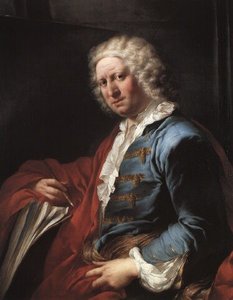
Giovanni di Paolo
1403 - 1482 , Italia
Datos clave
- Artistas Que Influyeron:
- Gentile da Fabriano
- Taddeo di Bartolo
- Fecha De Fallecimiento: 1482
- Fecha De Nacimiento: c. 1403
- Lugar De Nacimiento: Siena, Italia
- Movimiento Artístico: Escuela Sienesa, Gótico
- Nacionalidad: Italiana
- Nombre Completo: Giovanni di Paolo
- Obras Notables:
- Milagro de San Nicolás
- Vida de Santa Catalina
- Divina Comedia (iluminaciones)
Artículos relacionados

Giotto di Bondone: Las 25 Obras Maestras que Definieron el Renacimiento | ArtsDot
Descubre las 25 obras maestras de Giotto di Bondone, el pionero del Renacimiento. Explora la historia, técnica y simbolismo de sus frescos italianos más icónicos. Encuentra reproducciones de arte exclusivas para decorar tu hogar en ArtsDot.com.

Rafael: Las 25 Obras Maestras que Definen al Genio del Renacimiento | ArtsDot
Descubre las 25 obras maestras de Rafael Sanzio, el genio del Renacimiento. Explora su historia, técnica y significado en pinturas icónicas como 'La Escuela de Atenas'. Reproducciones de arte de alta calidad para decorar tu hogar con elegancia. ¡Explora la colección completa en ArtsDot.com!
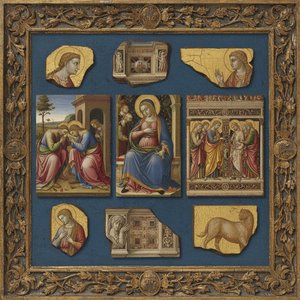
Proto-Renacimiento: 10 Obras Maestras que Cambiaron la Historia del Arte | ArtsDot
Descubre las 10 obras maestras del Proto Renacimiento que revolucionaron el arte italiano. Explora la historia de Giotto, Duccio y Cimabue. Reproducciones de arte en ArtsDot.com para decorar tu hogar con belleza atemporal.
La Biennale de Venecia: 25 Obras Maestras para Inspirar tu Hogar | ArtsDot
Descubre las 25 obras maestras de la Bienal de Venecia. Explora la historia, artistas y técnicas detrás de iconos del arte renacentista, moderno y contemporáneo. Encuentra reproducciones de alta calidad e inspira tu hogar con ArtsDot.com.
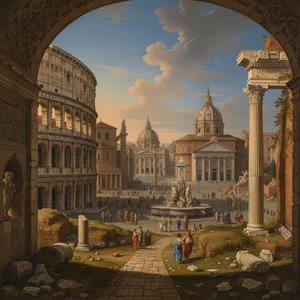
Giovanni Paolo Panini: Capturing Roman Grandeur – A Vedute Master's Legacy
Explore the captivating world of Giovanni Paolo Panini, master of Roman vedute painting. Discover his technique, iconic works, influence on art history & collecting advice from experts at ArtsDot.