 Ver en contexto
 Enviar
 Compartir
 Detalles

 Descargar
 Similares
 Radiografía
 Presentación de diapositivas
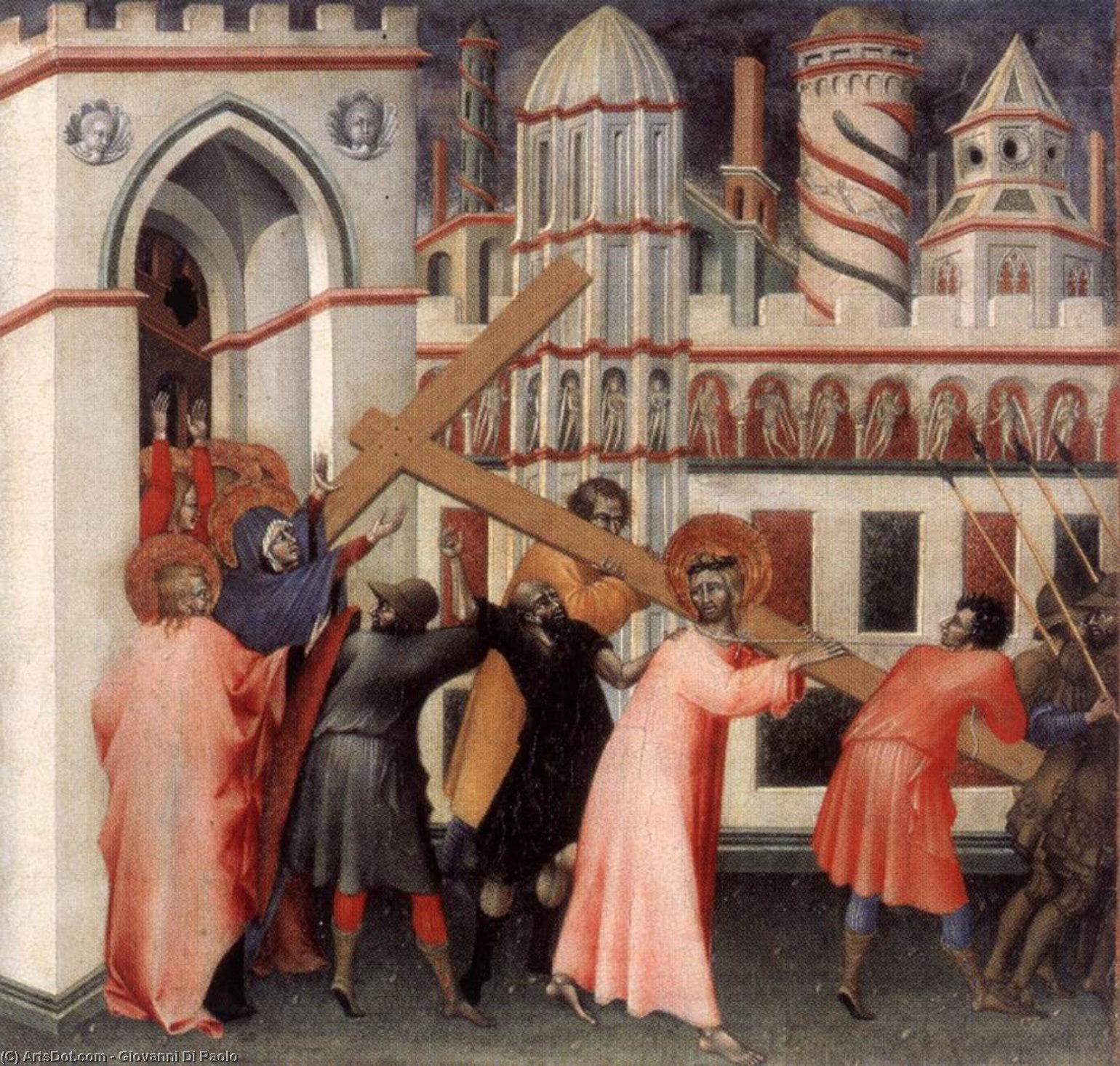
Road to Calvary


 Ver más
Giclée / Impresión de arte
Impresiones giclée o en lienzo de calidad de museo con producción rápida y opciones de acabado flexibles. ( Comprar pintura hecha a mano Comprar imagen)




P118B $10

P118H $10

P118W $10

P438Z $10

P508JH $12

P508YH $12

P805H $10

P805Z $10

P919BZ $10

P919G $10

P919XJ $10

P959ZH $10

P968JZ $12

W106C $8

W218G $10

W218JH $8

W218Y $10

W307PJ $10

W316G $10

W316PJ $8

W316Y $10

W398PJ $8

W4111J $10

W500HY $15

W500JH $15

W692G $12

W849H $8

W940BG $15

W953PJ $8




Elija entre nuestros tamaños predefinidos que respetan las proporciones originales de la obra.

Puede introducir sus propias dimensiones para adaptarse a un marco o espacio específico. Si el tamaño seleccionado no coincide con las proporciones de la imagen original, recortaremos la obra de arte o extenderemos la imagen con un borde con efecto espejo o de color sólido. Se enviará una maqueta digital para su aprobación antes de que comience la producción.
Tenga en cuenta que la vista previa en pantalla no refleja el recorte o la extensión real. Solo la maqueta mostrará con precisión la composición final.
Aunque existen tamaños personalizados, recomendamos seleccionar una dimensión de la lista predefinida para preservar las proporciones originales.
Envío a todo el mundo () en 2 semanas en lugar de las 4/5 semanas estándar. (2 septiembre)

Envío exprés gratuito a todo el mundo

Lienzo de lino de alta calidad

Seguro de envío total

Garantía de reembolso de impuestos aduaneros

Garantía de fidelidad cromática exacta

Política de devolución de 60 días (solo por defectos)

Garantía de devolución del 100% del dinero

Descuento por cantidad
 La opción de vidrio solo está disponible en tamaños inferiores a 110 cm.

Road to Calvary
Giclée / Impresión de arte
Dimensiones de la reproducción
-


Precio total final
$ 62
A Vision of Suffering and Faith: Exploring Giovanni di Paolo’s “Road to Calvary”
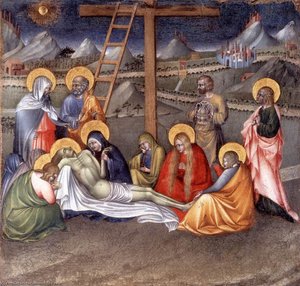
Giovanni di Paolo's "Road to Calvary," painted around 1430, isn’t merely a depiction of Christ’s crucifixion; it’s a profoundly moving tableau of human emotion, religious devotion, and the stark realities of sacrifice. Emerging from the Sienese artistic community – a region renowned for its rich iconography and deeply ingrained spiritual traditions – di Paolo masterfully blends elements of Gothic intensity with nascent Renaissance sensibilities, creating an image that resonates across centuries. This panel, originally part of a larger predella altarpiece intended to adorn a church chapel, offers a glimpse into the visual language of faith during a pivotal moment in Christian history.
The scene unfolds with arresting immediacy. At its heart stands Jesus Christ, dramatically lifted by two figures – their faces obscured, lending an air of anonymity and emphasizing his universal suffering. The physical strain is palpable; the ropes binding him are taut, and the men supporting him appear burdened by the weight of their task. Surrounding this central drama are a host of other figures: those actively involved in the crucifixion, grappling with the enormity of the event; onlookers, rendered with varying degrees of grief, shock, and perhaps even morbid fascination; and laborers who seem to be preparing for the ordeal. Di Paolo’s skill lies not just in capturing individual likenesses but in conveying a collective emotional response – a shared sense of tragedy and contemplation.
The Language of Color and Form: A Gothic-Renaissance Synthesis
Di Paolo's style is immediately recognizable for its distinctive use of color. He favors cool, muted tones—deep blues, somber greens, and earthy browns—creating a deliberately melancholic atmosphere. This contrasts sharply with the brighter, more vibrant palettes favored by some of his contemporaries, suggesting a deliberate choice to emphasize the gravity of the subject matter. The figures themselves are rendered with elongated forms characteristic of International Gothic art, a style that was gaining prominence at the time. These elongated proportions contribute to an almost dreamlike quality, as if the scene is unfolding within a heightened state of emotional intensity.
Technically, di Paolo demonstrates remarkable attention to detail. The textures of the clothing, the rough grain of the wood used for the cross, and even the subtle expressions on the faces of the onlookers are meticulously rendered. This level of realism, combined with the stylized figures, creates a compelling visual paradox—a scene that is both deeply personal and universally significant. Notice, too, the knife positioned at the bottom of the panel; a stark reminder of the brutality inherent in this event, yet also subtly integrated into the composition.
Symbolism and Spiritual Resonance
“Road to Calvary” is rich in symbolic meaning. The road itself represents the journey of Christ towards sacrifice, while the figures surrounding him embody various aspects of human response to faith—compassion, doubt, obedience, and despair. The obscured faces of those carrying Jesus highlight his humanity and universal suffering, removing any sense of individual heroism or glory. The presence of onlookers underscores the communal nature of this event – it’s not just a personal tragedy but a shared experience for the entire community.
Furthermore, the painting reflects the theological concerns of its time. The crucifixion was understood as an act of redemption—a sacrifice that would atone for humanity's sins. Di Paolo’s depiction powerfully communicates this central tenet of Christian belief, inviting viewers to contemplate the profound implications of Christ’s death and resurrection. The dreamlike atmosphere, a hallmark of di Paolo’s work, suggests a realm beyond earthly understanding, where faith transcends the limitations of human experience.
Bringing “Road to Calvary” Home: A High-Quality Reproduction
ArtsDot offers meticulously crafted hand-painted reproductions of Giovanni di Paolo's "Road to Calvary," allowing you to bring this iconic masterpiece into your home or office. Our skilled artists replicate the original’s distinctive color palette, intricate details, and emotional depth with unparalleled accuracy. Whether you are an art collector, a design enthusiast, or simply someone seeking a piece that evokes contemplation and reverence, our reproductions provide a beautiful and authentic representation of this enduring work of art. Explore the available sizes and options on our website to discover the perfect way to experience the power and beauty of “Road to Calvary.”
Obras relacionadas
Biografía del artista
Giovanni di Paolo: Un Pintor Sienés de Sueños
- Nacido: c. 1403, Siena, Italia
- Fallecido: 1482, Siena
Vida Temprana y Desarrollo Artístico
Giovanni di Paolo di Grazia emergió como una figura significativa en la escena artística sienesa durante el siglo XV. Si bien los detalles precisos de su vida temprana permanecen algo oscuros, se cree que pudo haber sido aprendiz de Taddeo di Bartolo o Martino di Bartolomeo, ambos maestros sieneses prominentes. Su entrenamiento inicial probablemente involucró la iluminación de manuscritos, como lo demuestran sus trabajos documentados para la Orden Dominicos en Siena a partir de 1417. Este período perfeccionó sus habilidades en detalle y aplicación del color, elementos cruciales que definirían más tarde su estilo artístico.
Estilo Artístico e Influencias
El arte de Giovanni di Paolo se caracteriza por una mezcla única de tradiciones góticas y sensibilidades renacentistas emergentes. Sus primeras obras reflejan la influencia de los maestros sieneses anteriores, pero a medida que avanzaba su carrera, desarrolló un lenguaje visual distintivo marcado por figuras alargadas, colores fríos y ásperos, y una atmósfera a menudo surrealista. Una influencia clave fue Gentile da Fabriano, cuya visita a Siena alrededor de 1420 impactó profundamente la visión artística de Giovanni. Adoptó elementos del estilo de Gentile, particularmente la incorporación de detalles naturalistas como plantas en flor dentro de escenas religiosas, una desviación de las representaciones más convencionales de santos de pie.
- Influencia Gótica: Evidente en sus figuras alargadas y patrones decorativos.
- Impacto de Gentile da Fabriano: Adopción de elementos naturalistas y un enfoque en el detalle.
- Calidad Onírica Única: Muchas obras poseen una atmósfera inusual y surrealista.
Obras Principales y Temas
La obra de Giovanni di Paolo incluye numerosos retablos, paneles e iluminaciones de manuscritos. Sus obras más celebradas demuestran su capacidad para transformar narrativas religiosas tradicionales en experiencias visuales cautivadoras. El *Milagro de San Nicolás de Tolentino* (c. 1455) ejemplifica su estilo surrealista con su paisaje fantástico y composición onírica. La serie que representa escenas de la vida de Santa Catalina de Siena, ahora dispersa entre varios museos, muestra su dominio de la pintura narrativa y la caracterización expresiva.
- Milagro de San Nicolás de Tolentino (c. 1455): Un ejemplo primordial de su estilo surrealista.
- Serie de Santa Catalina de Siena: Demuestra habilidad narrativa y retrato de personajes.
- Manuscritos Iluminados: Particularmente la *Divina Comedia* de Dante, que muestra detalles intrincados y color vibrante.
Significado Histórico y Legado
La reputación de Giovanni di Paolo experimentó un declive después de su muerte en 1482, pero su importancia artística fue redescubierta durante el siglo XX. Ahora se reconoce como una figura clave en la Escuela Sienesa, que une la brecha entre el arte gótico tardío y el Renacimiento temprano. Su disposición a experimentar con la forma y el color, junto con su visión onírica única, lo distinguieron de sus contemporáneos y lo estableció como una voz distintiva dentro de la historia del arte italiano.
- Figura de Transición: Unió estilos góticos y renacentistas.
- Significado Redescubierto: Reconocido en el siglo XX por su enfoque innovador.
- Visión Artística Única: Su cualidad onírica lo distingue de otros pintores sieneses.
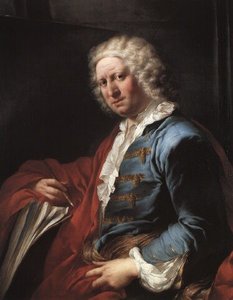
Giovanni di Paolo
1403 - 1482 , Italia
Datos clave
- Artistas Que Influyeron:
- Gentile da Fabriano
- Taddeo di Bartolo
- Fecha De Fallecimiento: 1482
- Fecha De Nacimiento: c. 1403
- Lugar De Nacimiento: Siena, Italia
- Movimiento Artístico: Escuela Sienesa, Gótico
- Nacionalidad: Italiana
- Nombre Completo: Giovanni di Paolo
- Obras Notables:
- Milagro de San Nicolás
- Vida de Santa Catalina
- Divina Comedia (iluminaciones)
Artículos relacionados

Giotto di Bondone: Las 25 Obras Maestras que Definieron el Renacimiento | ArtsDot
Descubre las 25 obras maestras de Giotto di Bondone, el pionero del Renacimiento. Explora la historia, técnica y simbolismo de sus frescos italianos más icónicos. Encuentra reproducciones de arte exclusivas para decorar tu hogar en ArtsDot.com.
La Biennale de Venecia: 25 Obras Maestras para Inspirar tu Hogar | ArtsDot
Descubre las 25 obras maestras de la Bienal de Venecia. Explora la historia, artistas y técnicas detrás de iconos del arte renacentista, moderno y contemporáneo. Encuentra reproducciones de alta calidad e inspira tu hogar con ArtsDot.com.
Giovanni Paolo Panini: Capturing Roman Grandeur – A Vedute Master's Legacy
Explore the captivating world of Giovanni Paolo Panini, master of Roman vedute painting. Discover his technique, iconic works, influence on art history & collecting advice from experts at ArtsDot.
Giovanni Giacometti: Sculpting Existentialism – A Study of Form, Space, and the Human Condition
Explore the profound artistic journey of Giovanni Giacometti, father to Alberto. Discover his unique transition from Surrealism to Existentialist sculpture and painting – a compelling study for elite collectors and art enthusiasts.
Paolo Veronese: A Renaissance Master of Color, Composition, and Venetian Splendor
Explore the vibrant world of Paolo Veronese, a Renaissance master renowned for his opulent compositions, masterful use of color, and dramatic Venetian scenes. Discover key artworks & legacy.