 Ver en contexto
 Enviar
 Compartir
 Detalles

 Descargar
 Similares
 Radiografía
 Presentación de diapositivas
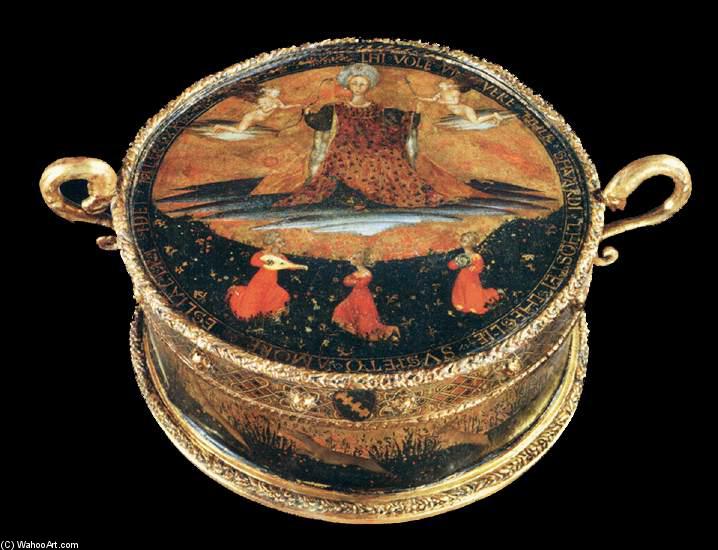
Wedding Casket with the Triumph of Venus
 Acrylic On Canvas
- WallArt
- Early Renaissance
 1421
1421 14.0 x 29.0 cm
 Museo del Louvre
 Ver más
Giclée / Impresión de arte
Impresiones giclée o en lienzo de calidad de museo con producción rápida y opciones de acabado flexibles. ( Comprar pintura hecha a mano Comprar imagen)




P118B $10

P118H $10

P118W $10

P438Z $10

P508JH $12

P508YH $12

P805H $10

P805Z $10

P919BZ $10

P919G $10

P919XJ $10

P959ZH $10

P968JZ $12

W106C $8

W218G $10

W218JH $8

W218Y $10

W307PJ $10

W316G $10

W316PJ $8

W316Y $10

W398PJ $8

W4111J $10

W500HY $15

W500JH $15

W692G $12

W849H $8

W940BG $15

W953PJ $8




Elija entre nuestros tamaños predefinidos que respetan las proporciones originales de la obra.

Puede introducir sus propias dimensiones para adaptarse a un marco o espacio específico. Si el tamaño seleccionado no coincide con las proporciones de la imagen original, recortaremos la obra de arte o extenderemos la imagen con un borde con efecto espejo o de color sólido. Se enviará una maqueta digital para su aprobación antes de que comience la producción.
Tenga en cuenta que la vista previa en pantalla no refleja el recorte o la extensión real. Solo la maqueta mostrará con precisión la composición final.
Aunque existen tamaños personalizados, recomendamos seleccionar una dimensión de la lista predefinida para preservar las proporciones originales.
Envío a todo el mundo () en 2 semanas en lugar de las 4/5 semanas estándar. (2 septiembre)

Envío exprés gratuito a todo el mundo

Lienzo de lino de alta calidad

Seguro de envío total

Garantía de reembolso de impuestos aduaneros

Garantía de fidelidad cromática exacta

Política de devolución de 60 días (solo por defectos)

Garantía de devolución del 100% del dinero

Descuento por cantidad
 La opción de vidrio solo está disponible en tamaños inferiores a 110 cm.

Wedding Casket with the Triumph of Venus
Giclée / Impresión de arte
Dimensiones de la reproducción
-


Precio total final
$ 62
A Dreamscape of Triumph: Giovanni di Paolo’s “Wedding Casket with the Triumph of Venus”
Giovanni di Paolo's "Wedding Casket with the Triumph of Venus," painted in Siena around 1421, is not merely a depiction of a scene; it’s an immersion into a world steeped in allegory and the ethereal beauty of early Renaissance art. Measuring just 14 x 29 cm, this small panel holds within its meticulously rendered surface a complex narrative that speaks to themes of marriage, fertility, divine power, and the delicate balance between earthly pleasure and spiritual aspiration. The painting resides within the Musée du Louvre in Paris, a testament to its enduring artistic merit.
At first glance, the image presents a vibrant tableau: three figures dominate the composition – a central figure, likely representing Venus herself, flanked by a youthful bride and a male attendant. These are set against a backdrop of richly colored drapery, symbolic objects, and a hazy landscape that evokes both earthly gardens and celestial realms. The artist’s signature style—a hallmark of Sienese painting during this period—is immediately apparent: a deliberate blurring of lines between realism and stylized representation, creating an atmosphere of dreamlike intensity. Giovanni di Paolo masterfully employs tempera on wood, a technique known for its luminous colors and durability, allowing him to achieve remarkable detail while maintaining a sense of atmospheric depth.
The Language of Symbolism
Decoding the symbolism within “Wedding Casket with the Triumph of Venus” is a rewarding exercise. The central figure, undeniably Venus, embodies not just romantic love but also fertility and prosperity – crucial elements for a successful marriage. The bride’s youthful appearance and elaborate attire signify her potential as a future mother and bearer of the family line. The male attendant, often interpreted as Cupid or another divine messenger, reinforces this theme of auspicious beginnings. Beyond these core figures, numerous objects contribute to the painting's layered meaning. A garland of flowers, a musical instrument, and a scattering of fruits all point towards abundance and celebration. The inclusion of a casket itself—a traditional symbol of marriage and remembrance—underscores the solemnity and significance of the union depicted.
Notably, the scene is framed within a broader mythological context. The presence of Venus, goddess of love and beauty, suggests an invocation of divine favor for the couple’s future happiness. The hazy background landscape hints at a transition between the earthly realm and the heavens, reinforcing the idea that marriage is not just a human affair but also a sacred union blessed by the gods.
A Glimpse into Sienese Artistic Traditions
Giovanni di Paolo’s work reflects the artistic currents of Siena in the early 15th century. His style, while influenced by the Gothic traditions prevalent at the time—particularly in his attention to detail and decorative elements—also demonstrates a nascent engagement with Renaissance principles. He was part of a vibrant artistic community that drew inspiration from both Byzantine mosaics and the emerging naturalism championed by artists like Masaccio. Giovanni’s use of color is particularly striking, employing rich reds, blues, and golds to create a visually arresting effect. His work often features elongated figures and dramatic poses, reminiscent of International Gothic painting—a style characterized by its elegance, expressiveness, and intricate details.
Capturing the Dreamlike Quality
“Wedding Casket with the Triumph of Venus” is more than just a historical artifact; it’s a powerful evocation of emotion and atmosphere. Giovanni di Paolo masterfully creates a sense of mystery and enchantment through his use of color, composition, and symbolism. The painting's dreamlike quality—a characteristic often associated with Sienese art— invites viewers to contemplate the complexities of love, marriage, and the divine. Today, reproductions of this captivating artwork offer an accessible way to experience the beauty and artistry of a pivotal moment in Italian Renaissance history. ArtsDot is proud to offer high-quality hand-painted reproductions that faithfully capture the essence of Giovanni di Paolo’s masterpiece, allowing you to bring this enchanting vision into your home or studio.
Obras relacionadas
Biografía del artista
Giovanni di Paolo: Un Pintor Sienés de Sueños
- Nacido: c. 1403, Siena, Italia
- Fallecido: 1482, Siena
Vida Temprana y Desarrollo Artístico
Giovanni di Paolo di Grazia emergió como una figura significativa en la escena artística sienesa durante el siglo XV. Si bien los detalles precisos de su vida temprana permanecen algo oscuros, se cree que pudo haber sido aprendiz de Taddeo di Bartolo o Martino di Bartolomeo, ambos maestros sieneses prominentes. Su entrenamiento inicial probablemente involucró la iluminación de manuscritos, como lo demuestran sus trabajos documentados para la Orden Dominicos en Siena a partir de 1417. Este período perfeccionó sus habilidades en detalle y aplicación del color, elementos cruciales que definirían más tarde su estilo artístico.
Estilo Artístico e Influencias
El arte de Giovanni di Paolo se caracteriza por una mezcla única de tradiciones góticas y sensibilidades renacentistas emergentes. Sus primeras obras reflejan la influencia de los maestros sieneses anteriores, pero a medida que avanzaba su carrera, desarrolló un lenguaje visual distintivo marcado por figuras alargadas, colores fríos y ásperos, y una atmósfera a menudo surrealista. Una influencia clave fue Gentile da Fabriano, cuya visita a Siena alrededor de 1420 impactó profundamente la visión artística de Giovanni. Adoptó elementos del estilo de Gentile, particularmente la incorporación de detalles naturalistas como plantas en flor dentro de escenas religiosas, una desviación de las representaciones más convencionales de santos de pie.
- Influencia Gótica: Evidente en sus figuras alargadas y patrones decorativos.
- Impacto de Gentile da Fabriano: Adopción de elementos naturalistas y un enfoque en el detalle.
- Calidad Onírica Única: Muchas obras poseen una atmósfera inusual y surrealista.
Obras Principales y Temas
La obra de Giovanni di Paolo incluye numerosos retablos, paneles e iluminaciones de manuscritos. Sus obras más celebradas demuestran su capacidad para transformar narrativas religiosas tradicionales en experiencias visuales cautivadoras. El *Milagro de San Nicolás de Tolentino* (c. 1455) ejemplifica su estilo surrealista con su paisaje fantástico y composición onírica. La serie que representa escenas de la vida de Santa Catalina de Siena, ahora dispersa entre varios museos, muestra su dominio de la pintura narrativa y la caracterización expresiva.
- Milagro de San Nicolás de Tolentino (c. 1455): Un ejemplo primordial de su estilo surrealista.
- Serie de Santa Catalina de Siena: Demuestra habilidad narrativa y retrato de personajes.
- Manuscritos Iluminados: Particularmente la *Divina Comedia* de Dante, que muestra detalles intrincados y color vibrante.
Significado Histórico y Legado
La reputación de Giovanni di Paolo experimentó un declive después de su muerte en 1482, pero su importancia artística fue redescubierta durante el siglo XX. Ahora se reconoce como una figura clave en la Escuela Sienesa, que une la brecha entre el arte gótico tardío y el Renacimiento temprano. Su disposición a experimentar con la forma y el color, junto con su visión onírica única, lo distinguieron de sus contemporáneos y lo estableció como una voz distintiva dentro de la historia del arte italiano.
- Figura de Transición: Unió estilos góticos y renacentistas.
- Significado Redescubierto: Reconocido en el siglo XX por su enfoque innovador.
- Visión Artística Única: Su cualidad onírica lo distingue de otros pintores sieneses.
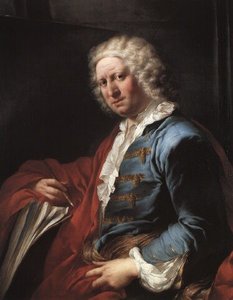
Giovanni di Paolo
1403 - 1482 , Italia
Datos clave
- Artistas Que Influyeron:
- Gentile da Fabriano
- Taddeo di Bartolo
- Fecha De Fallecimiento: 1482
- Fecha De Nacimiento: c. 1403
- Lugar De Nacimiento: Siena, Italia
- Movimiento Artístico: Escuela Sienesa, Gótico
- Nacionalidad: Italiana
- Nombre Completo: Giovanni di Paolo
- Obras Notables:
- Milagro de San Nicolás
- Vida de Santa Catalina
- Divina Comedia (iluminaciones)
Artículos relacionados
Giotto di Bondone: Las 25 Obras Maestras que Definieron el Renacimiento | ArtsDot
Descubre las 25 obras maestras de Giotto di Bondone, el pionero del Renacimiento. Explora la historia, técnica y simbolismo de sus frescos italianos más icónicos. Encuentra reproducciones de arte exclusivas para decorar tu hogar en ArtsDot.com.

¿Recuerdos de Boda que no Aburren: Eleva tu Decoración con Arte Personalizado?
Eleva tu boda con arte personalizado. Descubre inspiración, tendencias y consejos expertos para una decoración nupcial inolvidable. te ayuda a crear recuerdos únicos.

Amor en Lienzo: 7 Estilos Románticos para tu Retrato de Boda Perfecto
Encuentra el retrato de boda perfecto que capture tu amor eterno. Explora estilos únicos y encarga una obra maestra personalizada con . ¡Regalos inolvidables!
Eterna tu Amor: Pinturas Personalizadas para Bodas Inolvidables y un Legado Artístico
Crea un recuerdo eterno con una pintura de boda personalizada. te ofrece artistas expertos y obras únicas para celebrar tu amor. ¡Regalos inolvidables!

¿Convierte Su Foto Favorita en Arte Atemporal? Guía Paso a Paso para un Recuerdo Único
Transforma tus fotos en obras de arte atemporales con expertos. Guía paso a paso para crear cuadros personalizados únicos y memorables. ¡Descubre el regalo perfecto!