

 Ver en contexto
 Enviar
 Compartir
 Detalles

 Descargar
 Similares
 Radiografía
 Presentación de diapositivas
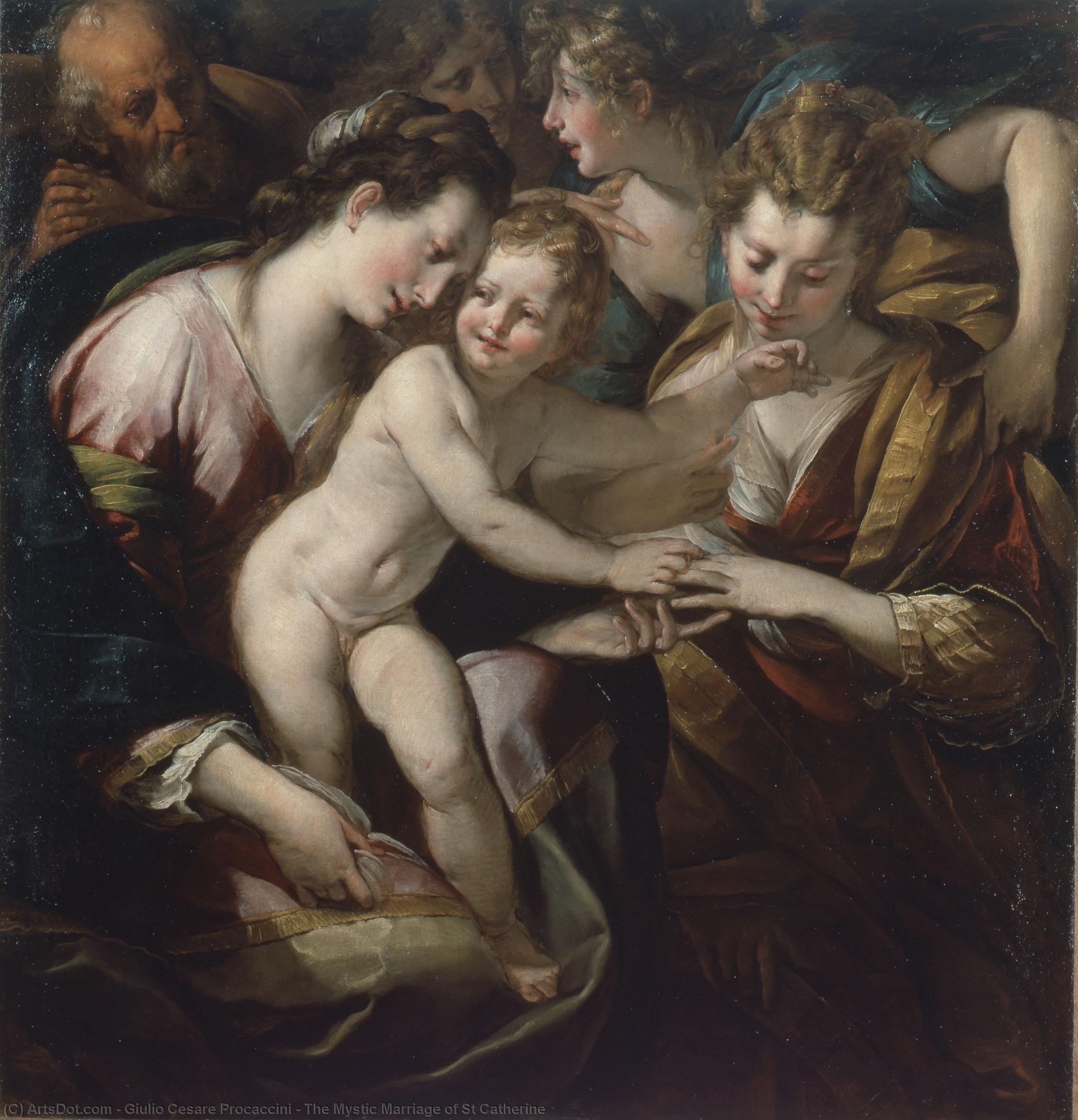
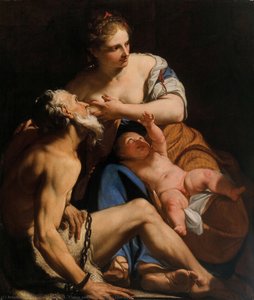
The Mystic Marriage of St Catherine
 Oil On Canvas
- WallArt
- Baroque
 149.0 x 145.0 cm
 Pinacoteca de Brera
 Ver más
Giclée / Impresión de arte
Impresiones giclée o en lienzo de calidad de museo con producción rápida y opciones de acabado flexibles. ( Comprar pintura hecha a mano Comprar imagen)




P118B $10

P118H $10

P118W $10

P438Z $10

P508JH $12

P508YH $12

P805H $10

P805Z $10

P919BZ $10

P919G $10

P919XJ $10

P959ZH $10

P968JZ $12

W106C $8

W218G $10

W218JH $8

W218Y $10

W307PJ $10

W316G $10

W316PJ $8

W316Y $10

W398PJ $8

W4111J $10

W500HY $15

W500JH $15

W692G $12

W849H $8

W940BG $15

W953PJ $8




Elija entre nuestros tamaños predefinidos que respetan las proporciones originales de la obra.

Puede introducir sus propias dimensiones para adaptarse a un marco o espacio específico. Si el tamaño seleccionado no coincide con las proporciones de la imagen original, recortaremos la obra de arte o extenderemos la imagen con un borde con efecto espejo o de color sólido. Se enviará una maqueta digital para su aprobación antes de que comience la producción.
Tenga en cuenta que la vista previa en pantalla no refleja el recorte o la extensión real. Solo la maqueta mostrará con precisión la composición final.
Aunque existen tamaños personalizados, recomendamos seleccionar una dimensión de la lista predefinida para preservar las proporciones originales.
Envío a todo el mundo () en 2 semanas en lugar de las 4/5 semanas estándar. (27 agosto)

Envío exprés gratuito a todo el mundo

Lienzo de lino de alta calidad

Seguro de envío total

Garantía de reembolso de impuestos aduaneros

Garantía de fidelidad cromática exacta

Política de devolución de 60 días (solo por defectos)

Garantía de devolución del 100% del dinero

Descuento por cantidad
 La opción de vidrio solo está disponible en tamaños inferiores a 110 cm.

The Mystic Marriage of St Catherine
Giclée / Impresión de arte
Dimensiones de la reproducción
-


Precio total final
$ 62
A Divine Union: Giulio Cesare Procaccini’s Masterpiece
Giulio Cesare Procaccini's “The Mystic Marriage of St Catherine” isn’t merely a painting; it’s an immersion into the heart of early Baroque spirituality. Completed around 1616-1620, this canvas, now residing in the Pinacoteca di Brera in Milan, pulsates with a potent blend of religious fervor and artistic innovation. Procaccini, a pivotal figure in the transition from Mannerism to the dynamism of the Baroque, masterfully captures a moment of profound transformation – the union of St Catherine with Christ, an event imbued with both earthly beauty and celestial significance.
The scene unfolds within a richly detailed, yet subtly shadowed interior. The composition is dominated by three figures: St Catherine herself, radiating serene grace; the infant Jesus, cradled in her arms, representing divine innocence; and the Virgin Mary, observing this sacred union with tender devotion. Procaccini’s genius lies not just in their individual portrayals – each figure rendered with a remarkable sensitivity to anatomy and expression – but in the intricate web of gestures and glances that connect them. The way Catherine's hand reaches out to receive the ring offered by Christ, the Virgin Mary’s gentle gaze, and even the subtle expressions on the faces of the surrounding angels all contribute to an overwhelming sense of intimacy and spiritual connection.
The Influence of Correggio and a Milanese Baroque Aesthetic
Procaccini's work is deeply indebted to the artistic currents swirling through Milan at the time. He was profoundly influenced by the works of Correggio, particularly his innovative use of perspective and illusionistic space. This influence is evident in the painting’s dynamic composition, where figures seem to emerge from a shallow, almost theatrical stage. Furthermore, Procaccini absorbed elements of Titian's Venetian style – a penchant for rich color palettes and dramatic lighting – while retaining a distinctly Mannerist sensibility, characterized by elongated forms and an emphasis on emotional intensity.
The painting’s palette is dominated by deep reds, blues, and golds, creating a sense of opulence and reverence. The use of chiaroscuro—the interplay of light and shadow—is particularly striking, drawing the viewer's eye to key figures and enhancing the drama of the scene. Procaccini skillfully employs this technique to create a palpable atmosphere of mystery and spiritual awakening.
Symbolism and Spiritual Resonance
Beyond its aesthetic beauty, “The Mystic Marriage of St Catherine” is rich in symbolic meaning. The wedding itself represents not just a personal union but also the establishment of a divine covenant between humanity and God. St Catherine’s virginity, symbolized by her purity and grace, is offered to Christ, signifying her complete dedication to his service. The infant Jesus embodies the promise of salvation and eternal life, while the Virgin Mary serves as a witness to this sacred event – a testament to her unwavering faith and devotion.
The inclusion of angels surrounding the scene further emphasizes its spiritual significance. These celestial beings represent God’s presence and his blessing upon this union. The painting's overall effect is one of profound reverence, inviting viewers to contemplate the mysteries of faith and the transformative power of divine love. Procaccini doesn’t simply depict a historical event; he captures a moment of transcendent beauty and spiritual grace.
A Legacy in Milanese Art
Giulio Cesare Procaccini's “The Mystic Marriage of St Catherine” stands as a cornerstone of early Baroque art in Milan. His innovative approach to composition, his masterful use of color and light, and his profound understanding of religious symbolism cemented his place as one of the most important artists of his era. Today, this captivating masterpiece continues to inspire awe and wonder, offering viewers a glimpse into the heart of Renaissance spirituality and the artistic genius of a truly remarkable painter.
Obras relacionadas


Biografía del artista
El Maestro del Drama Milanes: La Vida y el Legado de Giulio Cesare Procaccini
Giulio Cesare Procaccini se erige como una figura fundamental en el floreciente paisaje artístico del Milán del Barroco temprano, marcando una transición decisiva desde el formalismo manierista hacia el dinamismo expresivo que definiría toda una era. Nacido en Bolonia en 1574, descendía de un linaje impregnado de una profunda tradición artística; su padre, Ercole Procaccini el Viejo, fue él mismo un notable pintor manierista. Esta herencia moldeó profundamente sus años formativos, infundiéndole un aprecio por las complejidades estilísticas matizadas y un rigor técnico que más tarde le permitiría fusionar con maestría la gracia con la grandeza. Alrededor de 1585, impulsada por el influyente mecenazgo de Pierro Visconti, la familia se trasladó a Milán, estableciendo una conexión crucial con uno de los coleccionistas de arte más ricos de Italia y fomentando un entorno propicio para la experimentación artística que se convertiría en el sello distintivo de Procaccini.
El viaje creativo del artista no comenzó con el pincel, sino con el cincel. Su formación inicial estuvo arraigada en labores escultóricas, centradas principalmente en los espacios sagrados del Duomo de Milán y Santa Maria presso San Celso. Esta base táctil en la escultura dejó una huella indeleble en sus pinturas posteriores, manifestándose en un sentido único de volumen, peso y presencia anatómica. Sin embargo, eventualmente transitó hacia la pintura, reconociendo su capacidad inigualable para transmitir emociones intensas y luz celestial. Durante este periodo de desarrollo, Procaccini se movió entre los círculos intelectuales más elevados de Milán, asociándose con luminarias como Giovanni Battista Crespi, conocido como Il Cerano, y Pier Francesco Mazzucchelli, o Il Morazzone. Bajo la guía espiritual y material del Cardenal Federico Borromeo, la producción creativa de Procaccini fue impulsada hacia la grandeza, permitiéndole capturar el espíritu mismo de la Contrarreforma.
Una Sinfonía de Luz y Devoción
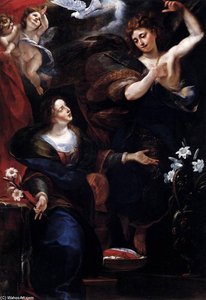
El estilo maduro de Procaccini es una síntesis asombrosa de diversas influencias europeas, destacando notablemente el vibrante colorismo de la escuela veneciana y las composiciones amplias y enérgicas de Peter Paul Rubens. Sus obras se caracterizan por un uso dramático del chiaroscuro, donde las sombras profundas danzan contra luces luminosas para crear una sensación de movimiento teatral. En obras maestras como La Anunciación, uno puede presenciar este drama barroco de primera mano, mientras los colores vibrantes y los drapeados fluidos evocan un profundo sentido de intervención divina. Su habilidad para manipular la luz le permitió insuflar vida a las narrativas religiosas, transformando iconos estáticos en momentos vivos y palpitantes de éxtasis espiritual.
Su destreza técnica es quizás más evidente en sus encargos religiosos de gran escala, que sirvieron tanto como triunfos artísticos como instrumentos de fe. Entre los ejemplos más notables se encuentran:
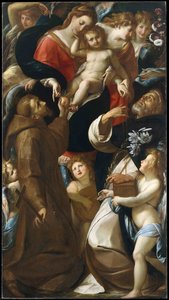
- Virgen con el Niño con San Francisco, San Domingo y Ángeles: Un óleo monumental sobre lienzo encargado para la iglesia de Madonna dei Miracoli en Corbetta, donde fusiona magistralmente la elegancia manierista con una nueva y creciente energía barroca.
- Los Seis Quadroni: Quizás su logro más celebrado, estos grandes lienzos que representan a San Carlos Borromeo fueron encargados para la Basílica della Santissima Annunziata del Vastato en Génova, demostrando su capacidad para manejar una escala épica y monumental.
- San Sebastián atendido por Ángeles: Una obra que resalta su toque delicado y su habilidad para entrelazar temas de sufrimiento y ternura divina a través de composiciones fluidas y rítmicas.
Significancia Histórica y Triunfo Artístico
La importancia histórica de Giulio Cesare Procaccini reside en su papel como puente entre dos mundos. Tomó la elegancia sofisticada y a menudo artificial del periodo manierista y la infundió con una nueva humanidad visceral que resonó con el fervor religioso de la Italia del siglo XVII. Su obra no se limita a representar una escena; invita al espectador a una experiencia sensorial de lo divino. A través de su maestría en el color, la luz y el movimiento, ayudó a establecer a Milán como un centro principal de excelencia barroca, dejando tras de sí un legado de retablos y frescos que continúan cautivando la imaginación moderna con su profunda profundidad emocional y brillantez técnica.
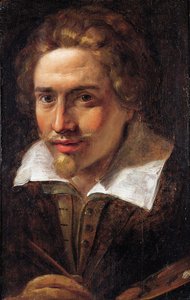
Giulio Cesare Procaccini
1574 - 1625 , Italia
Datos clave
- Artistic Movement Or Style: Barroco
- Artists Or Movements Influenced By This Artist: ['Rubens']
- Artists Who Influenced This Artist: ['Ercole Procaccini']
- Date Of Birth: 1574 Bologna, Italia
- Date Of Death: 1625 Milano, Italia
- Full Name: Giulio Cesare Procaccini
- Nationality: Italiano
- Notable Artworks:
- Circumcision
- La Oraci%C3%B3n en el huerto
- El Último Cena
- Place Of Birth: Bologna
Artículos relacionados
El Greco: Las 25 Obras Maestras que Definen un Genio del Arte y la Fe
Descubre las 25 obras maestras de El Greco, el genio del Renacimiento español. Explora su arte religioso, manierismo y la historia detrás de cuadros icónicos como 'El Entierro del Conde de Orgaz'. Encuentra reproducciones de alta calidad en ArtsDot.com.
Las 10 Obras de Arte Más Místicas: Inspiración para el Hogar y el Alma
Descubre las 10 obras de arte más místicas de Dalí, Botticelli y Klimt. Explora su simbolismo, historia y técnicas en . Encuentra reproducciones de alta calidad para crear un ambiente único.
Giulio Romano: A Master of Mannerism & the Palazzo Te Legacy
Explore the revolutionary art of Giulio Romano, master of Mannerism & architect of Palazzo Te. Discover his influence, investment potential, and stunning frescoes – a guide for discerning collectors.

El Encanto de lo Místico en el Arte: Resonancia Emocional y Profundidad Simbólica
Descubra el fascinante mundo del arte místico y surrealista. Explore la profundidad simbólica de De Chirico, Savinio y más. Análisis experto para coleccionistas exigentes.
Paul César Helleu: Capturing Belle Époque Elegance & Artistic Innovation
Explore the captivating world of Paul César Helleu, master portraitist of the Belle Époque. Discover his innovative techniques, iconic works like 'Portrait of Margaret Kelly,' and investment potential with ArtsDot.

