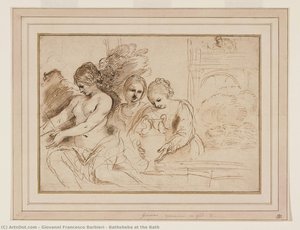
 Vista previa
 Compartir
 Compartir
 Ver detalles

 Descargar
 Ver similares
 Radiografía
 Presentación de diapositivas
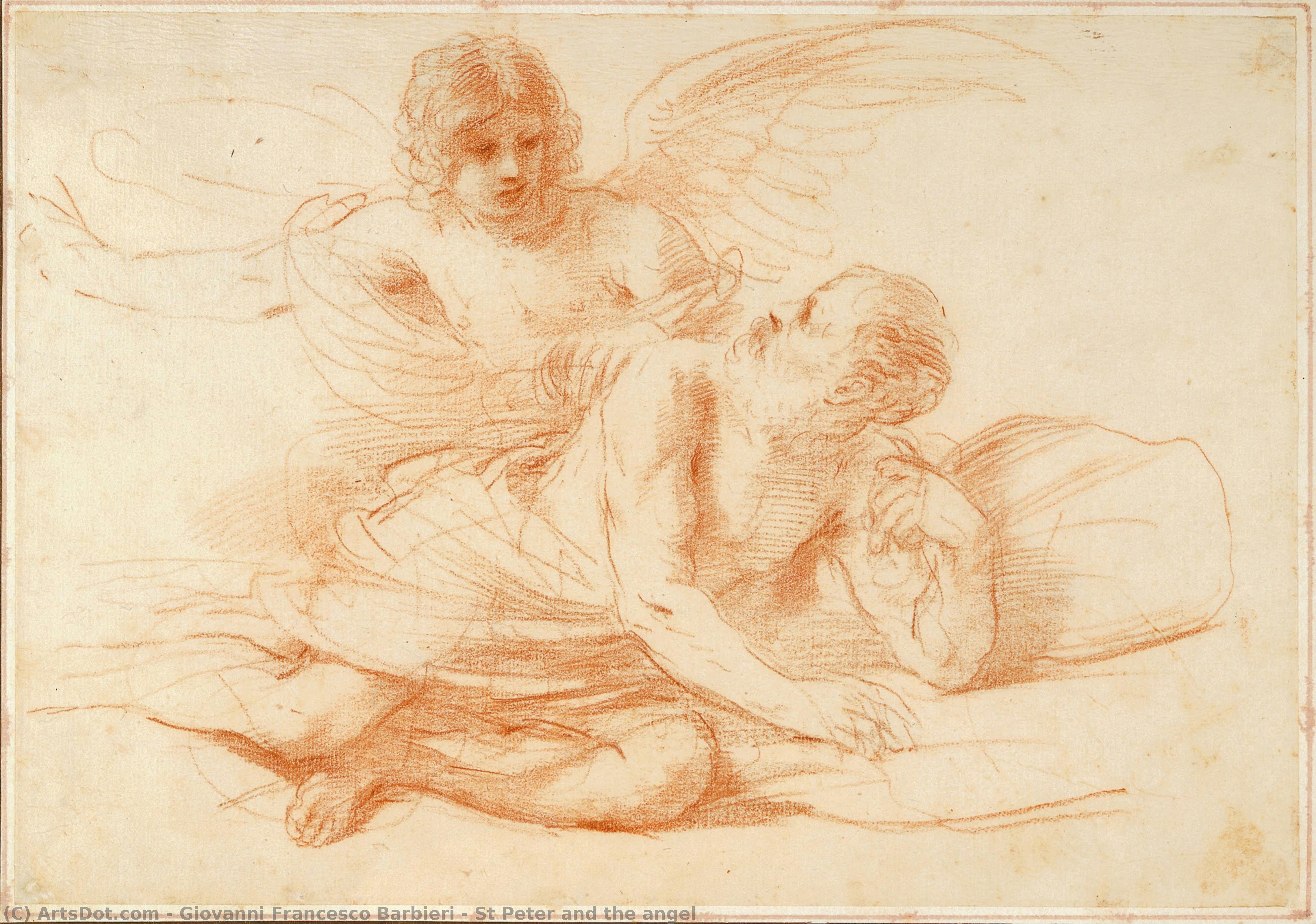
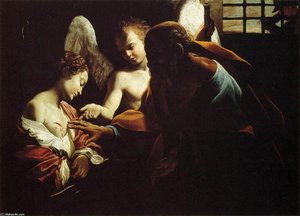
St Peter and the angel
 Acrílico sobre lienzo
- Arte de pared
- Baroque Painting
 1650
1650 30.0 x 21.0 cm
 Galería de Arte de Australia del Sur
 Leer más
Reproducción al óleo hecha a mano
Óleo sobre lienzo pintado a mano en el tamaño y marco de su elección, realizado por encargo por nuestros artistas. ( Pedir impresión Comprar descarga)




P118B $10

P118H $10

P118W $10

P438Z $10

P508JH $12

P508YH $12

P805H $10

P805Z $10

P919BZ $10

P919G $10

P919XJ $10

P959ZH $10

P968JZ $12

W106C $8

W218G $10

W218JH $8

W218Y $10

W307PJ $10

W316G $10

W316PJ $8

W316Y $10

W398PJ $8

W4111J $10

W500HY $15

W500JH $15

W692G $12

W849H $8

W940BG $15

W953PJ $8




Elija entre nuestros tamaños predefinidos que respetan las proporciones originales de la obra.

Puede ingresar sus propias dimensiones para adaptarse a un marco o espacio específico. Si el tamaño seleccionado no coincide con las proporciones de la imagen original, recortaremos la obra o extenderemos la pintura con elementos adicionales pintados a mano. Se le enviará una maqueta digital para su aprobación antes de comenzar la producción.
Tenga en cuenta que la vista previa en pantalla no refleja el recorte o la extensión reales. Solo la maqueta mostrará con precisión la composición final.
Si bien existen tamaños personalizados, recomendamos seleccionar una dimensión de la lista predefinida para preservar las proporciones originales.
Tras realizar el pedido, el equipo de ArtsDot.com enviará un correo electrónico al cliente para solicitar instrucciones y proporcionarle una vista previa del boceto.
Envío a todo el mundo () en 3-4 semanas en lugar de las 5 semanas estándar. (20 agosto). Sin comprometer la calidad.

Envío exprés gratuito a todo el mundo

Lienzo de lino de alta calidad

Seguro de envío completo

Garantía de reembolso de aranceles aduaneros

Garantía de fidelidad cromática exacta

Política de devolución de 60 días (solo por defectos)

Garantía de devolución del 100% del dinero

Oferta por volumen
 La opción de vidrio solo está disponible en tamaños inferiores a 110 cm.

St Peter and the angel
Técnica de reproducción
Tamaño de la reproducción
-


Precio total
$ 263
Descripción de la obra
St Peter and the Angel: A Vision of Divine Comfort
Guercino’s “St Peter and the Angel” is not merely a depiction of biblical figures; it's an intensely felt moment of solace, rendered with a raw emotionalism that distinguishes the artist from his more polished contemporaries. Painted in 1650, this work, measuring a modest 30 x 21 cm, embodies the turbulent spirit of Baroque Italy – a world grappling with religious fervor and social upheaval, yet simultaneously yearning for moments of grace and spiritual connection. The scene unfolds within a dimly lit chamber, suggesting an intimate setting where Peter, depicted in repose on a simple bed, receives comfort from an angel hovering above him. This isn’t the idealized serenity often found in religious art; instead, there's a palpable vulnerability in Peter’s posture, his arms outstretched as if seeking reassurance. The angel, rendered with a gentle, almost melancholic expression, offers not just support but a profound sense of understanding – a silent acknowledgment of earthly burdens.
Guercino’s distinctive style is immediately apparent. He eschews the smooth, polished surfaces favored by many of his time, opting instead for a deliberately rough and expressive application of paint. Notice the visible brushstrokes, particularly in the drapery and the angel's wings, which seem to ripple with movement. This technique, combined with his masterful use of chiaroscuro – the dramatic contrast between light and shadow – creates an atmosphere of heightened emotion and psychological depth. The muted palette, dominated by browns, ochres, and deep blues, further contributes to the painting’s somber yet comforting mood. The artist's background in drawing is evident in the meticulous detail with which he renders Peter’s face and hands, conveying a sense of humanity rarely found in grand religious narratives.
A Study in Symbolism and Spiritual Narrative
Beyond its immediate depiction, “St Peter and the Angel” is rich in symbolic meaning. The bed itself represents vulnerability and surrender – Peter, a figure known for his earthly failings (his denial of Christ), is presented as open to divine grace. The angel’s presence signifies God's unwavering compassion and forgiveness. The positioning of the figures—Peter lying down, the angel standing above—highlights the dynamic between humility and authority, suggesting that true strength lies in acknowledging one’s need for guidance. The overall composition draws heavily on biblical themes of repentance and redemption, but Guercino imbues them with a profoundly personal and relatable quality.
Interestingly, the painting's historical context adds another layer of interpretation. The mid-17th century was a period of intense religious debate in Italy, marked by the Counter-Reformation and the rise of the Catholic Church’s efforts to combat Protestantism. In this environment, art served as a powerful tool for conveying religious messages. Guercino's work, with its emphasis on emotional sincerity and human vulnerability, aligns perfectly with the Church’s desire to reconnect with the faithful through relatable imagery. The scene resonates with the idea of divine mercy—a key tenet of Catholic theology during this era.
The Artist and His Legacy
Giovanni Francesco Barbieri, known as Il Guercino (the squint), was a complex and often misunderstood artist. Born in Cento in 1591, his early life was marked by unconventional training—he largely taught himself, developing a strikingly individual style that defied the conventions of the Bolognese school. His work is characterized by its dramatic intensity, expressive brushwork, and profound psychological insight. Guercino’s career spanned several decades, during which he produced a vast body of paintings, drawings, and etchings. He was particularly renowned for his depictions of biblical scenes and portraits, often infused with a sense of urgency and emotional turmoil.
Despite facing periods of financial hardship and professional setbacks, Guercino remained committed to his artistic vision until his death in 1666. His legacy is one of innovation and emotional depth—he pushed the boundaries of Baroque painting, creating works that continue to captivate viewers with their raw honesty and profound spiritual resonance. Reproductions of “St Peter and the Angel” offer a remarkable opportunity to experience this powerful artwork firsthand, allowing us to appreciate the genius of Guercino’s vision and his enduring contribution to the history of art.
Further Research & Reproduction Details
- Useful Links:
- St Peter's Basilica, Vatican City
- St Peter’s College, Oxford
- St Peter's House, Stromness
Additional Research: The painting is available as a high-quality hand-painted reproduction by ArtsDot.com, capturing the artist’s signature style and emotional intensity. Explore our collection for a stunning addition to your home or office – a timeless reminder of faith, compassion, and the enduring power of human connection.
Obras relacionadas
Biografía del artista
Primeros años y formación
Giovanni Francesco Barbieri, conocido como Guercino, nació en 1591 en Cento, cerca de Ferrara. Sus inicios artísticos se desarrollaron bajo la tutela de Ludovico Carracci, un renombrado pintor boloñés. Esta formación sentó las bases para el futuro éxito de Guercino.Estilo artístico y obras notables
El estilo de Guercino se caracteriza por una iluminación dramática, intensas emociones y una fusión de realismo e idealismo, señas distintivas del período barroco. Algunas de sus obras más destacadas incluyen:- Amnón y Tamar (óleo sobre lienzo, barroco) - Una representación conmovedora de la historia bíblica.
- El retorno del hijo pródigo (óleo sobre lienzo, barroco) - Una poderosa representación de arrepentimiento y perdón.
- La vocación de San Aloysius (Luigi) Gonzaga (óleo sobre lienzo, barroco) - Una obra maestra que muestra la habilidad de Guercino para capturar la esencia de las narrativas religiosas.
Evolución artística y influencias
Guercino experimentó una notable evolución en su estilo a lo largo de su carrera. Inicialmente influenciado por el naturalismo y los modelos de Ferrarese y Boloñeses, como Scarsellino y Carlo Bononi, así como la escuela Carracci, adoptó posteriormente un clasicismo más refinado, especialmente después de su estancia en Roma bajo el papado de Gregorio XV (1621-1623). Su obra temprana se caracteriza por paisajes con una notable independencia artística. La influencia de Ludovico Carracci fue fundamental, particularmente a través del estudio de una Madonna pintada para la iglesia capuchina de Cento, conocida como "La Carraccina". A medida que maduró, Guercino exploró el uso de la luz y la sombra (claroscuro) para crear efectos dramáticos y emocionales.Legado e influencia
La influencia de Guercino en la pintura barroca es innegable. Su uso dramático de la luz y la sombra, junto con su capacidad para evocar emociones poderosas, ha inspirado a generaciones de artistas. Su habilidad para combinar realismo y idealismo, así como su maestría en la representación de temas religiosos, lo convirtieron en una figura clave del arte italiano. A pesar de las críticas ocasionales sobre cambios estilísticos posteriores en su carrera, Guercino dejó un legado duradero que continúa siendo celebrado a través de sus obras, ahora parte de las colecciones más prestigiosas del mundo. El Palazzo Brignole-Sale en Italia y otras instituciones notables han contribuido a preservar el patrimonio artístico de Guercino, asegurando que sus obras sigan siendo una fuente de inspiración para los entusiastas del arte en todo el mundo.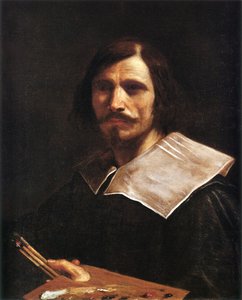
Guercino
1591 - 1666 , Italia
Datos clave
- Artistas Influyentes: ['Ludovico Carracci']
- Estilo Artístico: Barroco
- Fecha De Muerte: 22 de diciembre de 1666
- Fecha De Nacimiento: 8 de febrero de 1591
- Influencia En Artistas: ['Benedetto Gennari II']
- Lugar De Nacimiento: Cento, Italia
- Nacionalidad: Italiana
- Nombre Completo: Guercino (Giovanni Barbieri)
- Obras Notables:
- Amnón y Tamar
- El regreso del hijo pródigo
- La vocación de San Luis Gonzaga
Artículos relacionados
Celestial Messengers: Angels in Painting – A Historical & Artistic Exploration
Explore the captivating history of angels in painting! Discover symbolism, iconic Renaissance & Byzantine masterpieces, and renowned artists. Expert insights for art lovers & collectors at ArtsDot.
Guercino: A Baroque Master Between Caravaggism & Classicism – Exploring Innovation & Emotional Depth
Explore the captivating world of Guercino, a Baroque master bridging Caravaggism & Classicism. Discover his dramatic chiaroscuro, emotional depth, and lasting influence on art history with ArtsDot.
Celestial Messengers: A Comprehensive Exploration of Angelic Representation in Art History
Explore the captivating history of angels in art! Discover symbolism, iconic Renaissance masterpieces & renowned artists. Expert insights for art lovers & collectors at ArtsDot.

The Dramatic Flourish: Exploring the Baroque Movement's Enduring Legacy in Art History
Explore the dramatic world of Baroque art! Discover iconic artists like Caravaggio & Rubens, defining techniques, and its lasting impact on art history. Expert insights for collectors & enthusiasts at ArtsDot.

Barroco Sublime: 10 Obras Maestras que Definieron una Época |
Descubre las 10 obras maestras del Barroco que marcaron una época. Caravaggio, Bernini y Velázquez cobran vida en . Reproducciones de arte de calidad museo para decorar tu hogar con elegancia. ¡Explora la colección online!