

 Ver en contexto
 Enviar
 Compartir
 Detalles

 Descargar
 Similares
 Radiografía
 Presentación de diapositivas
 Stats
StatsThe Song of Songs


 Ver más
Adquiera una imagen digital de alta resolución y optimizada, muy superior a la vista previa en línea.
Cada archivo es preparado meticulosamente por nuestros especialistas internos mediante el uso de herramientas avanzadas y un experto retoque manual. Nos aseguramos de que cada imagen posea una claridad excepcional, una precisión cromática impecable y un detalle minucioso.
El archivo final se entrega por correo electrónico en un plazo de 72 horas, optimizado para su uso inmediato en entornos profesionales, editoriales y de impresión. Esta es la misma calidad en la que confían los estudios de diseño, las editoriales y las galerías de primer nivel.
Imagen Digital
Descarga un archivo de alta resolución para exhibición personal, impresión y proyectos creativos. ( Switch to Print Comprar pintura hecha a mano)
Incluido en cada pedido de imágenes digitales
Entrega digital experta, garantizada.
Al elegir ArtsDot.com, no solo está adquiriendo una imagen; está recibiendo una obra de arte digital mejorada profesionalmente, elaborada con precisión y respaldada por una garantía de satisfacción. Esto es todo lo que incluye su pedido, automáticamente:

Entrega rápida por email
Recibirá su archivo de imagen digital en alta resolución por correo electrónico en un plazo de 72 horas tras realizar su pedido, listo para su uso inmediato.

Archivo digital optimizado por IA
Su obra de arte se optimiza profesionalmente mediante herramientas avanzadas de IA y edición manual, garantizando el máximo detalle, claridad y precisión cromática.

Reenvío gratuito de por vida
¿Has borrado o perdido tu archivo por error? No te preocupes: te lo volveremos a enviar en cualquier momento, sin coste adicional.

Sin gastos de importación, siempre
Disfrute de su obra de arte al instante sin aduanas, aranceles ni gastos de envío; las descargas digitales siempre están libres de impuestos.

Garantía de fidelidad de color
Garantizamos que su imagen digital refleje los colores originales con la mayor fidelidad posible, mediante el uso de herramientas profesionales y gestión del color.

Garantía de satisfacción de 100 días
Si no está satisfecho con su imagen digital, la revisaremos o le reembolsaremos el 100% en un plazo de 100 días, sin preguntas.

100% Garantía de devolución de dinero
¿No está satisfecho? Obtenga un reembolso completo dentro de los 100 días posteriores a la recepción de su archivo digital, sin preguntas.

Descuentos por pedidos grandes
Compra 3 imágenes, ahorra 10% - Compra 5, ahorra 15% - Compra 10+, ahorra 20%. Ideal para proyectos creativos, galerías y agencias.
A Vision of Mythic Longing: Gustave Moreau’s “The Song of Songs”
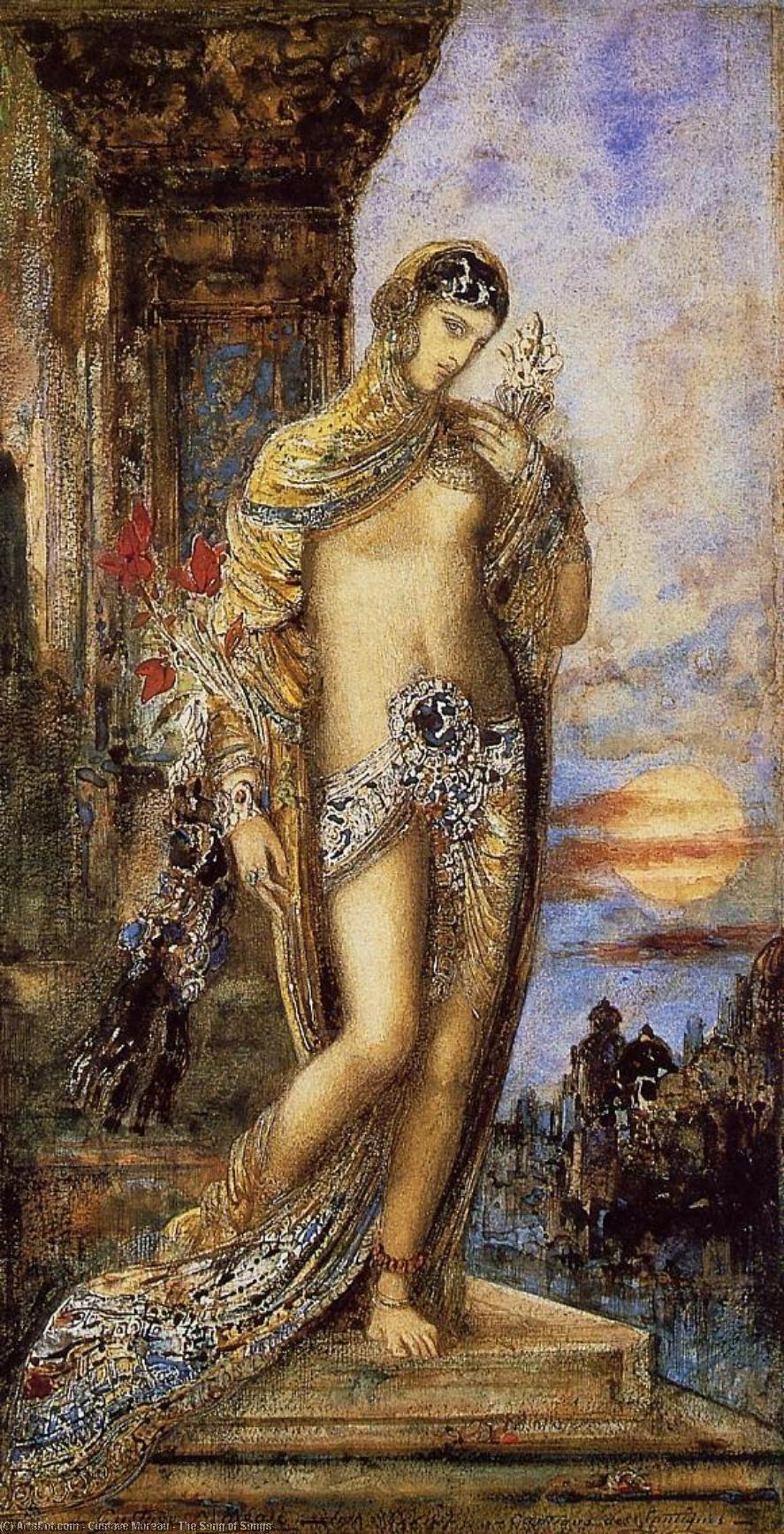
Gustave Moreau's "The Song of Songs," painted in 1893, is not merely a depiction; it’s an immersion into the richly layered world of Symbolist fantasy. This watercolor masterpiece, born from the artist’s profound engagement with mythology and the human psyche, immediately captivates with its enigmatic beauty and unsettling stillness. The central figure, a woman poised on a pedestal, embodies a timeless quality, her hands clasped in a gesture that suggests both reverence and yearning. Her veiled form adds to the sense of mystery, inviting viewers to contemplate unseen narratives and unspoken emotions. Moreau’s work represents a deliberate rejection of the naturalism favored by his contemporaries, instead embracing a deliberately artificial aesthetic—a key characteristic of Symbolism—to evoke profound psychological states.
- Subject Matter: The painting draws heavily from the biblical Song of Songs, a passionate and often ambiguous love poem. However, Moreau doesn’t offer a straightforward interpretation; rather, he transforms this ancient text into a vehicle for exploring themes of desire, loss, and spiritual longing.
- Style & Symbolism: Moreau was a pivotal figure in the Symbolist movement, prioritizing emotional impact and symbolic representation over realistic depiction. The composition is deliberately dreamlike, populated with figures that seem to exist outside of conventional space and time. The bird, a frequent motif in Moreau’s work, likely symbolizes hope or transcendence, while the overall atmosphere suggests a state of suspended animation—a moment caught between worlds.
The Artist's Hand: Technique and Medium
Created entirely in watercolor, “The Song of Songs” showcases Moreau’s masterful control over this delicate medium. The washes of color are luminous and ethereal, creating a sense of depth and atmosphere that is characteristic of his style. Notice the subtle gradations of tone, achieved through layering and blending, which contribute to the painting's dreamlike quality. Moreau’s meticulous attention to detail—evident in the folds of the woman’s garment and the intricate patterns surrounding her—further enhances the work’s visual richness. The use of watercolor allowed for a fluidity and luminosity that was difficult to achieve with oil paints, perfectly suited to his symbolic aims.
- Watercolor Medium: Moreau's choice of watercolor is crucial to the painting's effect. The transparency of the medium allows light to pass through, creating a sense of otherworldly radiance.
- Detailed Brushwork: Despite the ethereal quality, the painting reveals a remarkable level of technical skill in its precise brushstrokes and careful rendering of form.
Historical Context & Moreau’s Vision
Painted in 1893, “The Song of Songs” reflects the intellectual climate of late 19th-century Paris—a period marked by a renewed interest in mythology, religion, and psychology. Moreau was deeply influenced by thinkers such as Nietzsche and Wagner, who were exploring themes of decadence, spirituality, and the power of myth. His work can be seen as part of a broader artistic movement that sought to challenge conventional notions of reality and explore the darker aspects of human experience. Moreau’s personal life, marked by a troubled marriage and a fascination with the occult, undoubtedly informed his artistic vision.
- Symbolist Movement: “The Song of Songs” exemplifies the core tenets of Symbolism—a focus on subjective emotion, symbolic representation, and the exploration of the unconscious.
- Parisian Artistic Scene: Moreau’s work was part of a vibrant artistic community in Paris, alongside artists like Odilon Redon and Pierre Puvis de Chavannes.
Emotional Resonance & Collecting
"The Song of Songs" transcends mere representation; it evokes a profound sense of melancholy, longing, and spiritual yearning. Its haunting beauty and enigmatic symbolism continue to resonate with viewers today. A hand-painted reproduction offers an unparalleled opportunity to bring this extraordinary artwork into your home or office—a testament to Moreau’s genius and a source of endless contemplation. This piece is ideal for those seeking to infuse their spaces with a touch of timeless mystery and artistic depth.
Obras relacionadas
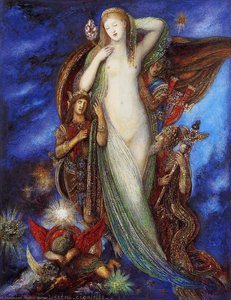
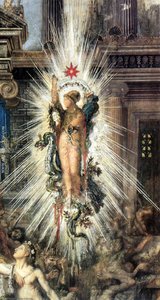
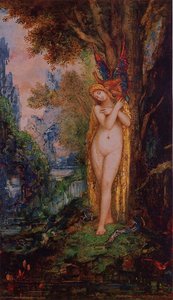
Biografía del artista
**vida temprana y educación**
gustave moreau, un artista francés, nació el 6 de abril de 1826 en París. Recibió una formación académica tradicional en pintura en la école des beaux-arts, mostrando una aptitud para el dibujo desde temprana edad.**el movimiento simbolista**
La obra de Moreau, caracterizada por temas alegóricos y mitológicos, lo posicionó como un destacado pintor simbolista, especialmente durante los años 1890. Su arte (y el simbolismo en general) cayó en desfavor pero ha sido reevaluado desde la década de 1960, con Moreau ahora considerado entre los pintores simbolistas más importantes.**obras notables y exposiciones**
* salomé en la prisión (pintura de 'gustave moreau') es un ejemplo notable de su obra, mostrando su dominio del simbolismo. * autorretrato (pintura de 'gustave moreau') es otra poderosa representación del artista en sí mismo.**museo gustavo moreau**
El museo nacional gustavo-moreau (museo gustavo moreau paris, francia) en París está dedicado a la obra de Moreau, que alberga más de 1200 pinturas, acuarelas y dibujos. El museo es un testimonio de su legado artístico.**legado e influencia**
La influencia de Moreau en el movimiento simbolista es innegable. Enseñó en la école des beaux-arts, influyendo en artistas notables como hénri matisse y giorges rouault. Su naturaleza reclusiva no disminuyó su impacto en el mundo del arte.- descubra más sobre la vida y obra de gustavo moreau en ArtsDot.com
- explore el museo nacional gustavo-moreau y su impresionante colección de obras de arte en museo gustavo moreau paris, francia
- aprenda más sobre el movimiento simbolista y su importancia en la historia del arte en el movimiento simbolista de arte
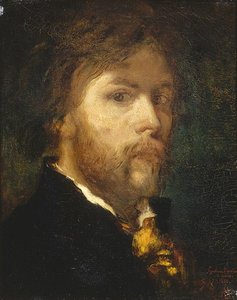
Gustave Moreau
1826 - 1898 , Francia
Breves datos
- Artistas Influenciados:
- Henri Matisse
- Georges Rouault
- Artistas Que Influyeron:
- Eugène Delacroix
- Miguel Ángel
- Leonardo da Vinci
- Fecha De Muerte: 1898
- Fecha De Nacimiento: 6 de abril de 1826
- Lugar De Nacimiento: París, Francia
- Movimiento Artístico: Simbolismo
- Nacionalidad: Francés
- Nombre Completo: Gustave Moreau
- Obras Notables:
- Salomé en la prisión
- Autorretrato
- Júpiter y Semele
- Orfeo
- La Aparición