 Ver en contexto
 Enviar
 Compartir
 Detalles

 Descargar
 Similares
 Radiografía
 Presentación de diapositivas
 Estadísticas
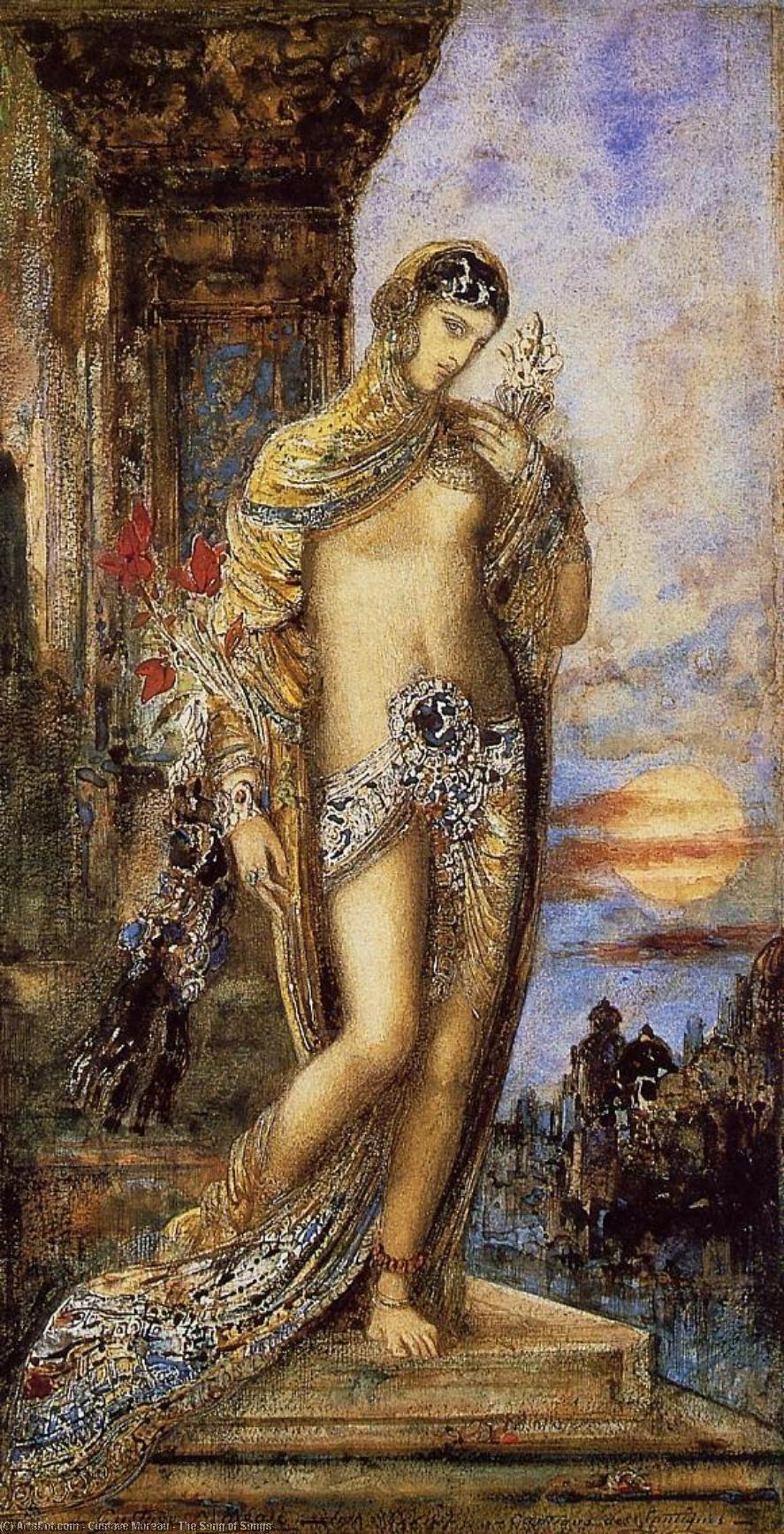
The Song of Songs


 Ver más
Giclée / Impresión de arte
Impresiones giclée o en lienzo de calidad de museo con producción rápida y opciones de acabado flexibles. ( Comprar pintura hecha a mano Cambiar a imagen digital)




P118B $10

P118H $10

P118W $10

P438Z $10

P508JH $12

P508YH $12

P805H $10

P805Z $10

P919BZ $10

P919G $10

P919XJ $10

P959ZH $10

P968JZ $12

W106C $8

W218G $10

W218JH $8

W218Y $10

W307PJ $10

W316G $10

W316PJ $8

W316Y $10

W398PJ $8

W4111J $10

W500HY $15

W500JH $15

W692G $12

W849H $8

W940BG $15

W953PJ $8




Elija entre nuestros tamaños predefinidos que respetan las proporciones originales de la obra.

Puede introducir sus propias dimensiones para adaptarse a un marco o espacio específico. Si el tamaño seleccionado no coincide con las proporciones de la imagen original, recortaremos la obra de arte o extenderemos la imagen con un borde con efecto espejo o de color sólido. Se enviará una maqueta digital para su aprobación antes de que comience la producción.
Tenga en cuenta que la vista previa en pantalla no refleja el recorte o la extensión real. Solo la maqueta mostrará con precisión la composición final.
Aunque existen tamaños personalizados, recomendamos seleccionar una dimensión de la lista predefinida para preservar las proporciones originales.
Envío a todo el mundo () en 2 semanas en lugar de las 4/5 semanas estándar. (8 septiembre)

Envío exprés gratuito a todo el mundo

Lienzo de lino de alta calidad

Seguro de envío total

Garantía de reembolso de impuestos aduaneros

Garantía de fidelidad cromática exacta

Política de devolución de 100 días (solo por defectos)

Garantía de devolución del 100% del dinero

Descuento por cantidad
 La opción de vidrio solo está disponible en tamaños inferiores a 110 cm.

The Song of Songs
Giclée / Impresión de arte
Dimensiones de la reproducción
-


Precio total final
$ 62
A Vision of Mythic Longing: Gustave Moreau’s “The Song of Songs”
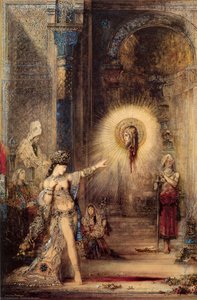
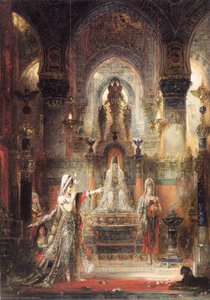
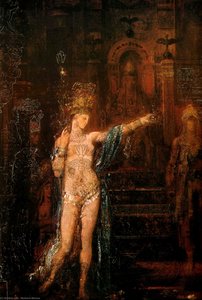
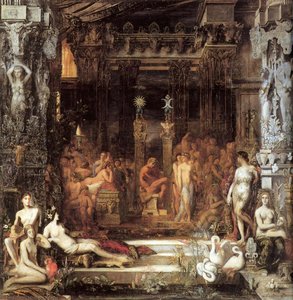
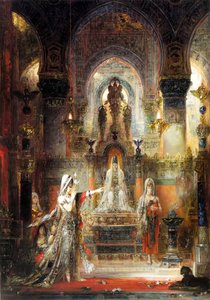
Gustave Moreau's "The Song of Songs," painted in 1893, is not merely a depiction; it’s an immersion into the richly layered world of Symbolist fantasy. This watercolor masterpiece, born from the artist’s profound engagement with mythology and the human psyche, immediately captivates with its enigmatic beauty and unsettling stillness. The central figure, a woman poised on a pedestal, embodies a timeless quality, her hands clasped in a gesture that suggests both reverence and yearning. Her veiled form adds to the sense of mystery, inviting viewers to contemplate unseen narratives and unspoken emotions. Moreau’s work represents a deliberate rejection of the naturalism favored by his contemporaries, instead embracing a deliberately artificial aesthetic—a key characteristic of Symbolism—to evoke profound psychological states.
- Subject Matter: The painting draws heavily from the biblical Song of Songs, a passionate and often ambiguous love poem. However, Moreau doesn’t offer a straightforward interpretation; rather, he transforms this ancient text into a vehicle for exploring themes of desire, loss, and spiritual longing.
- Style & Symbolism: Moreau was a pivotal figure in the Symbolist movement, prioritizing emotional impact and symbolic representation over realistic depiction. The composition is deliberately dreamlike, populated with figures that seem to exist outside of conventional space and time. The bird, a frequent motif in Moreau’s work, likely symbolizes hope or transcendence, while the overall atmosphere suggests a state of suspended animation—a moment caught between worlds.
The Artist's Hand: Technique and Medium
Created entirely in watercolor, “The Song of Songs” showcases Moreau’s masterful control over this delicate medium. The washes of color are luminous and ethereal, creating a sense of depth and atmosphere that is characteristic of his style. Notice the subtle gradations of tone, achieved through layering and blending, which contribute to the painting's dreamlike quality. Moreau’s meticulous attention to detail—evident in the folds of the woman’s garment and the intricate patterns surrounding her—further enhances the work’s visual richness. The use of watercolor allowed for a fluidity and luminosity that was difficult to achieve with oil paints, perfectly suited to his symbolic aims.
- Watercolor Medium: Moreau's choice of watercolor is crucial to the painting's effect. The transparency of the medium allows light to pass through, creating a sense of otherworldly radiance.
- Detailed Brushwork: Despite the ethereal quality, the painting reveals a remarkable level of technical skill in its precise brushstrokes and careful rendering of form.
Historical Context & Moreau’s Vision
Painted in 1893, “The Song of Songs” reflects the intellectual climate of late 19th-century Paris—a period marked by a renewed interest in mythology, religion, and psychology. Moreau was deeply influenced by thinkers such as Nietzsche and Wagner, who were exploring themes of decadence, spirituality, and the power of myth. His work can be seen as part of a broader artistic movement that sought to challenge conventional notions of reality and explore the darker aspects of human experience. Moreau’s personal life, marked by a troubled marriage and a fascination with the occult, undoubtedly informed his artistic vision.
- Symbolist Movement: “The Song of Songs” exemplifies the core tenets of Symbolism—a focus on subjective emotion, symbolic representation, and the exploration of the unconscious.
- Parisian Artistic Scene: Moreau’s work was part of a vibrant artistic community in Paris, alongside artists like Odilon Redon and Pierre Puvis de Chavannes.
Emotional Resonance & Collecting
"The Song of Songs" transcends mere representation; it evokes a profound sense of melancholy, longing, and spiritual yearning. Its haunting beauty and enigmatic symbolism continue to resonate with viewers today. A hand-painted reproduction offers an unparalleled opportunity to bring this extraordinary artwork into your home or office—a testament to Moreau’s genius and a source of endless contemplation. This piece is ideal for those seeking to infuse their spaces with a touch of timeless mystery and artistic depth.
Obras relacionadas
Biografía del artista
**vida temprana y educación**
gustave moreau, un artista francés, nació el 6 de abril de 1826 en París. Recibió una formación académica tradicional en pintura en la école des beaux-arts, mostrando una aptitud para el dibujo desde temprana edad.**el movimiento simbolista**
La obra de Moreau, caracterizada por temas alegóricos y mitológicos, lo posicionó como un destacado pintor simbolista, especialmente durante los años 1890. Su arte (y el simbolismo en general) cayó en desfavor pero ha sido reevaluado desde la década de 1960, con Moreau ahora considerado entre los pintores simbolistas más importantes.**obras notables y exposiciones**
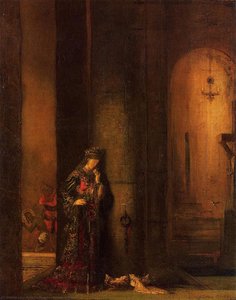
* salomé en la prisión (pintura de 'gustave moreau') es un ejemplo notable de su obra, mostrando su dominio del simbolismo. * autorretrato (pintura de 'gustave moreau') es otra poderosa representación del artista en sí mismo.**museo gustavo moreau**
El museo nacional gustavo-moreau (museo gustavo moreau paris, francia) en París está dedicado a la obra de Moreau, que alberga más de 1200 pinturas, acuarelas y dibujos. El museo es un testimonio de su legado artístico.**legado e influencia**
La influencia de Moreau en el movimiento simbolista es innegable. Enseñó en la école des beaux-arts, influyendo en artistas notables como hénri matisse y giorges rouault. Su naturaleza reclusiva no disminuyó su impacto en el mundo del arte.- descubra más sobre la vida y obra de gustavo moreau en ArtsDot.com
- explore el museo nacional gustavo-moreau y su impresionante colección de obras de arte en museo gustavo moreau paris, francia
- aprenda más sobre el movimiento simbolista y su importancia en la historia del arte en el movimiento simbolista de arte
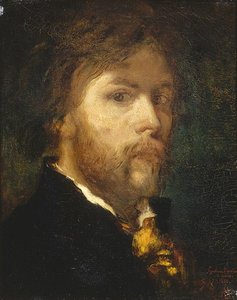
Gustave Moreau
1826 - 1898 , Francia
Datos clave
- Artistas Influenciados:
- Henri Matisse
- Georges Rouault
- Artistas Que Influyeron:
- Eugène Delacroix
- Miguel Ángel
- Leonardo da Vinci
- Fecha De Muerte: 1898
- Fecha De Nacimiento: 6 de abril de 1826
- Lugar De Nacimiento: París, Francia
- Movimiento Artístico: Simbolismo
- Nacionalidad: Francés
- Nombre Completo: Gustave Moreau
- Obras Notables:
- Salomé en la prisión
- Autorretrato
- Júpiter y Semele
- Orfeo
- La Aparición
Artículos relacionados

Ephemeral Visions: Exploring the Artistic Legacy & Nuances of Watercolor Painting
Explore the captivating world of watercolor painting! Discover its rich history, essential techniques, influential artists & collecting tips from art experts. A comprehensive guide for enthusiasts.

Ephemeral Visions: Exploring the Artistic Legacy & Contemporary Practice of Watercolor Painting
Explore the captivating world of watercolor painting! Discover its rich history, essential techniques, influential artists & collecting tips. A comprehensive guide for art enthusiasts from ArtsDot.

Giclée Prints: Archival Quality & Aesthetic Nuances for the Discerning Collector
Explore the world of giclée prints with ArtsDot. Learn about archival quality, aesthetic nuances & investment potential. Expert guidance for discerning art collectors seeking museum-quality reproductions and lasting value.

Visiones Efímeras: Historia y Resonancia Emocional de la Pintura Acuarela
Descubre la fascinante historia de la acuarela, desde sus orígenes hasta su expresión contemporánea. Explora técnicas, artistas clave como Paul Klee y encuentra reproducciones de alta calidad en ArtsDot.

Acuarelas Legendarias: 10 Obras Maestras que Transformaron el Arte | ArtsDot
Descubre 10 acuarelas legendarias de Turner, Monet y Sargent que revolucionaron el arte. Explora la historia, técnica y belleza de estas obras maestras impresionistas y románticas. Reproducciones de museo en ArtsDot.com.