

 Ver en contexto
 Enviar
 Compartir
 Detalles

 Descargar
 Similares
 Radiografía
 Presentación de diapositivas
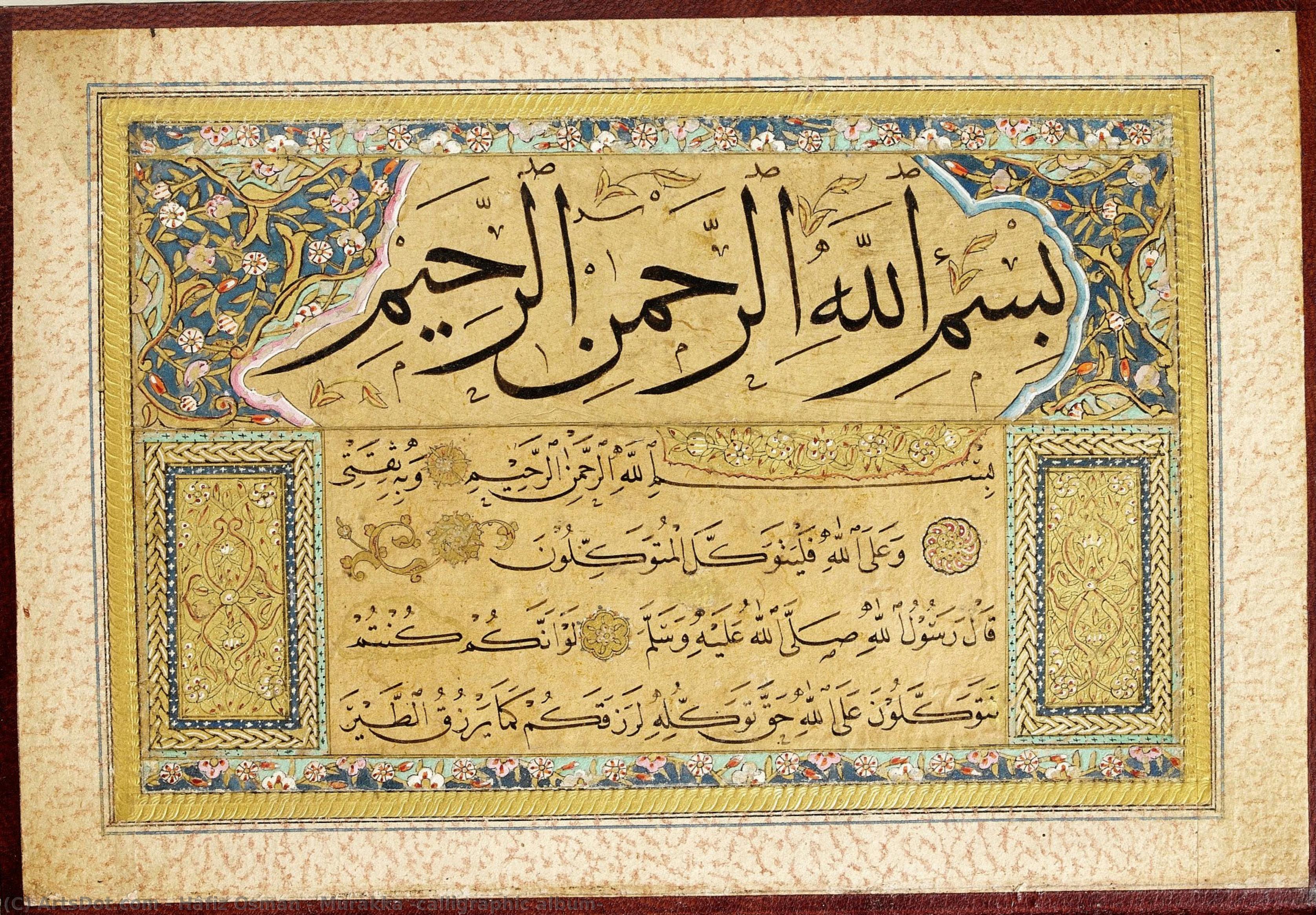
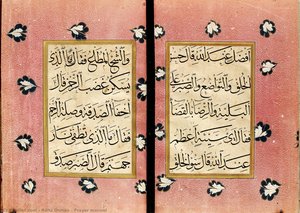
Murakka (calligraphic album)
 Ink
Ink- WallArt
- Ottoman Calligraphy
 1690
1690- Early Modern
 16.0 x 23.0 cm
 Museo Sakıp Sabancı
 Ver más
Reproducción al óleo hecha a mano
Óleo sobre lienzo pintado a mano en el tamaño y marco de su elección, realizado por encargo por nuestros artistas. ( Comprar impresión Comprar imagen)




P118B $10

P118H $10

P118W $10

P438Z $10

P508JH $12

P508YH $12

P805H $10

P805Z $10

P919BZ $10

P919G $10

P919XJ $10

P959ZH $10

P968JZ $12

W106C $8

W218G $10

W218JH $8

W218Y $10

W307PJ $10

W316G $10

W316PJ $8

W316Y $10

W398PJ $8

W4111J $10

W500HY $15

W500JH $15

W692G $12

W849H $8

W940BG $15

W953PJ $8




Elija entre nuestros tamaños predefinidos que respetan las proporciones originales de la obra.

Puede ingresar sus propias dimensiones para adaptarse a un marco o espacio específico. Si el tamaño seleccionado no coincide con las proporciones de la imagen original, recortaremos la obra o extenderemos la pintura con elementos adicionales pintados a mano. Se le enviará una maqueta digital para su aprobación antes de comenzar la producción.
Tenga en cuenta que la vista previa en pantalla no refleja el recorte o la extensión reales. Solo la maqueta mostrará con precisión la composición final.
Si bien existen tamaños personalizados, recomendamos seleccionar una dimensión de la lista predefinida para preservar las proporciones originales.
Tras realizar el pedido, el equipo de ArtsDot.com enviará un correo electrónico al cliente para solicitar instrucciones y proporcionarle una vista previa del boceto.
Envío a todo el mundo () en 3-4 semanas en lugar de las 5 semanas estándar. (26 agosto). Sin comprometer la calidad.

Envío exprés gratuito a todo el mundo

Lienzo de lino de alta calidad

Seguro de envío total

Garantía de reembolso de impuestos aduaneros

Garantía de fidelidad cromática exacta

Política de devolución de 60 días (solo por defectos)

Garantía de devolución del 100% del dinero

Descuento por cantidad
 La opción de vidrio solo está disponible en tamaños inferiores a 110 cm.

Murakka (calligraphic album)
Técnica de reproducción
Dimensiones de la reproducción
-


Precio total final
$ 263
Descripción de la obra
The Elegance of the Written Word
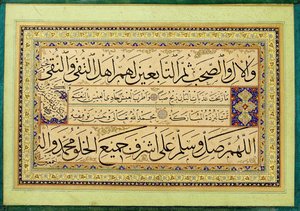
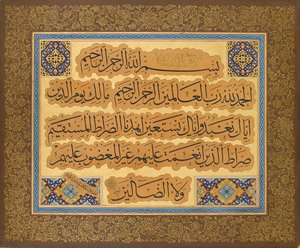
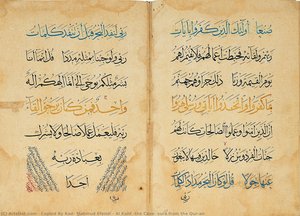
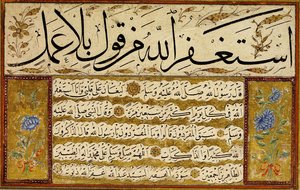
In the quiet corridors of the Sakıp Sabancı Museum in Istanbul, there exists a masterpiece that transcends the boundaries of mere writing, inviting the viewer into a meditative dance of ink and gold. Murakka (calligraphic album), created in 1690 by the legendary Ottoman master Hâfiz Osman, is not simply a collection of text but a profound symphony of visual rhythm. This exquisite work represents the pinnacle of Ottoman calligraphic tradition, where every stroke of the reed pen serves as a testament to spiritual devotion and technical perfection. As one gazes upon these pages, the delicate interplay of Muhakkak, Sülüs, and Nesih scripts creates a flowing landscape of characters that seem to breathe upon the paper, offering a sense of movement that is both disciplined and ethereal.
The artistry of Hâfiz Osman lies in his ability to harmonize the structural rigidity of classical Arabic calligraphy with an organic, almost musical grace. Within this album, the artist utilizes a sophisticated palette of ink, vibrant colors, and shimmering gold leaf applied to paper. The use of gold is particularly transformative; it does not merely decorate but illuminates, catching the light to highlight the architectural precision of the Thuluth script. For the discerning collector or interior designer, this piece offers a masterclass in balance. The composition manages to feel both expansive and intimate, making it an ideal inspiration for spaces that demand a sense of historical weight paired with a refined, luminous aesthetic.
A Legacy of Ottoman Mastery
To understand the Murakka is to understand the golden age of Ottoman cultural flourishing. Hâfiz Osman was more than a calligrapher; he was an innovator who redefined the visual language of his era. His contributions to the Hilye layout and his refinements to the Thuluth script established a standard of beauty that has endured for centuries. This specific album, dating from 1690, captures a moment when the Ottoman Empire’s artistic identity was at its most sophisticated. The meticulous arrangement of the eight kıt'as (stanzas) reflects a deep respect for tradition, yet the execution possesses a freshness that speaks to Osman's individual genius.
For those seeking to bring a piece of this heritage into a contemporary setting, a high-quality reproduction of this work serves as a powerful focal point. The emotional impact of the Murakka is one of profound serenity and intellectual depth. It invites contemplation, encouraging the viewer to slow down and appreciate the micro-details of each flourish and dot. Whether placed in a curated gallery, a scholarly study, or a luxurious living space, this work acts as a bridge between the historical splendor of Istanbul and the modern pursuit of beauty, offering an enduring connection to the timeless art of the written word.
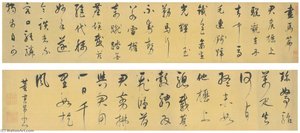
Obras relacionadas
Biografía del artista
**early life and contributions to ottoman calligraphy**
Hâfiz Osman, a name synonymous with elegance and innovation in Ottoman calligraphy, was born in the vibrant city of Istanbul, Turkey, in 1642. His birth coincided with a golden age for the Ottoman Empire – an era of unparalleled cultural flourishing under the reign of Suleiman the Magnificent (1520–1566). From his earliest years, Osman demonstrated a remarkable aptitude for artistic expression, a talent nurtured within a family steeped in tradition and dedicated to the preservation of Islamic arts. His father served as a muezzin at the Khassèki mosque, a position that afforded both his family and himself considerable protection and access to the rich cultural environment of Istanbul. This privileged upbringing provided him with an invaluable foundation for his future endeavors as a master calligrapher. Osman’s early training was meticulously structured, laying the groundwork for his later achievements in refining and elevating the art of Islamic script.**artistic achievements and notable works**
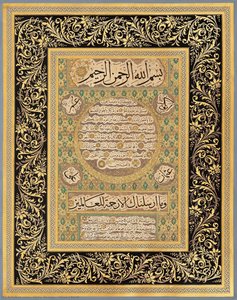
Osman's legacy rests primarily on two pivotal contributions: his significant improvements to the Thuluth script and his groundbreaking development of a layout template for the hilye – an artistic form that would become the standard approach to depicting the Prophet Muhammad in Ottoman art. The Thuluth script, previously experiencing a period of decline, underwent a dramatic transformation under Osman’s influence. He meticulously refined its curves, proportions, and overall aesthetic, imbuing it with a newfound clarity, grace, and dynamism. These enhancements were not merely stylistic; they represented a fundamental shift in the way this crucial cursive script was executed, profoundly impacting the decoration of mosques and other religious structures throughout the empire. Simultaneously, Osman conceived of a revolutionary layout template for the hilye – a complex and meticulously designed panel intended to visually narrate the life and virtues of Muhammad. This innovative approach, incorporating eight distinct elements arranged with exquisite precision, established a new paradigm for Ottoman hilye design, ensuring its enduring influence on generations of artists.**the hilye: a visual form in ottoman art**
The term ḥilya (arabic: حلية) – literally “ornament” or “adornment” – holds a profound significance within the context of Ottoman art and literature. It encompasses both a specific visual format for depicting Muhammad and a genre of Ottoman-Arabic prose that chronicles his life, virtues, and teachings. Hâfiz Osman’s contributions to this multifaceted tradition were instrumental in shaping its aesthetic and literary dimensions. His hilye layout template wasn't simply a decorative element; it was a carefully orchestrated composition designed to evoke contemplation, reverence, and a deep connection with the divine. The eight distinct components – *ba makan* (prelude), *göbek* (belly), *hilal* (crescent), *köleler* (corners), *ayak* (verse), *etek* (foot), *koltuklar* (alleys) and *pervaz* (frame) – were arranged with a deliberate balance of symmetry and dynamism, creating a visually compelling and spiritually resonant experience. His work became the standard layout in the Ottoman world.**legacy and influence on islamic art**
Hâfiz Osman’s impact extends far beyond his own individual creations; he stands as a pivotal figure in the evolution of Islamic calligraphy and artistic expression. His meticulous refinement of the Thuluth script provided a foundation for subsequent generations of calligraphers, while his innovative hilye layout template continues to be employed today – a testament to its enduring practicality and aesthetic appeal. Osman’s legacy is deeply intertwined with the broader cultural landscape of the Ottoman Empire, reflecting both the empire's artistic sophistication and its commitment to preserving and promoting Islamic traditions. His work serves as a powerful reminder of the profound role that calligraphy plays in shaping religious identity and fostering spiritual connection within the Muslim world.**conclusion**
Hâfiz Osman’s contribution to Ottoman art is immeasurable. He was more than just a calligrapher; he was a visionary who reshaped an entire artistic tradition, leaving behind a legacy of elegance, innovation, and profound cultural significance. His work continues to inspire artists and scholars alike, offering valuable insights into the rich tapestry of Islamic art and culture. Through his masterful calligraphy, Hâfiz Osman secured his place as one of the most important figures in Ottoman history.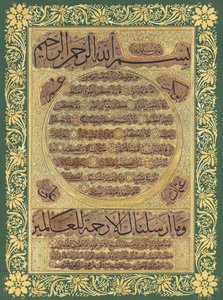
Hâfiz Osman
1642 - 1698 , Turquía
Datos clave
- Artistic Movement Or Style: Caligrafía otomana
- Artists Or Movements Influenced By This Artist: ['Arte otomano']
- Artists Who Influenced This Artist: ['Suyolcuzade Mustafa Eyyubi']
- Date Of Birth: 1642
- Date Of Death: 1698
- Full Name: Hâfiz Osman
- Nationality: Turco
- Notable Artworks:
- Hilye-i Serif
- Manuales de oración
- Place Of Birth: Estambul, Turquía
Artículos relacionados
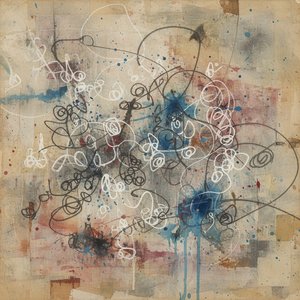
Cy Twombly: Scribbles of Emotion – Deconstructing Post-War Expressionism Through Calligraphy & Abstraction
Explore the captivating world of Cy Twombly with ArtsDot. Discover the emotional depth & artistic significance behind his abstract calligraphy. Expert insights for collectors.

