

 Ver en contexto
 Enviar
 Compartir
 Detalles

 Descargar
 Similares
 Radiografía
 Presentación de diapositivas
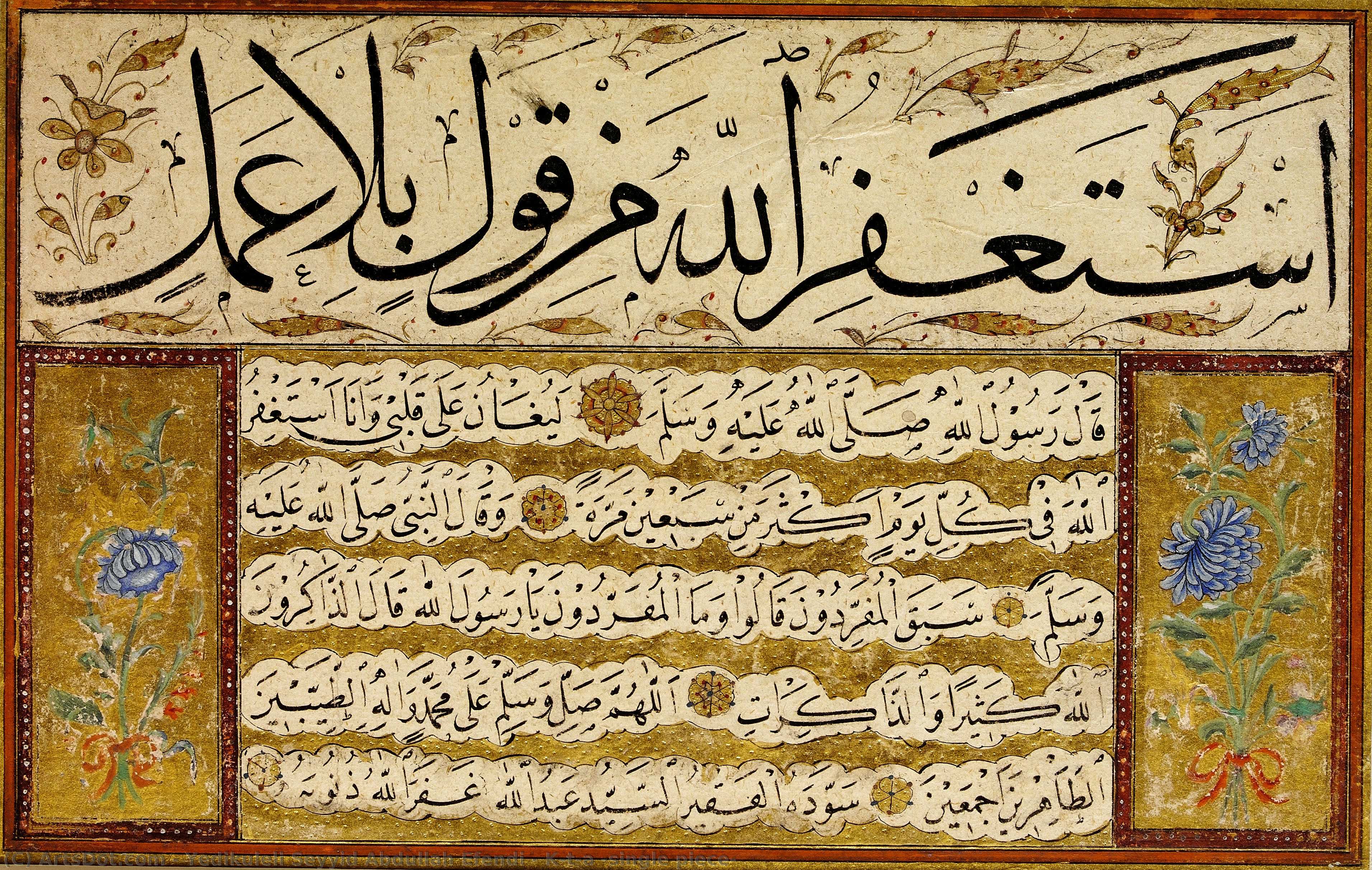
Kıt’a (single piece)
 Ink On Paper
- Ottoman Calligraphy
 1700
1700- Early Modern
 28.0 x 13.0 cm
 Museo Sakıp Sabancı
 Ver más
Reproducción al óleo hecha a mano
Óleo sobre lienzo pintado a mano en el tamaño y marco de su elección, realizado por encargo por nuestros artistas. ( Comprar impresión Comprar imagen)




P118B $10

P118H $10

P118W $10

P438Z $10

P508JH $12

P508YH $12

P805H $10

P805Z $10

P919BZ $10

P919G $10

P919XJ $10

P959ZH $10

P968JZ $12

W106C $8

W218G $10

W218JH $8

W218Y $10

W307PJ $10

W316G $10

W316PJ $8

W316Y $10

W398PJ $8

W4111J $10

W500HY $15

W500JH $15

W692G $12

W849H $8

W940BG $15

W953PJ $8




Elija entre nuestros tamaños predefinidos que respetan las proporciones originales de la obra.

Puede ingresar sus propias dimensiones para adaptarse a un marco o espacio específico. Si el tamaño seleccionado no coincide con las proporciones de la imagen original, recortaremos la obra o extenderemos la pintura con elementos adicionales pintados a mano. Se le enviará una maqueta digital para su aprobación antes de comenzar la producción.
Tenga en cuenta que la vista previa en pantalla no refleja el recorte o la extensión reales. Solo la maqueta mostrará con precisión la composición final.
Si bien existen tamaños personalizados, recomendamos seleccionar una dimensión de la lista predefinida para preservar las proporciones originales.
Tras realizar el pedido, el equipo de ArtsDot.com enviará un correo electrónico al cliente para solicitar instrucciones y proporcionarle una vista previa del boceto.
Envío a todo el mundo () en 3-4 semanas en lugar de las 5 semanas estándar. (26 agosto). Sin comprometer la calidad.

Envío exprés gratuito a todo el mundo

Lienzo de lino de alta calidad

Seguro de envío total

Garantía de reembolso de impuestos aduaneros

Garantía de fidelidad cromática exacta

Política de devolución de 60 días (solo por defectos)

Garantía de devolución del 100% del dinero

Descuento por cantidad
 La opción de vidrio solo está disponible en tamaños inferiores a 110 cm.

Kıt’a (single piece)
Técnica de reproducción
Dimensiones de la reproducción
-


Precio total final
$ 263
Descripción de la obra
The Elegance of Ottoman Script: A Masterpiece of Calligraphy
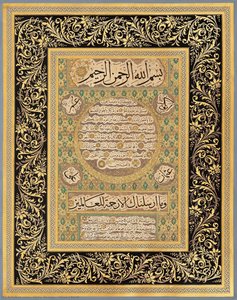
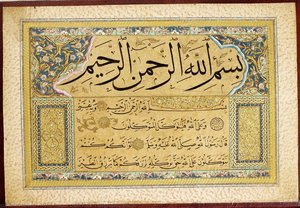
In the delicate dance of ink upon aged paper, Kıt’a (single piece) emerges as a profound testament to the spiritual and aesthetic heights of the Ottoman Golden Age. Created around 1700 by the legendary master Yedikuleli Seyyid Abdullah Efendi, this work is far more than mere writing; it is a visual symphony where the sacred geometry of Arabic script meets the organic grace of nature. The composition breathes with a rhythmic vitality, as the flowing lines of calligraphy are surrounded by a whimsical arrangement of flora and fauna. Tiny, meticulously rendered birds appear to flit through a garden of blossoms, creating a sense of a living, breathing manuscript that transcends the boundaries of a static page.
The artistry of Abdullah Efendi, a pupil of the great Hâfiz Osman, is evident in every stroke of his pen. His technique represents the pinnacle of Ottoman calligraphic tradition, where the balance of black ink against the warm, parchment-like tones of the paper creates a striking chiaroscuro effect. The inclusion of decorative elements—the soft petals of flowers and the delicate silhouettes of birds—serves to soften the formal structure of the text, inviting the viewer into a meditative state. Even the presence of a subtle clock element on the right side adds a layer of temporal symbolism, perhaps reminding the observer of the fleeting nature of life amidst the eternal beauty of the divine word.
A Legacy of Devotion and Craftsmanship
To behold this Kıt’a is to step into the courtly atmosphere of Sultan Ahmed III’s era, a time when calligraphy was the highest expression of cultural and religious devotion. Abdullah Efendi was not merely an artist but a custodian of tradition, whose mastery was so profound that even the Sultan sought the secrets of his unique ink. This piece carries that weight of history; it is a relic of an age where every curve of a letter was imbued with intention and every decorative flourish served to honor the sanctity of the text. The gold frame that encases this work acts as a window into the 18th century, elevating the paper from a historical document to a precious jewel of Islamic art.
For the discerning collector or interior designer, a high-quality reproduction of this masterpiece offers an unparalleled opportunity to introduce a sense of timeless sophistication and tranquility into a space. The warm palette and intricate details make it a versatile centerpiece, capable of anchoring a room with its historical gravity while providing a soft, organic texture that complements both classical and contemporary decor. Owning such a piece is not merely about decoration; it is about surrounding oneself with the echoes of a master’s devotion and the enduring elegance of Ottoman heritage.
Obras relacionadas
Biografía del artista
Early Life and Education
Yedikuleli Seyyid Abdullah Efendi, a name synonymous with the pinnacle of Ottoman calligraphy, was born in 1670 within the vibrant heart of Istanbul, Turkey. His lineage traced back to a rich artistic heritage; his father, Seyyid Hasan el-Hashimi, held the esteemed position of imam at the historic Imrahor Mosque. This familial connection to the world of Islamic scholarship and artistry laid the foundation for Abdullah’s own destiny. From an early age, it was evident that he possessed a remarkable aptitude for calligraphy – a skill deeply ingrained within his family's traditions. He received his initial training under the tutelage of the legendary master Hâfiz Osman, a figure widely regarded as the architect of Ottoman script and layout. Under Osman’s guidance, Abdullah honed his skills, mastering the intricacies of the “six scripts” – a complex system that defined Ottoman calligraphy for centuries. This formative period instilled in him not only technical proficiency but also an appreciation for the profound spiritual significance embedded within each stroke of the pen.Career Highlights and Patronage
Abdullah’s career ascended rapidly upon his appointment as instructor of calligraphy at the prestigious Topkapi Palace in 1708. Within its opulent halls, he became a mentor to Egrikapili Mehmed Rasim Efendi, a rising star in the field of Ottoman script. This role afforded him unparalleled access to the imperial court and provided a platform for his artistic endeavors. Abdullah’s dedication to his craft was further solidified by his close relationship with Sultan Ahmed III, who recognized and deeply admired his exceptional talent. The Sultan, captivated by Abdullah's unique approach to ink – a closely guarded secret – dispatched a messenger to learn the precise techniques involved in creating his distinctive style. This personal connection elevated Abdullah’s status within the Ottoman court and fueled his creative output. Throughout his career, he produced countless meticulously crafted copies of the Qur’an, each a testament to his skill, patience, and unwavering commitment to preserving Islamic calligraphy as a sacred art form.Notable Works and Artistic Legacy
Among Abdullah's most celebrated achievements is the “Kıt’a” (single piece), a breathtaking example of his artistry now housed within the Sakıp Sabancı Museum in Istanbul. This exquisite work showcases not only his technical mastery but also his profound understanding of Islamic aesthetics and symbolism. Beyond this single masterpiece, Abdullah’s influence can be seen throughout numerous exhibitions, including “Letters in Gold: Ottoman Calligraphy from the Sakıp Sabancı Collection” at the Metropolitan Museum of Art – a testament to the enduring recognition of his contributions to the art world. His work stands as a bridge between tradition and innovation, embodying the spirit of Ottoman artistic excellence while simultaneously pushing the boundaries of calligraphy.Importance and Historical Significance
Yedikuleli Seyyid Abdullah Efendi’s legacy extends far beyond the individual works he produced. He is widely considered to be the cornerstone of a distinct calligraphic school, profoundly influencing generations of subsequent artists. His meticulous attention to detail, his innovative use of ink, and his deep reverence for Islamic tradition established a new standard of excellence within Ottoman calligraphy. He wasn’t merely a skilled craftsman; he was a cultural ambassador, preserving and promoting a vital aspect of Turkish heritage. Abdullah's influence resonates even today, serving as an inspiration for artists and art enthusiasts alike who seek to understand the rich tapestry of Ottoman artistic expression. His story is a powerful reminder of the enduring power of art to transcend time and connect us to the past.
Yedikuleli Seyyid Abdullah Efendi
1670 - 1731 , Turquía
Datos clave
- Artistic Movement Or Style: Caligrafía otomana
- Artists Or Movements Influenced By This Artist: ['Calígrafos posteriores']
- Artists Who Influenced This Artist: ['Hâfiz Osman']
- Date Of Birth: 1670, Estambul, Turquía
- Date Of Death: 1731
- Full Name: Yedikuleli Seyyid Abdullah Efendi
- Nationality: Turco (Ottomano)
- Notable Artworks:
- Kıt'a (pieza única)
- Copias del Corán
- Place Of Birth: Estambul, Turquía
Artículos relacionados
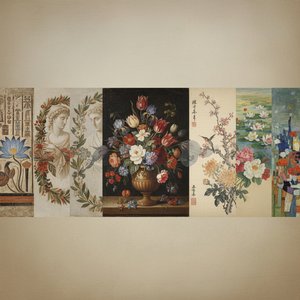
Blossoms of Time: A Historical & Aesthetic Exploration of Floral Painting Across Cultures
Explore the rich history of floral painting! Discover symbolism, techniques & masterpieces from Van Huysum to O'Keeffe. Expert insights for art lovers & collectors at ArtsDot.
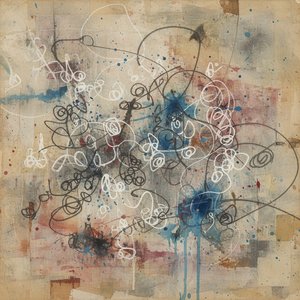
Cy Twombly: Scribbles of Emotion – Deconstructing Post-War Expressionism Through Calligraphy & Abstraction
Explore the captivating world of Cy Twombly with ArtsDot. Discover the emotional depth & artistic significance behind his abstract calligraphy. Expert insights for collectors.
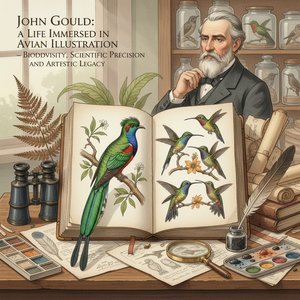
John Gould: A Life Immersed in Avian Illustration – Biodiversity, Scientific Precision, and Artistic Legacy
Explore the life & legacy of John Gould, pioneering ornithologist & artist. Discover his stunning bird illustrations, the impact of chromolithography, and investment opportunities for collectors. Learn more now!

Jacques Barraband: A Botanical Legacy – Art, Science, and the Pursuit of Floral Precision
Explore the exquisite botanical illustrations of Jacques Barraband (1767-1809). Discover his stunningly accurate bird paintings, commissioned by Napoleon, and learn about his lasting legacy in art & science. Shop museum-quality reproductions at ArtsDot.
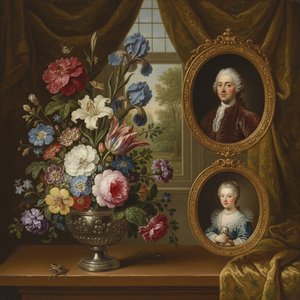
Jan van Kessel the Elder: A Baroque Master of Floral Still Life & Miniature Portraiture
Discover the exquisite detail of Jan van Kessel the Elder's Baroque floral still lifes & captivating miniatures. Explore his artistic legacy, scientific precision, and lasting influence on 17th-century Flemish painting.

