 Ver en contexto
 Enviar
 Compartir
 Detalles

 Descargar
 Similares
 Radiografía
 Presentación de diapositivas
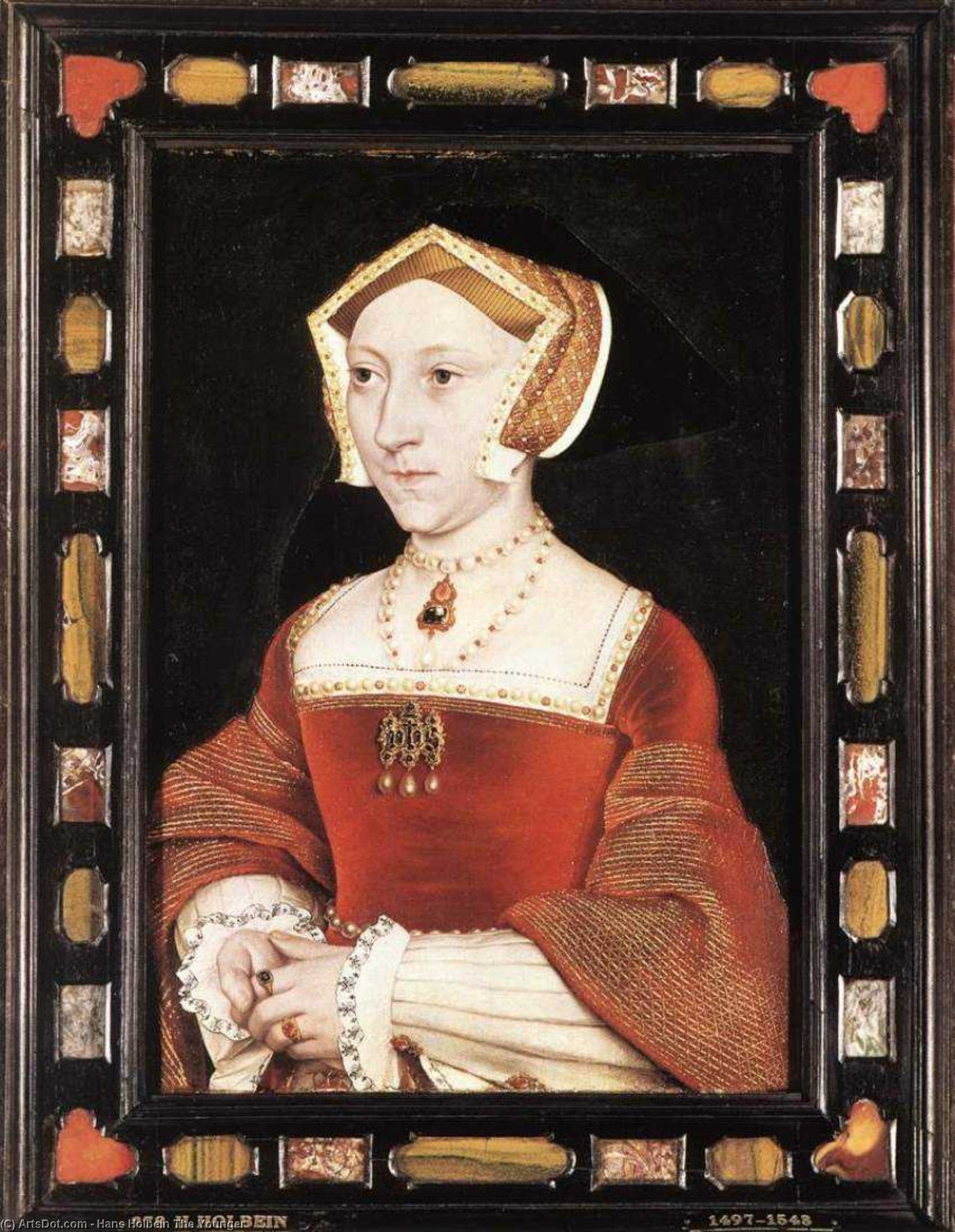
Retrato de Jane Seymour
 Acrílico sobre lienzo
- Arte de pared
- Northern Renaissance
 1537
1537- Renacimiento
 26.0 x 18.0 cm
 Mauritshuis
 Ver más
Reproducción al óleo hecha a mano
Óleo sobre lienzo pintado a mano en el tamaño y marco de su elección, realizado por encargo por nuestros artistas. ( Comprar impresión Comprar imagen)




P118B $10

P118H $10

P118W $10

P438Z $10

P508JH $12

P508YH $12

P805H $10

P805Z $10

P919BZ $10

P919G $10

P919XJ $10

P959ZH $10

P968JZ $12

W106C $8

W218G $10

W218JH $8

W218Y $10

W307PJ $10

W316G $10

W316PJ $8

W316Y $10

W398PJ $8

W4111J $10

W500HY $15

W500JH $15

W692G $12

W849H $8

W940BG $15

W953PJ $8




Elija entre nuestros tamaños predefinidos que respetan las proporciones originales de la obra.

Puede ingresar sus propias dimensiones para adaptarse a un marco o espacio específico. Si el tamaño seleccionado no coincide con las proporciones de la imagen original, recortaremos la obra o extenderemos la pintura con elementos adicionales pintados a mano. Se le enviará una maqueta digital para su aprobación antes de comenzar la producción.
Tenga en cuenta que la vista previa en pantalla no refleja el recorte o la extensión reales. Solo la maqueta mostrará con precisión la composición final.
Si bien existen tamaños personalizados, recomendamos seleccionar una dimensión de la lista predefinida para preservar las proporciones originales.
Tras realizar el pedido, el equipo de ArtsDot.com enviará un correo electrónico al cliente para solicitar instrucciones y proporcionarle una vista previa del boceto.
Envío a todo el mundo () en 3-4 semanas en lugar de las 5 semanas estándar. (22 agosto). Sin comprometer la calidad.

Envío exprés gratuito a todo el mundo

Lienzo de lino de alta calidad

Seguro de envío total

Garantía de reembolso de impuestos aduaneros

Garantía de fidelidad cromática exacta

Política de devolución de 60 días (solo por defectos)

Garantía de devolución del 100% del dinero

Descuento por cantidad
 La opción de vidrio solo está disponible en tamaños inferiores a 110 cm.

Retrato de Jane Seymour
Técnica de reproducción
Dimensiones de la reproducción
-


Precio total final
$ 263
Descripción de la obra
Portrait of Jane Seymour
The Portrait of Jane Seymour, painted by the renowned German artist Hans Holbein the Younger in 1537, stands as a testament to Renaissance artistry and psychological portraiture—a captivating artwork that transcends mere likeness to capture the essence of its subject. This oil on oak painting measures 26 x 18 cm and currently resides within the prestigious Mauritshuis museum in The Hague, Netherlands, offering visitors an unparalleled opportunity to contemplate one of Holbein’s most celebrated masterpieces.The Subject: Jane Seymour
Jane Seymour (c. 1508 – October 24, 1537) holds a poignant place in Tudor history as the third wife of Henry VIII—a woman whose brief reign was marked by both hope and tragedy. Following the tumultuous divorce from Anne Boleyn and her subsequent execution, Jane ascended to the throne amidst considerable public sympathy, fueled by her unwavering devotion to Henry and her fervent desire for him to produce a male heir. Despite achieving this crucial goal with the birth of Prince Edward VI, her life was tragically cut short just twelve days after childbirth due to complications—a poignant reminder of the fragility of existence within the grandeur of royal courts. According to Henry VIII’s wishes, she was interred alongside him at Windsor Castle, ensuring a solemn memorial to her legacy.The Painting
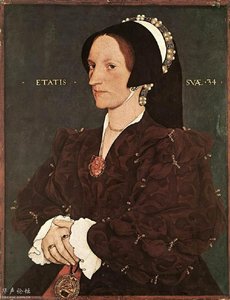
Holbein's masterful depiction exemplifies the Northern Renaissance style, characterized by its meticulous realism and profound exploration of human emotion. The painting is executed in muted yet luminous colors—primarily black and gold—creating an atmosphere of dignified restraint that contrasts sharply with the flamboyant fashions prevalent during Anne Boleyn’s reign. Jane Seymour is portrayed wearing a sumptuous red gown adorned with a crisp white collar, symbolizing purity and virtue—a deliberate stylistic choice reflecting prevailing moral sensibilities of the era. Her gaze downward, subtly averted from the viewer, lends an air of introspection and vulnerability to her countenance, inviting contemplation on themes of motherhood, faith, and inner resilience. The artist’s painstaking attention to detail—from the delicate folds of fabric to the subtle shading of skin tones—demonstrates Holbein's unparalleled skill in conveying not just physical appearance but also psychological character.Artistic Significance
This portrait aligns seamlessly with Holbein’s depiction of Jane Seymour in his Whitehall wall-painting, which sadly survives only through a faithful copy by Remigius van Leemput—a remarkable feat of artistic preservation. Furthermore, it adheres closely to Holbein's preparatory drawing, underscoring the artist’s methodical approach to capturing his subjects with unwavering accuracy. The painting serves as an exemplar of Renaissance portraiture, mirroring trends established in Italy and influencing artists across Europe. It represents a pivotal moment in Holbein’s oeuvre—a culmination of his stylistic innovations and a demonstration of his mastery in portraying human psychology within the confines of formal portraiture.Artist: Hans Holbein the Younger
Hans Holbein the Younger (c. 1497 – 1543) stands as one of the foremost figures of the German Renaissance—a painter whose oeuvre encompasses portraits, religious paintings, and decorative artworks that continue to inspire admiration for their technical brilliance and expressive depth. Born in Augsburg, Germany, Holbein’s artistic training began within his father’s workshop, where he honed his skills alongside Sigismund Holbein—establishing a lineage of accomplished artists dedicated to capturing the human form with unparalleled realism. His work profoundly impacted book design and religious art, cementing his place as a cornerstone of Northern Renaissance aesthetics. For deeper insights into Holbein's artistic journey, explore Holbein The Younger, Hans: Portrait of Jane Seymour (1509?-1537) and Holbein The Younger, Hans: Portrait of Robert Cheseman (1485-1547) on ArtsDot.- Museum: Mauritshuis
- Size: 26 x 18 cm
- Date: 1537
Obras relacionadas
Biografía del artista
vida temprana y formación
Hans Holbein el Joven, una figura destacada en la renacimiento norteño, nació en 1497 en Augsburg, Alemania. Aunque a menudo se le confunde con su padre, Hans Holbein el Viejo, un artista y grabador renombrado, la obra del joven Holbein es distinta y notable por sí misma.carrera artística
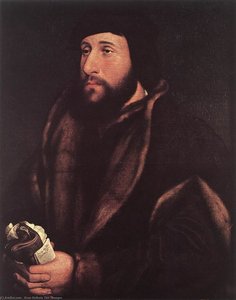
La carrera artística de Holbein el Joven comenzó bajo la tutela de su padre. Posteriormente viajó a Inglaterra, donde se convirtió en pintor de corte para el rey Enrique VIII. Esta posición le permitió capturar la esencia de la familia real y la aristocracia inglesa emergente. Su obra se caracteriza por:- realismo excepcional: los retratos de Holbein son celebrados por su calidad realista, como se ve en Retrato de una dama desconocida (renacimiento norteño).
- composición innovadora: su uso de la composición es evidente en Sir William Butts (37 x 46 cm, renacimiento norteño, óleo sobre tabla).
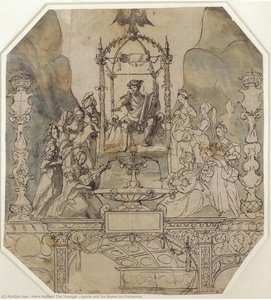
- estudio para el retrato familiar de Tomás Moro (38 x 52 cm, renacimiento norteño) muestra su habilidad para capturar la esencia de una familia.
obras notables y legado
La obra de Holbein el Joven se encuentra en varios museos, incluido el Museos Estatales de Berlín (Alemania, donde su Señor desconocido con libros de música y laúd (óleo sobre tabla) está en exhibición. Su influencia en el renacimiento norteño es innegable, y su obra continúa inspirando a los artistas hasta el día de hoy. Holbein el Joven falleció en 1543, pero su legado perdura a través de sus cautivadores retratos y estudios detallados. ver más obras de Hans Holbein el Joven en ArtsDot.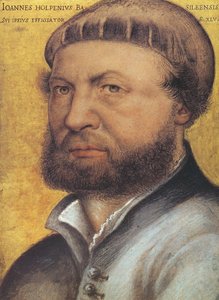
Hans Holbein el Joven
1497 - 1543 , Italia
Datos clave
- Artistas Que Influyeron:
- Hans Holbein el Viejo
- Albrecht Dürer
- Estilo Artístico: Renacimiento Nórdico
- Fecha De Muerte: 1543
- Fecha De Nacimiento: 1497
- Lugar De Nacimiento: Augsburgo, Italia
- Nacionalidad: Alemán
- Nombre Completo: Hans Holbein el Joven
- Obras Notables:
- Retrato de Enrique VIII
- El cuerpo del Cristo muerto
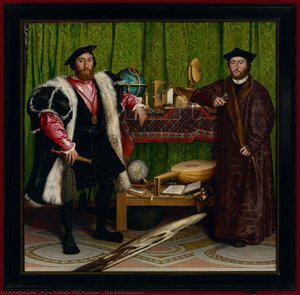
- Los embajadores
- Autorretrato
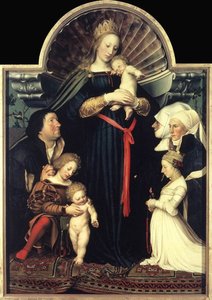
- Madonna del Burgomaestre Meyer
Artículos relacionados
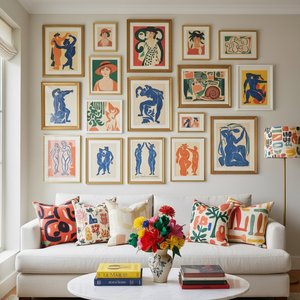
Henri Matisse: Las 25 Obras Maestras que Definieron un Genio del Color | ArtsDot
Descubre las 25 obras maestras de Henri Matisse, el rey del color y padre del fauvismo. Explora su arte moderno, lienzos vibrantes y la historia detrás de cada pintura icónica. Encuentra reproducciones de alta calidad en ArtsDot.com.
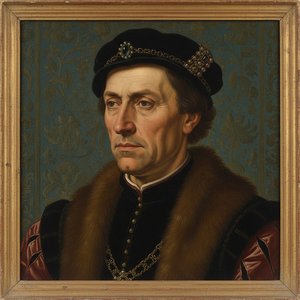
Hans Holbein the Younger: A Renaissance Portraitist's Mastery of Realism & Psychological Insight
Explore the life & art of Hans Holbein the Younger, a Renaissance master renowned for his strikingly realistic portraits and psychological insight. Discover iconic works like 'The Ambassadors' and delve into his lasting legacy.
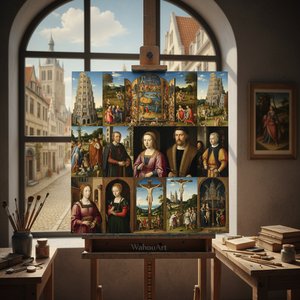
Renacimiento Nórdico: 10 Obras Maestras que Transformaron el Arte |
Descubre 10 obras maestras del Renacimiento Nórdico: Jan van Eyck, Durero y más. Explora la historia, el simbolismo y las técnicas de estos icónicos pintores. Encuentra reproducciones de arte exclusivas en .
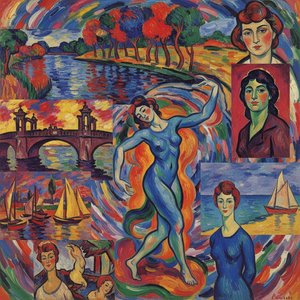
Fauvismo Expresionista: 10 Obras Maestras que Transformaron el Arte | ArtsDot
Descubre las 10 obras maestras del fauvismo que revolucionaron el arte. Explora la pasión, el color y la expresión de Matisse, Derain y más. Reproducciones de alta calidad en ArtsDot.com.
Robert Henri & the Spirit of American Realism: A Legacy of Urban Life and Artistic Independence
Explore the life & legacy of Robert Henri, a pivotal figure in American Realism. Discover his captivating portraits, influence on the Ashcan School, and enduring impact on art history. Learn more at ArtsDot.

![Retrato Doble de Jean de Dinteville y Georges de Selve (también conocido como Los Embajadores) [detalle]](/media/artworks/images-thumb/bb/ab/bbab7ce77b7dd15d23d21114a63b51a4.jpg)