 Vista previa
 Compartir
 Compartir
 Ver detalles

 Descargar
 Ver similares
 Radiografía
 Presentación de diapositivas
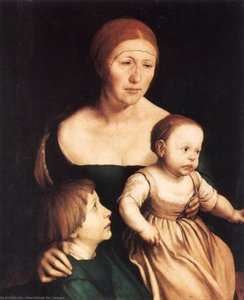
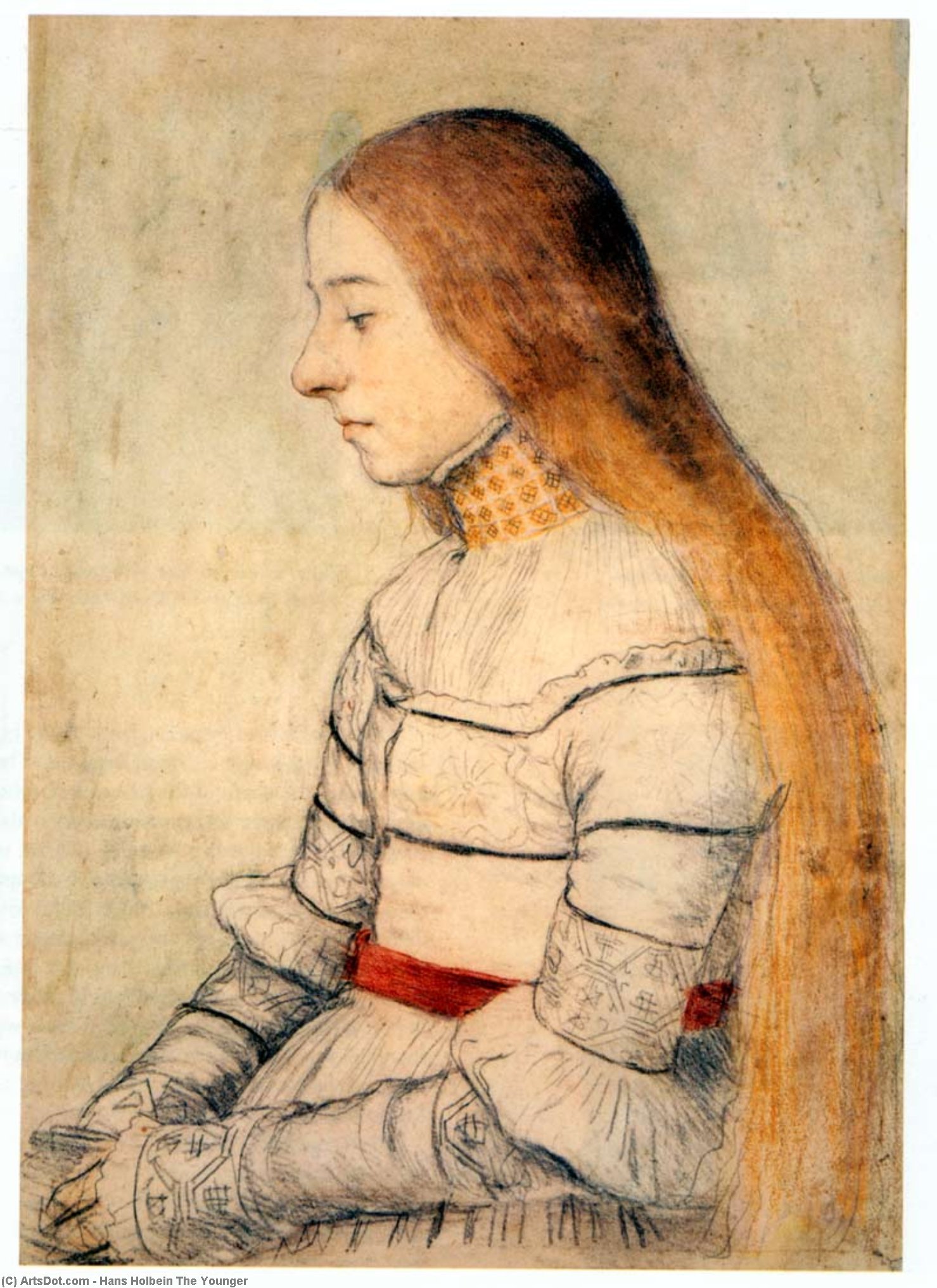
Anna Meyer
 Northern Renaissance
 1526
1526 39.0 x 27.0 cm
 Leer más
Giclée / Impresión de arte
Impresiones giclée o en lienzo de calidad de museo con producción rápida y opciones de acabado flexibles. ( Encargar reproducción pintada a mano Comprar descarga)




P118B $10

P118H $10

P118W $10

P438Z $10

P508JH $12

P508YH $12

P805H $10

P805Z $10

P919BZ $10

P919G $10

P919XJ $10

P959ZH $10

P968JZ $12

W106C $8

W218G $10

W218JH $8

W218Y $10

W307PJ $10

W316G $10

W316PJ $8

W316Y $10

W398PJ $8

W4111J $10

W500HY $15

W500JH $15

W692G $12

W849H $8

W940BG $15

W953PJ $8




Elija entre nuestros tamaños predefinidos que respetan las proporciones originales de la obra.

Puede introducir sus propias dimensiones para adaptarse a un marco o espacio específico. Si el tamaño seleccionado no coincide con las proporciones de la imagen original, recortaremos la obra de arte o extenderemos la imagen con un borde con efecto espejo o de color sólido. Se enviará una maqueta digital para su aprobación antes de que comience la producción.
Tenga en cuenta que la vista previa en pantalla no refleja el recorte o la extensión real. Solo la maqueta mostrará con precisión la composición final.
Aunque existen tamaños personalizados, recomendamos seleccionar una dimensión de la lista predefinida para preservar las proporciones originales.
Envío a todo el mundo () en 2 semanas en lugar de las 4/5 semanas estándar. (21 agosto)

Envío exprés gratuito a todo el mundo

Lienzo de lino de alta calidad

Seguro de envío completo

Garantía de reembolso de aranceles aduaneros

Garantía de fidelidad cromática exacta

Política de devolución de 60 días (solo por defectos)

Garantía de devolución del 100% del dinero

Oferta por volumen
 La opción de vidrio solo está disponible en tamaños inferiores a 110 cm.

Anna Meyer
Giclée / Impresión de arte
Tamaño de la reproducción
-


Precio total
$ 62
Descripción de la pieza
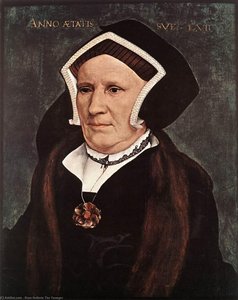
A Portrait of Quiet Reflection: Exploring Hans Holbein the Younger’s “Anna Meyer”
The painting "Anna Meyer," executed by Hans Holbein the Younger in 1526, stands as a testament to the artist's unparalleled ability to convey emotion and intellect through meticulous observation. More than just a depiction of a woman’s face—it’s an invitation into her inner world, captured with astonishing precision against the backdrop of the Renaissance humanist tradition. This portrait transcends mere representation; it embodies the spirit of its time, reflecting the burgeoning interest in psychological realism that characterized the era.The Artist's Vision: Holbein's Technique and Style
Holbein’s mastery lay not only in his technical prowess but also in his stylistic choices. He employed oil paint on panel—a technique favored by artists seeking luminosity and depth—allowing him to achieve a remarkable level of detail that would become synonymous with his oeuvre. The artist meticulously rendered Anna Meyer's skin tones, capturing subtle variations in hue and texture, demonstrating an unwavering commitment to anatomical accuracy. Furthermore, Holbein’s use of chiaroscuro – the dramatic interplay between light and shadow – skillfully sculpts the figure, emphasizing her posture and conveying a sense of solemn contemplation. This technique wasn’t simply about creating a visually appealing image; it was about communicating profound ideas about human experience.Historical Context: Renaissance Humanism and Portraiture
“Anna Meyer” emerged during the apex of Renaissance humanism—a philosophical movement that championed reason, observation, and the study of classical antiquity. Artists like Holbein were profoundly influenced by humanist ideals, striving to portray subjects as individuals possessing complex inner lives rather than mere symbols of status or piety. Portraits served as a crucial medium for documenting identity and conveying social standing, but Holbein elevated them beyond these conventions. He sought to capture not just outward appearance but also the psychological state of his sitter—a daring ambition that anticipated later developments in portraiture. The painting reflects the humanist belief in the dignity of human intellect and emotion, presenting Anna Meyer as a woman engaged in thoughtful introspection.Symbolism Within the Frame: Gestures and Composition
The composition itself contributes to the painting’s emotional impact. Anna Meyer's downward gaze—a gesture laden with significance—suggests contemplation and perhaps melancholy. This posture speaks volumes about the sitter’s inner life, inviting viewers to ponder her thoughts and feelings. The positioning of the other figures flanking Anna Meyer adds another layer of complexity to the image. They serve as anchors for the composition, grounding the portrait within its social context while simultaneously emphasizing the woman's solitude. Holbein subtly utilizes visual cues to convey a narrative beyond the surface appearance—a hallmark of Renaissance artistic practice.Emotional Resonance: Capturing Inner Beauty
Ultimately, “Anna Meyer” succeeds in conveying a powerful emotional resonance. The painting’s serene beauty is undercut by an underlying sense of quiet sadness—a reflection of the human condition itself. Holbein's masterful rendering captures not just Anna Meyer’s physical likeness but also her inner spirit, demonstrating his profound understanding of human psychology. It remains a captivating artwork that continues to inspire admiration for its technical brilliance and its ability to evoke contemplation about the complexities of human experience. This reproduction offers an opportunity to appreciate Holbein’s legacy—a timeless masterpiece that speaks across centuries.Obras relacionadas
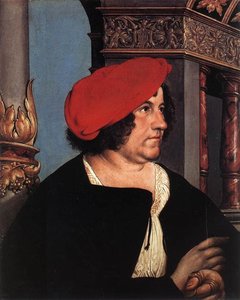
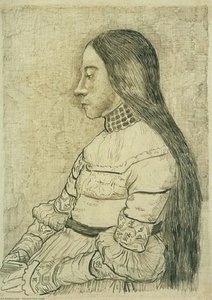
Biografía del artista
vida temprana y formación
Hans Holbein el Joven, una figura destacada en la renacimiento norteño, nació en 1497 en Augsburg, Alemania. Aunque a menudo se le confunde con su padre, Hans Holbein el Viejo, un artista y grabador renombrado, la obra del joven Holbein es distinta y notable por sí misma.carrera artística
La carrera artística de Holbein el Joven comenzó bajo la tutela de su padre. Posteriormente viajó a Inglaterra, donde se convirtió en pintor de corte para el rey Enrique VIII. Esta posición le permitió capturar la esencia de la familia real y la aristocracia inglesa emergente. Su obra se caracteriza por:- realismo excepcional: los retratos de Holbein son celebrados por su calidad realista, como se ve en Retrato de una dama desconocida (renacimiento norteño).
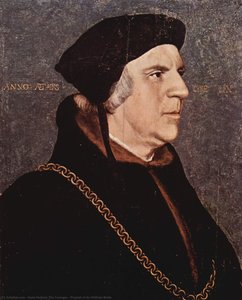
- composición innovadora: su uso de la composición es evidente en Sir William Butts (37 x 46 cm, renacimiento norteño, óleo sobre tabla).
- estudio para el retrato familiar de Tomás Moro (38 x 52 cm, renacimiento norteño) muestra su habilidad para capturar la esencia de una familia.
obras notables y legado
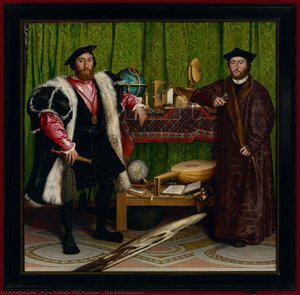
La obra de Holbein el Joven se encuentra en varios museos, incluido el Museos Estatales de Berlín (Alemania, donde su Señor desconocido con libros de música y laúd (óleo sobre tabla) está en exhibición. Su influencia en el renacimiento norteño es innegable, y su obra continúa inspirando a los artistas hasta el día de hoy. Holbein el Joven falleció en 1543, pero su legado perdura a través de sus cautivadores retratos y estudios detallados. ver más obras de Hans Holbein el Joven en ArtsDot.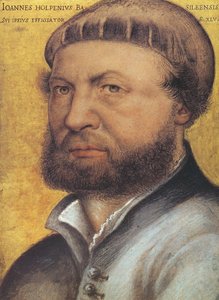
Hans Holbein el Joven
1497 - 1543 , Italia
Datos clave
- Artistas Que Influyeron:
- Hans Holbein el Viejo
- Albrecht Dürer
- Estilo Artístico: Renacimiento Nórdico
- Fecha De Muerte: 1543
- Fecha De Nacimiento: 1497
- Lugar De Nacimiento: Augsburgo, Italia
- Nacionalidad: Alemán
- Nombre Completo: Hans Holbein el Joven
- Obras Notables:
- Retrato de Enrique VIII
- El cuerpo del Cristo muerto
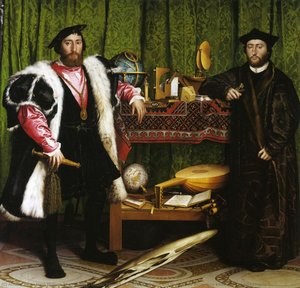
- Los embajadores
- Autorretrato
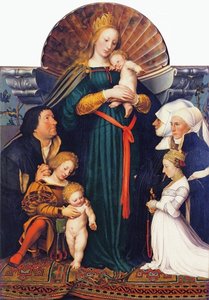
- Madonna del Burgomaestre Meyer
Artículos relacionados

The Enduring Legacy of Oil on Canvas: Technique, History & Aesthetic Impact
Explore the rich history & techniques of oil painting – from Renaissance masters to Impressionism. Discover pigments, layering methods, and why this timeless medium endures. Expert insights for artists & art enthusiasts.

El Óleo sobre Lienzo: Historia, Técnica y la Persistencia de un Medio Artístico Atemporal
Descubre la historia y técnica del óleo sobre lienzo. Explora reproducciones fieles hechas a mano, personalización artística y consejos de expertos con ArtsDot. ¡Colecciona arte con confianza!

El Legado Duradero del Óleo sobre Lienzo: Técnica, Historia y Práctica Contemporánea
Descubre la historia y técnica del óleo sobre lienzo. Explora reproducciones fieles hechas a mano, personalización artística y consejos de expertos con .
Las 10 Obras Maestras al Óleo que Revolucionaron la Historia del Arte |
Descubre las 10 obras maestras al óleo que transformaron la historia del arte. Explora Van Gogh, Monet, Da Vinci y más. Reproducciones de alta calidad para decorar tu hogar con elegancia. ¡Encuentra tu obra favorita en !

The Enduring Power of Painting: A Historical & Contemporary Exploration of Form and Emotion
Explore the rich history & enduring techniques of oil painting with ArtsDot. Discover masterpieces, learn about art collecting, and find authentic handmade reproductions crafted by skilled artists.
![Retrato Doble de Jean de Dinteville y Georges de Selve (también conocido como Los Embajadores) [detalle]](/media/artworks/images-thumb/bb/ab/bbab7ce77b7dd15d23d21114a63b51a4.jpg)